Chicago Fed President Goolsbee on Interest Rate Policy
Written by Emily J. Thompson, Senior Investment Analyst
Updated: 6 days ago
0mins
Should l Buy CME?
Source: CNBC
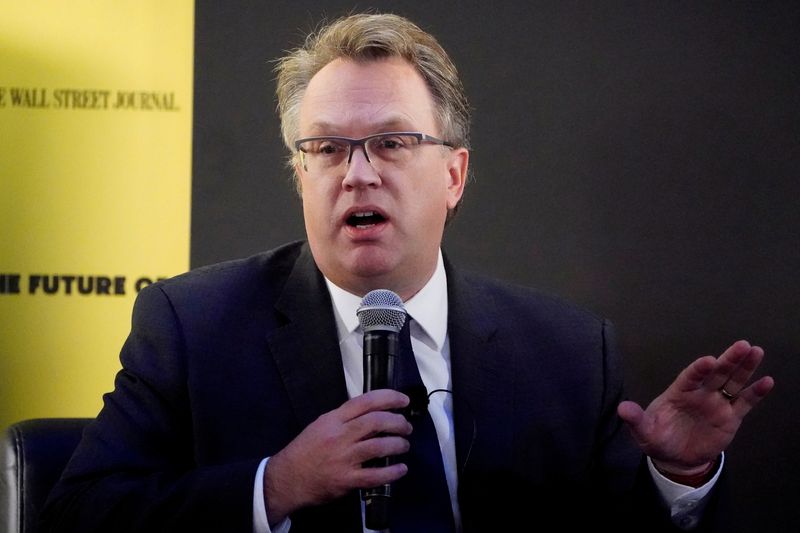
- Inflation Target Warning: Chicago Fed President Austan Goolsbee emphasized that while inflation has decreased from its highs, the current core inflation rate of 3% remains above the Fed's 2% target, indicating that rate cuts should not be rushed until there is clear evidence of sustained inflation decline.
- Market Expectation Analysis: Markets anticipate that the Federal Reserve will remain on hold regarding interest rate decisions until at least June, with futures traders assigning a 50% chance of a cut in June and a 71% probability for July, reflecting significant market focus on future policy directions.
- Housing Inflation Concerns: Goolsbee specifically highlighted that stubborn housing inflation is not driven by tariffs, stressing the need for the Fed to remain vigilant against underlying pressures in the service sector and other areas not directly affected by tariffs.
- Labor Market Observations: Fed Governor Christopher Waller noted at the same conference that the labor market may be stronger than previously thought, which could lessen the need for further rate cuts, indicating that the Fed must proceed cautiously in its policy adjustments.
Trade with 70% Backtested Accuracy
Stop guessing "Should I Buy CME?" and start using high-conviction signals backed by rigorous historical data.
Sign up today to access powerful investing tools and make smarter, data-driven decisions.
Analyst Views on CME
Wall Street analysts forecast CME stock price to fall
10 Analyst Rating
4 Buy
4 Hold
2 Sell
Hold
Current: 319.500

Low
209.00
Averages
285.90
High
320.00
Current: 319.500
Low
209.00
Averages
285.90
High
320.00
About CME
CME Group Inc. provides a derivatives marketplace. The Company enables clients to trade futures, options, cash and over the counter (OTC) markets, optimize portfolios, and analyze data. It exchanges offer a range of global benchmark products across all major asset classes based on interest rates, equity indexes, foreign exchange (FX), energy, agricultural products and metals. It offers futures and options on futures trading through the CME Globex platform, fixed income trading via BrokerTec and FX trading on the EBS platform. In addition, it operates central counterparty clearing provider, CME Clearing. Its products provide a means for hedging, speculation and asset allocation related to the risks associated with, among other things, interest rate sensitive instruments, and changes in the prices of agricultural, energy and metal commodities. It provides clearing and settlement services for a range of exchange-traded futures and options on futures contracts and OTC derivatives.
About the author

Emily J. Thompson
Emily J. Thompson, a Chartered Financial Analyst (CFA) with 12 years in investment research, graduated with honors from the Wharton School. Specializing in industrial and technology stocks, she provides in-depth analysis for Intellectia’s earnings and market brief reports.
Impact of Fed's Interest Rate Policy on Stock Market

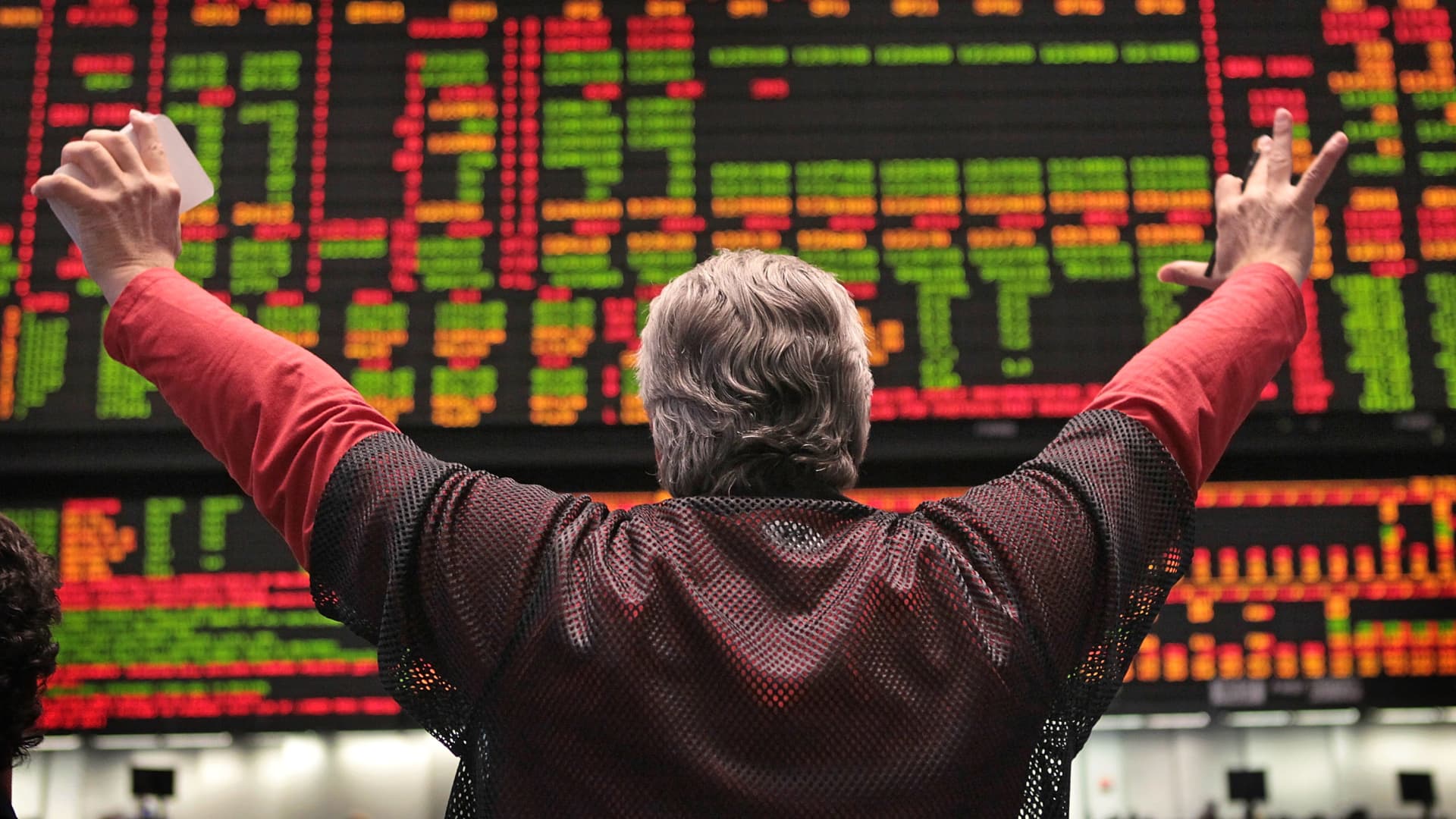
- Rate Policy Discussion: The Federal Reserve will discuss interest rates during a two-day meeting ending on March 18; despite President Trump's ongoing pressure for rate cuts, the market currently anticipates less than a 5% chance of a cut, potentially leaving the stock market in a holding pattern until clearer economic data emerges.
- Historical Return Analysis: Since 1990, the Fed has cut rates 58 times, with the S&P 500 achieving a median return of 10% in the following year; notably, excluding cuts during recessions, the return rises to 11%, indicating the potential positive impact of rate cuts on the stock market.
- Inflation and Rate Relationship: While rate cuts could stimulate economic growth and job markets, the current CPI inflation rate stands at 2.4% and the PCE price index at 2.9%, both exceeding the Fed's 2% target, which diminishes the likelihood of a March rate cut.
- Market Expectations and Economic Growth: The market's expectations regarding rate cuts create uncertainty in stock performance; although lower rates typically reduce borrowing costs and boost consumer spending, inflationary pressures necessitate close monitoring of economic data to assess future rate directions.
See More
Trump Pushes for Fed Rate Cuts Amid Inflation Concerns
- Rate Cut Pressure: President Trump continues to pressure the Federal Reserve to lower interest rates, asserting that the U.S. should have the lowest rates globally, despite current inflation rates (CPI at 2.4%, PCE at 2.9%) exceeding the Fed's 2% target, resulting in a less than 5% chance of a rate cut.
- Historical Returns: Since 1990, the S&P 500 has averaged an 11% return in the year following rate cuts during non-recession periods, compared to a 10% return during recessions, indicating that rate cuts could stimulate economic growth and enhance stock market performance.
- Market Reaction: The S&P 500 has traded sideways this year due to investor concerns over elevated valuations and Trump's trade policies, with expectations of a rate cut leading to a potential holding pattern in the market until clearer economic data emerges.
- Policy Meeting: The Federal Reserve will conclude a two-day meeting on March 18, and despite Trump's push for lower rates, the likelihood of action is low due to inflation pressures, which may leave the market directionless in the coming months.
See More
US Senator Proposes Ban on War Prediction Markets


- Controversy Over Prediction Markets: Senator Chris Murphy expressed concerns about prediction markets related to the death of Iranian leader Khamenei, labeling it 'insane' and announcing plans to introduce legislation to ban such markets, highlighting the ethical implications of profiting from war.
- Legislative Proposal Context: Murphy emphasized that individuals around Trump are profiting from war and death, calling for transparency and oversight in prediction markets to prevent advance knowledge of military actions from being monetized, reflecting a significant concern for national security.
- Formation of New Trade Group: A new organization led by former Trump Chief of Staff Mick Mulvaney, named 'Gambling Is Not Investing', aims to advocate for stricter regulations on prediction markets, indicating lawmakers' increasing focus on market transparency and consumer protection.
- Market Response and Company Statements: Prediction market Kalshi stated it does not allow markets directly tied to death and issued refunds for related bets, emphasizing its commitment to compliance and transparency in its operations, showcasing a cautious approach to legal and ethical boundaries.
See More

Iran Attack Sparks Further Inquiry into Insider Trading in Prediction Markets
- Missile Strikes on Iran: American and Israeli missiles targeted Iran, resulting in the death of the country's leadership.
- Polymarket Trader's Bet: A trader on Polymarket placed bets that Ayatollah Ali Khamenei would no longer be Supreme Leader of Iran by March 31.
See More

Insider Trading Influences Prediction Markets, Giving Polymarket an Advantage.
Bet on Federal Reserve Chair: An anonymous account on Polymarket placed a $68,000 bet on Kevin Hassett being nominated as the next Federal Reserve chair.
Social Media Speculation: A Polymarket social media account shared a screenshot of the bet, implying that the bettor might have insider knowledge about Hassett's potential nomination.
See More
Flutter Entertainment Lowers 2025 Revenue Forecast Amid Market Challenges


- Revenue Forecast Cut: Flutter Entertainment reported a 2025 revenue of $16.4 billion, missing its own forecast of $16.7 billion, indicating significant pressure in the competitive sports betting market that could undermine investor confidence.
- Intensifying Market Competition: Prediction markets like Kalshi and Polymarket are encroaching on the U.S. sports betting market share, with CEO Peter Jackson downplaying their impact, yet market reactions suggest investor concerns about this emerging threat are substantial.
- Escalating Legal Battles: The legal conflicts between prediction markets and regulators are complicating Flutter's regulatory landscape, potentially affecting its future operational strategies and market positioning as states push back against these new competitors.
- Significant Stock Decline: Both Flutter and DraftKings have seen their stock prices drop by approximately 50% this year, reflecting the market's serious perception of the threat posed by prediction markets, despite differing views among company executives on how to address it.
See More
Impact of Fed's Interest Rate Policy on Stock Market
- Rate Policy Discussion: The Federal Reserve will discuss interest rates during a two-day meeting ending on March 18; despite President Trump's ongoing pressure for rate cuts, the market currently anticipates less than a 5% chance of a cut, potentially leaving the stock market in a holding pattern until clearer economic data emerges.
- Historical Return Analysis: Since 1990, the Fed has cut rates 58 times, with the S&P 500 achieving a median return of 10% in the following year; notably, excluding cuts during recessions, the return rises to 11%, indicating the potential positive impact of rate cuts on the stock market.
- Inflation and Rate Relationship: While rate cuts could stimulate economic growth and job markets, the current CPI inflation rate stands at 2.4% and the PCE price index at 2.9%, both exceeding the Fed's 2% target, which diminishes the likelihood of a March rate cut.
- Market Expectations and Economic Growth: The market's expectations regarding rate cuts create uncertainty in stock performance; although lower rates typically reduce borrowing costs and boost consumer spending, inflationary pressures necessitate close monitoring of economic data to assess future rate directions.
See More
Trump Pushes for Fed Rate Cuts Amid Inflation Concerns
- Rate Cut Pressure: President Trump continues to pressure the Federal Reserve to lower interest rates, asserting that the U.S. should have the lowest rates globally, despite current inflation rates (CPI at 2.4%, PCE at 2.9%) exceeding the Fed's 2% target, resulting in a less than 5% chance of a rate cut.
- Historical Returns: Since 1990, the S&P 500 has averaged an 11% return in the year following rate cuts during non-recession periods, compared to a 10% return during recessions, indicating that rate cuts could stimulate economic growth and enhance stock market performance.
- Market Reaction: The S&P 500 has traded sideways this year due to investor concerns over elevated valuations and Trump's trade policies, with expectations of a rate cut leading to a potential holding pattern in the market until clearer economic data emerges.
- Policy Meeting: The Federal Reserve will conclude a two-day meeting on March 18, and despite Trump's push for lower rates, the likelihood of action is low due to inflation pressures, which may leave the market directionless in the coming months.
See More
US Senator Proposes Ban on War Prediction Markets
- Controversy Over Prediction Markets: Senator Chris Murphy expressed concerns about prediction markets related to the death of Iranian leader Khamenei, labeling it 'insane' and announcing plans to introduce legislation to ban such markets, highlighting the ethical implications of profiting from war.
- Legislative Proposal Context: Murphy emphasized that individuals around Trump are profiting from war and death, calling for transparency and oversight in prediction markets to prevent advance knowledge of military actions from being monetized, reflecting a significant concern for national security.
- Formation of New Trade Group: A new organization led by former Trump Chief of Staff Mick Mulvaney, named 'Gambling Is Not Investing', aims to advocate for stricter regulations on prediction markets, indicating lawmakers' increasing focus on market transparency and consumer protection.
- Market Response and Company Statements: Prediction market Kalshi stated it does not allow markets directly tied to death and issued refunds for related bets, emphasizing its commitment to compliance and transparency in its operations, showcasing a cautious approach to legal and ethical boundaries.
See More
Iran Attack Sparks Further Inquiry into Insider Trading in Prediction Markets
- Missile Strikes on Iran: American and Israeli missiles targeted Iran, resulting in the death of the country's leadership.
- Polymarket Trader's Bet: A trader on Polymarket placed bets that Ayatollah Ali Khamenei would no longer be Supreme Leader of Iran by March 31.
See More
Insider Trading Influences Prediction Markets, Giving Polymarket an Advantage.
Bet on Federal Reserve Chair: An anonymous account on Polymarket placed a $68,000 bet on Kevin Hassett being nominated as the next Federal Reserve chair.
Social Media Speculation: A Polymarket social media account shared a screenshot of the bet, implying that the bettor might have insider knowledge about Hassett's potential nomination.
See More
Flutter Entertainment Lowers 2025 Revenue Forecast Amid Market Challenges
- Revenue Forecast Cut: Flutter Entertainment reported a 2025 revenue of $16.4 billion, missing its own forecast of $16.7 billion, indicating significant pressure in the competitive sports betting market that could undermine investor confidence.
- Intensifying Market Competition: Prediction markets like Kalshi and Polymarket are encroaching on the U.S. sports betting market share, with CEO Peter Jackson downplaying their impact, yet market reactions suggest investor concerns about this emerging threat are substantial.
- Escalating Legal Battles: The legal conflicts between prediction markets and regulators are complicating Flutter's regulatory landscape, potentially affecting its future operational strategies and market positioning as states push back against these new competitors.
- Significant Stock Decline: Both Flutter and DraftKings have seen their stock prices drop by approximately 50% this year, reflecting the market's serious perception of the threat posed by prediction markets, despite differing views among company executives on how to address it.
See More