CBL International announces $5M share repurchase program
Share Repurchase Program: CBL International's board has approved a share repurchase program allowing the company to buy back up to $5 million of its ordinary shares or 5 million shares, whichever is lesser.
Financial Strategy: This initiative reflects the company's strategy to enhance shareholder value through the repurchase of its own stock.
Trade with 70% Backtested Accuracy
Analyst Views on BANL
About BANL
About the author

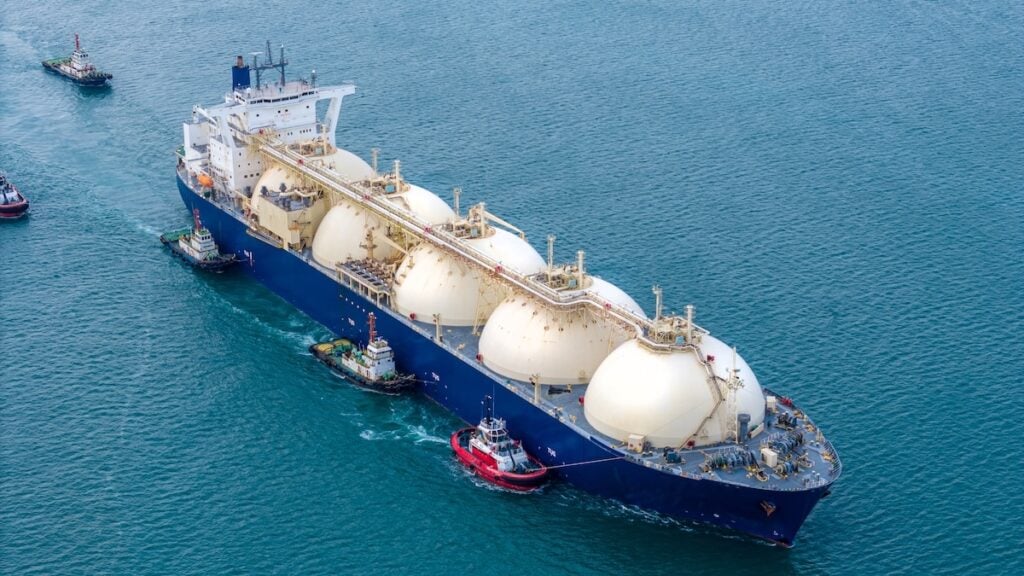
CBL International Completes First LNG Refueling at Xiaomo Port in Shenzhen

- Clean Fuel Milestone: CBL International has completed the first liquefied natural gas (LNG) refueling at Xiaomo Port in Shenzhen, marking the port's inaugural commercial LNG marine refueling and supporting automakers like BYD in lower-emission ocean transport.
- Significant Environmental Impact: LNG can reduce greenhouse gas emissions by approximately 20% compared to conventional marine fuels, producing almost no sulfur oxides or harmful particulate matter, thus aligning with increasingly stringent carbon regulations.
- Cost Advantage: Industry data indicates that LNG often costs 25% to 30% less than heavy fuel oil, providing shipping companies with a more competitive fuel option that helps protect profit margins while complying with new regulations.
- Strategic Expansion: This transaction expands CBL's energy portfolio from biofuels to cleaner gas-based solutions, creating new revenue streams and further solidifying its position as a comprehensive marine energy services partner.
CBL International Completes First LNG Bunkering for BYD at Xiaomo Port
- First LNG Bunkering Operation: CBL International successfully completed its inaugural LNG bunkering operation at Xiaomo Port in Shenzhen, supporting BYD's maritime decarbonization and marking a strategic expansion into sustainable fuel offerings.
- Revenue Diversification: This collaboration not only diversifies CBL's revenue streams but also enhances its market competitiveness amid the global shipping industry's push for decarbonization through partnership with CNOOC.
- Significant Environmental Benefits: LNG serves as a mainstream marine clean energy source, capable of reducing greenhouse gas emissions by approximately 20% and lowering fuel costs by 25%-30%, aligning with FuelEU Maritime and IMO 2030/2050 targets.
- Industry Leadership: As a trusted bunkering service provider for nine of the world's top twelve container liner companies, CBL International showcases its expertise in complex fuel logistics transactions, further solidifying its leadership position in the maritime energy services sector.

CBL International Completes First LNG Bunkering for BYD at Xiaomo Port
- First LNG Bunkering: CBL International successfully completed its inaugural LNG bunkering service at Xiaomo Port in Shenzhen for BYD, marking a significant step in supporting maritime decarbonization and expanding the company's sustainable fuel offerings.
- Partnership Collaboration: The bunkering operation was facilitated in collaboration with China National Offshore Oil Corporation (CNOOC), showcasing CBL's expertise in complex fuel logistics transactions and reinforcing its position as a marine energy services partner.
- Emission Reduction Benefits: LNG serves as a mainstream marine clean energy source, capable of reducing greenhouse gas emissions by approximately 20% and lowering fuel costs by 25%-30%, which is crucial for the global shipping industry's decarbonization efforts.
- Market Expansion: CBL International serves nine of the world's top twelve container liner companies, and with its bunkering services across 65 major ports, it enhances its competitive edge in the Asia-Pacific region.
CBL International Achieves EcoVadis Silver Medal, Ranking in Top 15% Globally
- Sustainability Recognition: CBL International has been awarded the EcoVadis Silver Medal, indicating its performance in Environment, Labor & Human Rights, Ethics, and Sustainable Procurement ranks in the top 15% globally, which not only enhances the company's brand image but also strengthens its competitive position in the sustainable logistics market.
- Significant Sales Growth: In the first half of 2025, CBL reported a 154.7% year-on-year surge in biofuel sales, demonstrating how the company's environmental management success aligns with its business model and sustainability goals.
- Leadership Position Consolidated: CBL's receipt of the Excellent Sustainability Award at the CGMA Annual Awards and the Directors of the Year Award from the Hong Kong Institute of Directors further solidifies its leadership in sustainable maritime logistics, showcasing its influence and commitment within the industry.
- Future Development Plans: CBL plans to further enhance its environmental initiatives, increase social impact programs, and strengthen governance frameworks in alignment with global best practices, ensuring the long-term success of its sustainability strategy.
CBL International Achieves EcoVadis Silver Medal, Ranking in Top 15% Globally
- Sustainability Recognition: CBL International has been awarded the EcoVadis Silver Medal, indicating its outstanding performance across four key areas—Environment, Labor & Human Rights, Ethics, and Sustainable Procurement—placing it in the top 15% of companies globally.
- Significant Sales Growth: In the first half of 2025, CBL reported a remarkable 154.7% year-on-year increase in biofuel sales, demonstrating a successful balance between environmental stewardship and business growth, thereby solidifying its market position.
- Strengthened Leadership: CBL has also received the
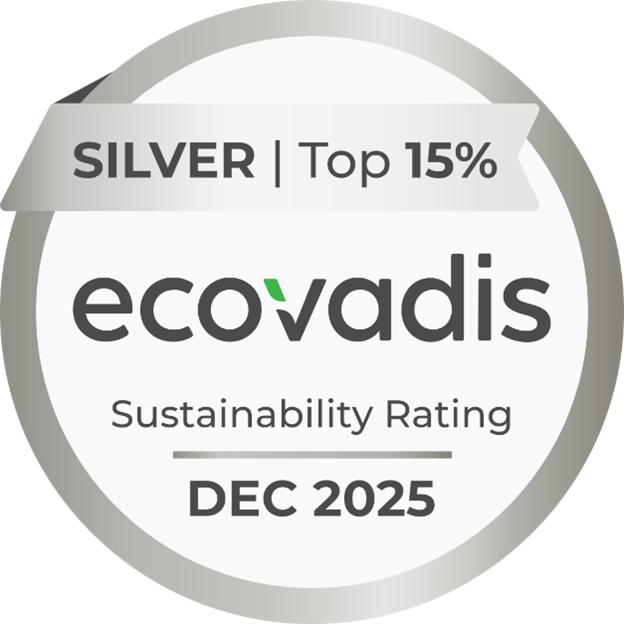
CBL International Limited Earns EcoVadis Silver Medal, Placing in the Top 15% Worldwide for Sustainability Efforts
EcoVadis Silver Medal Achievement: CBL International Limited has been awarded the EcoVadis Silver Medal, placing it in the top 15% of organizations globally for sustainability performance, reflecting its commitment to responsible business practices.
Sustainability Initiatives: The company is advancing its sustainability efforts, including maritime decarbonization through biofuel distribution, and has reported a significant increase in biofuel sales, showcasing the integration of environmental stewardship with business growth.
Recognition and Awards: CBL has received multiple accolades for its sustainability leadership, including the "Excellent Sustainability Award" at the CGMA Annual Awards 2025 and recognition for its CEO, Dr. Teck Lim Chia, at the Directors of the Year Awards.
Future Commitments: CBL plans to enhance its environmental initiatives, social impact programs, and governance frameworks, aligning with global best practices to further strengthen its sustainability performance.
CBL International Completes First LNG Refueling at Xiaomo Port in Shenzhen
- Clean Fuel Milestone: CBL International has completed the first liquefied natural gas (LNG) refueling at Xiaomo Port in Shenzhen, marking the port's inaugural commercial LNG marine refueling and supporting automakers like BYD in lower-emission ocean transport.
- Significant Environmental Impact: LNG can reduce greenhouse gas emissions by approximately 20% compared to conventional marine fuels, producing almost no sulfur oxides or harmful particulate matter, thus aligning with increasingly stringent carbon regulations.
- Cost Advantage: Industry data indicates that LNG often costs 25% to 30% less than heavy fuel oil, providing shipping companies with a more competitive fuel option that helps protect profit margins while complying with new regulations.
- Strategic Expansion: This transaction expands CBL's energy portfolio from biofuels to cleaner gas-based solutions, creating new revenue streams and further solidifying its position as a comprehensive marine energy services partner.
CBL International Completes First LNG Bunkering for BYD at Xiaomo Port
- First LNG Bunkering Operation: CBL International successfully completed its inaugural LNG bunkering operation at Xiaomo Port in Shenzhen, supporting BYD's maritime decarbonization and marking a strategic expansion into sustainable fuel offerings.
- Revenue Diversification: This collaboration not only diversifies CBL's revenue streams but also enhances its market competitiveness amid the global shipping industry's push for decarbonization through partnership with CNOOC.
- Significant Environmental Benefits: LNG serves as a mainstream marine clean energy source, capable of reducing greenhouse gas emissions by approximately 20% and lowering fuel costs by 25%-30%, aligning with FuelEU Maritime and IMO 2030/2050 targets.
- Industry Leadership: As a trusted bunkering service provider for nine of the world's top twelve container liner companies, CBL International showcases its expertise in complex fuel logistics transactions, further solidifying its leadership position in the maritime energy services sector.
CBL International Completes First LNG Bunkering for BYD at Xiaomo Port
- First LNG Bunkering: CBL International successfully completed its inaugural LNG bunkering service at Xiaomo Port in Shenzhen for BYD, marking a significant step in supporting maritime decarbonization and expanding the company's sustainable fuel offerings.
- Partnership Collaboration: The bunkering operation was facilitated in collaboration with China National Offshore Oil Corporation (CNOOC), showcasing CBL's expertise in complex fuel logistics transactions and reinforcing its position as a marine energy services partner.
- Emission Reduction Benefits: LNG serves as a mainstream marine clean energy source, capable of reducing greenhouse gas emissions by approximately 20% and lowering fuel costs by 25%-30%, which is crucial for the global shipping industry's decarbonization efforts.
- Market Expansion: CBL International serves nine of the world's top twelve container liner companies, and with its bunkering services across 65 major ports, it enhances its competitive edge in the Asia-Pacific region.
CBL International Achieves EcoVadis Silver Medal, Ranking in Top 15% Globally
- Sustainability Recognition: CBL International has been awarded the EcoVadis Silver Medal, indicating its performance in Environment, Labor & Human Rights, Ethics, and Sustainable Procurement ranks in the top 15% globally, which not only enhances the company's brand image but also strengthens its competitive position in the sustainable logistics market.
- Significant Sales Growth: In the first half of 2025, CBL reported a 154.7% year-on-year surge in biofuel sales, demonstrating how the company's environmental management success aligns with its business model and sustainability goals.
- Leadership Position Consolidated: CBL's receipt of the Excellent Sustainability Award at the CGMA Annual Awards and the Directors of the Year Award from the Hong Kong Institute of Directors further solidifies its leadership in sustainable maritime logistics, showcasing its influence and commitment within the industry.
- Future Development Plans: CBL plans to further enhance its environmental initiatives, increase social impact programs, and strengthen governance frameworks in alignment with global best practices, ensuring the long-term success of its sustainability strategy.
CBL International Achieves EcoVadis Silver Medal, Ranking in Top 15% Globally
- Sustainability Recognition: CBL International has been awarded the EcoVadis Silver Medal, indicating its outstanding performance across four key areas—Environment, Labor & Human Rights, Ethics, and Sustainable Procurement—placing it in the top 15% of companies globally.
- Significant Sales Growth: In the first half of 2025, CBL reported a remarkable 154.7% year-on-year increase in biofuel sales, demonstrating a successful balance between environmental stewardship and business growth, thereby solidifying its market position.
- Strengthened Leadership: CBL has also received the
CBL International Limited Earns EcoVadis Silver Medal, Placing in the Top 15% Worldwide for Sustainability Efforts
EcoVadis Silver Medal Achievement: CBL International Limited has been awarded the EcoVadis Silver Medal, placing it in the top 15% of organizations globally for sustainability performance, reflecting its commitment to responsible business practices.
Sustainability Initiatives: The company is advancing its sustainability efforts, including maritime decarbonization through biofuel distribution, and has reported a significant increase in biofuel sales, showcasing the integration of environmental stewardship with business growth.
Recognition and Awards: CBL has received multiple accolades for its sustainability leadership, including the "Excellent Sustainability Award" at the CGMA Annual Awards 2025 and recognition for its CEO, Dr. Teck Lim Chia, at the Directors of the Year Awards.
Future Commitments: CBL plans to enhance its environmental initiatives, social impact programs, and governance frameworks, aligning with global best practices to further strengthen its sustainability performance.