Rivian Automotive Agrees to $250 Million Settlement in Securities Class Action Lawsuit
Settlement Agreement: Rivian Automotive Inc. has reached a settlement for the 2022 securities class action litigation, Crews v. Rivian Automotive, Inc., pending in California's federal court.
Denial of Wrongdoing: While Rivian denies the allegations, the company believes settling will allow it to focus on strategic priorities, including the launch of its R2 vehicle in 2026.
Financial Terms: The proposed settlement involves a payment of $250 million to resolve claims from Class A common stock purchasers between November 2021 and March 2022, pending court approval.
Funding Sources: The settlement payment will be covered by $67 million from liability insurance and $183 million from Rivian's cash reserves.
Trade with 70% Backtested Accuracy
Analyst Views on RIVN

About RIVN
About the author

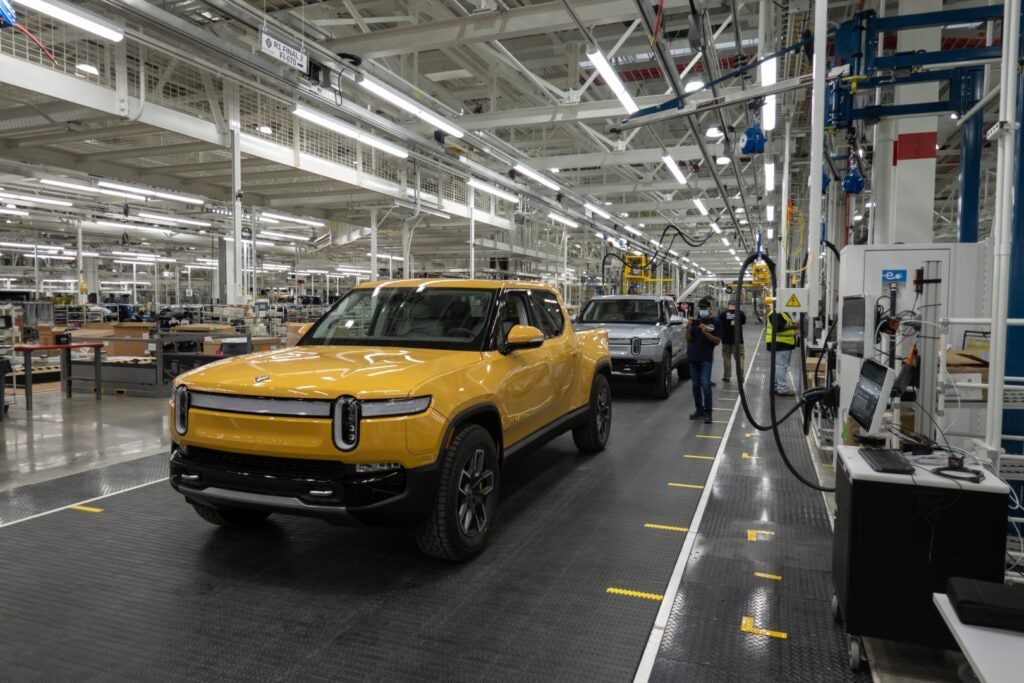
Rivian Automotive's Future Growth Potential Analysis


- Market Size Comparison: Tesla's market capitalization exceeds $1 trillion, while Rivian's stands at just $20 billion, highlighting Rivian's relative disadvantage in the EV market, necessitating new models and strategies to close the gap.
- Sales Growth Expectations: Rivian is projected to achieve sales growth of 30% in 2026 and 66% in 2027, marking a significant rebound after years of stagnation, indicating strong market anticipation for its new models.
- New Model Launch: The upcoming R2 model from Rivian is expected to be priced under $50,000, aligning with the budget of 70% of consumers, which will help boost sales and attract a broader customer base, enhancing market competitiveness.
- AI Investment Strategy: Rivian is aggressively investing in AI technology, planning to develop a proprietary AI chip and
Rivian Stock Undervalued, Future Growth Potential Ahead

- Significant Valuation Gap: Rivian's price-to-sales ratio stands at just 2.9, starkly lower than Tesla's 15.8 and Lucid's 3.3, indicating that its stock is severely undervalued, although this valuation gap is largely justified by market conditions.
- Technological Investment Outlook: Rivian is actively investing in self-driving technology and artificial intelligence, and while it currently lags behind Tesla and major tech firms in financial capacity, its future technological advancements could enhance its competitive position.
- 2026 Growth Expectations: Rivian is expected to launch its first mass-market vehicle, the R2, in 2026, with analysts projecting a conservative 6% sales growth, which seems understated given Tesla's success with affordable models, suggesting Rivian could experience significant growth.
- Market Potential is Huge: With the R2's release, Rivian is poised to break its current growth stagnation, and the market is optimistic about its future growth potential, especially in the increasingly competitive electric vehicle landscape.
Analysis of Rivian's Stock Valuation Appeal
- Significant Valuation Gap: Rivian's price-to-sales ratio stands at just 2.9 times, compared to Tesla's 15.8 times and Lucid's 3.3 times, indicating that its stock is relatively cheap in the electric vehicle market, although this low valuation is somewhat justified.
- Future Growth Potential: Rivian is expected to launch its first mass-market vehicle, the R2, in 2026, which could significantly boost its sales growth rate, even though analysts currently project only a 6% sales growth for 2026, a prediction that seems conservative.
- Technological Investment Disadvantage: While Rivian is making strides in self-driving technology and AI, it lags behind Tesla in financial and technological capabilities, placing it at a disadvantage in the lucrative robotaxi market, which could be worth $5 trillion to $10 trillion.
- Market Competition Landscape: Tesla's strong brand recognition and manufacturing capabilities allow it to invest billions annually in growth opportunities, posing greater challenges for Rivian in terms of market share and technological innovation.

Rivian and CrunchLabs Unveil Exclusive Collaboration
Partnership Announcement: Rivian and Crunch Labs have announced an exclusive partnership aimed at enhancing their collaborative efforts in innovation and technology development.
Focus on Innovation: The partnership will focus on leveraging Rivian's electric vehicle technology alongside Crunch Labs' expertise in product design and engineering.
Goals of the Collaboration: The collaboration aims to create new solutions that will benefit both companies and potentially revolutionize aspects of the automotive and tech industries.
Future Prospects: This partnership is expected to pave the way for future projects and initiatives that align with both companies' visions for sustainable and advanced technology.

Tesla and Rivian's Competitive AI Advantages
- Tesla's AI Investment: Tesla's early investment in artificial intelligence has positioned it ahead in autonomous driving technology, and while consumers have yet to fully experience its potential, the billions invested lay a foundation for future innovations.
- Rivian's Market Opportunity: Rivian expects to start shipments of its first vehicle priced under $50,000 this year, which will allow it to reach tens of millions of new customers, generating significant data for its AI models.
- Competitive Advantage Analysis: Tesla's control over production and access to vast amounts of real-world driving data enable rapid innovation, while Rivian is also striving for vertical integration, planning to produce its own chips to enhance its AI capabilities.
- Investment Strategy Recommendations: Investors should target companies with clear AI investment strategies and the necessary financing, particularly those that can control their supply chains and offer low-priced vehicles to generate substantial real-world data for model training.
Rivian Automotive to Participate in Upcoming Investor Conferences
- Leadership Participation: Rivian Automotive has announced that its leadership team will participate in two upcoming investor conferences, aiming to enhance engagement with investors and showcase the company's long-term vision.
- Electric Vehicle Manufacturer: As an American electric vehicle manufacturer, Rivian focuses on developing and producing innovative technology-driven electric vehicles, committed to accelerating the global transition to zero-emission transportation and energy.
- Lifecycle Services: Rivian offers a full suite of services that address the entire lifecycle of its vehicles, ensuring exceptional performance for both consumer and commercial customers, reflecting the company's commitment to sustainability.
- Environmental Mission: Rivian's electric vehicles are designed not only to serve families and commercial fleets but also to emphasize the mission of preserving the natural world, ensuring that it remains intact for future generations.
Rivian Automotive's Future Growth Potential Analysis
- Market Size Comparison: Tesla's market capitalization exceeds $1 trillion, while Rivian's stands at just $20 billion, highlighting Rivian's relative disadvantage in the EV market, necessitating new models and strategies to close the gap.
- Sales Growth Expectations: Rivian is projected to achieve sales growth of 30% in 2026 and 66% in 2027, marking a significant rebound after years of stagnation, indicating strong market anticipation for its new models.
- New Model Launch: The upcoming R2 model from Rivian is expected to be priced under $50,000, aligning with the budget of 70% of consumers, which will help boost sales and attract a broader customer base, enhancing market competitiveness.
- AI Investment Strategy: Rivian is aggressively investing in AI technology, planning to develop a proprietary AI chip and
Rivian Stock Undervalued, Future Growth Potential Ahead
- Significant Valuation Gap: Rivian's price-to-sales ratio stands at just 2.9, starkly lower than Tesla's 15.8 and Lucid's 3.3, indicating that its stock is severely undervalued, although this valuation gap is largely justified by market conditions.
- Technological Investment Outlook: Rivian is actively investing in self-driving technology and artificial intelligence, and while it currently lags behind Tesla and major tech firms in financial capacity, its future technological advancements could enhance its competitive position.
- 2026 Growth Expectations: Rivian is expected to launch its first mass-market vehicle, the R2, in 2026, with analysts projecting a conservative 6% sales growth, which seems understated given Tesla's success with affordable models, suggesting Rivian could experience significant growth.
- Market Potential is Huge: With the R2's release, Rivian is poised to break its current growth stagnation, and the market is optimistic about its future growth potential, especially in the increasingly competitive electric vehicle landscape.
Analysis of Rivian's Stock Valuation Appeal
- Significant Valuation Gap: Rivian's price-to-sales ratio stands at just 2.9 times, compared to Tesla's 15.8 times and Lucid's 3.3 times, indicating that its stock is relatively cheap in the electric vehicle market, although this low valuation is somewhat justified.
- Future Growth Potential: Rivian is expected to launch its first mass-market vehicle, the R2, in 2026, which could significantly boost its sales growth rate, even though analysts currently project only a 6% sales growth for 2026, a prediction that seems conservative.
- Technological Investment Disadvantage: While Rivian is making strides in self-driving technology and AI, it lags behind Tesla in financial and technological capabilities, placing it at a disadvantage in the lucrative robotaxi market, which could be worth $5 trillion to $10 trillion.
- Market Competition Landscape: Tesla's strong brand recognition and manufacturing capabilities allow it to invest billions annually in growth opportunities, posing greater challenges for Rivian in terms of market share and technological innovation.
Rivian and CrunchLabs Unveil Exclusive Collaboration
Partnership Announcement: Rivian and Crunch Labs have announced an exclusive partnership aimed at enhancing their collaborative efforts in innovation and technology development.
Focus on Innovation: The partnership will focus on leveraging Rivian's electric vehicle technology alongside Crunch Labs' expertise in product design and engineering.
Goals of the Collaboration: The collaboration aims to create new solutions that will benefit both companies and potentially revolutionize aspects of the automotive and tech industries.
Future Prospects: This partnership is expected to pave the way for future projects and initiatives that align with both companies' visions for sustainable and advanced technology.
Tesla and Rivian's Competitive AI Advantages
- Tesla's AI Investment: Tesla's early investment in artificial intelligence has positioned it ahead in autonomous driving technology, and while consumers have yet to fully experience its potential, the billions invested lay a foundation for future innovations.
- Rivian's Market Opportunity: Rivian expects to start shipments of its first vehicle priced under $50,000 this year, which will allow it to reach tens of millions of new customers, generating significant data for its AI models.
- Competitive Advantage Analysis: Tesla's control over production and access to vast amounts of real-world driving data enable rapid innovation, while Rivian is also striving for vertical integration, planning to produce its own chips to enhance its AI capabilities.
- Investment Strategy Recommendations: Investors should target companies with clear AI investment strategies and the necessary financing, particularly those that can control their supply chains and offer low-priced vehicles to generate substantial real-world data for model training.
Rivian Automotive to Participate in Upcoming Investor Conferences
- Leadership Participation: Rivian Automotive has announced that its leadership team will participate in two upcoming investor conferences, aiming to enhance engagement with investors and showcase the company's long-term vision.
- Electric Vehicle Manufacturer: As an American electric vehicle manufacturer, Rivian focuses on developing and producing innovative technology-driven electric vehicles, committed to accelerating the global transition to zero-emission transportation and energy.
- Lifecycle Services: Rivian offers a full suite of services that address the entire lifecycle of its vehicles, ensuring exceptional performance for both consumer and commercial customers, reflecting the company's commitment to sustainability.
- Environmental Mission: Rivian's electric vehicles are designed not only to serve families and commercial fleets but also to emphasize the mission of preserving the natural world, ensuring that it remains intact for future generations.