

CarMax Launches AI-Powered Vehicle Shopping App
Written by Emily J. Thompson, Senior Investment Analyst
Updated: 3 days ago
0mins
Should l Buy KMX?
Source: seekingalpha
- App Innovation: CarMax's newly launched app features an AI-powered search engine that enhances the vehicle shopping experience, allowing customers to conduct more personalized searches based on their specific needs, which is expected to attract more user engagement.
- Competitive Edge: Similar to Carvana's 'Shaqbot', this app leverages generative AI technology combined with CarMax's inventory information to streamline the car buying and selling process, thereby enhancing customer satisfaction and market competitiveness.
- Market Reaction: Following the app's launch, CarMax shares turned positive on Friday, indicating a favorable response from investors towards the company's innovative initiatives, which may improve its market performance.
- Strategic Implications: By introducing this app, CarMax not only enhances its technological capabilities but also demonstrates its commitment to digital transformation, aiming to improve customer experience and drive future growth through technological innovation.
Trade with 70% Backtested Accuracy
Stop guessing "Should I Buy KMX?" and start using high-conviction signals backed by rigorous historical data.
Sign up today to access powerful investing tools and make smarter, data-driven decisions.
Analyst Views on KMX
Wall Street analysts forecast KMX stock price to fall
13 Analyst Rating
0 Buy
10 Hold
3 Sell
Hold
Current: 43.170

Low
24.00
Averages
33.60
High
37.00
Current: 43.170
Low
24.00
Averages
33.60
High
37.00
About KMX
CarMax, Inc. is a retailer of used autos. The Company operates through two segments: CarMax Sales Operations and CarMax Auto Finance (CAF). The CarMax Sales Operations segment consists of all aspects of its auto merchandising and service operations. The CarMax Sales Operations segment sells used vehicles, purchases used vehicles from customers and other sources, sells related products and services, and arranges financing options for customers. The CAF segment consists solely of its own finance operation that provides financing for customers buying retail vehicles from the Company. The CAF segment also services all auto loans, it originates and is responsible for providing billing statements, collecting payments, maintaining contact with delinquent customers, and arranging for the repossession of vehicles securing defaulted loans. It provides customers with a range of other related products and services, including extended protection plan (EPP) products and vehicle repair services.
About the author

Emily J. Thompson
Emily J. Thompson, a Chartered Financial Analyst (CFA) with 12 years in investment research, graduated with honors from the Wharton School. Specializing in industrial and technology stocks, she provides in-depth analysis for Intellectia’s earnings and market brief reports.

CarMax Under Investigation Following Poor Q2 Results

- Declining Financial Performance: CarMax's Q2 FY2026 results, announced on September 25, 2025, revealed a 5.4% drop in retail unit sales, a 6.3% decline in comparable store sales, and a 2.2% decrease in wholesale units, with net earnings per diluted share falling to $0.64 from $0.85 a year ago, indicating significant sales pressure and declining profitability.
- Significant Net Income Drop: The company's net income for the second quarter was approximately $95.4 million, down 28.1% from $132.8 million in the prior year, raising concerns among investors about the company's future profitability and potentially impacting stock performance.
- Executive Departure Impact: On November 6, 2025, CarMax unexpectedly announced the departure of its CEO and issued a weak preliminary outlook for Q3, which may further undermine market confidence in the company's management and lead to shareholder concerns regarding corporate governance.
- Securities Litigation Risk: CarMax and its executives are facing a class action lawsuit for failing to disclose material information as required by securities laws, with KSF investigating whether the company's officers breached their fiduciary duties to shareholders, potentially exposing the company to legal and financial risks.
See More

CarMax Launches AI-Powered Vehicle Shopping App
- App Innovation: CarMax's newly launched app features an AI-powered search engine that enhances the vehicle shopping experience, allowing customers to conduct more personalized searches based on their specific needs, which is expected to attract more user engagement.
- Competitive Edge: Similar to Carvana's 'Shaqbot', this app leverages generative AI technology combined with CarMax's inventory information to streamline the car buying and selling process, thereby enhancing customer satisfaction and market competitiveness.
- Market Reaction: Following the app's launch, CarMax shares turned positive on Friday, indicating a favorable response from investors towards the company's innovative initiatives, which may improve its market performance.
- Strategic Implications: By introducing this app, CarMax not only enhances its technological capabilities but also demonstrates its commitment to digital transformation, aiming to improve customer experience and drive future growth through technological innovation.
See More

CarMax Launches First ChatGPT App for Car Shopping
- Pioneering App: CarMax becomes the first U.S. auto retailer to launch a car shopping app in the ChatGPT app store, providing access to over 45,000 vehicles nationwide, thereby meeting consumer demand for AI-driven shopping experiences and enhancing customer satisfaction and market competitiveness.
- Convenient Shopping Experience: The new app allows users to search for cars using natural language, quickly obtaining vehicle information and offers, simplifying the car buying process, and is expected to attract more users to the CarMax platform, driving sales growth.
- AI Technology Integration: CarMax's embedded virtual assistant Skye manages tens of thousands of customer conversations weekly, and by combining this with ChatGPT's conversational capabilities, it further enhances customer service quality and strengthens brand loyalty.
- Market Expansion Strategy: CarMax plans to expand within the AI ecosystem by evaluating user engagement, showcasing its innovative leadership in the auto retail industry, and aims to enhance customer experience and market share through technology.
See More

Automakers Warn of Rising Prices Due to Tariffs


- Tariff Impact Intensifies: Sonic Automotive President Jeff Dyke warns that unsustainable tariff costs will lead automakers to either raise prices or cut features, indicating a pressing urgency within the industry and potential future price pressures.
- Limited Price Fluctuations: Despite only a 1% increase in vehicle prices since the Trump administration's tariffs, analyst Jessica Caldwell notes a surge in used vehicle demand as consumers anticipate new car price hikes, highlighting market sensitivity to pricing changes.
- Toyota's Financial Strain: Toyota reported a 25% drop in net income for the first nine months of fiscal year 2026, with tariffs costing approximately 1.2 trillion yen (around $8 billion), underscoring the significant impact of tariffs on major automakers and their profitability.
- Future Production Adjustments: Toyota may consider relocating some production back to the U.S. based on the outcomes of U.S.-Mexico-Canada trade negotiations, particularly for its Tacoma pickup made in Mexico, reflecting the company's strategic flexibility in addressing tariff challenges.
See More
CarMax Settles for $420K in Damages Amid Allegations
- Settlement Payment: CarMax will pay at least $420,000 in damages to servicemembers and a civil penalty of $79,380 to the U.S. to resolve allegations of illegally repossessing military-owned vehicles, which could have long-term implications for the company's reputation.
- Sales Decline: In Q3 of fiscal year 2026, CarMax reported an 8% drop in retail used unit sales and a 9% decline in comparable store used unit sales, indicating challenges in a competitive market that may impact future profitability.
- Executive Changes: CarMax appointed Keith Barr, former CEO of InterContinental Hotels Group, as the new President and CEO effective March 16, which may influence the company's strategic direction and market performance.
- Stock Price Reaction: Following the DOJ's announcement of the settlement, CarMax's shares fell 5%, and the stock has dropped 49% over the past 12 months, reflecting investor concerns about the company's future outlook.
See More
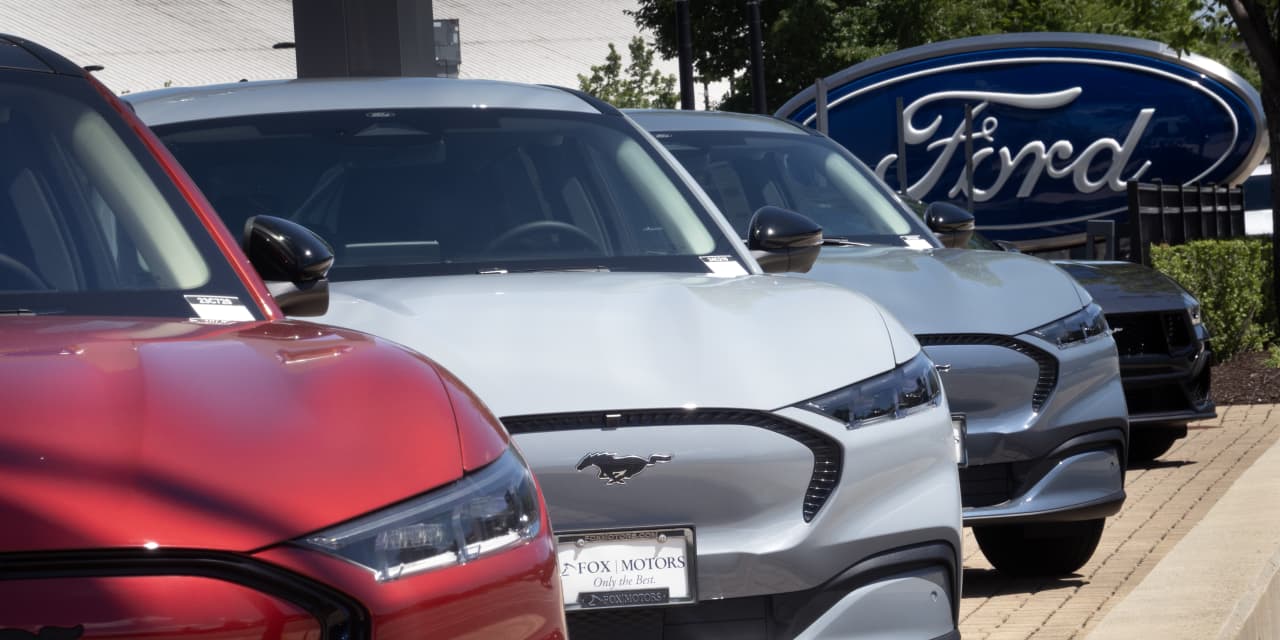
U.S. Automotive Industry Faces Spring Test Amid Tax Season

- Tax Impact on Buying Intent: With tax season underway, the average tax refund for Americans is projected to rise by 10.9% to $2,290, potentially encouraging consumers priced out of the new vehicle market to reconsider purchases, thereby offering a short-term sales boost for the automotive industry.
- Historical Sales Trends: March is typically a peak month for U.S. vehicle sales, averaging 9.1% of annual new vehicle sales over the past 12 years, second only to December at 9.3%, suggesting that tax changes could drive a rebound in sales during this critical period.
- Loan Condition Changes: Despite current federal interest rates between 3.5% and 3.75%, leading to higher financing costs, consumers are agreeing to longer-term loans, with Carmax reporting an average monthly payment of $772 for new vehicles, reflecting buyers' adaptive strategies in a high-price environment.
- Low Consumer Confidence: Even with additional tax funds, consumer confidence fell to 84.5 in January, the lowest since May 2014, indicating that high prices and a weakening labor market negatively impact purchasing decisions, leaving buying intent under significant pressure.
See More
CarMax Under Investigation Following Poor Q2 Results
- Declining Financial Performance: CarMax's Q2 FY2026 results, announced on September 25, 2025, revealed a 5.4% drop in retail unit sales, a 6.3% decline in comparable store sales, and a 2.2% decrease in wholesale units, with net earnings per diluted share falling to $0.64 from $0.85 a year ago, indicating significant sales pressure and declining profitability.
- Significant Net Income Drop: The company's net income for the second quarter was approximately $95.4 million, down 28.1% from $132.8 million in the prior year, raising concerns among investors about the company's future profitability and potentially impacting stock performance.
- Executive Departure Impact: On November 6, 2025, CarMax unexpectedly announced the departure of its CEO and issued a weak preliminary outlook for Q3, which may further undermine market confidence in the company's management and lead to shareholder concerns regarding corporate governance.
- Securities Litigation Risk: CarMax and its executives are facing a class action lawsuit for failing to disclose material information as required by securities laws, with KSF investigating whether the company's officers breached their fiduciary duties to shareholders, potentially exposing the company to legal and financial risks.
See More
CarMax Launches AI-Powered Vehicle Shopping App
- App Innovation: CarMax's newly launched app features an AI-powered search engine that enhances the vehicle shopping experience, allowing customers to conduct more personalized searches based on their specific needs, which is expected to attract more user engagement.
- Competitive Edge: Similar to Carvana's 'Shaqbot', this app leverages generative AI technology combined with CarMax's inventory information to streamline the car buying and selling process, thereby enhancing customer satisfaction and market competitiveness.
- Market Reaction: Following the app's launch, CarMax shares turned positive on Friday, indicating a favorable response from investors towards the company's innovative initiatives, which may improve its market performance.
- Strategic Implications: By introducing this app, CarMax not only enhances its technological capabilities but also demonstrates its commitment to digital transformation, aiming to improve customer experience and drive future growth through technological innovation.
See More
CarMax Launches First ChatGPT App for Car Shopping
- Pioneering App: CarMax becomes the first U.S. auto retailer to launch a car shopping app in the ChatGPT app store, providing access to over 45,000 vehicles nationwide, thereby meeting consumer demand for AI-driven shopping experiences and enhancing customer satisfaction and market competitiveness.
- Convenient Shopping Experience: The new app allows users to search for cars using natural language, quickly obtaining vehicle information and offers, simplifying the car buying process, and is expected to attract more users to the CarMax platform, driving sales growth.
- AI Technology Integration: CarMax's embedded virtual assistant Skye manages tens of thousands of customer conversations weekly, and by combining this with ChatGPT's conversational capabilities, it further enhances customer service quality and strengthens brand loyalty.
- Market Expansion Strategy: CarMax plans to expand within the AI ecosystem by evaluating user engagement, showcasing its innovative leadership in the auto retail industry, and aims to enhance customer experience and market share through technology.
See More
Automakers Warn of Rising Prices Due to Tariffs
- Tariff Impact Intensifies: Sonic Automotive President Jeff Dyke warns that unsustainable tariff costs will lead automakers to either raise prices or cut features, indicating a pressing urgency within the industry and potential future price pressures.
- Limited Price Fluctuations: Despite only a 1% increase in vehicle prices since the Trump administration's tariffs, analyst Jessica Caldwell notes a surge in used vehicle demand as consumers anticipate new car price hikes, highlighting market sensitivity to pricing changes.
- Toyota's Financial Strain: Toyota reported a 25% drop in net income for the first nine months of fiscal year 2026, with tariffs costing approximately 1.2 trillion yen (around $8 billion), underscoring the significant impact of tariffs on major automakers and their profitability.
- Future Production Adjustments: Toyota may consider relocating some production back to the U.S. based on the outcomes of U.S.-Mexico-Canada trade negotiations, particularly for its Tacoma pickup made in Mexico, reflecting the company's strategic flexibility in addressing tariff challenges.
See More
CarMax Settles for $420K in Damages Amid Allegations
- Settlement Payment: CarMax will pay at least $420,000 in damages to servicemembers and a civil penalty of $79,380 to the U.S. to resolve allegations of illegally repossessing military-owned vehicles, which could have long-term implications for the company's reputation.
- Sales Decline: In Q3 of fiscal year 2026, CarMax reported an 8% drop in retail used unit sales and a 9% decline in comparable store used unit sales, indicating challenges in a competitive market that may impact future profitability.
- Executive Changes: CarMax appointed Keith Barr, former CEO of InterContinental Hotels Group, as the new President and CEO effective March 16, which may influence the company's strategic direction and market performance.
- Stock Price Reaction: Following the DOJ's announcement of the settlement, CarMax's shares fell 5%, and the stock has dropped 49% over the past 12 months, reflecting investor concerns about the company's future outlook.
See More
U.S. Automotive Industry Faces Spring Test Amid Tax Season
- Tax Impact on Buying Intent: With tax season underway, the average tax refund for Americans is projected to rise by 10.9% to $2,290, potentially encouraging consumers priced out of the new vehicle market to reconsider purchases, thereby offering a short-term sales boost for the automotive industry.
- Historical Sales Trends: March is typically a peak month for U.S. vehicle sales, averaging 9.1% of annual new vehicle sales over the past 12 years, second only to December at 9.3%, suggesting that tax changes could drive a rebound in sales during this critical period.
- Loan Condition Changes: Despite current federal interest rates between 3.5% and 3.75%, leading to higher financing costs, consumers are agreeing to longer-term loans, with Carmax reporting an average monthly payment of $772 for new vehicles, reflecting buyers' adaptive strategies in a high-price environment.
- Low Consumer Confidence: Even with additional tax funds, consumer confidence fell to 84.5 in January, the lowest since May 2014, indicating that high prices and a weakening labor market negatively impact purchasing decisions, leaving buying intent under significant pressure.
See More




