Cambricon, Nvidia's competitor in China, reports 4,000% growth — but temper your enthusiasm.
Written by Emily J. Thompson, Senior Investment Analyst
Updated: Aug 27 2025
0mins

Should l Buy TSM?
Source: MarketWatch
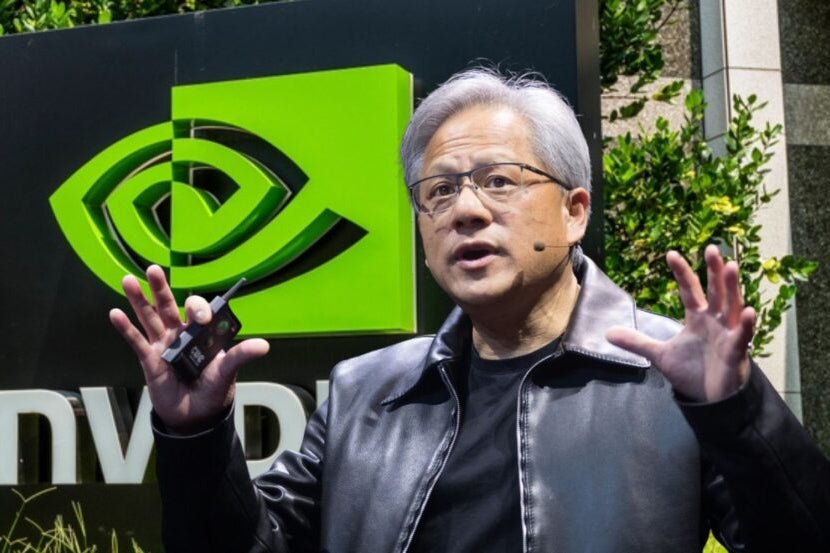
Nvidia Earnings Report: Nvidia Corp. was about to announce its earnings when news broke of a significant competitor's growth.
Cambricon Technologies Growth: Cambricon Technologies, a lesser-known Chinese chip maker, reported impressive revenue growth.
Market Attention: Despite lacking the recognition and scale of Nvidia, Cambricon is gaining investor interest due to its financial performance.
Industry Implications: The surge in revenue from Cambricon highlights emerging competition in the semiconductor industry, particularly from China.
Trade with 70% Backtested Accuracy
Stop guessing "Should I Buy TSM?" and start using high-conviction signals backed by rigorous historical data.
Sign up today to access powerful investing tools and make smarter, data-driven decisions.
Analyst Views on TSM
Wall Street analysts forecast TSM stock price to fall
8 Analyst Rating
7 Buy
1 Hold
0 Sell
Strong Buy
Current: 353.130

Low
63.24
Averages
313.46
High
390.00
Current: 353.130
Low
63.24
Averages
313.46
High
390.00
About TSM
Taiwan Semiconductor Manufacturing Co Ltd is a Taiwan-based integrated circuit foundry service provider. The Company is primarily engaged in integrated circuit manufacturing services. It offers advanced process technologies, specialised process solutions, advanced photomask and silicon stacking, and packaging-related technologies, while supporting a comprehensive design ecosystem. The Company's products serve diverse electronic sectors including artificial intelligence, high-performance computing, wired and wireless communications, automotive and industrial equipment, personal computing, information applications, consumer electronics, smart internet of things, and wearable devices.
About the author

Emily J. Thompson
Emily J. Thompson, a Chartered Financial Analyst (CFA) with 12 years in investment research, graduated with honors from the Wharton School. Specializing in industrial and technology stocks, she provides in-depth analysis for Intellectia’s earnings and market brief reports.

Intel Shares Surge Following Positive CFO Remarks at Tech Conference


- Stock Surge: Intel shares rose 6.1% on Wednesday to $45.97, with a market cap of $215 billion, driven by a rebound in tech and AI stocks, alongside positive remarks from CFO David Zinsner at a tech conference.
- Yield Improvement: Zinsner disclosed that Intel is making yield ramp improvements for its critical 18A node, exceeding internal projections, which is crucial for competing with Taiwan Semiconductor Manufacturing and could attract external customers to its foundry services.
- External Customer Interest: With positive feedback on the 18A product, Panther Lake, Zinsner noted that external foundry customers are now considering the 18AP node, potentially accelerating Intel's ambitions to serve outside chipmakers and enhancing its market position.
- Reviving Server Demand: Zinsner also highlighted a resurgence in server CPU demand driven by agentic inference applications, providing strong support for Intel's future growth, with expectations for improved foundry margins throughout the year, further solidifying the company's financial outlook.
See More

Semiconductor Stocks Rebound as Investors Reassess Risks


- Market Rebound: Semiconductor stocks rebounded on Wednesday after several days of steep losses, as investors reassessed geopolitical risks and tech-sector volatility, indicating a subtle shift in market sentiment.
- Earnings Report Impact: Despite Nvidia reporting strong earnings, investor focus remained on AI profitability, heavy capital spending, and macroeconomic pressures, reflecting ongoing caution about future uncertainties in the sector.
- Investor Advice: CNBC's Jim Cramer advised investors to remain calm amid sharp market swings and avoid panic selling, emphasizing that there are no fundamental issues in the memory sector and urging patience for potential market rebounds.
- Billionaire Buy-In: Billionaire Leo KoGuan purchased 1 million shares of Nvidia on Tuesday, signaling strong confidence in the future of artificial intelligence, and plans to buy more, demonstrating support for the market and optimism about the AI industry.
See More
Druckenmiller Cuts Pharma and Semiconductor Holdings

- Selling Top Performers: In his latest 13F filing, Druckenmiller reduced his stake in Teva Pharmaceuticals by 10,719,065 shares, a 65% cut, and also sold 222,000 shares of Taiwan Semiconductor Manufacturing (TSMC), a 29% reduction, indicating a cautious outlook on the future performance of these stocks.
- Teva's Financial Improvement: Under CEO Richard Francis, Teva has focused on high-margin novel drug development, leading to significant sales growth, with its stock price doubling since Druckenmiller's initial investment in Q3 2024, reflecting improved financial flexibility after years of cost-cutting and asset sales.
- TSMC's AI Advantage: TSMC, the world's leading chip fabricator, has also seen its stock price double since Druckenmiller opened a position, benefiting from its chip technology being a staple in AI-accelerated data centers, highlighting its critical role in the rapidly evolving tech landscape.
- New Investment Focus: Druckenmiller's 13F report revealed a purchase of 5,495,600 shares of the State Street Financial Select Sector SPDR ETF (XLF), making it his fund's second-largest holding, signaling optimism about the U.S. economic recovery, despite the Federal Reserve's easing cycle since September 2024, which could impact financial stocks' performance.
See More

Druckenmiller Reduces Stakes in Pharma and Semiconductor Stocks
- Pharmaceutical Stake Reduction: Druckenmiller cut his stake in Teva Pharmaceuticals by 10,719,065 shares, a 65% reduction, reflecting a profit-taking strategy after significant stock appreciation, indicating a cautious outlook on the pharmaceutical sector's future.
- Semiconductor Stake Cut: He also reduced his position in Taiwan Semiconductor by 222,000 shares, a 29% decrease, likely due to concerns over the stock's overheated performance amid the AI revolution, showcasing his sensitivity to market fluctuations.
- ETF Investment Increase: Druckenmiller purchased 5,495,600 shares of the State Street Financial Select Sector SPDR ETF, making it the fund's second-largest holding, signaling optimism about the U.S. economic recovery, particularly as rising interest rates could enhance financial sector profitability.
- Portfolio Dynamics: With an average holding period of 7.5 months for securities in his portfolio, Druckenmiller demonstrates a flexible investment strategy and rapid responsiveness to market changes, suggesting a keen awareness of future market trends.
See More

TSMC Shares Drop Amid Market Risk Aversion
- Stock Price Decline: TSMC (NYSE:TSM) shares fell about 5% on Tuesday, with analysts attributing this movement to broader market risk aversion and geopolitical uncertainty rather than any new company-specific announcements.
- Market Volatility: The decline coincides with heightened investor caution in U.S. equity futures and wider markets, particularly as tensions in the Middle East persist, prompting some traders to reduce exposure to cyclical and technology-linked assets.
- Profit-Taking: Analysts noted that the recent strong performance of TSMC's stock, which approached record highs, likely led to profit-taking, contributing to the stock's drop rather than fresh corporate filings.
- Geopolitical Risks: The sell-off in TSMC shares also reflects broader concerns over geopolitical risks associated with Taiwan's crucial role in global chip supply chains, where any potential disruption is viewed as a significant market vulnerability.
See More
TSMC Stock Continues Decline Amid AI Profitability Concerns

- Market Sentiment Decline: TSMC's stock (NYSE:TSM) fell 4.21% to $353.58 on Tuesday, reflecting investor concerns about AI profitability and macroeconomic pressures, despite Nvidia (NASDAQ:NVDA) reporting strong earnings.
- Accelerated Tech Innovation: While stock prices are down, the semiconductor industry is rapidly advancing AI cost-effectiveness, with TSMC, a leading user of ASML's EUV technology, striving to enhance production efficiency to tackle market challenges.
- Infrastructure Investment: At the 2026 Mobile World Congress, Broadcom (NASDAQ:AVGO) launched its new VMware Telco Cloud Platform 9, designed to help mobile providers run both 5G and AI services on the same hardware, significantly reducing electricity and equipment costs, with TSMC supplying high-performance chips.
- AI Ecosystem Development: Despite market volatility, Nvidia remains the cornerstone of global AI infrastructure, with Supermicro aligning its hardware with Nvidia's designs to help global carriers transform traditional cell towers into intelligent AI hubs, further solidifying TSMC's position in the high-performance AI server market.
See More
Intel Shares Surge Following Positive CFO Remarks at Tech Conference
- Stock Surge: Intel shares rose 6.1% on Wednesday to $45.97, with a market cap of $215 billion, driven by a rebound in tech and AI stocks, alongside positive remarks from CFO David Zinsner at a tech conference.
- Yield Improvement: Zinsner disclosed that Intel is making yield ramp improvements for its critical 18A node, exceeding internal projections, which is crucial for competing with Taiwan Semiconductor Manufacturing and could attract external customers to its foundry services.
- External Customer Interest: With positive feedback on the 18A product, Panther Lake, Zinsner noted that external foundry customers are now considering the 18AP node, potentially accelerating Intel's ambitions to serve outside chipmakers and enhancing its market position.
- Reviving Server Demand: Zinsner also highlighted a resurgence in server CPU demand driven by agentic inference applications, providing strong support for Intel's future growth, with expectations for improved foundry margins throughout the year, further solidifying the company's financial outlook.
See More
Semiconductor Stocks Rebound as Investors Reassess Risks
- Market Rebound: Semiconductor stocks rebounded on Wednesday after several days of steep losses, as investors reassessed geopolitical risks and tech-sector volatility, indicating a subtle shift in market sentiment.
- Earnings Report Impact: Despite Nvidia reporting strong earnings, investor focus remained on AI profitability, heavy capital spending, and macroeconomic pressures, reflecting ongoing caution about future uncertainties in the sector.
- Investor Advice: CNBC's Jim Cramer advised investors to remain calm amid sharp market swings and avoid panic selling, emphasizing that there are no fundamental issues in the memory sector and urging patience for potential market rebounds.
- Billionaire Buy-In: Billionaire Leo KoGuan purchased 1 million shares of Nvidia on Tuesday, signaling strong confidence in the future of artificial intelligence, and plans to buy more, demonstrating support for the market and optimism about the AI industry.
See More
Druckenmiller Cuts Pharma and Semiconductor Holdings
- Selling Top Performers: In his latest 13F filing, Druckenmiller reduced his stake in Teva Pharmaceuticals by 10,719,065 shares, a 65% cut, and also sold 222,000 shares of Taiwan Semiconductor Manufacturing (TSMC), a 29% reduction, indicating a cautious outlook on the future performance of these stocks.
- Teva's Financial Improvement: Under CEO Richard Francis, Teva has focused on high-margin novel drug development, leading to significant sales growth, with its stock price doubling since Druckenmiller's initial investment in Q3 2024, reflecting improved financial flexibility after years of cost-cutting and asset sales.
- TSMC's AI Advantage: TSMC, the world's leading chip fabricator, has also seen its stock price double since Druckenmiller opened a position, benefiting from its chip technology being a staple in AI-accelerated data centers, highlighting its critical role in the rapidly evolving tech landscape.
- New Investment Focus: Druckenmiller's 13F report revealed a purchase of 5,495,600 shares of the State Street Financial Select Sector SPDR ETF (XLF), making it his fund's second-largest holding, signaling optimism about the U.S. economic recovery, despite the Federal Reserve's easing cycle since September 2024, which could impact financial stocks' performance.
See More
Druckenmiller Reduces Stakes in Pharma and Semiconductor Stocks
- Pharmaceutical Stake Reduction: Druckenmiller cut his stake in Teva Pharmaceuticals by 10,719,065 shares, a 65% reduction, reflecting a profit-taking strategy after significant stock appreciation, indicating a cautious outlook on the pharmaceutical sector's future.
- Semiconductor Stake Cut: He also reduced his position in Taiwan Semiconductor by 222,000 shares, a 29% decrease, likely due to concerns over the stock's overheated performance amid the AI revolution, showcasing his sensitivity to market fluctuations.
- ETF Investment Increase: Druckenmiller purchased 5,495,600 shares of the State Street Financial Select Sector SPDR ETF, making it the fund's second-largest holding, signaling optimism about the U.S. economic recovery, particularly as rising interest rates could enhance financial sector profitability.
- Portfolio Dynamics: With an average holding period of 7.5 months for securities in his portfolio, Druckenmiller demonstrates a flexible investment strategy and rapid responsiveness to market changes, suggesting a keen awareness of future market trends.
See More
TSMC Shares Drop Amid Market Risk Aversion
- Stock Price Decline: TSMC (NYSE:TSM) shares fell about 5% on Tuesday, with analysts attributing this movement to broader market risk aversion and geopolitical uncertainty rather than any new company-specific announcements.
- Market Volatility: The decline coincides with heightened investor caution in U.S. equity futures and wider markets, particularly as tensions in the Middle East persist, prompting some traders to reduce exposure to cyclical and technology-linked assets.
- Profit-Taking: Analysts noted that the recent strong performance of TSMC's stock, which approached record highs, likely led to profit-taking, contributing to the stock's drop rather than fresh corporate filings.
- Geopolitical Risks: The sell-off in TSMC shares also reflects broader concerns over geopolitical risks associated with Taiwan's crucial role in global chip supply chains, where any potential disruption is viewed as a significant market vulnerability.
See More
TSMC Stock Continues Decline Amid AI Profitability Concerns
- Market Sentiment Decline: TSMC's stock (NYSE:TSM) fell 4.21% to $353.58 on Tuesday, reflecting investor concerns about AI profitability and macroeconomic pressures, despite Nvidia (NASDAQ:NVDA) reporting strong earnings.
- Accelerated Tech Innovation: While stock prices are down, the semiconductor industry is rapidly advancing AI cost-effectiveness, with TSMC, a leading user of ASML's EUV technology, striving to enhance production efficiency to tackle market challenges.
- Infrastructure Investment: At the 2026 Mobile World Congress, Broadcom (NASDAQ:AVGO) launched its new VMware Telco Cloud Platform 9, designed to help mobile providers run both 5G and AI services on the same hardware, significantly reducing electricity and equipment costs, with TSMC supplying high-performance chips.
- AI Ecosystem Development: Despite market volatility, Nvidia remains the cornerstone of global AI infrastructure, with Supermicro aligning its hardware with Nvidia's designs to help global carriers transform traditional cell towers into intelligent AI hubs, further solidifying TSMC's position in the high-performance AI server market.
See More