Blue Owl Capital Restricts Withdrawals, Sparks Concerns
Written by Emily J. Thompson, Senior Investment Analyst
Updated: Feb 20 2026
0mins


Should l Buy ARCC?
Source: CNBC
- Withdrawal Restrictions: Blue Owl Capital's announcement to permanently restrict withdrawals from its retail debt fund led to a nearly 6% drop in its stock price on Thursday, raising concerns about potential stress in the private credit sector.
- Asset Sale Impact: The firm sold $1.4 billion in loan assets from three private debt funds, particularly from the Blue Owl Capital Corporation II aimed at U.S. retail investors, which will cease quarterly redemption options, potentially signaling a bursting market bubble.
- Increasing Market Risks: Research indicates that institutional ownership of publicly traded business development companies (BDCs) has steadily declined to about 25% by 2023, highlighting the growing role of retail investors in providing equity capital, which may increase market fragility.
- Rising Default Risks: As investor unease grows over AI tools disrupting traditional enterprise software models, concerns in private credit have resurfaced, with market watchers warning of significant defaults ahead, particularly among high-yield loans.
Trade with 70% Backtested Accuracy
Stop guessing "Should I Buy ARCC?" and start using high-conviction signals backed by rigorous historical data.
Sign up today to access powerful investing tools and make smarter, data-driven decisions.
Analyst Views on ARCC
Wall Street analysts forecast ARCC stock price to rise
4 Analyst Rating
4 Buy
0 Hold
0 Sell
Strong Buy
Current: 18.620

Low
20.00
Averages
21.75
High
23.00
Current: 18.620
Low
20.00
Averages
21.75
High
23.00
About ARCC
Ares Capital Corporation is a specialty finance company focused on providing direct loans and other investments in private middle market companies in the United States. The Company invests primarily in first lien senior secured loans (including unitranche loans, which are loans that combine both senior and subordinated debt, generally in a first lien position), and second lien senior secured loans. In addition to senior secured loans, it also invests in subordinated debt, which in some cases includes an equity component, and preferred equity. It also may invest up to 30% of its portfolio in non-qualifying assets. Its investment activities are focused on industries, such as software and services, health care services, commercial and professional services, financial services, commercial and professional services, insurance services, energy, food and beverage and others. The Company is externally managed by Ares Capital Management LLC (investment adviser).
About the author

Emily J. Thompson
Emily J. Thompson, a Chartered Financial Analyst (CFA) with 12 years in investment research, graduated with honors from the Wharton School. Specializing in industrial and technology stocks, she provides in-depth analysis for Intellectia’s earnings and market brief reports.

Stocks May Face Extended Winter of Discontent Beyond the Season, Along with BDC Investment Picks.


Current Sentiment: The present is marked by a sense of discontent and dissatisfaction.
Future Concerns: There is a prevailing anxiety about a potentially dystopian future.
See More
SRLN's Performance May Signal Stock Market Trends


- ETF Asset Size: The State Street Blackstone Senior Loan ETF (SRLN) manages $5.6 billion in assets and aims to provide stable income by investing at least 80% of its net assets in senior loans, yet its low profile may affect investor confidence.
- Technical Indicator Warning: SRLN recently fell below its 200-day moving average, and if it fails to recover, it could signal larger declines in the stock market, as historical data shows such breaks often precede significant sell-offs.
- Increased Market Volatility: Concerns over potential issues in private credit and major tech companies overspending on AI have led to heightened market volatility, with direct lender Blue Owl Capital tumbling over 24% this year.
- Inflation Data Impact: Following the release of much hotter-than-expected January U.S. wholesale inflation data, stocks struggled, with Hartnett warning that breaks of key levels may indicate an impending “proper flush” in risk assets.
See More
Global M&A Activity Surges in 2025


- M&A Activity Rebound: Global M&A deal value surged to $4.9 trillion in 2025, marking a 40% increase and the second-highest level since 2021, reflecting strong market demand and confidence in large transactions.
- Funding Squeeze Impact: Despite strong appetite for deals, the proportion of capital allocated to M&A hit a 30-year low in 2025, forcing companies to be more selective in their transaction choices to ensure clear returns on investment.
- AI-Driven Transactions: Over 73% of the increase in deal value came from mega-deals valued at over $5 billion, highlighting the significant impact of AI-related demand on the M&A market, with expectations for continued large transactions in 2026.
- Private Equity Dominance: Private equity accounts for approximately 40% of global M&A activity, as firms actively seek investment opportunities amid changing capital markets, driving increased transaction activity.
See More

Deutsche Bank Downgrades Blue Owl Capital Rating

- Rating Downgrade: Deutsche Bank analyst Brian Bedell downgraded Blue Owl Capital's stock from buy to hold and slashed the price target from $15 to $10, indicating a 4% downside, reflecting concerns over the company's future profitability.
- Stock Volatility: Blue Owl's shares have plummeted 52% over the past 12 months and 30% this year, primarily due to an overall sell-off in the private credit market, exacerbated by fears surrounding exposure to software industry loans.
- Liquidity Restrictions: The company permanently restricted withdrawals from its retail debt fund amid plans to wind down the portfolio, further intensifying market concerns about its liquidity, leading to a 2% drop in stock price on Tuesday morning.
- Growth Outlook: While Bedell noted that management has diversified Blue Owl over the past two to three years, enhancing its growth outlook, he believes the stock is fairly valued at current levels and lacks near-term catalysts for price advancement.
See More

Private Credit Faces Serious Test Amid $3 Trillion Boom

- Crisis Signals: The private credit market, having experienced a $3 trillion boom, is facing systemic risks as Blue Owl Capital's decision to permanently halt redemptions for its $1.6 billion OBDC II fund exposes vulnerabilities, indicating not just corporate issues but a warning for the entire non-bank financial ecosystem.
- Bankruptcy Wave: The bankruptcies of Tricolor and First Brands in September 2025 heightened concerns over private credit's exposure to highly leveraged borrowers, leading banks like UBS and Jefferies to face hundreds of millions in losses, which intensified market worries about liquidity risks.
- Increased Regulatory Pressure: With Tricolor executives charged for systematic fraud, scrutiny over lending practices has intensified, as JPMorgan CEO Jamie Dimon highlighted that corporate lending practices have become too lax over the past decade, indicating a pressing need for improved risk management in the market.
- Uncertain Future Outlook: Despite facing numerous challenges, including rising default rates and redemption pressures, global private credit fundraising still grew to $224.25 billion in 2025, suggesting that capital remains active and the growth phase of the industry is not over, potentially leading to better liquidity management strategies in the future.
See More

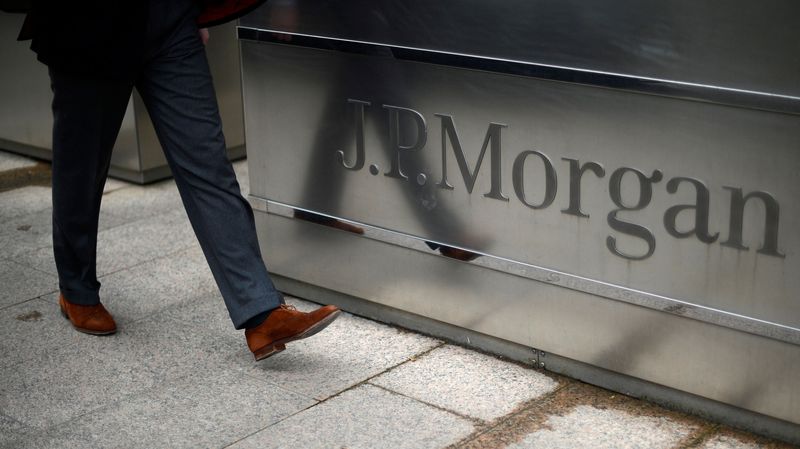
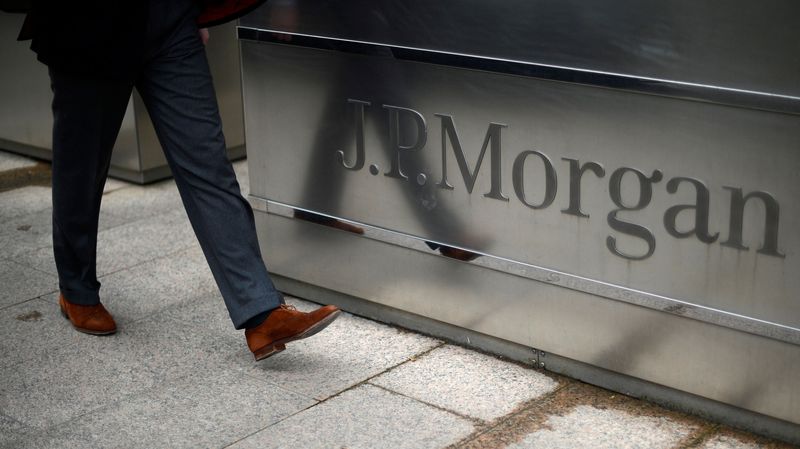
JPMorgan CEO Expresses Anxiety Over Economic Outlook


- Economic Cycle Concerns: JPMorgan CEO Jamie Dimon expressed anxiety over high asset prices and a competitive banking environment reminiscent of pre-2008 crisis years, despite economists crediting the Trump administration's policies for economic growth this year.
- Borrower Default Risks: Dimon warned that the economic cycle will inevitably turn, leading to a wave of borrower defaults that could broadly impact lenders and affect unexpected industries, highlighting the current market's vulnerability.
- Surprises in Credit Cycles: He noted that surprises often arise in credit cycles, potentially impacting the software industry amid AI concerns, emphasizing market worries over private credit, particularly after Blue Owl's asset sales to satisfy investor demands.
- CEO Succession Issues: Addressing the perennial question of CEO succession at JPMorgan, Dimon refrained from providing a specific timeline but indicated he would remain as CEO for a few more years and possibly transition to executive chairman, reflecting his focus on the company's future.
See More
Stocks May Face Extended Winter of Discontent Beyond the Season, Along with BDC Investment Picks.
Current Sentiment: The present is marked by a sense of discontent and dissatisfaction.
Future Concerns: There is a prevailing anxiety about a potentially dystopian future.
See More
SRLN's Performance May Signal Stock Market Trends
- ETF Asset Size: The State Street Blackstone Senior Loan ETF (SRLN) manages $5.6 billion in assets and aims to provide stable income by investing at least 80% of its net assets in senior loans, yet its low profile may affect investor confidence.
- Technical Indicator Warning: SRLN recently fell below its 200-day moving average, and if it fails to recover, it could signal larger declines in the stock market, as historical data shows such breaks often precede significant sell-offs.
- Increased Market Volatility: Concerns over potential issues in private credit and major tech companies overspending on AI have led to heightened market volatility, with direct lender Blue Owl Capital tumbling over 24% this year.
- Inflation Data Impact: Following the release of much hotter-than-expected January U.S. wholesale inflation data, stocks struggled, with Hartnett warning that breaks of key levels may indicate an impending “proper flush” in risk assets.
See More
Global M&A Activity Surges in 2025
- M&A Activity Rebound: Global M&A deal value surged to $4.9 trillion in 2025, marking a 40% increase and the second-highest level since 2021, reflecting strong market demand and confidence in large transactions.
- Funding Squeeze Impact: Despite strong appetite for deals, the proportion of capital allocated to M&A hit a 30-year low in 2025, forcing companies to be more selective in their transaction choices to ensure clear returns on investment.
- AI-Driven Transactions: Over 73% of the increase in deal value came from mega-deals valued at over $5 billion, highlighting the significant impact of AI-related demand on the M&A market, with expectations for continued large transactions in 2026.
- Private Equity Dominance: Private equity accounts for approximately 40% of global M&A activity, as firms actively seek investment opportunities amid changing capital markets, driving increased transaction activity.
See More
Deutsche Bank Downgrades Blue Owl Capital Rating
- Rating Downgrade: Deutsche Bank analyst Brian Bedell downgraded Blue Owl Capital's stock from buy to hold and slashed the price target from $15 to $10, indicating a 4% downside, reflecting concerns over the company's future profitability.
- Stock Volatility: Blue Owl's shares have plummeted 52% over the past 12 months and 30% this year, primarily due to an overall sell-off in the private credit market, exacerbated by fears surrounding exposure to software industry loans.
- Liquidity Restrictions: The company permanently restricted withdrawals from its retail debt fund amid plans to wind down the portfolio, further intensifying market concerns about its liquidity, leading to a 2% drop in stock price on Tuesday morning.
- Growth Outlook: While Bedell noted that management has diversified Blue Owl over the past two to three years, enhancing its growth outlook, he believes the stock is fairly valued at current levels and lacks near-term catalysts for price advancement.
See More
Private Credit Faces Serious Test Amid $3 Trillion Boom
- Crisis Signals: The private credit market, having experienced a $3 trillion boom, is facing systemic risks as Blue Owl Capital's decision to permanently halt redemptions for its $1.6 billion OBDC II fund exposes vulnerabilities, indicating not just corporate issues but a warning for the entire non-bank financial ecosystem.
- Bankruptcy Wave: The bankruptcies of Tricolor and First Brands in September 2025 heightened concerns over private credit's exposure to highly leveraged borrowers, leading banks like UBS and Jefferies to face hundreds of millions in losses, which intensified market worries about liquidity risks.
- Increased Regulatory Pressure: With Tricolor executives charged for systematic fraud, scrutiny over lending practices has intensified, as JPMorgan CEO Jamie Dimon highlighted that corporate lending practices have become too lax over the past decade, indicating a pressing need for improved risk management in the market.
- Uncertain Future Outlook: Despite facing numerous challenges, including rising default rates and redemption pressures, global private credit fundraising still grew to $224.25 billion in 2025, suggesting that capital remains active and the growth phase of the industry is not over, potentially leading to better liquidity management strategies in the future.
See More
JPMorgan CEO Expresses Anxiety Over Economic Outlook
- Economic Cycle Concerns: JPMorgan CEO Jamie Dimon expressed anxiety over high asset prices and a competitive banking environment reminiscent of pre-2008 crisis years, despite economists crediting the Trump administration's policies for economic growth this year.
- Borrower Default Risks: Dimon warned that the economic cycle will inevitably turn, leading to a wave of borrower defaults that could broadly impact lenders and affect unexpected industries, highlighting the current market's vulnerability.
- Surprises in Credit Cycles: He noted that surprises often arise in credit cycles, potentially impacting the software industry amid AI concerns, emphasizing market worries over private credit, particularly after Blue Owl's asset sales to satisfy investor demands.
- CEO Succession Issues: Addressing the perennial question of CEO succession at JPMorgan, Dimon refrained from providing a specific timeline but indicated he would remain as CEO for a few more years and possibly transition to executive chairman, reflecting his focus on the company's future.
See More