

Bitcoin Slides Below $68,000 as Institutions Lock in Profits


The cryptocurrency market is grappling with a severe downturn as bitcoin fell below the $68,000 threshold, hitting its lowest level in 15 months. A "demand vacuum" has emerged, driven by a broad risk-off sentiment in global markets and heavy institutional offloading from spot ETFs. While corporate giants like Google and CME Group continue to build on-chain infrastructure, the immediate price action reflects a significant "crisis of faith" among investors. Stay up on the crypto news that matters with "Crypto Currents," daily from The Fly. Join us at 2 PM ET for your essential briefing on the fast-moving world of cryptocurrency on FlyCast radio.BITCOIN SLIDES BELOW $68,000 AS INSTITUTIONS LOCK IN PROFITS:The original cryptocurrency has extended its monthslong slide, dropping as much as 11% on Thursday to reach a low of $67,000. This retreat marks a nearly 46% decline from the all-time high of $126,210 recorded in October 2025., the CoinbasePremium Gap has hit yearly lows, suggesting that professional and institutional players are leading the current selling pressure. Analysts at CryptoQuant note that institutional demand has undergone a substantial reversal, with U.S. spot ETFs becoming net sellers in 2026 after offloading over 10,600 BTC., U.S. spot bitcoin ETFs saw $545M in net outflows on Wednesday, led by BlackRock'sIBIT. This selling pressure pushed bitcoin below $71,000, its lowest level since late 2024.The selloff has been exacerbated by broader stress in the technology sector, particularly among AI-exposed software stocks, and comments from Treasury Secretary Scott Bessent confirming the.CME GROUP AND GOOGLE CLOUD DEVELOP TOKENIZED CASH FOR COLLATERAL:In a move to modernize derivatives clearing, CME Groupis exploring the launch of a proprietary "tokenized cash" coin developed in collaboration with Google., the exchange is weighing the issuance of its own digital token to be used for collateral and margin across financial markets. This initiative, expected to roll out this year, utilizes Google Cloud's Universal Ledger to facilitate wholesale payments and asset tokenization. The project aims to allow industry participants to use the coin on decentralized networks, potentially expanding the use of crypto as margin for repo agreements and securities lending. This development coincides with the exchange's plan to transition its cryptocurrency futures, which currently include bitcoin, ether, solana, and XRP, to round-the-clock trading by early 2026.TETHER STRENGTHENS U.S. FOOTPRINT WITH ANCHORAGE DIGITAL INVESTMENT:, a federally regulated digital asset bank. The stablecoin issuer, the popular tether, notes that the partnership solidifies a working relationship where Anchorage serves as the primary banking partner for Tether's USAT stablecoin, a product designed specifically for the U.S. market to comply with local regulations. This move signals a pivot toward regulated infrastructure for the stablecoin issuer, which has traditionally focused on offshore markets.CIPHER MINING SUBSIDIARY SEES MASSIVE DEMAND FOR ARTIFICIAL INTELLIGENCE DEBT:Reflecting the ongoing "HPC pivot," Black Pearl Compute, a subsidiary of Cipher Mining, has garnered $13B in orders for a $2B junk bond sale.that the funding is earmarked for a data center in Texas leased to AmazonWeb Services for 15 years. The deal, which also saw previous support from Google, highlights the intense demand for artificial intelligence infrastructure among bitcoin miners. Despite the bond success, CIFR shares fell over 12% amid a broader retreat in crypto-linked equities.TRADITIONAL BANKS AND FIDELITY DEPLOY INDEPENDENT STABLECOIN SOLUTIONS:The stablecoin sector is becoming increasingly crowded with traditional financial institutions. Fidelity Investments has, the Fidelity Digital Dollar, for retail and institutional use. Meanwhile, BBVAhas, a group of European banks including BNP Paribas and UniCredit aiming to launch a regulated euro stablecoin to challenge the dominance of digital dollars.PRICE ACTION:As of time of writing, bitcoin was trading at $67,898.57, while ether was trading at $1,984.13,.
Trade with 70% Backtested Accuracy
Analyst Views on CME

About CME
About the author


Impact of Fed's Interest Rate Policy on Stock Market

- Rate Policy Discussion: The Federal Reserve will discuss interest rates during a two-day meeting ending on March 18; despite President Trump's ongoing pressure for rate cuts, the market currently anticipates less than a 5% chance of a cut, potentially leaving the stock market in a holding pattern until clearer economic data emerges.
- Historical Return Analysis: Since 1990, the Fed has cut rates 58 times, with the S&P 500 achieving a median return of 10% in the following year; notably, excluding cuts during recessions, the return rises to 11%, indicating the potential positive impact of rate cuts on the stock market.
- Inflation and Rate Relationship: While rate cuts could stimulate economic growth and job markets, the current CPI inflation rate stands at 2.4% and the PCE price index at 2.9%, both exceeding the Fed's 2% target, which diminishes the likelihood of a March rate cut.
- Market Expectations and Economic Growth: The market's expectations regarding rate cuts create uncertainty in stock performance; although lower rates typically reduce borrowing costs and boost consumer spending, inflationary pressures necessitate close monitoring of economic data to assess future rate directions.

Trump Pushes for Fed Rate Cuts Amid Inflation Concerns
- Rate Cut Pressure: President Trump continues to pressure the Federal Reserve to lower interest rates, asserting that the U.S. should have the lowest rates globally, despite current inflation rates (CPI at 2.4%, PCE at 2.9%) exceeding the Fed's 2% target, resulting in a less than 5% chance of a rate cut.
- Historical Returns: Since 1990, the S&P 500 has averaged an 11% return in the year following rate cuts during non-recession periods, compared to a 10% return during recessions, indicating that rate cuts could stimulate economic growth and enhance stock market performance.
- Market Reaction: The S&P 500 has traded sideways this year due to investor concerns over elevated valuations and Trump's trade policies, with expectations of a rate cut leading to a potential holding pattern in the market until clearer economic data emerges.
- Policy Meeting: The Federal Reserve will conclude a two-day meeting on March 18, and despite Trump's push for lower rates, the likelihood of action is low due to inflation pressures, which may leave the market directionless in the coming months.

US Senator Proposes Ban on War Prediction Markets


- Controversy Over Prediction Markets: Senator Chris Murphy expressed concerns about prediction markets related to the death of Iranian leader Khamenei, labeling it 'insane' and announcing plans to introduce legislation to ban such markets, highlighting the ethical implications of profiting from war.
- Legislative Proposal Context: Murphy emphasized that individuals around Trump are profiting from war and death, calling for transparency and oversight in prediction markets to prevent advance knowledge of military actions from being monetized, reflecting a significant concern for national security.
- Formation of New Trade Group: A new organization led by former Trump Chief of Staff Mick Mulvaney, named 'Gambling Is Not Investing', aims to advocate for stricter regulations on prediction markets, indicating lawmakers' increasing focus on market transparency and consumer protection.
- Market Response and Company Statements: Prediction market Kalshi stated it does not allow markets directly tied to death and issued refunds for related bets, emphasizing its commitment to compliance and transparency in its operations, showcasing a cautious approach to legal and ethical boundaries.

Iran Attack Sparks Further Inquiry into Insider Trading in Prediction Markets
- Missile Strikes on Iran: American and Israeli missiles targeted Iran, resulting in the death of the country's leadership.
- Polymarket Trader's Bet: A trader on Polymarket placed bets that Ayatollah Ali Khamenei would no longer be Supreme Leader of Iran by March 31.

Insider Trading Influences Prediction Markets, Giving Polymarket an Advantage.
Bet on Federal Reserve Chair: An anonymous account on Polymarket placed a $68,000 bet on Kevin Hassett being nominated as the next Federal Reserve chair.
Social Media Speculation: A Polymarket social media account shared a screenshot of the bet, implying that the bettor might have insider knowledge about Hassett's potential nomination.
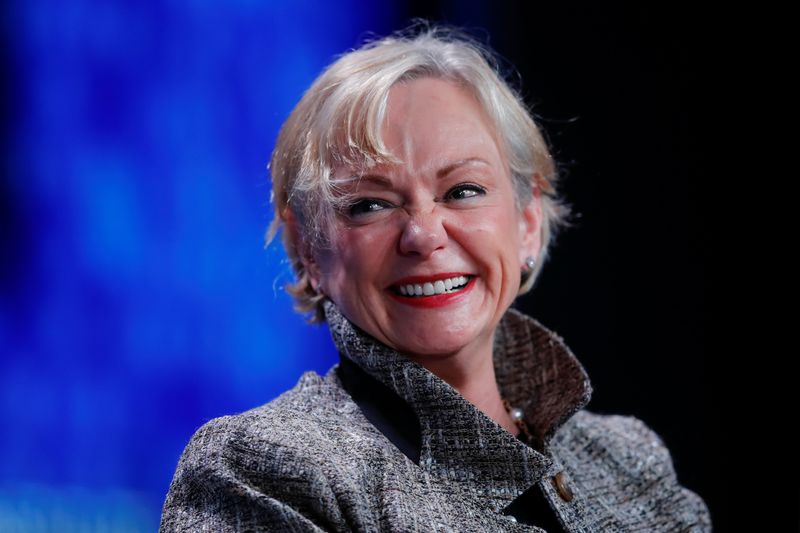
Flutter Entertainment Lowers 2025 Revenue Forecast Amid Market Challenges


- Revenue Forecast Cut: Flutter Entertainment reported a 2025 revenue of $16.4 billion, missing its own forecast of $16.7 billion, indicating significant pressure in the competitive sports betting market that could undermine investor confidence.
- Intensifying Market Competition: Prediction markets like Kalshi and Polymarket are encroaching on the U.S. sports betting market share, with CEO Peter Jackson downplaying their impact, yet market reactions suggest investor concerns about this emerging threat are substantial.
- Escalating Legal Battles: The legal conflicts between prediction markets and regulators are complicating Flutter's regulatory landscape, potentially affecting its future operational strategies and market positioning as states push back against these new competitors.
- Significant Stock Decline: Both Flutter and DraftKings have seen their stock prices drop by approximately 50% this year, reflecting the market's serious perception of the threat posed by prediction markets, despite differing views among company executives on how to address it.
Impact of Fed's Interest Rate Policy on Stock Market
- Rate Policy Discussion: The Federal Reserve will discuss interest rates during a two-day meeting ending on March 18; despite President Trump's ongoing pressure for rate cuts, the market currently anticipates less than a 5% chance of a cut, potentially leaving the stock market in a holding pattern until clearer economic data emerges.
- Historical Return Analysis: Since 1990, the Fed has cut rates 58 times, with the S&P 500 achieving a median return of 10% in the following year; notably, excluding cuts during recessions, the return rises to 11%, indicating the potential positive impact of rate cuts on the stock market.
- Inflation and Rate Relationship: While rate cuts could stimulate economic growth and job markets, the current CPI inflation rate stands at 2.4% and the PCE price index at 2.9%, both exceeding the Fed's 2% target, which diminishes the likelihood of a March rate cut.
- Market Expectations and Economic Growth: The market's expectations regarding rate cuts create uncertainty in stock performance; although lower rates typically reduce borrowing costs and boost consumer spending, inflationary pressures necessitate close monitoring of economic data to assess future rate directions.
Trump Pushes for Fed Rate Cuts Amid Inflation Concerns
- Rate Cut Pressure: President Trump continues to pressure the Federal Reserve to lower interest rates, asserting that the U.S. should have the lowest rates globally, despite current inflation rates (CPI at 2.4%, PCE at 2.9%) exceeding the Fed's 2% target, resulting in a less than 5% chance of a rate cut.
- Historical Returns: Since 1990, the S&P 500 has averaged an 11% return in the year following rate cuts during non-recession periods, compared to a 10% return during recessions, indicating that rate cuts could stimulate economic growth and enhance stock market performance.
- Market Reaction: The S&P 500 has traded sideways this year due to investor concerns over elevated valuations and Trump's trade policies, with expectations of a rate cut leading to a potential holding pattern in the market until clearer economic data emerges.
- Policy Meeting: The Federal Reserve will conclude a two-day meeting on March 18, and despite Trump's push for lower rates, the likelihood of action is low due to inflation pressures, which may leave the market directionless in the coming months.
US Senator Proposes Ban on War Prediction Markets
- Controversy Over Prediction Markets: Senator Chris Murphy expressed concerns about prediction markets related to the death of Iranian leader Khamenei, labeling it 'insane' and announcing plans to introduce legislation to ban such markets, highlighting the ethical implications of profiting from war.
- Legislative Proposal Context: Murphy emphasized that individuals around Trump are profiting from war and death, calling for transparency and oversight in prediction markets to prevent advance knowledge of military actions from being monetized, reflecting a significant concern for national security.
- Formation of New Trade Group: A new organization led by former Trump Chief of Staff Mick Mulvaney, named 'Gambling Is Not Investing', aims to advocate for stricter regulations on prediction markets, indicating lawmakers' increasing focus on market transparency and consumer protection.
- Market Response and Company Statements: Prediction market Kalshi stated it does not allow markets directly tied to death and issued refunds for related bets, emphasizing its commitment to compliance and transparency in its operations, showcasing a cautious approach to legal and ethical boundaries.
Iran Attack Sparks Further Inquiry into Insider Trading in Prediction Markets
- Missile Strikes on Iran: American and Israeli missiles targeted Iran, resulting in the death of the country's leadership.
- Polymarket Trader's Bet: A trader on Polymarket placed bets that Ayatollah Ali Khamenei would no longer be Supreme Leader of Iran by March 31.
Insider Trading Influences Prediction Markets, Giving Polymarket an Advantage.
Bet on Federal Reserve Chair: An anonymous account on Polymarket placed a $68,000 bet on Kevin Hassett being nominated as the next Federal Reserve chair.
Social Media Speculation: A Polymarket social media account shared a screenshot of the bet, implying that the bettor might have insider knowledge about Hassett's potential nomination.
Flutter Entertainment Lowers 2025 Revenue Forecast Amid Market Challenges
- Revenue Forecast Cut: Flutter Entertainment reported a 2025 revenue of $16.4 billion, missing its own forecast of $16.7 billion, indicating significant pressure in the competitive sports betting market that could undermine investor confidence.
- Intensifying Market Competition: Prediction markets like Kalshi and Polymarket are encroaching on the U.S. sports betting market share, with CEO Peter Jackson downplaying their impact, yet market reactions suggest investor concerns about this emerging threat are substantial.
- Escalating Legal Battles: The legal conflicts between prediction markets and regulators are complicating Flutter's regulatory landscape, potentially affecting its future operational strategies and market positioning as states push back against these new competitors.
- Significant Stock Decline: Both Flutter and DraftKings have seen their stock prices drop by approximately 50% this year, reflecting the market's serious perception of the threat posed by prediction markets, despite differing views among company executives on how to address it.





