

Bitcoin and Ether ETFs Post $9.15B Outflows, JPMorgan Reaffirms $266K Target


Bitcoinand etherstart March stuck in a post-Iran shock range as corporate treasuries ramp up BTC and ETH accumulation into ETF outflows and macro risk, setting up a tug-of-war between listed "bitcoin standard" plays, tokenization pivots, and mining-to-AI transitions. Stay up on the crypto news that matters with "Crypto Currents," daily from The Fly. Join us at 2 PM ET for your essential briefing on the fast-moving world of cryptocurrency on FlyCast radio.BITCOIN, ETHER ETFS POST $9.15B IN OUTFLOWS AS FEBRUARY TURNS WORST IN A DECADE:U.S.-listed spot bitcoin ETFs have seen about $6.39B in net outflows over four straight months, while ether ETFs shed roughly $2.76B, the longest losing streak since launch and a clear sign of cooling institutional appetite for listed products, according toMEXCandChainCatcher. Bitcoin has nearly halved from its October high above $126,000 and ether is down more than 60% from August peaks above $4,950, capping a February where BTC fell about 15% and ETH nearly 20%, both among their weakest February returns in a decade, according toCoinglass data cited by Cointelegraph.JPMORGAN SEES CLARITY ACT AS 2H CATALYST, REAFFIRMS $266K BTC TARGET:JPMorgan'sresearch desk still leans structurally bullish, arguing the CLARITY Act, a comprehensive U.S. crypto market structure bill could be approved by mid-2026 and unlock bank and broker participation, and it reiterates a long-term bitcoin target of $266,000 on a volatility-adjusted gold framework.IRAN STRIKES SHOW BTC TRADING LIKE RISK ASSETS, GOLD OUTPERFORMS:The Iran strikes delivered a live-fire test of the "digital gold" story, and bitcoin failed to decouple from risk assets. BTC dropped 3–4% to around $63,250 immediately after U.S./Israel launched coordinated attacks on Iran, briefly rebounded above $67,000, and is now hovering back near pre-strike levels around the mid-$60Ks, having erased the initial shock move but not the broader February drawdown, according toThe Wall Street JournalandBarron's.Gold has outperformed sharply, climbing more than 5% over three days while bitcoin traded roughly flat, undercutting the hedge narrative and reinforcing BTC's role as a high-beta macro risk asset, according to. Nearly 46% of bitcoin supply, about 9.09M BTC, now sits at an on-chain loss, a profile historically associated with mid-to-late bear phases and heavier pressure on listed proxies like Coinbaseand bitcoin miners when geopolitical volatility spikes, according to.STRATEGY, PROCAP DOUBLE DOWN ON BTC WHILE BITMINE BUILDS $9.9B ETH TREASURY:Strategycontinued to lean into its bitcoin policy, disclosing purchases of 3,015 BTC for $204.1M between February 23 and March 1, funded by at-the-market equity issuance that raised roughly $237M across common and preferred, according to the company'sForm 8‑The company now holds 720,737 BTC at an average cost near $75,985 per coin, well above the current spot price, implying about $7B in unrealized losses, even as the board raised the STRC preferred dividend to 11.5%, its seventh consecutive hike since mid‑2025, according toYahoo Finance.Anthony Pompliano's ProCap Financialadded 450 BTC via structured put assignments with FalconX, taking its treasury to 5,457 BTC while simultaneously repurchasing more than 782K common shares at a discount to NAV and positioning itself as a mid-tier public BTC holder, according to a.On the Ethereum side, Bitmine Immersion Technologiesdisclosed a $9.9B balance sheet anchored by 4,473,587 ETH, about 3.7% of total ETH supply, including 3,040,483 ETH staked and generating an estimated $172M in annualized staking revenue, with chairman Tom Lee explicitly "buying the mini crypto winter" after acquiring roughly 50,928 ETH in the last week, according to.F2POOL FOUNDER BUILDS LARGE ETH POSITION; TETHER SHIFTS $151M IN TOKENIZED GOLD:Ethereum positioning is being reshaped by whales and corporates: Bitmine's on-chain footprint confirms its status as the largest ETH treasury among public companies, while Arkham Intelligence flags a wallet linked to F2Pool founder Chun Wang that withdrew about $67.5M of ETH from Binance over two weeks and now holds roughly $150M of ETH on Aaveafter routing about $240M in stablecoins through exchanges, according toU.Today. In tokenized commodities, Tether moved 28,723 XAUT, around $151M of tokenized gold, to Abraxas Capital, the largest such transfer in nearly three weeks and a data point that rhymes with Neptune Digital Assets' plan to add tokenized gold and silver to its treasury as a volatility buffer alongside BTC and staking assets, according toChainCatcher.ETF FLOWS STAY MIXED AS SOLANA ETP INFLOWS CONTRAST WITH BTC, ETH PROFIT-TAKING:ETF flow trackers show a mixed picture beneath the headline outflows: across 10 bitcoin ETFs and nine ether ETFs, March 2 saw modest single-day net outflows of (548) BTC and (12,307) ETH, but both assets still show sizable seven-day net inflows, suggesting short-term profit-taking rather than a wholesale institutional exit, according toKuCoin's flash note. SolanaETPs are a notable outlier, posting both positive daily and weekly inflows, highlighting residual risk appetite for higher-beta layer‑1 exposure even as large‑cap benchmarks struggle.COINCHECK CLOSES 3IQ DEAL AS BSTR BITCOIN SPAC REVIVES TREASURY LISTING PLAYBOOK:On the infrastructure side, Coincheck Groupclosed its acquisition of roughly 99.8% of Canadian manager 3iQ, adding a pioneer in bitcoin, ether staking, and solana staking ETPs to its franchise and deepening a strategy aimed at global institutional distribution beyond its Japan exchange roots, according to. Cantor Equity Partnersadvanced its BSTR bitcoin SPAC,that would list a dedicated treasury vehicle seeded with 30,021 BTC and around $1.4B in financing instruments under Blockstream CEO Adam Back, even as the broader bitcoin SPAC market has largely gone dormant.FORUM MARKETS DUMPS ETH TREASURY LABEL; JIUZI CHASES $300M CRYPTO-FUNDED PLACEMENT:Forum Markets, the former ETHZilla, began trading today under its new ticker and brand, formally abandoning an Ethereum treasury model that coincided with a roughly 96% share-price collapse and pivoting toward tokenized real‑world asset infrastructure, including fractionalized ownership of commercial jet engines, according to a. Jiuzi Holdingsmeanwhile expanded a crypto-funded private placement from $60M to a targeted $300M to build out on-chain custody and treasury infrastructure, underscoring that for some small caps, crypto remains a capital formation and balance sheet story rather than a pure trading proxy, according to.DIGI POWER X ARMS 200 GOES LIVE AS RIOT EARNINGS TEST MINING-TO-AI STORY:The mining-to-AI narrative continues to build as hashpower-exposed names seek higher-margin compute revenue streams. Digi Power X, a former bitcoin miner, has commissioned its first ARMS 200 modular data center at its Alabama facility and expects GPU-as-a-Service revenue to begin in April 2026, guiding to about $15M in annualized revenue per MW and laying out a roadmap to 10 MW in Alabama by Q3 and additional capacity in New York by Q2, according to apress release carried by the Detroit Free Press.Riot Platformsreports Q4 results after the close today, with the Street looking for low double‑digit revenue growth and a modest EPS loss as investors focus on how quickly its planned 1.7 GW power pipeline and AI/HPC pivot can offset softer bitcoin economics and rising geopolitical risk premia, according to the company'sIR site. With bitcoin having just logged its worst February since 2013 and nearly half of supply at a loss, earnings commentary from Riot and peers will help equity investors gauge whether miners remain geared macro trades or evolve into diversified compute utilities.VC FLOWS SHIFT TO INFRASTRUCTURE AS STS DIGITAL RAISES $30M FOR CRYPTO OPTIONS:Venture funding in crypto hit roughly $883M in February, but deal counts fell to a 5.5‑year low, with capital increasingly directed to stablecoin infrastructure, custody, and compliance rather than speculative token launches, and roughly 85% of 2025 token debuts now trading below issue levels, according toMEXC's recap of The Block data. STS Digital, a Bermuda-based trading and options venue, raised $30M from a roster of traditional and crypto-native investors to expand its institutional-grade spot and options platform, reinforcing the theme that market structure and derivatives rails, not consumer tokens, are where late-cycle VC dollars are concentrating, according toFinTech Futures.PREDICTION MARKETS FACE SCRUTINY AFTER $529M IN IRAN-RELATED POLYMARKET BETS:Prediction markets also drew scrutiny after Polymarket saw about $529M traded on Iran-related contracts, with a handful of newly created wallets generating an estimated $1.2M in profits and attracting attention from both blockchain analytics firms and U.S. lawmakers, according to.PRICE ACTION:As of time of writing, bitcoin was trading at$70,011.61, while ether was trading at$2,079.83,according to price data from TipRanks.
Trade with 70% Backtested Accuracy
Analyst Views on JPM

About JPM
About the author


JPMorgan CEO Responds to Trump's Lawsuit Over Account Closures


- Lawsuit Context: Trump accuses JPMorgan of closing his accounts for political reasons and seeks $5 billion in damages; although CEO Jamie Dimon claims the lawsuit lacks merit, he empathizes with Trump's anger, highlighting the legal and regulatory risks banks face in such situations.
- Compliance Pressure: Dimon emphasizes that banks are compelled to debank clients to comply with regulatory demands, which discourages them from taking on high-risk customers, thereby affecting Trump's banking relationships and those of his companies.
- Regulatory Landscape: While no specific law mandates banks to close accounts due to reputational risk, the existing regulatory framework creates significant risks for banks when dealing with certain clients, as evidenced by JPMorgan's closure of multiple accounts linked to Trump following the January 6 Capitol attack in 2021.
- Market Impact and Future Outlook: Dimon noted in an interview that the financial industry is beginning to benefit from a deregulatory push initiated by Trump appointees, which could enhance banks' profitability and reduce capital loss requirements, potentially leading to changes in the current legal and regulatory environment.
UBS Reports 56% Increase in Q4 Earnings


- Earnings Growth Analysis: UBS reported a net profit of $1.2 billion for Q4 on February 6, marking a 56% year-over-year increase, with a full-year profit of $7.8 billion; however, much of this growth stemmed from the release of litigation reserves, raising questions about the sustainability of earnings.
- Ongoing Legal Risks: Despite management discussing cost savings and revenue momentum in core businesses during the investment call, persistent scrutiny from Swiss regulators and client lawsuits could impact future profitability, indicating a challenging environment ahead.
- Poor Market Performance: UBS's stock has declined 10% this year, underperforming JPMorgan and Goldman Sachs, as investor concerns over legal issues have pressured the stock price, leading to a cautious sentiment among investors despite quarterly earnings beats.
- Reputation Risk Emerges: Ultra-high-net-worth individuals are closely monitoring UBS's developments, and the outcomes of ongoing lawsuits may inflict lasting damage on its reputation in emerging markets, with the next earnings call scheduled for April 26.
JPMorgan CEO Responds to Trump's Lawsuit Over Account Closures
- Lawsuit Merits Declared: JPMorgan CEO Jamie Dimon stated that Trump's $5 billion lawsuit over account closures is without merit, although he empathizes with Trump's anger, highlighting the political sensitivities involved in the case.
- Account Closure Context: JPMorgan closed dozens of accounts associated with Trump following the January 6, 2021 Capitol attack, reflecting the bank's stringent policies on reputational risk management, which could impact its relationships with clients.
- Compliance Pressures: Dimon emphasized that banks face regulatory pressures to avoid legal and reputational risks, leading them to prefer rejecting high-risk clients, which affects Trump's financial options and those of his supporters.
- Regulatory Changes in Industry: Dimon noted that the financial industry is beginning to benefit from deregulation under Trump appointees, potentially increasing bank profitability while raising further discussions on how to manage high-risk clients.
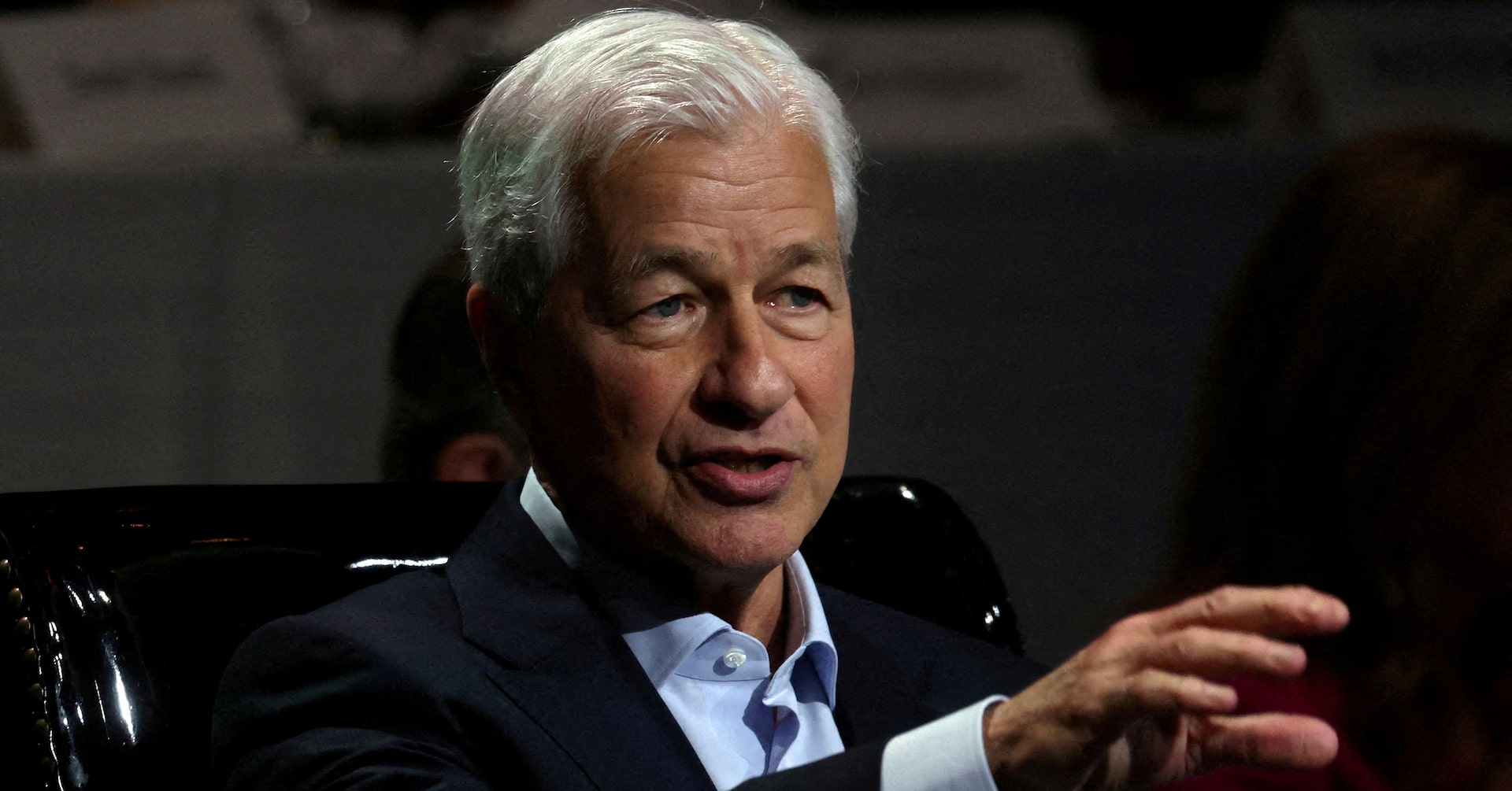
Dimon Warns of Inflation Risks from Iran War
- Inflation Risk Assessment: JPMorgan Chase CEO Jamie Dimon highlighted in an interview that the Iran war could elevate inflation risks, although he believes it won't lead to long-lasting effects, indicating that the market should remain vigilant about potential economic fluctuations.
- Oil Price Impact: Dimon noted that the war might slightly increase gas prices but would not cause a major inflationary shock, reflecting his cautiously optimistic view on the market, which could influence investor expectations in the energy sector.
- Credit Cycle Warning: He expressed a more pessimistic outlook on the credit market, suggesting that the upcoming credit cycle will be worse than normal due to complacency, which may prompt investors to reassess their risk management strategies.
- Market Reaction Expectations: While Dimon maintains a cautious stance on the long-term inflation impact, he emphasized the market's sensitivity to sudden events, potentially leading investors to adopt more conservative strategies amid increasing uncertainty.

Analysts Recommend Buying Bob’s Discount Furniture


- Company Performance: Bob’s Discount Furniture is experiencing significant growth, driven by consumer demand for affordable options amid rising inflation.
- Market Trends: The current economic climate has led many Americans to seek bargains, positively impacting the company's stock performance.

Jamie Dimon Warns of Inflation Risks
- Inflation Risk Warning: Jamie Dimon stated in a CNBC interview that rising oil prices from the U.S.-Israel-Iran conflict could lead to inflation risks exceeding expectations, which could have significant economic implications if the situation worsens.
- Oil Price Impact Analysis: While the war has caused a slight increase in gas prices, Dimon believes that if the conflict does not persist, inflation will not pose a major threat; however, prolonged conflict could lead to more severe economic consequences.
- Market Reaction Expectations: Dimon metaphorically likened the potential inflation risk to a “skunk at a party,” suggesting its possible negative impact on market sentiment, which could lead investors to worry about the economic outlook.
- Long-term Impact Consideration: He emphasized that if the war continues, inflationary pressures will significantly increase, potentially forcing the Federal Reserve to adopt more aggressive monetary policies, thereby affecting overall economic growth and market stability.
JPMorgan CEO Responds to Trump's Lawsuit Over Account Closures
- Lawsuit Context: Trump accuses JPMorgan of closing his accounts for political reasons and seeks $5 billion in damages; although CEO Jamie Dimon claims the lawsuit lacks merit, he empathizes with Trump's anger, highlighting the legal and regulatory risks banks face in such situations.
- Compliance Pressure: Dimon emphasizes that banks are compelled to debank clients to comply with regulatory demands, which discourages them from taking on high-risk customers, thereby affecting Trump's banking relationships and those of his companies.
- Regulatory Landscape: While no specific law mandates banks to close accounts due to reputational risk, the existing regulatory framework creates significant risks for banks when dealing with certain clients, as evidenced by JPMorgan's closure of multiple accounts linked to Trump following the January 6 Capitol attack in 2021.
- Market Impact and Future Outlook: Dimon noted in an interview that the financial industry is beginning to benefit from a deregulatory push initiated by Trump appointees, which could enhance banks' profitability and reduce capital loss requirements, potentially leading to changes in the current legal and regulatory environment.
UBS Reports 56% Increase in Q4 Earnings
- Earnings Growth Analysis: UBS reported a net profit of $1.2 billion for Q4 on February 6, marking a 56% year-over-year increase, with a full-year profit of $7.8 billion; however, much of this growth stemmed from the release of litigation reserves, raising questions about the sustainability of earnings.
- Ongoing Legal Risks: Despite management discussing cost savings and revenue momentum in core businesses during the investment call, persistent scrutiny from Swiss regulators and client lawsuits could impact future profitability, indicating a challenging environment ahead.
- Poor Market Performance: UBS's stock has declined 10% this year, underperforming JPMorgan and Goldman Sachs, as investor concerns over legal issues have pressured the stock price, leading to a cautious sentiment among investors despite quarterly earnings beats.
- Reputation Risk Emerges: Ultra-high-net-worth individuals are closely monitoring UBS's developments, and the outcomes of ongoing lawsuits may inflict lasting damage on its reputation in emerging markets, with the next earnings call scheduled for April 26.
JPMorgan CEO Responds to Trump's Lawsuit Over Account Closures
- Lawsuit Merits Declared: JPMorgan CEO Jamie Dimon stated that Trump's $5 billion lawsuit over account closures is without merit, although he empathizes with Trump's anger, highlighting the political sensitivities involved in the case.
- Account Closure Context: JPMorgan closed dozens of accounts associated with Trump following the January 6, 2021 Capitol attack, reflecting the bank's stringent policies on reputational risk management, which could impact its relationships with clients.
- Compliance Pressures: Dimon emphasized that banks face regulatory pressures to avoid legal and reputational risks, leading them to prefer rejecting high-risk clients, which affects Trump's financial options and those of his supporters.
- Regulatory Changes in Industry: Dimon noted that the financial industry is beginning to benefit from deregulation under Trump appointees, potentially increasing bank profitability while raising further discussions on how to manage high-risk clients.
Dimon Warns of Inflation Risks from Iran War
- Inflation Risk Assessment: JPMorgan Chase CEO Jamie Dimon highlighted in an interview that the Iran war could elevate inflation risks, although he believes it won't lead to long-lasting effects, indicating that the market should remain vigilant about potential economic fluctuations.
- Oil Price Impact: Dimon noted that the war might slightly increase gas prices but would not cause a major inflationary shock, reflecting his cautiously optimistic view on the market, which could influence investor expectations in the energy sector.
- Credit Cycle Warning: He expressed a more pessimistic outlook on the credit market, suggesting that the upcoming credit cycle will be worse than normal due to complacency, which may prompt investors to reassess their risk management strategies.
- Market Reaction Expectations: While Dimon maintains a cautious stance on the long-term inflation impact, he emphasized the market's sensitivity to sudden events, potentially leading investors to adopt more conservative strategies amid increasing uncertainty.
Analysts Recommend Buying Bob’s Discount Furniture
- Company Performance: Bob’s Discount Furniture is experiencing significant growth, driven by consumer demand for affordable options amid rising inflation.
- Market Trends: The current economic climate has led many Americans to seek bargains, positively impacting the company's stock performance.
Jamie Dimon Warns of Inflation Risks
- Inflation Risk Warning: Jamie Dimon stated in a CNBC interview that rising oil prices from the U.S.-Israel-Iran conflict could lead to inflation risks exceeding expectations, which could have significant economic implications if the situation worsens.
- Oil Price Impact Analysis: While the war has caused a slight increase in gas prices, Dimon believes that if the conflict does not persist, inflation will not pose a major threat; however, prolonged conflict could lead to more severe economic consequences.
- Market Reaction Expectations: Dimon metaphorically likened the potential inflation risk to a “skunk at a party,” suggesting its possible negative impact on market sentiment, which could lead investors to worry about the economic outlook.
- Long-term Impact Consideration: He emphasized that if the war continues, inflationary pressures will significantly increase, potentially forcing the Federal Reserve to adopt more aggressive monetary policies, thereby affecting overall economic growth and market stability.





