

Berkshire Hathaway Reports 30% Drop in Q4 Operating Profit

- Operating Profit Decline: Berkshire Hathaway's operating profit fell 30% in Q4 to $10.2 billion, or approximately $7,092 per Class A share, primarily due to write-downs on investments in Kraft Heinz and Occidental Petroleum, indicating challenges in portfolio management.
- Insurance Revenue Drop: The decline in income from insurance operations reflects pressures in the overall market environment, which could impact future profitability and investment strategies, especially as Warren Buffett steps down as CEO, leaving new leadership with greater challenges.
- Strong Cash Reserves: By the end of 2025, Berkshire Hathaway reported cash reserves of $373.3 billion, providing new CEO Greg Abel with the financial power to pursue significant acquisitions, potentially altering the company's growth trajectory.
- Leadership Transition: This quarter marks Warren Buffett's last as CEO, with successor Greg Abel's appointment signaling a potential shift in strategic direction, which may affect investor confidence and expectations for future performance.
Trade with 70% Backtested Accuracy
Analyst Views on KHC

About KHC
About the author

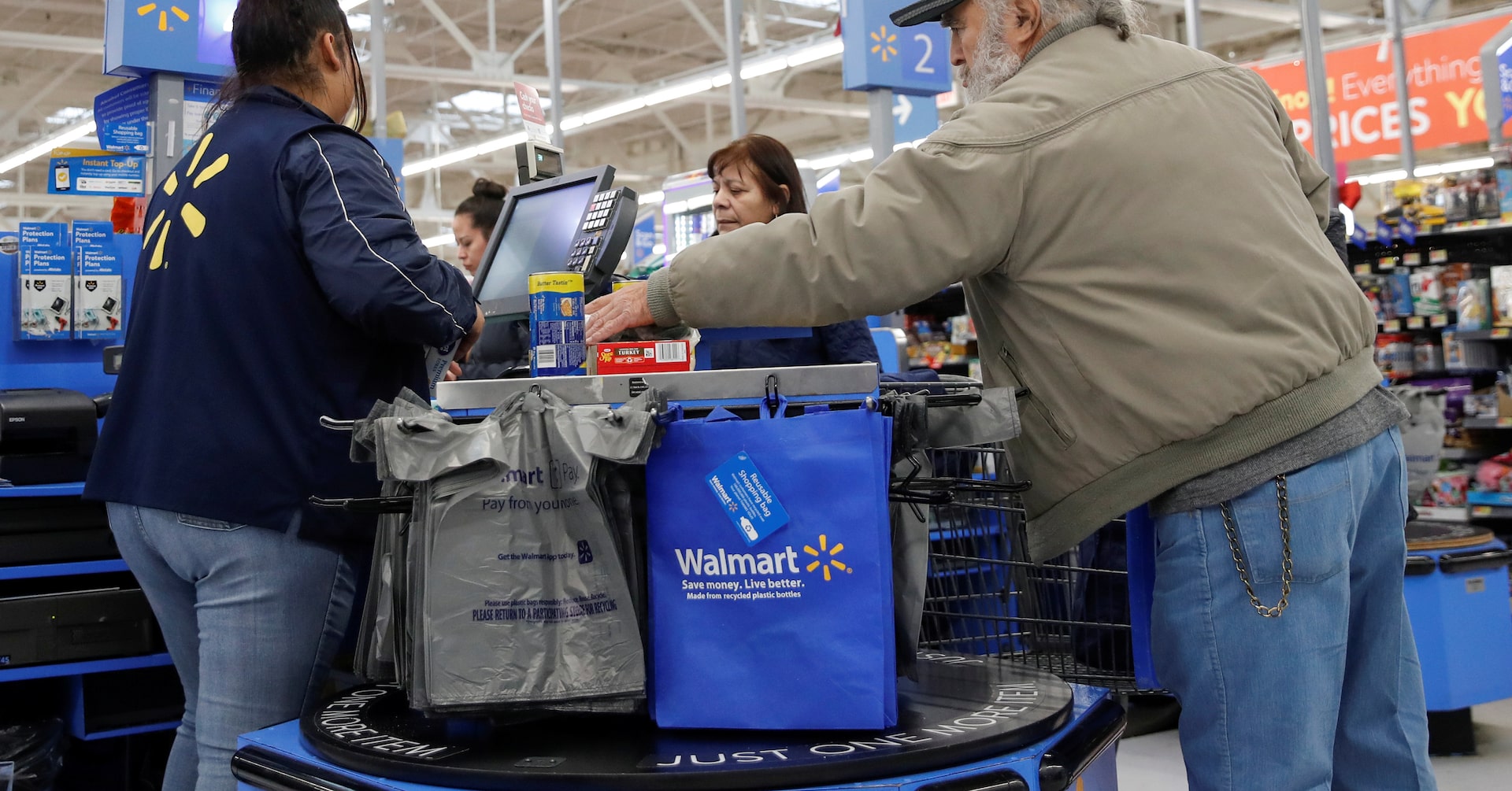
Target Revamps Merchandise Strategy to Attract Shoppers


- Merchandise Strategy Overhaul: Target plans to revamp its merchandise strategy over the next year, expecting net sales to rise about 2% compared to last year, addressing the challenge of four consecutive quarters of declining customer traffic.
- Fresh Food Expansion: The company will expand the square footage dedicated to fresh foods, planning to double the space in over half of its remodeled stores, aiming to attract more customers for one-stop shopping.
- Beauty Product Upgrade: Target will launch a 'Beauty Studio' in over 600 stores, replacing its partnership with Ulta Beauty, focusing on prestige beauty brands to attract younger consumers and boost sales.
- Home Goods Reconstruction: With home goods sales declining nearly 7% year-over-year, Target plans to rebuild the display area for these products over the next few years, expecting to redesign 75% of its home decor items to regain market competitiveness.
Berkshire Hathaway's Performance in Buffett's Last Quarter


Warren Buffett's Departure: Warren Buffett stepped down as CEO of Berkshire Hathaway, marking the end of an era after over 60 years, with Greg Abel taking over leadership as the company reported its final earnings under Buffett's direction.
Financial Performance: Berkshire Hathaway's earnings fell significantly in 2025, with a nearly 25% drop in insurance investment income and a 6% decline in operating profit, despite a record cash reserve of $373.3 billion.
Stock Holdings and Acquisitions: Buffett's final moves included maintaining a strong portfolio with major holdings in Apple, American Express, and Bank of America, while also expanding positions in energy and media sectors.
Market Trends and Recommendations: Analysts are recommending five specific stocks for investors to consider, highlighting their potential for growth amidst broader market challenges, with a focus on sectors like energy and materials.

Buffett's Investment in Alphabet Stock Analysis


- Significant Stake: Berkshire Hathaway disclosed a 17,846,142 share stake in Alphabet in Q3 2025, making it one of the top ten holdings in the investment portfolio, indicating the company's increasing focus on tech stocks.
- Value Appreciation: Currently, the stake in Alphabet is valued at $5.39 billion, with gains ranging from $819.49 million to $2.30 billion due to stock price fluctuations, reflecting the success of this investment.
- New CEO's Investment Strategy: Although new CEO Abel did not mention Alphabet in his annual letter, he emphasized a long-term holding strategy for other stocks, suggesting potential adjustments in the investment portfolio.
- Outstanding Market Performance: In 2025, Alphabet's stock surged by 65.2%, significantly outperforming Berkshire Hathaway's 11.5% and the S&P 500's 16.6%, showcasing its strong performance and future potential in the tech sector.
Berkshire Hathaway's Strategic Shift Under New CEO

- Core Investment Adjustment: In his inaugural letter to shareholders, CEO Greg Abel's omission of two major holdings indicates a potential shift in Berkshire Hathaway's equity strategy, reflecting a concentrated management approach toward long-term investments.
- Holding Changes: During the final quarter of 2025, Berkshire reduced its stake in Bank of America by 9% while increasing its position in Chevron by 7%, demonstrating the company's dynamic adjustment strategy across different investment sectors.
- Cultural Leadership Shift: Abel emphasizes a culture of “stewardship” and decentralized autonomy, marking a new leadership era post-Buffett; despite his $25 million salary, significantly higher than Buffett's $100,000, he remains focused on maintaining “fortress-like” financial strength.
- Cash Reserves Growth: Berkshire's cash holdings now exceed $370 billion, showcasing the company's ongoing commitment to financial robustness, which provides strong support for future investment opportunities.

Berkshire's New Strategy Post-Buffett Transition
- New CEO Vision: In his first shareholder letter, new CEO Abel emphasized that Berkshire will continue to manage external capital as a trust, maintaining a decision-making culture anchored in integrity and patience, ensuring the company remains flexible and robust in future competition.
- Kraft Heinz Challenges: Kraft Heinz's fourth-quarter adjusted EPS fell 20.2% to 67 cents, with sales at $6.354 billion, below Wall Street expectations, highlighting significant challenges in the company's efforts to restart growth, which Abel expressed concern over.
- Financial Resilience: Abel pointed out that Berkshire's cash and U.S. Treasury holdings exceed $370 billion, emphasizing the importance of maintaining insurance discipline and prudent debt usage in risk management as a competitive advantage.
- Leadership Changes: Abel announced that CFO Hamburg will retire in June 2027, with his successor taking over in June 2026, while the addition of new General Counsel O'Sullivan marks a further enhancement of the company's governance structure.
Abel Commits to Uphold Berkshire's Culture

- Cultural Continuity Commitment: New CEO Greg Abel emphasized in his letter to shareholders that Berkshire's culture and values will remain unchanged, committing to uphold the great legacy built by Buffett and Munger, thereby ensuring the company's long-term stability and excellence.
- Buyback and Dividend Policy: Abel reiterated that Berkshire will continue to repurchase shares when they trade below intrinsic value and will not pay dividends, ensuring that every dollar of retained earnings creates reasonable market value for shareholders, reflecting the company's cautious approach to capital allocation.
- Cash Flow and Investment Strategy: Despite a 2.2% decrease in Berkshire's cash reserves to $373.3 billion in Q4, Abel stated that the company will maintain a 'fortress-like' balance sheet, ensuring flexibility to respond to investment opportunities, demonstrating confidence in future growth.
- Leadership and Investment Management: Abel confirmed that he is ultimately responsible for Berkshire's equity investments and did not disclose a successor for insurance chief Ajit Jain, indicating stability and continuity in the company's leadership amid transitions.
Target Revamps Merchandise Strategy to Attract Shoppers
- Merchandise Strategy Overhaul: Target plans to revamp its merchandise strategy over the next year, expecting net sales to rise about 2% compared to last year, addressing the challenge of four consecutive quarters of declining customer traffic.
- Fresh Food Expansion: The company will expand the square footage dedicated to fresh foods, planning to double the space in over half of its remodeled stores, aiming to attract more customers for one-stop shopping.
- Beauty Product Upgrade: Target will launch a 'Beauty Studio' in over 600 stores, replacing its partnership with Ulta Beauty, focusing on prestige beauty brands to attract younger consumers and boost sales.
- Home Goods Reconstruction: With home goods sales declining nearly 7% year-over-year, Target plans to rebuild the display area for these products over the next few years, expecting to redesign 75% of its home decor items to regain market competitiveness.
Berkshire Hathaway's Performance in Buffett's Last Quarter
Warren Buffett's Departure: Warren Buffett stepped down as CEO of Berkshire Hathaway, marking the end of an era after over 60 years, with Greg Abel taking over leadership as the company reported its final earnings under Buffett's direction.
Financial Performance: Berkshire Hathaway's earnings fell significantly in 2025, with a nearly 25% drop in insurance investment income and a 6% decline in operating profit, despite a record cash reserve of $373.3 billion.
Stock Holdings and Acquisitions: Buffett's final moves included maintaining a strong portfolio with major holdings in Apple, American Express, and Bank of America, while also expanding positions in energy and media sectors.
Market Trends and Recommendations: Analysts are recommending five specific stocks for investors to consider, highlighting their potential for growth amidst broader market challenges, with a focus on sectors like energy and materials.
Buffett's Investment in Alphabet Stock Analysis
- Significant Stake: Berkshire Hathaway disclosed a 17,846,142 share stake in Alphabet in Q3 2025, making it one of the top ten holdings in the investment portfolio, indicating the company's increasing focus on tech stocks.
- Value Appreciation: Currently, the stake in Alphabet is valued at $5.39 billion, with gains ranging from $819.49 million to $2.30 billion due to stock price fluctuations, reflecting the success of this investment.
- New CEO's Investment Strategy: Although new CEO Abel did not mention Alphabet in his annual letter, he emphasized a long-term holding strategy for other stocks, suggesting potential adjustments in the investment portfolio.
- Outstanding Market Performance: In 2025, Alphabet's stock surged by 65.2%, significantly outperforming Berkshire Hathaway's 11.5% and the S&P 500's 16.6%, showcasing its strong performance and future potential in the tech sector.
Berkshire Hathaway's Strategic Shift Under New CEO
- Core Investment Adjustment: In his inaugural letter to shareholders, CEO Greg Abel's omission of two major holdings indicates a potential shift in Berkshire Hathaway's equity strategy, reflecting a concentrated management approach toward long-term investments.
- Holding Changes: During the final quarter of 2025, Berkshire reduced its stake in Bank of America by 9% while increasing its position in Chevron by 7%, demonstrating the company's dynamic adjustment strategy across different investment sectors.
- Cultural Leadership Shift: Abel emphasizes a culture of “stewardship” and decentralized autonomy, marking a new leadership era post-Buffett; despite his $25 million salary, significantly higher than Buffett's $100,000, he remains focused on maintaining “fortress-like” financial strength.
- Cash Reserves Growth: Berkshire's cash holdings now exceed $370 billion, showcasing the company's ongoing commitment to financial robustness, which provides strong support for future investment opportunities.
Berkshire's New Strategy Post-Buffett Transition
- New CEO Vision: In his first shareholder letter, new CEO Abel emphasized that Berkshire will continue to manage external capital as a trust, maintaining a decision-making culture anchored in integrity and patience, ensuring the company remains flexible and robust in future competition.
- Kraft Heinz Challenges: Kraft Heinz's fourth-quarter adjusted EPS fell 20.2% to 67 cents, with sales at $6.354 billion, below Wall Street expectations, highlighting significant challenges in the company's efforts to restart growth, which Abel expressed concern over.
- Financial Resilience: Abel pointed out that Berkshire's cash and U.S. Treasury holdings exceed $370 billion, emphasizing the importance of maintaining insurance discipline and prudent debt usage in risk management as a competitive advantage.
- Leadership Changes: Abel announced that CFO Hamburg will retire in June 2027, with his successor taking over in June 2026, while the addition of new General Counsel O'Sullivan marks a further enhancement of the company's governance structure.
Abel Commits to Uphold Berkshire's Culture
- Cultural Continuity Commitment: New CEO Greg Abel emphasized in his letter to shareholders that Berkshire's culture and values will remain unchanged, committing to uphold the great legacy built by Buffett and Munger, thereby ensuring the company's long-term stability and excellence.
- Buyback and Dividend Policy: Abel reiterated that Berkshire will continue to repurchase shares when they trade below intrinsic value and will not pay dividends, ensuring that every dollar of retained earnings creates reasonable market value for shareholders, reflecting the company's cautious approach to capital allocation.
- Cash Flow and Investment Strategy: Despite a 2.2% decrease in Berkshire's cash reserves to $373.3 billion in Q4, Abel stated that the company will maintain a 'fortress-like' balance sheet, ensuring flexibility to respond to investment opportunities, demonstrating confidence in future growth.
- Leadership and Investment Management: Abel confirmed that he is ultimately responsible for Berkshire's equity investments and did not disclose a successor for insurance chief Ajit Jain, indicating stability and continuity in the company's leadership amid transitions.





