Asbury Automotive Group Q4 2025 Earnings Call Insights
Written by Emily J. Thompson, Senior Investment Analyst
Updated: Feb 05 2026
0mins
Should l Buy ABG?
Source: seekingalpha
- Strong Financial Performance: Asbury Automotive Group reported a record $4.7 billion in revenue and $793 million in gross profit for Q4 2025, achieving a gross profit margin of 17%, indicating robust market performance and profitability.
- Strategic Divestitures: The company divested 4 stores in the quarter and plans to divest another 9 by the end of Q1, with these 13 transactions collectively representing $750 million in annualized revenue, aimed at accelerating leverage reduction and optimizing the asset portfolio.
- Technology Upgrade Progress: The rollout of the Tekion system expanded to 15 additional stores in Q4, bringing the total to 38, with a full deployment across all platforms expected by fall 2026, enhancing operational efficiency and customer experience.
- Cautious Future Outlook: Management anticipates challenges in the first half of 2026 due to weather and transitional impacts, yet remains optimistic about long-term benefits, emphasizing ongoing investments and cost control strategies.
Trade with 70% Backtested Accuracy
Stop guessing "Should I Buy ABG?" and start using high-conviction signals backed by rigorous historical data.
Sign up today to access powerful investing tools and make smarter, data-driven decisions.
Analyst Views on ABG
Wall Street analysts forecast ABG stock price to rise
4 Analyst Rating
0 Buy
3 Hold
1 Sell
Hold
Current: 211.440

Low
230.00
Averages
238.33
High
250.00
Current: 211.440
Low
230.00
Averages
238.33
High
250.00
About ABG
Asbury Automotive Group, Inc. is an automotive retailer. The Company operates through two segments: Dealerships and Total Care Auto (TCA). The Company offers a range of automotive products and services fulfilling the entire vehicle ownership lifecycle, including new and used vehicles, parts and services, which include vehicle repair and maintenance services, replacement parts and collision repair services, and finance and insurance (F&I) products, including arranging vehicle financing through third parties and aftermarket products, such as extended service contracts, guaranteed asset protection debt cancellation and prepaid maintenance plans. The Company operates approximately 175 new-vehicle dealerships, consisting of over 230 franchises and representing 36 domestic and foreign brands of vehicles. It also operates Total Care Auto, Powered by Landcar, a provider of service contracts and other vehicle protection products, and 39 collision repair centers.
About the author

Emily J. Thompson
Emily J. Thompson, a Chartered Financial Analyst (CFA) with 12 years in investment research, graduated with honors from the Wharton School. Specializing in industrial and technology stocks, she provides in-depth analysis for Intellectia’s earnings and market brief reports.

Asbury Automotive Group Shares Hit Oversold Signal

- Oversold Signal: Asbury Automotive Group (ABG) shares entered oversold territory on Tuesday with an RSI of 28.4, indicating that the recent heavy selling may be exhausting, prompting bullish investors to seek buying opportunities.
- Price Fluctuation: The lowest trading price for ABG was $203, with the current trading price at $205.31, close to its 52-week low of $201.68 and high of $274.50, reflecting market volatility and shifts in investor sentiment.
- Market Comparison: Compared to the S&P 500 ETF (SPY) RSI of 39.5, ABG's 28.4 RSI indicates a higher level of overselling, potentially attracting investors looking for rebound opportunities in the stock.
- Investor Sentiment: Despite the current bearish market sentiment, ABG's oversold condition may present potential buying opportunities for investors, especially if the market rebounds, which could lead to significant returns.
See More
Asbury Automotive Group Sells Three Dealerships
- Transaction Overview: Asbury Automotive Group sold three dealerships in Greenville, S.C., to RBM of Atlanta on February 23, 2026, including related real estate, marking a significant step in Asbury's portfolio management strategy.
- Strategic Adjustment: Asbury's CEO David Hult stated that the decision to sell these dealerships was challenging but reflects a thoughtful and disciplined approach to optimizing their overall portfolio in the market.
- RBM Expansion: This acquisition marks RBM's first expansion beyond metro-Atlanta, adding Porsche, Land Rover, and Crown Nissan dealerships, which aligns well with their long-term growth strategy and complements existing operations.
- Market Demand: The Presidio Group anticipates strong transaction volume in 2026 due to ongoing demand for luxury dealerships, with Asbury's sale exemplifying this trend and attracting significant interest from qualified buyers.
See More
Asbury Automotive Group Completes Sale of Ten Dealerships
- Capital Optimization Decision: Asbury Automotive Group has completed the sale of ten dealerships across Indiana, Missouri, and South Carolina, generating approximately $210 million in net proceeds, a strategic move aimed at optimizing capital allocation and enhancing investment returns.
- Annual Revenue Contribution: The annual revenue from these ten dealerships was about $610 million, and the sale will enable Asbury to invest proceeds in reducing its leverage ratio below 3.0, thereby strengthening its financial stability.
- Stock Buyback Plan Expansion: The company's board has approved an increase in the stock repurchase plan authorization to $424 million, with $100 million spent year-to-date on repurchasing 441,000 shares, reflecting a strong commitment to shareholders and confidence in future business prospects.
- Flexible Repurchase Strategy: Under the amended stock repurchase program, Asbury may buy back shares in the open market or through private transactions, with the number and timing of repurchases depending on market conditions and potential impacts on the company's capital structure, ensuring adaptability to market fluctuations.
See More
Asbury Automotive Group Sells Six Dealerships to MileOne Autogroup
- Transaction Overview: Asbury Automotive Group completed the sale of six Plaza Motors dealerships and a collision center to MileOne Autogroup on February 23, involving brands like Plaza Mercedes-Benz, marking Asbury's strategic exit from the St. Louis market.
- Strategic Decision: The decision to sell reflects Asbury's broader portfolio management initiative following significant growth, particularly after its 2025 acquisition of 33 dealerships, aimed at optimizing resource allocation to achieve long-term objectives.
- Market Impact: MileOne enters a new market with immediate scale and a strong mix of luxury brands through this acquisition, with CEO Steve Fader noting that such acquisitions are extremely rare in the U.S. dealership market, aligning perfectly with their expansion strategy.
- Advisory Role: The Presidio Group served as exclusive M&A advisor to Asbury, providing crucial transaction guidance and emphasizing its expertise in automotive retail and M&A trends, further solidifying its long-term partnership with Asbury.
See More

Automakers Warn of Rising Prices Due to Tariffs


- Tariff Impact Intensifies: Sonic Automotive President Jeff Dyke warns that unsustainable tariff costs will lead automakers to either raise prices or cut features, indicating a pressing urgency within the industry and potential future price pressures.
- Limited Price Fluctuations: Despite only a 1% increase in vehicle prices since the Trump administration's tariffs, analyst Jessica Caldwell notes a surge in used vehicle demand as consumers anticipate new car price hikes, highlighting market sensitivity to pricing changes.
- Toyota's Financial Strain: Toyota reported a 25% drop in net income for the first nine months of fiscal year 2026, with tariffs costing approximately 1.2 trillion yen (around $8 billion), underscoring the significant impact of tariffs on major automakers and their profitability.
- Future Production Adjustments: Toyota may consider relocating some production back to the U.S. based on the outcomes of U.S.-Mexico-Canada trade negotiations, particularly for its Tacoma pickup made in Mexico, reflecting the company's strategic flexibility in addressing tariff challenges.
See More
U.S. Automotive Industry Faces Spring Test Amid Tax Season

- Tax Impact on Buying Intent: With tax season underway, the average tax refund for Americans is projected to rise by 10.9% to $2,290, potentially encouraging consumers priced out of the new vehicle market to reconsider purchases, thereby offering a short-term sales boost for the automotive industry.
- Historical Sales Trends: March is typically a peak month for U.S. vehicle sales, averaging 9.1% of annual new vehicle sales over the past 12 years, second only to December at 9.3%, suggesting that tax changes could drive a rebound in sales during this critical period.
- Loan Condition Changes: Despite current federal interest rates between 3.5% and 3.75%, leading to higher financing costs, consumers are agreeing to longer-term loans, with Carmax reporting an average monthly payment of $772 for new vehicles, reflecting buyers' adaptive strategies in a high-price environment.
- Low Consumer Confidence: Even with additional tax funds, consumer confidence fell to 84.5 in January, the lowest since May 2014, indicating that high prices and a weakening labor market negatively impact purchasing decisions, leaving buying intent under significant pressure.
See More
Asbury Automotive Group Shares Hit Oversold Signal
- Oversold Signal: Asbury Automotive Group (ABG) shares entered oversold territory on Tuesday with an RSI of 28.4, indicating that the recent heavy selling may be exhausting, prompting bullish investors to seek buying opportunities.
- Price Fluctuation: The lowest trading price for ABG was $203, with the current trading price at $205.31, close to its 52-week low of $201.68 and high of $274.50, reflecting market volatility and shifts in investor sentiment.
- Market Comparison: Compared to the S&P 500 ETF (SPY) RSI of 39.5, ABG's 28.4 RSI indicates a higher level of overselling, potentially attracting investors looking for rebound opportunities in the stock.
- Investor Sentiment: Despite the current bearish market sentiment, ABG's oversold condition may present potential buying opportunities for investors, especially if the market rebounds, which could lead to significant returns.
See More
Asbury Automotive Group Sells Three Dealerships
- Transaction Overview: Asbury Automotive Group sold three dealerships in Greenville, S.C., to RBM of Atlanta on February 23, 2026, including related real estate, marking a significant step in Asbury's portfolio management strategy.
- Strategic Adjustment: Asbury's CEO David Hult stated that the decision to sell these dealerships was challenging but reflects a thoughtful and disciplined approach to optimizing their overall portfolio in the market.
- RBM Expansion: This acquisition marks RBM's first expansion beyond metro-Atlanta, adding Porsche, Land Rover, and Crown Nissan dealerships, which aligns well with their long-term growth strategy and complements existing operations.
- Market Demand: The Presidio Group anticipates strong transaction volume in 2026 due to ongoing demand for luxury dealerships, with Asbury's sale exemplifying this trend and attracting significant interest from qualified buyers.
See More
Asbury Automotive Group Completes Sale of Ten Dealerships
- Capital Optimization Decision: Asbury Automotive Group has completed the sale of ten dealerships across Indiana, Missouri, and South Carolina, generating approximately $210 million in net proceeds, a strategic move aimed at optimizing capital allocation and enhancing investment returns.
- Annual Revenue Contribution: The annual revenue from these ten dealerships was about $610 million, and the sale will enable Asbury to invest proceeds in reducing its leverage ratio below 3.0, thereby strengthening its financial stability.
- Stock Buyback Plan Expansion: The company's board has approved an increase in the stock repurchase plan authorization to $424 million, with $100 million spent year-to-date on repurchasing 441,000 shares, reflecting a strong commitment to shareholders and confidence in future business prospects.
- Flexible Repurchase Strategy: Under the amended stock repurchase program, Asbury may buy back shares in the open market or through private transactions, with the number and timing of repurchases depending on market conditions and potential impacts on the company's capital structure, ensuring adaptability to market fluctuations.
See More
Asbury Automotive Group Sells Six Dealerships to MileOne Autogroup
- Transaction Overview: Asbury Automotive Group completed the sale of six Plaza Motors dealerships and a collision center to MileOne Autogroup on February 23, involving brands like Plaza Mercedes-Benz, marking Asbury's strategic exit from the St. Louis market.
- Strategic Decision: The decision to sell reflects Asbury's broader portfolio management initiative following significant growth, particularly after its 2025 acquisition of 33 dealerships, aimed at optimizing resource allocation to achieve long-term objectives.
- Market Impact: MileOne enters a new market with immediate scale and a strong mix of luxury brands through this acquisition, with CEO Steve Fader noting that such acquisitions are extremely rare in the U.S. dealership market, aligning perfectly with their expansion strategy.
- Advisory Role: The Presidio Group served as exclusive M&A advisor to Asbury, providing crucial transaction guidance and emphasizing its expertise in automotive retail and M&A trends, further solidifying its long-term partnership with Asbury.
See More
Automakers Warn of Rising Prices Due to Tariffs
- Tariff Impact Intensifies: Sonic Automotive President Jeff Dyke warns that unsustainable tariff costs will lead automakers to either raise prices or cut features, indicating a pressing urgency within the industry and potential future price pressures.
- Limited Price Fluctuations: Despite only a 1% increase in vehicle prices since the Trump administration's tariffs, analyst Jessica Caldwell notes a surge in used vehicle demand as consumers anticipate new car price hikes, highlighting market sensitivity to pricing changes.
- Toyota's Financial Strain: Toyota reported a 25% drop in net income for the first nine months of fiscal year 2026, with tariffs costing approximately 1.2 trillion yen (around $8 billion), underscoring the significant impact of tariffs on major automakers and their profitability.
- Future Production Adjustments: Toyota may consider relocating some production back to the U.S. based on the outcomes of U.S.-Mexico-Canada trade negotiations, particularly for its Tacoma pickup made in Mexico, reflecting the company's strategic flexibility in addressing tariff challenges.
See More
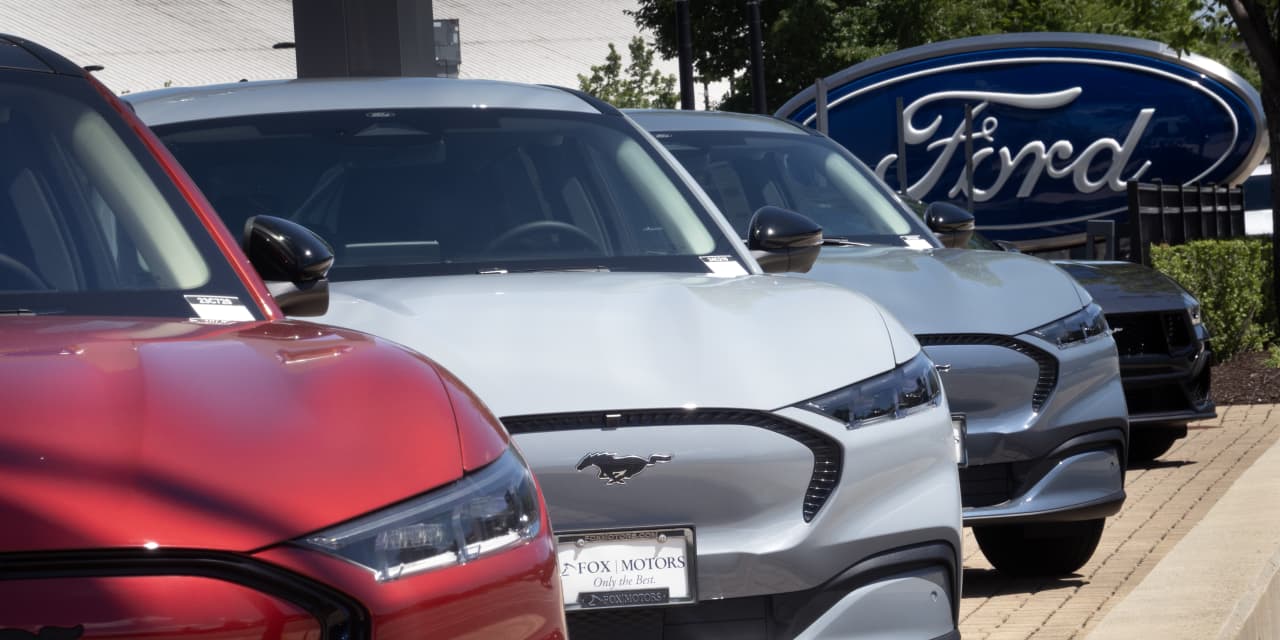
U.S. Automotive Industry Faces Spring Test Amid Tax Season
- Tax Impact on Buying Intent: With tax season underway, the average tax refund for Americans is projected to rise by 10.9% to $2,290, potentially encouraging consumers priced out of the new vehicle market to reconsider purchases, thereby offering a short-term sales boost for the automotive industry.
- Historical Sales Trends: March is typically a peak month for U.S. vehicle sales, averaging 9.1% of annual new vehicle sales over the past 12 years, second only to December at 9.3%, suggesting that tax changes could drive a rebound in sales during this critical period.
- Loan Condition Changes: Despite current federal interest rates between 3.5% and 3.75%, leading to higher financing costs, consumers are agreeing to longer-term loans, with Carmax reporting an average monthly payment of $772 for new vehicles, reflecting buyers' adaptive strategies in a high-price environment.
- Low Consumer Confidence: Even with additional tax funds, consumer confidence fell to 84.5 in January, the lowest since May 2014, indicating that high prices and a weakening labor market negatively impact purchasing decisions, leaving buying intent under significant pressure.
See More