

Apple Faces Executive Turnover Amid Concerns Over Potential Departure of Chip Chief

Executive Departures: Apple is experiencing significant turnover in its top management, with key figures in artificial intelligence and interface design leaving, raising concerns about the company's future in AI development.
Impact on AI Development: The loss of talent, including the AI chief John Giannandrea, could hinder Apple's progress in AI, especially as competitors attract its skilled personnel.
Challenges Ahead: Apple faces the challenge of rebuilding its team and innovating in a competitive landscape, as it has not successfully launched a new product category in a decade.
CEO's Assurance: Despite the executive shake-up, CEO Tim Cook claims that Apple is working on its most innovative product lineup yet, although the company’s recent performance in AI has been underwhelming.
Trade with 70% Backtested Accuracy
Analyst Views on META

About META
About the author

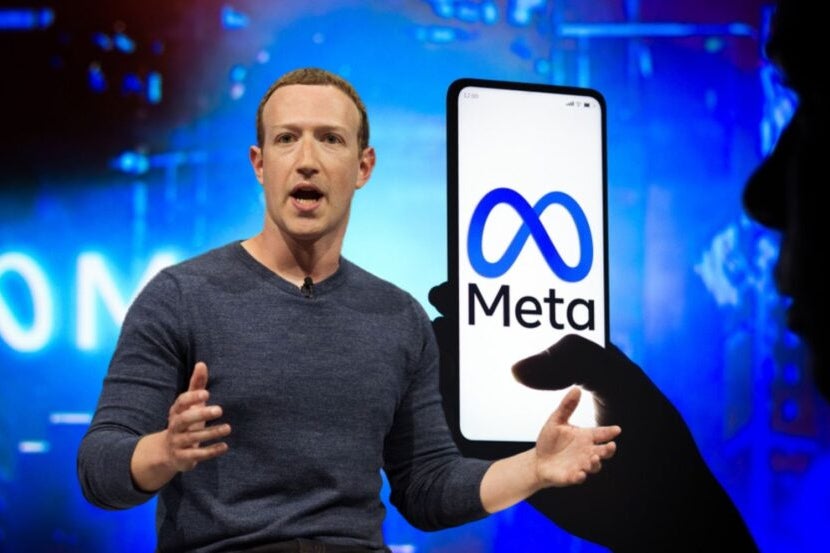
Meta Signs $50M AI Content Licensing Deal with News Corp


- Deal Value and Duration: Meta's AI content licensing agreement with News Corp is valued at $50 million annually and spans at least three years, allowing Meta to utilize News Corp's content in the U.S. and U.K., thereby enhancing the richness of its AI products and competitive positioning in the market.
- Market Reaction: Following the announcement, News Corp's shares rose 1.2% in after-hours trading, while Meta's shares slipped slightly, indicating a positive market response to News Corp and a more cautious outlook on Meta, reflecting differing investor sentiments regarding the future collaboration of the two companies.
- CEO Hints and Future Plans: News Corp CEO Robert Thomson hinted at the deal during an investment conference, stating that the company is in advanced negotiations with other parties, indicating a strategic acceleration in News Corp's AI initiatives and the potential for more collaborations in the future.
- Industry Context: News Corp's $250 million content licensing deal with OpenAI in 2024 highlights its proactive expansion in the AI content space, while its partnership with Google has also generated an annual revenue of $6 million, further solidifying its position in the digital content market.

Oklo Partners with Meta for Nuclear Project Funding

- Partnership Agreement: Oklo has signed a deal with tech giant Meta, which will prepay for power generated at Oklo's Ohio plant, providing essential funding despite construction not starting until 2026.
- Technological Outlook: Oklo is focused on developing small modular reactors (SMRs) designed to use recycled nuclear fuel, which could be deployed closer to population centers, although it currently lacks a commercially operating reactor.
- Electricity Production Timeline: Oklo does not expect to generate electricity until 2030, with its planned 1.2 gigawatt project not fully operational until at least 2034, highlighting the long-term nature and high capital requirements of the project.
- Investment Risk Advisory: While the partnership with Meta offers funding security, investors should remain cautious as Oklo is still in a high-risk phase and has yet to achieve sustainable profitability, suggesting that waiting for more milestones may be prudent before investing.

Oklo Secures Key Deal with Meta for Nuclear Project
- Significance of Partnership: Oklo's agreement with Meta involves prepayment for power generated at its Ohio nuclear plant, providing crucial funding despite the company not having broken ground yet, with electricity generation expected only by 2030.
- Technological Potential: Focused on developing small modular reactors (SMRs), Oklo's design incorporates modern safety protocols and recycled nuclear fuel, attracting investor interest even though it lacks a commercially operating reactor.
- Market Risk Assessment: While the partnership with Meta offers financial security, investors should remain cautious as Oklo is still in a high-risk phase, with sustainable profitability not anticipated until after 2034.
- Competitive Landscape: Despite the promising technology, Oklo faces intense competition in the market, and analysts recommend that investors consider more stable investment options until Oklo achieves additional milestones.

Global Stock Markets Plunge as Oil Prices Surge Amid Iran Conflict


- Stock Market Decline: The S&P 500 index fell by 2.18%, reaching a 3.25-month low, indicating market concerns over the Iran conflict that may lead to decreased investor confidence and increased volatility.
- Surge in Oil Prices: WTI crude oil prices rose over 8% to an 8.5-month high due to Iran's threats to close the Strait of Hormuz, potentially causing long-term disruptions in global energy markets and raising inflation expectations.
- Rising Bond Yields: The 10-year German bund yield climbed to a 2.5-week high of 2.814%, reflecting market worries about future inflation, which may prompt investors to shift towards bonds for safety.
- Economic Data Focus: This week, the market will focus on U.S. employment data and economic indicators, with the ADP employment change expected to rise by 40,000 and the ISM services index anticipated to slip slightly, indicating potential economic slowdown.

South Korean Market Turbulence Signals U.S. Stock Trends


- Market Signal: The South Korean ETF (EWY) experienced an approximately 11% selloff overnight, indicating its role as a 'canary in the coal mine' for potential turbulence in the U.S. stock market.
- Profit Signal: Following a buy signal on April 9, 2025, the South Korean ETF (EWY) has shown a strong upward trend, with recent sell-offs prompting investors to consider taking partial profits.
- Memory Market Dynamics: Due to surging AI demand, major memory manufacturers like Samsung Electronics and SK Hynix are perceived as lower risk compared to other AI stocks, contributing to South Korea's market outperforming QQQ by 27.48%.
- Global Industrial Recovery: As a major exporter of industrial goods, South Korea benefits from a global uptick in industrial activity, further bolstering investor confidence in the market.

Global Stock Markets Plunge as Oil Prices Surge Amid Iran Conflict
- Market Decline: The S&P 500 index fell by 1.82%, the Dow Jones Industrial Average dropped by 2.07%, and the Nasdaq 100 decreased by 1.78%, marking a 2.5-month low for the S&P 500, indicating growing concerns about the global economic outlook.
- Surging Oil Prices: WTI crude oil prices surged over 7% to an 8.5-month high due to escalating conflict in Iran, raising fears of energy supply disruptions and increasing inflation expectations, which negatively impact stock market performance.
- Rising Bond Yields: The 10-year German bund yield reached a 2.5-week high of 2.814%, while the 10-year UK gilt yield climbed to a 3-week high of 4.536%, reflecting market concerns over future inflation, further pressuring stock prices.
- Earnings Outlook: Despite market volatility, 73% of S&P 500 companies exceeded earnings expectations, with Q4 earnings growth projected at 8.4%, indicating strong corporate fundamentals, yet market sentiment remains subdued.
Meta Signs $50M AI Content Licensing Deal with News Corp
- Deal Value and Duration: Meta's AI content licensing agreement with News Corp is valued at $50 million annually and spans at least three years, allowing Meta to utilize News Corp's content in the U.S. and U.K., thereby enhancing the richness of its AI products and competitive positioning in the market.
- Market Reaction: Following the announcement, News Corp's shares rose 1.2% in after-hours trading, while Meta's shares slipped slightly, indicating a positive market response to News Corp and a more cautious outlook on Meta, reflecting differing investor sentiments regarding the future collaboration of the two companies.
- CEO Hints and Future Plans: News Corp CEO Robert Thomson hinted at the deal during an investment conference, stating that the company is in advanced negotiations with other parties, indicating a strategic acceleration in News Corp's AI initiatives and the potential for more collaborations in the future.
- Industry Context: News Corp's $250 million content licensing deal with OpenAI in 2024 highlights its proactive expansion in the AI content space, while its partnership with Google has also generated an annual revenue of $6 million, further solidifying its position in the digital content market.
Oklo Partners with Meta for Nuclear Project Funding
- Partnership Agreement: Oklo has signed a deal with tech giant Meta, which will prepay for power generated at Oklo's Ohio plant, providing essential funding despite construction not starting until 2026.
- Technological Outlook: Oklo is focused on developing small modular reactors (SMRs) designed to use recycled nuclear fuel, which could be deployed closer to population centers, although it currently lacks a commercially operating reactor.
- Electricity Production Timeline: Oklo does not expect to generate electricity until 2030, with its planned 1.2 gigawatt project not fully operational until at least 2034, highlighting the long-term nature and high capital requirements of the project.
- Investment Risk Advisory: While the partnership with Meta offers funding security, investors should remain cautious as Oklo is still in a high-risk phase and has yet to achieve sustainable profitability, suggesting that waiting for more milestones may be prudent before investing.
Oklo Secures Key Deal with Meta for Nuclear Project
- Significance of Partnership: Oklo's agreement with Meta involves prepayment for power generated at its Ohio nuclear plant, providing crucial funding despite the company not having broken ground yet, with electricity generation expected only by 2030.
- Technological Potential: Focused on developing small modular reactors (SMRs), Oklo's design incorporates modern safety protocols and recycled nuclear fuel, attracting investor interest even though it lacks a commercially operating reactor.
- Market Risk Assessment: While the partnership with Meta offers financial security, investors should remain cautious as Oklo is still in a high-risk phase, with sustainable profitability not anticipated until after 2034.
- Competitive Landscape: Despite the promising technology, Oklo faces intense competition in the market, and analysts recommend that investors consider more stable investment options until Oklo achieves additional milestones.
Global Stock Markets Plunge as Oil Prices Surge Amid Iran Conflict
- Stock Market Decline: The S&P 500 index fell by 2.18%, reaching a 3.25-month low, indicating market concerns over the Iran conflict that may lead to decreased investor confidence and increased volatility.
- Surge in Oil Prices: WTI crude oil prices rose over 8% to an 8.5-month high due to Iran's threats to close the Strait of Hormuz, potentially causing long-term disruptions in global energy markets and raising inflation expectations.
- Rising Bond Yields: The 10-year German bund yield climbed to a 2.5-week high of 2.814%, reflecting market worries about future inflation, which may prompt investors to shift towards bonds for safety.
- Economic Data Focus: This week, the market will focus on U.S. employment data and economic indicators, with the ADP employment change expected to rise by 40,000 and the ISM services index anticipated to slip slightly, indicating potential economic slowdown.
South Korean Market Turbulence Signals U.S. Stock Trends
- Market Signal: The South Korean ETF (EWY) experienced an approximately 11% selloff overnight, indicating its role as a 'canary in the coal mine' for potential turbulence in the U.S. stock market.
- Profit Signal: Following a buy signal on April 9, 2025, the South Korean ETF (EWY) has shown a strong upward trend, with recent sell-offs prompting investors to consider taking partial profits.
- Memory Market Dynamics: Due to surging AI demand, major memory manufacturers like Samsung Electronics and SK Hynix are perceived as lower risk compared to other AI stocks, contributing to South Korea's market outperforming QQQ by 27.48%.
- Global Industrial Recovery: As a major exporter of industrial goods, South Korea benefits from a global uptick in industrial activity, further bolstering investor confidence in the market.
Global Stock Markets Plunge as Oil Prices Surge Amid Iran Conflict
- Market Decline: The S&P 500 index fell by 1.82%, the Dow Jones Industrial Average dropped by 2.07%, and the Nasdaq 100 decreased by 1.78%, marking a 2.5-month low for the S&P 500, indicating growing concerns about the global economic outlook.
- Surging Oil Prices: WTI crude oil prices surged over 7% to an 8.5-month high due to escalating conflict in Iran, raising fears of energy supply disruptions and increasing inflation expectations, which negatively impact stock market performance.
- Rising Bond Yields: The 10-year German bund yield reached a 2.5-week high of 2.814%, while the 10-year UK gilt yield climbed to a 3-week high of 4.536%, reflecting market concerns over future inflation, further pressuring stock prices.
- Earnings Outlook: Despite market volatility, 73% of S&P 500 companies exceeded earnings expectations, with Q4 earnings growth projected at 8.4%, indicating strong corporate fundamentals, yet market sentiment remains subdued.




