

Analysis of Tesla's Earnings and Capital Spending Plans
Written by Emily J. Thompson, Senior Investment Analyst
Updated: Feb 04 2026
0mins


Should l Buy TSLA?
Source: NASDAQ.COM
- Earnings Performance: Tesla reported earnings per share of $0.50 for the fourth quarter, exceeding estimates but down 63% year-over-year, marking the lowest results since 2020, indicating pressure on its automotive business.
- Capital Spending Plans: Tesla announced plans to increase its capital expenditures to $20 billion for 2026, more than doubling previous levels, reflecting the company's ambitions in autonomy and robotics, while raising concerns about its financial health.
- Product Line Adjustments: Tesla will discontinue its S and X models, which account for only 5% of total sales, aiming to reallocate resources towards the more promising production of Optimus robots, demonstrating a commitment to strategic transformation.
- Intensifying Market Competition: Tesla's automotive revenue declined by 11% in the fourth quarter, facing increasing pressure from competitors like GM in the electric vehicle market, suggesting a need for accelerated transformation to maintain market share.
Trade with 70% Backtested Accuracy
Stop guessing "Should I Buy TSLA?" and start using high-conviction signals backed by rigorous historical data.
Sign up today to access powerful investing tools and make smarter, data-driven decisions.
Analyst Views on TSLA
Wall Street analysts forecast TSLA stock price to fall
30 Analyst Rating
12 Buy
11 Hold
7 Sell
Hold
Current: 403.320

Low
25.28
Averages
401.93
High
600.00
Current: 403.320
Low
25.28
Averages
401.93
High
600.00
About TSLA
Tesla, Inc. designs, develops, manufactures, sells and leases high-performance fully electric vehicles and energy generation and storage systems, and offers services related to its products. Its segments include automotive, and energy generation and storage. The automotive segment includes the design, development, manufacturing, sales and leasing of high-performance fully electric vehicles, and sales of automotive regulatory credits. It also includes sales of used vehicles, non-warranty maintenance services and collisions, part sales, paid supercharging, insurance services revenue and retail merchandise sales. The energy generation and storage segment include the design, manufacture, installation, sales and leasing of solar energy generation and energy storage products and related services and sales of solar energy systems incentives. Its consumer vehicles include the Model 3, Y, S, X and Cybertruck. Its lithium-ion battery energy storage products include Powerwall and Megapack.
About the author

Emily J. Thompson
Emily J. Thompson, a Chartered Financial Analyst (CFA) with 12 years in investment research, graduated with honors from the Wharton School. Specializing in industrial and technology stocks, she provides in-depth analysis for Intellectia’s earnings and market brief reports.
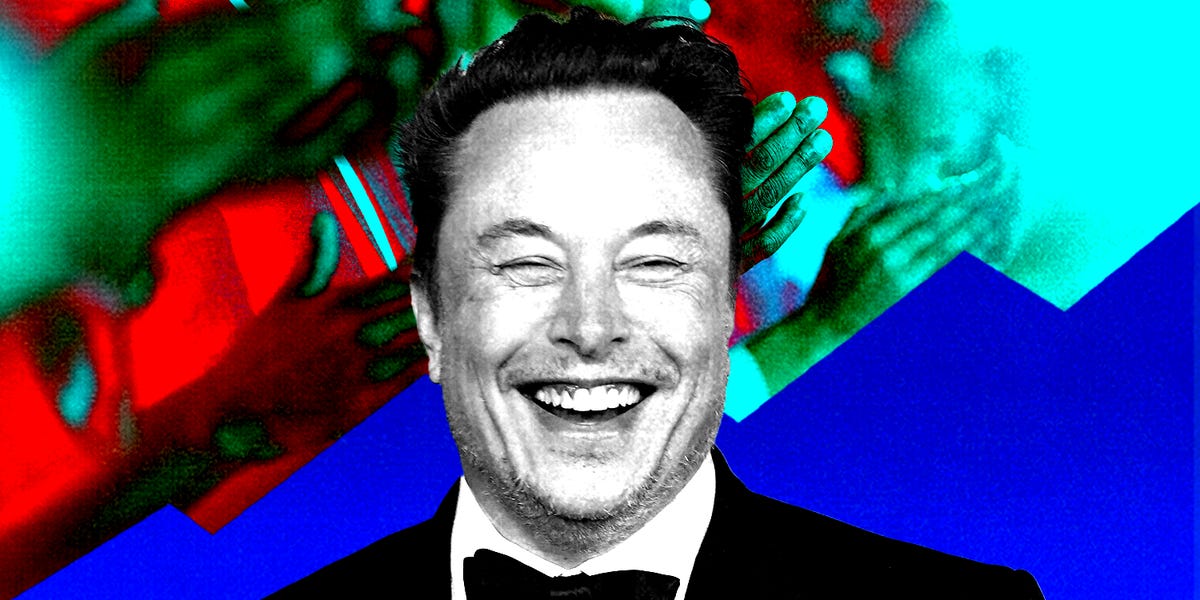
Tesla Doubles Down on AI Investment Amid Risks and Opportunities

- Increased Capital Expenditure: Tesla plans to more than double its capital expenditures from $8.5 billion to $20 billion in 2023, focusing on AI, robotics, and driverless technologies, reflecting the company's ambitious growth strategy but also introducing higher operational risks.
- Product Line Shift: The company will cease production of Model S and X vehicles to focus on manufacturing Optimus robots at its California factory, marking a significant strategic pivot that could impact the profitability of its EV business.
- Market Valuation Pressure: With Tesla trading at nearly 400 times its trailing earnings, investor expectations for future growth are extremely high, and failure to meet these expectations could lead to a significant sell-off in the stock, increasing investment risks.
- Long-Term Development Goals: Musk aims to launch Optimus robots to the public by 2027, and while this vision holds potential, the risks associated with the transition could adversely affect the company's short-term financial performance.
See More
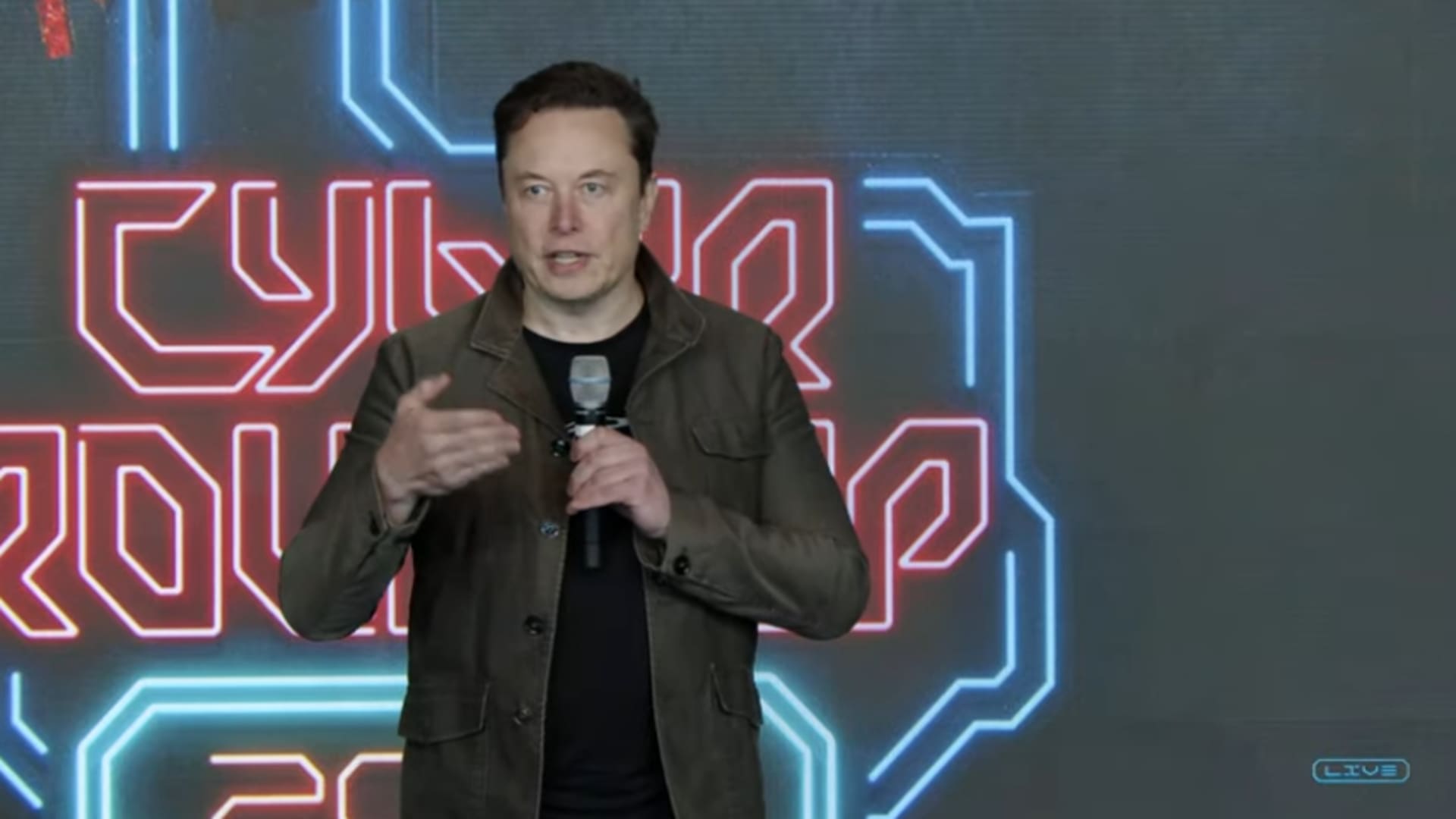
Charlie Munger Exits BYD Before Sales Decline
- Significant Investment Return: Charlie Munger invested $230 million in BYD in 2008 for a 10% stake, marking it as a successful investment for Berkshire Hathaway; however, the firm began exiting its position in 2022 and fully sold its stake by Q3 2025, just before a sales decline.
- Sales Decline Raises Concerns: According to Trung Phan on social media, BYD's sales dropped in the first two months of 2026, raising widespread market concern, particularly from Tesla CEO Elon Musk, who expressed worries about the trend.
- Market Sensitivity: Munger noted in an interview that he had never made a better investment at Berkshire than BYD, highlighting the company's influence in the EV market, yet the sales decline could impact its future market performance.
- Strategic Exit Timing: Berkshire's exit coincided with BYD's sales drop, indicating investors' sensitivity to market dynamics and risk aversion, which may affect other investors' confidence and market expectations.
See More
Tesla Pursues Artificial General Intelligence Technologies
- Capital Expenditure Surge: Tesla anticipates capital expenditures exceeding $20 billion in 2026, a significant increase from $8.5 billion in 2025, which will support the production of the Cybercab, Tesla Semi, and Optimus robots, highlighting the company's ambitions in the EV and robotics sectors.
- AGI Development Vision: Musk stated that Tesla is committed to developing Artificial General Intelligence (AGI) capable of performing various human cognitive tasks, aiming for a breakthrough by 2026, leveraging its robust computing resources and real-world driving data.
- Optimus Robot Progress: Tesla plans to launch an updated version of the Optimus model in Q1 this year and aims to begin manufacturing by year-end, with Musk emphasizing that the robot will learn by observing human behavior, enhancing its application range and market competitiveness.
- Positive Market Reaction: Tesla's stock rose over 1% in Wednesday's premarket trading, with retail sentiment shifting from 'extremely bullish' to 'bullish', reflecting market confidence in Tesla's future developments.
See More
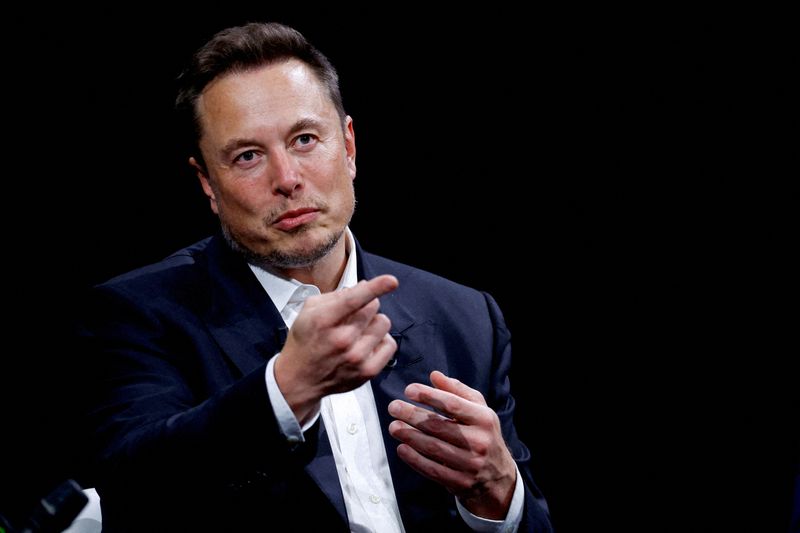
Dogecoin's Future Outlook Remains Grim
- Market Value Decline: Dogecoin peaked at a market cap of $90 billion in 2021 but has since lost over 90% of its value, currently trading at $0.09, significantly below its 2021 high of $0.73, indicating unsustainable market demand.
- Lack of Practical Use: With only 2,172 businesses worldwide accepting Dogecoin as payment, its limited application prevents it from being an effective store of value, further constraining its market potential.
- Unlimited Supply Issue: Dogecoin can mine 5 billion new tokens annually, leading to a continuous increase in circulating supply, which is projected to double over the next 34 years, creating downward pressure on its price and hindering long-term appreciation.
- Speculative Behavior Without Support: The two major rallies of Dogecoin were driven by endorsements from celebrities like Elon Musk rather than intrinsic value, and the absence of a sustainable demand base casts a shadow over its future prospects.
See More
Dogecoin's Value Plummets Significantly
- Market Value Fluctuation: Dogecoin reached a market cap of over $90 billion in 2021, surpassing many companies in the S&P 500, but by mid-2022, it had lost more than 90% of its value, currently trading at just $0.09, indicating significant market instability.
- Supply Issues Impact: The infinite supply of Dogecoin is one of its biggest flaws, as 5 billion new tokens can be mined each year without an end date, leading to a projected doubling of total supply in the next 34 years, which could necessitate a 50% price drop to maintain market cap.
- Lack of Practical Use: Currently, only 2,172 businesses worldwide accept Dogecoin as a payment method, lacking widespread application, which undermines its viability as a store of value and further erodes investor confidence.
- Pessimistic Future Outlook: Despite speculation that Dogecoin could rebound to $1 by 2026, analysts believe this target is increasingly unlikely due to the absence of sustainable demand and use cases, urging investors to approach with caution.
See More
Billionaire Leo KoGuan Buys Nvidia Shares to Support Market

- Significant Nvidia Purchase: Billionaire Leo KoGuan purchased 1 million shares of Nvidia on Tuesday, investing approximately $180 million, demonstrating his strong belief in the future of artificial intelligence despite Nvidia's 7.4% decline over the past week.
- Market Confidence Signal: KoGuan plans to buy another 1 million shares of Nvidia to signal support to a nervous market, asserting that AI is not a bubble but merely the beginning, which could positively influence market sentiment.
- Tesla Holdings Dynamics: Although KoGuan expresses skepticism about Tesla's future and plans to pare down his stake by late 2024, he still holds 27.7 million shares, indicating confidence in the company's long-term potential.
- Market Reaction: Following KoGuan's Nvidia purchase, the stock rose 0.7% in premarket trading on Wednesday, while Tesla shares also increased by 0.38%, reflecting a positive market response to his investment decisions.
See More
Tesla Doubles Down on AI Investment Amid Risks and Opportunities
- Increased Capital Expenditure: Tesla plans to more than double its capital expenditures from $8.5 billion to $20 billion in 2023, focusing on AI, robotics, and driverless technologies, reflecting the company's ambitious growth strategy but also introducing higher operational risks.
- Product Line Shift: The company will cease production of Model S and X vehicles to focus on manufacturing Optimus robots at its California factory, marking a significant strategic pivot that could impact the profitability of its EV business.
- Market Valuation Pressure: With Tesla trading at nearly 400 times its trailing earnings, investor expectations for future growth are extremely high, and failure to meet these expectations could lead to a significant sell-off in the stock, increasing investment risks.
- Long-Term Development Goals: Musk aims to launch Optimus robots to the public by 2027, and while this vision holds potential, the risks associated with the transition could adversely affect the company's short-term financial performance.
See More
Charlie Munger Exits BYD Before Sales Decline
- Significant Investment Return: Charlie Munger invested $230 million in BYD in 2008 for a 10% stake, marking it as a successful investment for Berkshire Hathaway; however, the firm began exiting its position in 2022 and fully sold its stake by Q3 2025, just before a sales decline.
- Sales Decline Raises Concerns: According to Trung Phan on social media, BYD's sales dropped in the first two months of 2026, raising widespread market concern, particularly from Tesla CEO Elon Musk, who expressed worries about the trend.
- Market Sensitivity: Munger noted in an interview that he had never made a better investment at Berkshire than BYD, highlighting the company's influence in the EV market, yet the sales decline could impact its future market performance.
- Strategic Exit Timing: Berkshire's exit coincided with BYD's sales drop, indicating investors' sensitivity to market dynamics and risk aversion, which may affect other investors' confidence and market expectations.
See More
Tesla Pursues Artificial General Intelligence Technologies
- Capital Expenditure Surge: Tesla anticipates capital expenditures exceeding $20 billion in 2026, a significant increase from $8.5 billion in 2025, which will support the production of the Cybercab, Tesla Semi, and Optimus robots, highlighting the company's ambitions in the EV and robotics sectors.
- AGI Development Vision: Musk stated that Tesla is committed to developing Artificial General Intelligence (AGI) capable of performing various human cognitive tasks, aiming for a breakthrough by 2026, leveraging its robust computing resources and real-world driving data.
- Optimus Robot Progress: Tesla plans to launch an updated version of the Optimus model in Q1 this year and aims to begin manufacturing by year-end, with Musk emphasizing that the robot will learn by observing human behavior, enhancing its application range and market competitiveness.
- Positive Market Reaction: Tesla's stock rose over 1% in Wednesday's premarket trading, with retail sentiment shifting from 'extremely bullish' to 'bullish', reflecting market confidence in Tesla's future developments.
See More
Dogecoin's Future Outlook Remains Grim
- Market Value Decline: Dogecoin peaked at a market cap of $90 billion in 2021 but has since lost over 90% of its value, currently trading at $0.09, significantly below its 2021 high of $0.73, indicating unsustainable market demand.
- Lack of Practical Use: With only 2,172 businesses worldwide accepting Dogecoin as payment, its limited application prevents it from being an effective store of value, further constraining its market potential.
- Unlimited Supply Issue: Dogecoin can mine 5 billion new tokens annually, leading to a continuous increase in circulating supply, which is projected to double over the next 34 years, creating downward pressure on its price and hindering long-term appreciation.
- Speculative Behavior Without Support: The two major rallies of Dogecoin were driven by endorsements from celebrities like Elon Musk rather than intrinsic value, and the absence of a sustainable demand base casts a shadow over its future prospects.
See More
Dogecoin's Value Plummets Significantly
- Market Value Fluctuation: Dogecoin reached a market cap of over $90 billion in 2021, surpassing many companies in the S&P 500, but by mid-2022, it had lost more than 90% of its value, currently trading at just $0.09, indicating significant market instability.
- Supply Issues Impact: The infinite supply of Dogecoin is one of its biggest flaws, as 5 billion new tokens can be mined each year without an end date, leading to a projected doubling of total supply in the next 34 years, which could necessitate a 50% price drop to maintain market cap.
- Lack of Practical Use: Currently, only 2,172 businesses worldwide accept Dogecoin as a payment method, lacking widespread application, which undermines its viability as a store of value and further erodes investor confidence.
- Pessimistic Future Outlook: Despite speculation that Dogecoin could rebound to $1 by 2026, analysts believe this target is increasingly unlikely due to the absence of sustainable demand and use cases, urging investors to approach with caution.
See More
Billionaire Leo KoGuan Buys Nvidia Shares to Support Market
- Significant Nvidia Purchase: Billionaire Leo KoGuan purchased 1 million shares of Nvidia on Tuesday, investing approximately $180 million, demonstrating his strong belief in the future of artificial intelligence despite Nvidia's 7.4% decline over the past week.
- Market Confidence Signal: KoGuan plans to buy another 1 million shares of Nvidia to signal support to a nervous market, asserting that AI is not a bubble but merely the beginning, which could positively influence market sentiment.
- Tesla Holdings Dynamics: Although KoGuan expresses skepticism about Tesla's future and plans to pare down his stake by late 2024, he still holds 27.7 million shares, indicating confidence in the company's long-term potential.
- Market Reaction: Following KoGuan's Nvidia purchase, the stock rose 0.7% in premarket trading on Wednesday, while Tesla shares also increased by 0.38%, reflecting a positive market response to his investment decisions.
See More




