Alcohol Trends: Decreasing Consumption Rates with Potential Growth in Innovation and M&A

Decline in Alcohol Consumption: The percentage of U.S. adults consuming alcohol has dropped to a multi-decade low of about 54%, with significant declines among younger adults under 35, influenced by changing health perceptions and the rise of no- and low-alcohol alternatives.
Spending Trends: Bank of America reported an 8.6% year-over-year decline in spending at U.S. alcohol stores, with younger generations like Gen-Z and Millennials showing the largest decreases in alcohol-related purchases.
Health Consciousness and Social Changes: Increased awareness of health risks associated with alcohol, along with economic pressures and shifts in social behaviors, such as earlier socializing and online engagement, are contributing to reduced alcohol consumption.
Market Implications and Industry Shifts: The decline in alcohol consumption is affecting major beverage companies, prompting non-alcoholic brands to enter the alcohol market, while traditional alcohol companies explore new product lines, indicating potential for future mergers and acquisitions in the sector.
Trade with 70% Backtested Accuracy
Analyst Views on BUD

About BUD
About the author

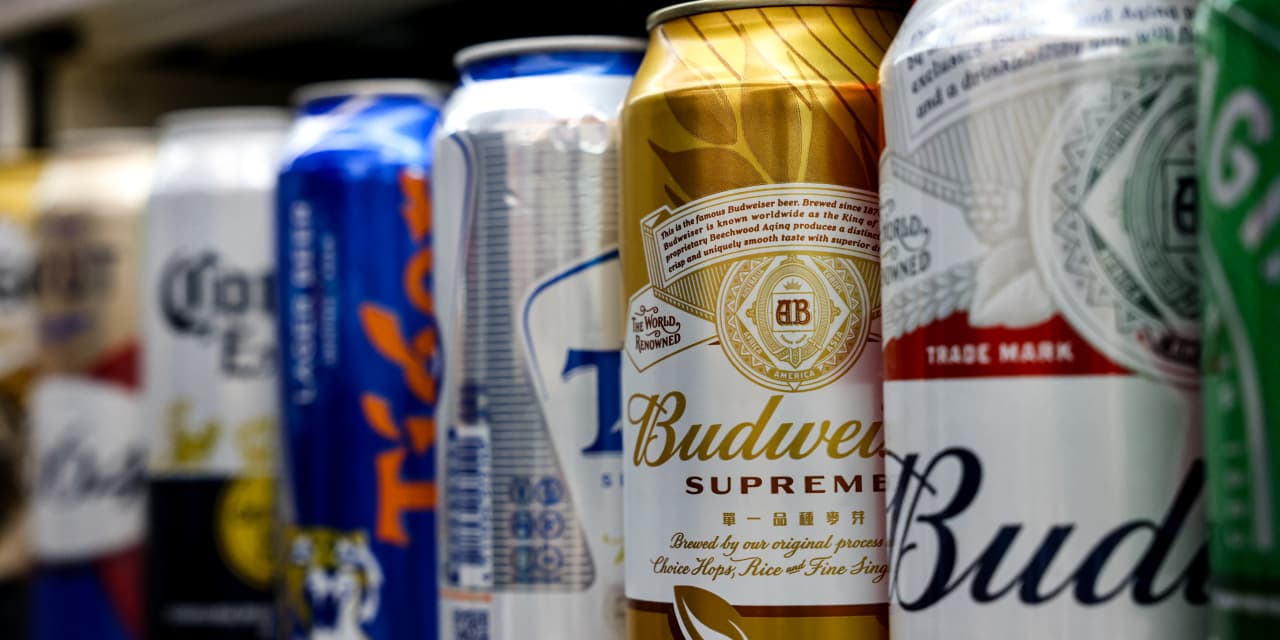
Beer Stocks Show Strong Recovery Momentum

- Earnings Growth Trend: Heineken's current year earnings estimates have risen by 5.3% over the past month, while next year's consensus has increased by 4.6%, indicating growing market confidence in its profitability, which could drive further stock price increases.
- Valuation Re-rating Potential: With earnings growing in the teens while revenue expands at single-digit rates, the potential for valuation re-rating of these mature beverage companies is significant, especially given their forward P/E ratios well below the S&P 500, which may attract more investor interest.
- Technical Setup Improvement: Heineken, Anheuser-Busch InBev, and Carlsberg stocks are all showing positive technical setups, reflecting ongoing accumulation by institutional investors, suggesting a recovery in market confidence towards these stocks.
- Market Sentiment Shift: As the overly pessimistic expectations around alcohol stocks have been priced in, the current buying dynamics may trigger a broader earnings upgrade cycle, providing support for stock prices and driving sustained increases over the coming quarters.
Anheuser-Busch InBev Acquires BeatBox to Enhance Portfolio
- Acquisition Overview: Anheuser-Busch InBev officially acquired an 85% stake in BeatBox for approximately $490 million, with a path to 100% ownership in five years, strategically enhancing its rapidly growing Beyond Beer portfolio.
- Brand Growth Potential: BeatBox ranks as the fifth fastest-growing brand by dollar sales in the U.S. hard beverage industry, attracting younger consumers with its 'party-in-a-box' concept and diverse fruit flavors, which is expected to significantly boost Anheuser-Busch's market share.
- Product Features and Market Positioning: BeatBox's beverages are primarily wine-based with alcohol content typically at 11.1% or 8.0%, utilizing vegan ingredients and certified food colorings, aligning with modern consumer preferences for health and sustainability, thereby enhancing brand competitiveness.
- Future Growth Outlook: Anheuser-Busch anticipates 4% to 8% organic EBITDA growth in 2026, and with BeatBox's integration, it aims to further drive digital expansion and brand diversification strategies, enhancing overall profitability.
BUD Options Trading Analysis and Strategies
- Put Option Strategy: The current bid for the $77.50 put option is $4.90, and if an investor sells this option, they commit to buying the stock at $77.50, effectively lowering their cost basis to $72.60, which is a 1% discount from the current price of $78.39, making it attractive for those interested in BUD.
- Return Potential Assessment: Should the put option expire worthless, it would yield a 6.32% cash return, or 5.96% annualized, known as YieldBoost, highlighting the strategy's appeal for investors.
- Call Option Opportunity: The $82.50 call option has a current bid of $5.40, and if an investor buys BUD shares at $78.39 and sells this call option, they could achieve a total return of 12.13% if the stock is called away at the March 2027 expiration.
- Risk and Reward Analysis: The $82.50 strike represents a 5% premium over the current stock price, with a 48% chance of the call option expiring worthless, allowing investors to retain both their shares and the premium collected, thus enhancing their overall returns.
Technical Indicators Suggest Alcohol Stocks Could Be Overextended Following Staples Surge

- Consumer Staples Sector Performance: The consumer staples sector has been experiencing significant growth recently.
- S&P 500 Weighting: Its appeal may be partly due to its relatively small representation in the S&P 500, accounting for about 5%.
Budweiser Exceeds Expectations in Q4 Earnings
- Sales Growth: Budweiser's Q4 sales rose by 2.5%, with earnings per share increasing by 7.5%, both surpassing analyst expectations, indicating the company's resilience in a competitive market.
- Profit Guidance: The company set its 2026 operating profit guidance at a growth range of 4% to 8%, reflecting management's confidence in future performance, particularly amid challenges posed by commoditized products in the beer industry.
- Market Demand: Despite a 1.5% decline in volume for Q4, management noted that changing consumer preferences towards healthier lifestyles are reshaping the market, with expectations for volume boosts from major sporting events like the World Cup, particularly strong demand for Corona beer during the Winter Olympics.
- Brand Image Improvement: Budweiser is enhancing its brand image through high-profile Super Bowl ads, which are expected to continue boosting its influence in the U.S. market, especially as consumer affinity for the brand increases.

Anheuser-Busch InBev Q4 2025 Earnings Highlights
- Strong Financial Performance: Anheuser-Busch reported a 6% increase in earnings per share (EPS) to $3.73 for 2025, alongside a 4.9% EBITDA growth, demonstrating the company's resilience and consistent strategic execution in a dynamic consumer environment.
- Market Share Gains: In North America, Michelob Ultra and Busch Light drove share gains in both beer and spirits, while revenue from Beyond Beer and non-alcoholic beer grew by 23% and 34%, respectively, indicating robust performance in emerging markets.
- Increased Shareholder Returns: The company announced a final dividend of EUR 1 per share and a $6 billion share buyback program, with an overall dividend increase of 15% year-over-year, reflecting a commitment to shareholders and financial health.
- Optimistic Future Outlook: Management expects EBITDA to grow organically by 4% to 8% in 2026, maintaining an unchanged medium-term outlook, emphasizing ongoing investments in digitalization and innovation to capture future industry growth opportunities.
Beer Stocks Show Strong Recovery Momentum
- Earnings Growth Trend: Heineken's current year earnings estimates have risen by 5.3% over the past month, while next year's consensus has increased by 4.6%, indicating growing market confidence in its profitability, which could drive further stock price increases.
- Valuation Re-rating Potential: With earnings growing in the teens while revenue expands at single-digit rates, the potential for valuation re-rating of these mature beverage companies is significant, especially given their forward P/E ratios well below the S&P 500, which may attract more investor interest.
- Technical Setup Improvement: Heineken, Anheuser-Busch InBev, and Carlsberg stocks are all showing positive technical setups, reflecting ongoing accumulation by institutional investors, suggesting a recovery in market confidence towards these stocks.
- Market Sentiment Shift: As the overly pessimistic expectations around alcohol stocks have been priced in, the current buying dynamics may trigger a broader earnings upgrade cycle, providing support for stock prices and driving sustained increases over the coming quarters.
Anheuser-Busch InBev Acquires BeatBox to Enhance Portfolio
- Acquisition Overview: Anheuser-Busch InBev officially acquired an 85% stake in BeatBox for approximately $490 million, with a path to 100% ownership in five years, strategically enhancing its rapidly growing Beyond Beer portfolio.
- Brand Growth Potential: BeatBox ranks as the fifth fastest-growing brand by dollar sales in the U.S. hard beverage industry, attracting younger consumers with its 'party-in-a-box' concept and diverse fruit flavors, which is expected to significantly boost Anheuser-Busch's market share.
- Product Features and Market Positioning: BeatBox's beverages are primarily wine-based with alcohol content typically at 11.1% or 8.0%, utilizing vegan ingredients and certified food colorings, aligning with modern consumer preferences for health and sustainability, thereby enhancing brand competitiveness.
- Future Growth Outlook: Anheuser-Busch anticipates 4% to 8% organic EBITDA growth in 2026, and with BeatBox's integration, it aims to further drive digital expansion and brand diversification strategies, enhancing overall profitability.
BUD Options Trading Analysis and Strategies
- Put Option Strategy: The current bid for the $77.50 put option is $4.90, and if an investor sells this option, they commit to buying the stock at $77.50, effectively lowering their cost basis to $72.60, which is a 1% discount from the current price of $78.39, making it attractive for those interested in BUD.
- Return Potential Assessment: Should the put option expire worthless, it would yield a 6.32% cash return, or 5.96% annualized, known as YieldBoost, highlighting the strategy's appeal for investors.
- Call Option Opportunity: The $82.50 call option has a current bid of $5.40, and if an investor buys BUD shares at $78.39 and sells this call option, they could achieve a total return of 12.13% if the stock is called away at the March 2027 expiration.
- Risk and Reward Analysis: The $82.50 strike represents a 5% premium over the current stock price, with a 48% chance of the call option expiring worthless, allowing investors to retain both their shares and the premium collected, thus enhancing their overall returns.
Technical Indicators Suggest Alcohol Stocks Could Be Overextended Following Staples Surge
- Consumer Staples Sector Performance: The consumer staples sector has been experiencing significant growth recently.
- S&P 500 Weighting: Its appeal may be partly due to its relatively small representation in the S&P 500, accounting for about 5%.
Budweiser Exceeds Expectations in Q4 Earnings
- Sales Growth: Budweiser's Q4 sales rose by 2.5%, with earnings per share increasing by 7.5%, both surpassing analyst expectations, indicating the company's resilience in a competitive market.
- Profit Guidance: The company set its 2026 operating profit guidance at a growth range of 4% to 8%, reflecting management's confidence in future performance, particularly amid challenges posed by commoditized products in the beer industry.
- Market Demand: Despite a 1.5% decline in volume for Q4, management noted that changing consumer preferences towards healthier lifestyles are reshaping the market, with expectations for volume boosts from major sporting events like the World Cup, particularly strong demand for Corona beer during the Winter Olympics.
- Brand Image Improvement: Budweiser is enhancing its brand image through high-profile Super Bowl ads, which are expected to continue boosting its influence in the U.S. market, especially as consumer affinity for the brand increases.
Anheuser-Busch InBev Q4 2025 Earnings Highlights
- Strong Financial Performance: Anheuser-Busch reported a 6% increase in earnings per share (EPS) to $3.73 for 2025, alongside a 4.9% EBITDA growth, demonstrating the company's resilience and consistent strategic execution in a dynamic consumer environment.
- Market Share Gains: In North America, Michelob Ultra and Busch Light drove share gains in both beer and spirits, while revenue from Beyond Beer and non-alcoholic beer grew by 23% and 34%, respectively, indicating robust performance in emerging markets.
- Increased Shareholder Returns: The company announced a final dividend of EUR 1 per share and a $6 billion share buyback program, with an overall dividend increase of 15% year-over-year, reflecting a commitment to shareholders and financial health.
- Optimistic Future Outlook: Management expects EBITDA to grow organically by 4% to 8% in 2026, maintaining an unchanged medium-term outlook, emphasizing ongoing investments in digitalization and innovation to capture future industry growth opportunities.