Oracle Faces Class Action Lawsuit Over Misleading Statements

Oracle Corp's stock rose by 5.03% in pre-market trading, crossing above its 5-day SMA, amid ongoing legal challenges.
The company is currently facing multiple class action lawsuits alleging that it made materially false and misleading statements regarding its AI infrastructure strategy, which resulted in significant capital expenditures without corresponding revenue growth. These lawsuits, filed by various law firms, claim that Oracle's lack of transparency regarding its financial health and debt risks has led to investor losses. Investors are encouraged to join the lawsuits to seek compensation for potential damages.
The implications of these lawsuits could affect Oracle's stock performance and investor confidence moving forward, as the company navigates these legal challenges while trying to maintain its growth trajectory.
Trade with 70% Backtested Accuracy
Analyst Views on ORCL

About ORCL
About the author


Amazon Data Centers Hit by Drone Strikes

- Facility Damage: Amazon Web Services (AWS) reported that two data centers in the UAE and one in Bahrain were taken offline due to drone strikes, significantly impacting service availability and stability in the region.
- Damage Assessment: The strikes caused structural damage and power disruptions, leading to fire incidents, with AWS indicating that the recovery process will be prolonged due to the complex nature of the physical damage.
- Service Impact: Several applications, including AWS's EC2 virtual servers, S3 storage service, and DynamoDB database service, experienced elevated error rates and degraded availability, affecting customers' workloads in the impacted areas.
- Customer Advisory: AWS advised customers in the Middle East to take steps to mitigate the impacts of the conflict, such as backing up data or migrating workloads to other AWS regions, in anticipation of potential instability in the future.

Salesforce's Strategic Shift in the Age of AI

- Opportunity in Crisis: Salesforce's inclusion in the Dow Jones Industrial Average on August 31, 2020, symbolizes the rise of technology, with CEO Marc Benioff noting that each crisis accelerates the company's future development.
- AI-Driven Transformation: Salesforce's Agentforce AI agents manage 50% of customer interactions, leading to a 17% reduction in support costs, demonstrating the company's adaptability and competitiveness in the AI economy.
- Share Buyback Plan: The company announced a $50 billion stock buyback to counter current market lows, with Benioff viewing this as a great buying opportunity, reflecting confidence in the company's future.
- Cautious Financial Outlook: While Salesforce exceeded analysts' fourth-quarter earnings expectations, its fiscal 2027 revenue guidance fell short, raising investor concerns about growth and AI adoption, highlighting market uncertainty.
Oracle Shareholder Class Action Reminder
- Class Action Notice: Rosen Law Firm reminds investors who purchased Oracle stock between June 12 and December 16, 2025, to apply as lead plaintiffs by April 6, 2026, to participate in the class action and potentially receive compensation.
- Fee Arrangement: Investors joining the class action will incur no upfront costs, as the law firm will operate on a contingency fee basis, thereby reducing the financial burden on investors.
- Lawsuit Background: The lawsuit alleges that Oracle made false and misleading statements during the class period, resulting in significant capital expenditures without corresponding revenue growth, leading to investor losses.
- Law Firm Credentials: Rosen Law Firm specializes in securities class actions, having secured hundreds of millions in settlements, and was ranked first in 2017 for the number of securities class action settlements, demonstrating its expertise and success in this field.
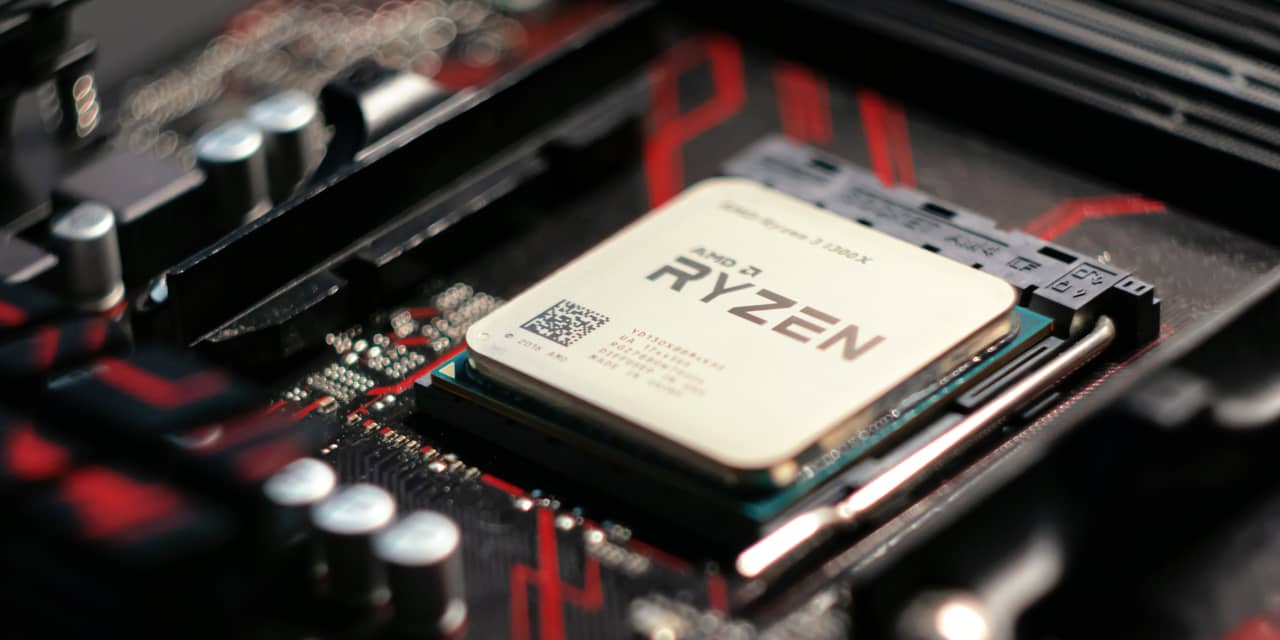
AMD's Partnership with OpenAI Raises Concerns

- Stock Performance Comparison: AMD's stock surged 77% in 2025, outpacing rival Nvidia's 39% growth, indicating strong performance in the chip market; however, this year it has declined by 8%, reflecting investor concerns over high AI spending levels.
- Risks of Partnership with OpenAI: AMD's multi-year deal with OpenAI involves supplying up to 6 gigawatts of chips, which could unlock growth opportunities, yet investors are worried about OpenAI's profitability, potentially impacting AMD's long-term financial stability.
- Market Outlook Uncertainty: Despite AMD's revenue rising 34% to $34.6 billion last year, its growth rate has slowed from 14% the previous year, making 2026 a pivotal year where sustained high growth will directly affect stock performance.
- Cautious Investor Sentiment: With AMD's current P/E ratio at 75 times earnings and pressures from its relationship with OpenAI, analysts recommend holding off on buying, indicating a lack of confidence in its future performance.

AMD's Multi-Year Partnership with OpenAI
- Partnership Overview: AMD has entered a multi-year deal with OpenAI, which involves deploying up to 6 gigawatts of AMD chips, presenting significant growth opportunities for AMD, yet raising concerns about OpenAI's profitability that could impact AMD's long-term financial stability.
- Market Performance Comparison: In 2025, AMD's stock surged by 77%, outpacing rival Nvidia's 39% growth, indicating strong investor confidence driven by AMD's launch of next-gen chips that could capture market share.
- Investor Concerns: Despite AMD's impressive performance last year, its stock has declined by 8% this year due to heightened concerns over high spending related to artificial intelligence, while Nvidia's stock fell only 2%, reflecting market apprehension regarding AMD's close ties with OpenAI.
- Future Outlook: AMD's revenue rose by 34% to $34.6 billion in 2025, but investor caution remains regarding its ability to sustain high growth, especially given its current high valuation, which could affect its stock performance moving forward.

Nvidia Stock Rating Upgraded to Buy Following Strong Quarter

- Market Reaction Discrepancy: Despite Nvidia's strong quarterly results and guidance, the stock fell over 9% on Thursday and Friday, which does not align with the robust demand for its AI computing platform discussed during the earnings call, indicating market confusion regarding future growth.
- Increased Valuation Appeal: Nvidia's forward price-to-earnings ratio has dropped from the mid-30s in August to 22 times, marking the lowest level since last April's tariff announcement, suggesting that the current stock price is more attractive amid surging AI spending, potentially drawing more investor interest.
- Analysts Optimistic on Future: Morgan Stanley has reinstated Nvidia as their top pick, replacing Micron, which surged due to AI-related memory price increases; analysts noted that while Nvidia's stock has stagnated over the past two quarters, its business has continued to strengthen, with expectations of a shift towards optimism for 2027 in the coming months.
- New Chip Development: Nvidia is designing a new chip focused on inference for everyday AI model usage, leveraging technology from Groq, an AI startup with which it signed a $20 billion non-exclusive licensing agreement, aiming to enhance AI infrastructure performance and value to counter competition from larger data center operators.
Amazon Data Centers Hit by Drone Strikes
- Facility Damage: Amazon Web Services (AWS) reported that two data centers in the UAE and one in Bahrain were taken offline due to drone strikes, significantly impacting service availability and stability in the region.
- Damage Assessment: The strikes caused structural damage and power disruptions, leading to fire incidents, with AWS indicating that the recovery process will be prolonged due to the complex nature of the physical damage.
- Service Impact: Several applications, including AWS's EC2 virtual servers, S3 storage service, and DynamoDB database service, experienced elevated error rates and degraded availability, affecting customers' workloads in the impacted areas.
- Customer Advisory: AWS advised customers in the Middle East to take steps to mitigate the impacts of the conflict, such as backing up data or migrating workloads to other AWS regions, in anticipation of potential instability in the future.
Salesforce's Strategic Shift in the Age of AI
- Opportunity in Crisis: Salesforce's inclusion in the Dow Jones Industrial Average on August 31, 2020, symbolizes the rise of technology, with CEO Marc Benioff noting that each crisis accelerates the company's future development.
- AI-Driven Transformation: Salesforce's Agentforce AI agents manage 50% of customer interactions, leading to a 17% reduction in support costs, demonstrating the company's adaptability and competitiveness in the AI economy.
- Share Buyback Plan: The company announced a $50 billion stock buyback to counter current market lows, with Benioff viewing this as a great buying opportunity, reflecting confidence in the company's future.
- Cautious Financial Outlook: While Salesforce exceeded analysts' fourth-quarter earnings expectations, its fiscal 2027 revenue guidance fell short, raising investor concerns about growth and AI adoption, highlighting market uncertainty.
Oracle Shareholder Class Action Reminder
- Class Action Notice: Rosen Law Firm reminds investors who purchased Oracle stock between June 12 and December 16, 2025, to apply as lead plaintiffs by April 6, 2026, to participate in the class action and potentially receive compensation.
- Fee Arrangement: Investors joining the class action will incur no upfront costs, as the law firm will operate on a contingency fee basis, thereby reducing the financial burden on investors.
- Lawsuit Background: The lawsuit alleges that Oracle made false and misleading statements during the class period, resulting in significant capital expenditures without corresponding revenue growth, leading to investor losses.
- Law Firm Credentials: Rosen Law Firm specializes in securities class actions, having secured hundreds of millions in settlements, and was ranked first in 2017 for the number of securities class action settlements, demonstrating its expertise and success in this field.
AMD's Partnership with OpenAI Raises Concerns
- Stock Performance Comparison: AMD's stock surged 77% in 2025, outpacing rival Nvidia's 39% growth, indicating strong performance in the chip market; however, this year it has declined by 8%, reflecting investor concerns over high AI spending levels.
- Risks of Partnership with OpenAI: AMD's multi-year deal with OpenAI involves supplying up to 6 gigawatts of chips, which could unlock growth opportunities, yet investors are worried about OpenAI's profitability, potentially impacting AMD's long-term financial stability.
- Market Outlook Uncertainty: Despite AMD's revenue rising 34% to $34.6 billion last year, its growth rate has slowed from 14% the previous year, making 2026 a pivotal year where sustained high growth will directly affect stock performance.
- Cautious Investor Sentiment: With AMD's current P/E ratio at 75 times earnings and pressures from its relationship with OpenAI, analysts recommend holding off on buying, indicating a lack of confidence in its future performance.
AMD's Multi-Year Partnership with OpenAI
- Partnership Overview: AMD has entered a multi-year deal with OpenAI, which involves deploying up to 6 gigawatts of AMD chips, presenting significant growth opportunities for AMD, yet raising concerns about OpenAI's profitability that could impact AMD's long-term financial stability.
- Market Performance Comparison: In 2025, AMD's stock surged by 77%, outpacing rival Nvidia's 39% growth, indicating strong investor confidence driven by AMD's launch of next-gen chips that could capture market share.
- Investor Concerns: Despite AMD's impressive performance last year, its stock has declined by 8% this year due to heightened concerns over high spending related to artificial intelligence, while Nvidia's stock fell only 2%, reflecting market apprehension regarding AMD's close ties with OpenAI.
- Future Outlook: AMD's revenue rose by 34% to $34.6 billion in 2025, but investor caution remains regarding its ability to sustain high growth, especially given its current high valuation, which could affect its stock performance moving forward.
Nvidia Stock Rating Upgraded to Buy Following Strong Quarter
- Market Reaction Discrepancy: Despite Nvidia's strong quarterly results and guidance, the stock fell over 9% on Thursday and Friday, which does not align with the robust demand for its AI computing platform discussed during the earnings call, indicating market confusion regarding future growth.
- Increased Valuation Appeal: Nvidia's forward price-to-earnings ratio has dropped from the mid-30s in August to 22 times, marking the lowest level since last April's tariff announcement, suggesting that the current stock price is more attractive amid surging AI spending, potentially drawing more investor interest.
- Analysts Optimistic on Future: Morgan Stanley has reinstated Nvidia as their top pick, replacing Micron, which surged due to AI-related memory price increases; analysts noted that while Nvidia's stock has stagnated over the past two quarters, its business has continued to strengthen, with expectations of a shift towards optimism for 2027 in the coming months.
- New Chip Development: Nvidia is designing a new chip focused on inference for everyday AI model usage, leveraging technology from Groq, an AI startup with which it signed a $20 billion non-exclusive licensing agreement, aiming to enhance AI infrastructure performance and value to counter competition from larger data center operators.