Oracle Faces Class Action Lawsuit Over Financial Misleading

Oracle Corp's stock has dropped significantly, hitting a 5-day low amid ongoing concerns regarding its financial transparency.
The company is facing a securities fraud class action lawsuit filed by Kessler Topaz Meltzer & Check, LLP, which alleges that Oracle misled investors about its AI infrastructure contracts, claiming they would lead to rapid revenue growth. Instead, the company has incurred massive capital expenditures without the expected revenue, raising serious concerns about its financial health and strategic risks. Investors are advised to apply by April 6, 2026, to serve as lead plaintiffs, highlighting the urgency for legal protection.
This lawsuit underscores the challenges Oracle faces in maintaining investor confidence and could impact its ability to secure funding and sustain market trust moving forward.
Trade with 70% Backtested Accuracy
Analyst Views on ORCL

About ORCL
About the author

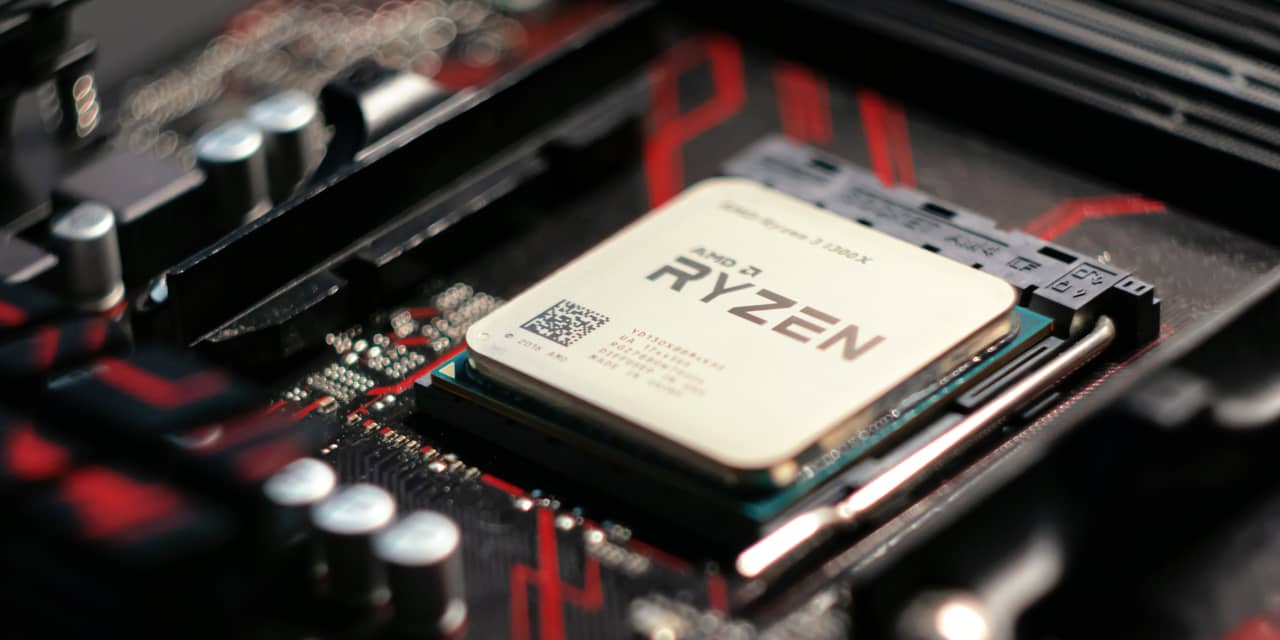
AMD's Partnership with OpenAI Raises Concerns


- Stock Performance Comparison: AMD's stock surged 77% in 2025, outpacing rival Nvidia's 39% growth, indicating strong performance in the chip market; however, this year it has declined by 8%, reflecting investor concerns over high AI spending levels.
- Risks of Partnership with OpenAI: AMD's multi-year deal with OpenAI involves supplying up to 6 gigawatts of chips, which could unlock growth opportunities, yet investors are worried about OpenAI's profitability, potentially impacting AMD's long-term financial stability.
- Market Outlook Uncertainty: Despite AMD's revenue rising 34% to $34.6 billion last year, its growth rate has slowed from 14% the previous year, making 2026 a pivotal year where sustained high growth will directly affect stock performance.
- Cautious Investor Sentiment: With AMD's current P/E ratio at 75 times earnings and pressures from its relationship with OpenAI, analysts recommend holding off on buying, indicating a lack of confidence in its future performance.

AMD's Multi-Year Partnership with OpenAI
- Partnership Overview: AMD has entered a multi-year deal with OpenAI, which involves deploying up to 6 gigawatts of AMD chips, presenting significant growth opportunities for AMD, yet raising concerns about OpenAI's profitability that could impact AMD's long-term financial stability.
- Market Performance Comparison: In 2025, AMD's stock surged by 77%, outpacing rival Nvidia's 39% growth, indicating strong investor confidence driven by AMD's launch of next-gen chips that could capture market share.
- Investor Concerns: Despite AMD's impressive performance last year, its stock has declined by 8% this year due to heightened concerns over high spending related to artificial intelligence, while Nvidia's stock fell only 2%, reflecting market apprehension regarding AMD's close ties with OpenAI.
- Future Outlook: AMD's revenue rose by 34% to $34.6 billion in 2025, but investor caution remains regarding its ability to sustain high growth, especially given its current high valuation, which could affect its stock performance moving forward.

Nvidia Stock Rating Upgraded to Buy Following Strong Quarter

- Market Reaction Discrepancy: Despite Nvidia's strong quarterly results and guidance, the stock fell over 9% on Thursday and Friday, which does not align with the robust demand for its AI computing platform discussed during the earnings call, indicating market confusion regarding future growth.
- Increased Valuation Appeal: Nvidia's forward price-to-earnings ratio has dropped from the mid-30s in August to 22 times, marking the lowest level since last April's tariff announcement, suggesting that the current stock price is more attractive amid surging AI spending, potentially drawing more investor interest.
- Analysts Optimistic on Future: Morgan Stanley has reinstated Nvidia as their top pick, replacing Micron, which surged due to AI-related memory price increases; analysts noted that while Nvidia's stock has stagnated over the past two quarters, its business has continued to strengthen, with expectations of a shift towards optimism for 2027 in the coming months.
- New Chip Development: Nvidia is designing a new chip focused on inference for everyday AI model usage, leveraging technology from Groq, an AI startup with which it signed a $20 billion non-exclusive licensing agreement, aiming to enhance AI infrastructure performance and value to counter competition from larger data center operators.

AI Drives Growth in Software Stocks

- Oracle Financial Performance: Oracle reported total revenue of $16.05 billion in Q2 FY2026, with its software division generating $5.87 billion, accounting for 36% of total revenue, indicating strong performance in cloud services and software, and is expected to benefit from AI integration moving forward.
- Microsoft Market Position: Microsoft, valued at approximately $3 trillion, ranks as the fourth-largest publicly traded company globally, with Q2 FY2026 revenue reaching $81.3 billion, a 17% increase year-over-year, and its robust Microsoft 365 and Azure services provide stable revenue streams, with a future stock price target of $596, indicating a potential 49% upside.
- Palantir Software Demand: Palantir's revenue for Q4 reached $1.407 billion, up 70% year-over-year, and it secured $4.26 billion in total contract value during the quarter, reflecting strong demand for its AI platform, with analysts projecting a stock price target of $186, representing a potential 38% increase.
- Adobe Revenue Growth: Despite facing AI competition, Adobe's revenue in Q4 FY2026 was $6.19 billion, a 10% increase from the previous year, demonstrating its ongoing appeal in the creative software market, with a stock price target of $408, suggesting a potential 58% gain.

Analysis of Buffett's Final Stock Trades


- Buffett's Final Trades: Before stepping down, Buffett increased his stakes in The New York Times and Chubb, indicating a preference for media and traditional sectors, despite the continued significance of tech stocks, reflecting his enduring value investment philosophy.
- Berkshire's Investment Strategy: In Q1 2026, Berkshire Hathaway reduced its stake in Apple by 4.3% and Amazon by 77%, demonstrating a cautious approach in the tech sector while shifting towards more stable traditional assets, which may impact future investment returns.
- Challenges for New CEO: As Greg Abel takes over, he faces the challenge of achieving growth within a massive conglomerate; despite having over $380 billion in cash reserves, effectively allocating this capital to achieve market-beating results remains a significant dilemma.
- Real Estate Market Dynamics: Toll Brothers reported a diluted EPS of $2.19 and over 10% revenue growth, despite a weakening demand in the luxury housing market, indicating resilience in the high-end segment, which may provide important insights for future market trends.

Nvidia Reports Blowout Earnings but Stock Declines

- Strong Earnings Report: Nvidia's Q4 sales reached $68.12 billion, reflecting a 73% year-over-year increase, with an EPS of $1.62, up 82% year-over-year; however, the stock has declined over 6% post-report, indicating market concerns about the sustainability of the AI boom.
- Customer Dependency Risk: Currently, 90% of Nvidia's revenue comes from data centers, heavily reliant on five major cloud providers including Amazon and Alphabet, raising investor concerns about significant impacts if any of these customers slow their orders.
- Increased Competition: With competitors like AMD rising and hyperscalers such as Amazon and Alphabet developing their own AI accelerators, concerns about Nvidia's future growth and margins have intensified, despite its dominant position in the AI sector.
- Optimistic Guidance: Nvidia's Q1 revenue guidance for fiscal 2027 is set at $78 billion, exceeding analyst expectations of $72.8 billion, with projected year-over-year growth of 73%, and EPS estimates for the next two years indicating a 60% and 20% increase, respectively, showcasing strong growth potential.
AMD's Partnership with OpenAI Raises Concerns
- Stock Performance Comparison: AMD's stock surged 77% in 2025, outpacing rival Nvidia's 39% growth, indicating strong performance in the chip market; however, this year it has declined by 8%, reflecting investor concerns over high AI spending levels.
- Risks of Partnership with OpenAI: AMD's multi-year deal with OpenAI involves supplying up to 6 gigawatts of chips, which could unlock growth opportunities, yet investors are worried about OpenAI's profitability, potentially impacting AMD's long-term financial stability.
- Market Outlook Uncertainty: Despite AMD's revenue rising 34% to $34.6 billion last year, its growth rate has slowed from 14% the previous year, making 2026 a pivotal year where sustained high growth will directly affect stock performance.
- Cautious Investor Sentiment: With AMD's current P/E ratio at 75 times earnings and pressures from its relationship with OpenAI, analysts recommend holding off on buying, indicating a lack of confidence in its future performance.
AMD's Multi-Year Partnership with OpenAI
- Partnership Overview: AMD has entered a multi-year deal with OpenAI, which involves deploying up to 6 gigawatts of AMD chips, presenting significant growth opportunities for AMD, yet raising concerns about OpenAI's profitability that could impact AMD's long-term financial stability.
- Market Performance Comparison: In 2025, AMD's stock surged by 77%, outpacing rival Nvidia's 39% growth, indicating strong investor confidence driven by AMD's launch of next-gen chips that could capture market share.
- Investor Concerns: Despite AMD's impressive performance last year, its stock has declined by 8% this year due to heightened concerns over high spending related to artificial intelligence, while Nvidia's stock fell only 2%, reflecting market apprehension regarding AMD's close ties with OpenAI.
- Future Outlook: AMD's revenue rose by 34% to $34.6 billion in 2025, but investor caution remains regarding its ability to sustain high growth, especially given its current high valuation, which could affect its stock performance moving forward.
Nvidia Stock Rating Upgraded to Buy Following Strong Quarter
- Market Reaction Discrepancy: Despite Nvidia's strong quarterly results and guidance, the stock fell over 9% on Thursday and Friday, which does not align with the robust demand for its AI computing platform discussed during the earnings call, indicating market confusion regarding future growth.
- Increased Valuation Appeal: Nvidia's forward price-to-earnings ratio has dropped from the mid-30s in August to 22 times, marking the lowest level since last April's tariff announcement, suggesting that the current stock price is more attractive amid surging AI spending, potentially drawing more investor interest.
- Analysts Optimistic on Future: Morgan Stanley has reinstated Nvidia as their top pick, replacing Micron, which surged due to AI-related memory price increases; analysts noted that while Nvidia's stock has stagnated over the past two quarters, its business has continued to strengthen, with expectations of a shift towards optimism for 2027 in the coming months.
- New Chip Development: Nvidia is designing a new chip focused on inference for everyday AI model usage, leveraging technology from Groq, an AI startup with which it signed a $20 billion non-exclusive licensing agreement, aiming to enhance AI infrastructure performance and value to counter competition from larger data center operators.
AI Drives Growth in Software Stocks
- Oracle Financial Performance: Oracle reported total revenue of $16.05 billion in Q2 FY2026, with its software division generating $5.87 billion, accounting for 36% of total revenue, indicating strong performance in cloud services and software, and is expected to benefit from AI integration moving forward.
- Microsoft Market Position: Microsoft, valued at approximately $3 trillion, ranks as the fourth-largest publicly traded company globally, with Q2 FY2026 revenue reaching $81.3 billion, a 17% increase year-over-year, and its robust Microsoft 365 and Azure services provide stable revenue streams, with a future stock price target of $596, indicating a potential 49% upside.
- Palantir Software Demand: Palantir's revenue for Q4 reached $1.407 billion, up 70% year-over-year, and it secured $4.26 billion in total contract value during the quarter, reflecting strong demand for its AI platform, with analysts projecting a stock price target of $186, representing a potential 38% increase.
- Adobe Revenue Growth: Despite facing AI competition, Adobe's revenue in Q4 FY2026 was $6.19 billion, a 10% increase from the previous year, demonstrating its ongoing appeal in the creative software market, with a stock price target of $408, suggesting a potential 58% gain.
Analysis of Buffett's Final Stock Trades
- Buffett's Final Trades: Before stepping down, Buffett increased his stakes in The New York Times and Chubb, indicating a preference for media and traditional sectors, despite the continued significance of tech stocks, reflecting his enduring value investment philosophy.
- Berkshire's Investment Strategy: In Q1 2026, Berkshire Hathaway reduced its stake in Apple by 4.3% and Amazon by 77%, demonstrating a cautious approach in the tech sector while shifting towards more stable traditional assets, which may impact future investment returns.
- Challenges for New CEO: As Greg Abel takes over, he faces the challenge of achieving growth within a massive conglomerate; despite having over $380 billion in cash reserves, effectively allocating this capital to achieve market-beating results remains a significant dilemma.
- Real Estate Market Dynamics: Toll Brothers reported a diluted EPS of $2.19 and over 10% revenue growth, despite a weakening demand in the luxury housing market, indicating resilience in the high-end segment, which may provide important insights for future market trends.
Nvidia Reports Blowout Earnings but Stock Declines
- Strong Earnings Report: Nvidia's Q4 sales reached $68.12 billion, reflecting a 73% year-over-year increase, with an EPS of $1.62, up 82% year-over-year; however, the stock has declined over 6% post-report, indicating market concerns about the sustainability of the AI boom.
- Customer Dependency Risk: Currently, 90% of Nvidia's revenue comes from data centers, heavily reliant on five major cloud providers including Amazon and Alphabet, raising investor concerns about significant impacts if any of these customers slow their orders.
- Increased Competition: With competitors like AMD rising and hyperscalers such as Amazon and Alphabet developing their own AI accelerators, concerns about Nvidia's future growth and margins have intensified, despite its dominant position in the AI sector.
- Optimistic Guidance: Nvidia's Q1 revenue guidance for fiscal 2027 is set at $78 billion, exceeding analyst expectations of $72.8 billion, with projected year-over-year growth of 73%, and EPS estimates for the next two years indicating a 60% and 20% increase, respectively, showcasing strong growth potential.