Lithia Motors CEO Cautions Against Selling Chinese Brands in U.S.

Lithia Motors Inc. saw its stock price decline as it hit a 20-day low amid broader market weakness, with the Nasdaq-100 down 1.58% and the S&P 500 down 1.06%.
The CEO of Lithia Motors, Bryan DeBoer, expressed caution regarding the company's plans to sell Chinese brands in the U.S., citing significant market entry barriers due to strict franchise rules and the need for substantial investments in new retail and service operations. This cautious stance reflects the complexities of the U.S. market and the potential impact on profitability, especially as the company relies heavily on service and parts revenue.
This news highlights the challenges Lithia Motors faces in adapting to global market dynamics, particularly with the increasing market share of Chinese automotive brands. The company is currently focusing on building relationships with these brands while remaining cautious about immediate market entry.
Trade with 70% Backtested Accuracy
Analyst Views on LAD

About LAD
About the author


Automakers Warn of Rising Prices Due to Tariffs


- Tariff Impact Intensifies: Sonic Automotive President Jeff Dyke warns that unsustainable tariff costs will lead automakers to either raise prices or cut features, indicating a pressing urgency within the industry and potential future price pressures.
- Limited Price Fluctuations: Despite only a 1% increase in vehicle prices since the Trump administration's tariffs, analyst Jessica Caldwell notes a surge in used vehicle demand as consumers anticipate new car price hikes, highlighting market sensitivity to pricing changes.
- Toyota's Financial Strain: Toyota reported a 25% drop in net income for the first nine months of fiscal year 2026, with tariffs costing approximately 1.2 trillion yen (around $8 billion), underscoring the significant impact of tariffs on major automakers and their profitability.
- Future Production Adjustments: Toyota may consider relocating some production back to the U.S. based on the outcomes of U.S.-Mexico-Canada trade negotiations, particularly for its Tacoma pickup made in Mexico, reflecting the company's strategic flexibility in addressing tariff challenges.
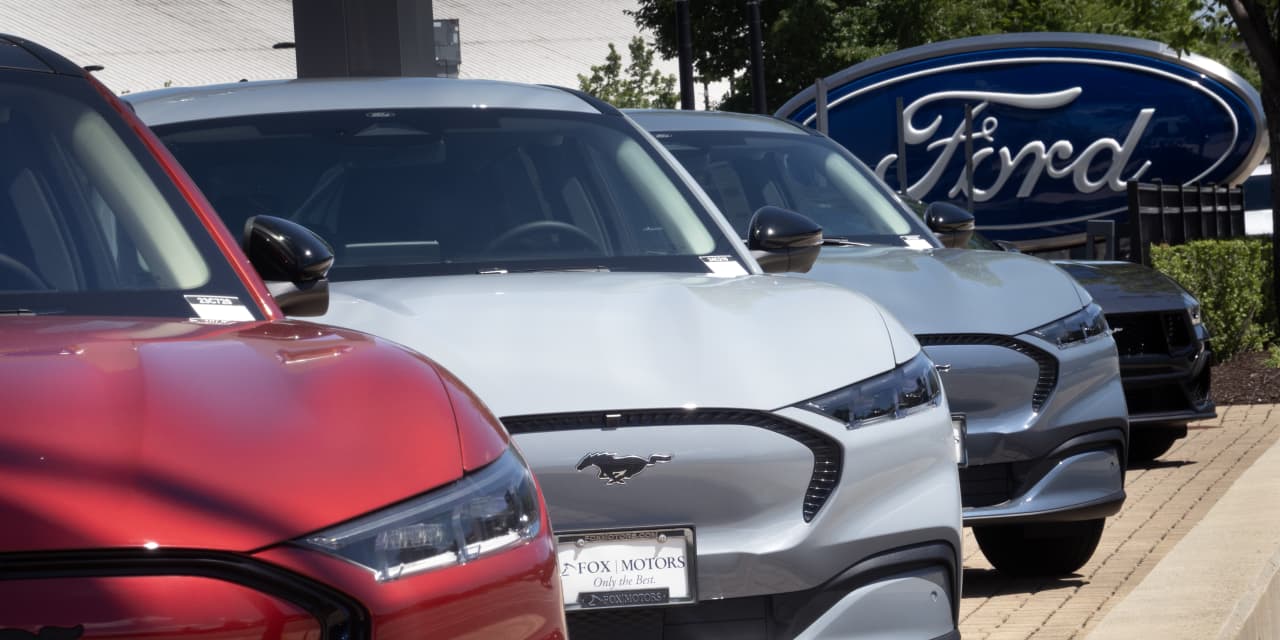
U.S. Automotive Industry Faces Spring Test Amid Tax Season

- Tax Impact on Buying Intent: With tax season underway, the average tax refund for Americans is projected to rise by 10.9% to $2,290, potentially encouraging consumers priced out of the new vehicle market to reconsider purchases, thereby offering a short-term sales boost for the automotive industry.
- Historical Sales Trends: March is typically a peak month for U.S. vehicle sales, averaging 9.1% of annual new vehicle sales over the past 12 years, second only to December at 9.3%, suggesting that tax changes could drive a rebound in sales during this critical period.
- Loan Condition Changes: Despite current federal interest rates between 3.5% and 3.75%, leading to higher financing costs, consumers are agreeing to longer-term loans, with Carmax reporting an average monthly payment of $772 for new vehicles, reflecting buyers' adaptive strategies in a high-price environment.
- Low Consumer Confidence: Even with additional tax funds, consumer confidence fell to 84.5 in January, the lowest since May 2014, indicating that high prices and a weakening labor market negatively impact purchasing decisions, leaving buying intent under significant pressure.

Investors Misinterpret Walmart's Guidance Amid Earnings Season


- Walmart Guidance Misinterpretation: Many investors reacted to Walmart's 2026 estimate by selling shares in premarket trading, causing a few percentage points drop, despite the stock recovering by the opening bell, highlighting ignorance of management's guidance preferences.
- Carvana's Stock Volatility: Following Carvana's quarterly earnings report, the stock plummeted by $60, over a 16% decline, even though analysis indicated that profitability per vehicle remained strong with advertising costs rising by less than $15, showcasing an overreaction to short-term fluctuations.
- DoorDash Stock Rally: During the analyst call, CEO confirmed that the acquired Deliveroo is growing rapidly while maintaining profitability, leading to a 10% surge in stock price early in the day, settling at a 4% increase by midday, reflecting market confidence in future growth.
- Trading Strategy Warning: While short-term trading can yield profits, the article emphasizes the importance of focusing on long-term holdings and fundamental analysis to avoid making poor decisions based on market sentiment fluctuations.
Lithia Motors CEO Expresses Caution on Selling Chinese Brands in the U.S.
- Market Access Challenges: Lithia Motors CEO Bryan DeBoer stated that while the company operates 10 stores selling Chinese brands in the UK, it currently does not plan to sell these brands in the U.S. due to the complexities of franchise rules, highlighting significant market entry barriers.
- Investment Return Considerations: DeBoer emphasized that potential costs, return on investment, and infrastructure needs are major hindrances, particularly as establishing new retail and service operations in the U.S. would require substantial investments, impacting the company's profitability.
- Global Market Dynamics: Chinese brands have seen their global market share increase by nearly 70% over the past five years, posing a threat to U.S. automakers, which necessitates that Lithia Motors closely monitor this trend to adjust its market strategy accordingly.
- Future Collaboration Potential: Although Lithia is not currently looking to sell Chinese brands in the U.S., DeBoer mentioned that the company is building relationships with several Chinese brands and will remain open to potential collaboration opportunities in the future, maintaining market flexibility.
Lithia Motors Cautious on Selling Chinese Brands in U.S.
- Market Expansion Opportunity: Lithia Motors CEO Bryan DeBoer stated that while the company has 10 stores selling Chinese brands in the UK, it currently does not plan to sell them in the U.S. due to strict franchise laws and infrastructure needs.
- Return on Investment Considerations: DeBoer highlighted that entering the U.S. market would require establishing new retail and service operations, necessitating entirely new investments, especially since approximately 50% to 60% of the company's profits come from service and parts, complicating entry.
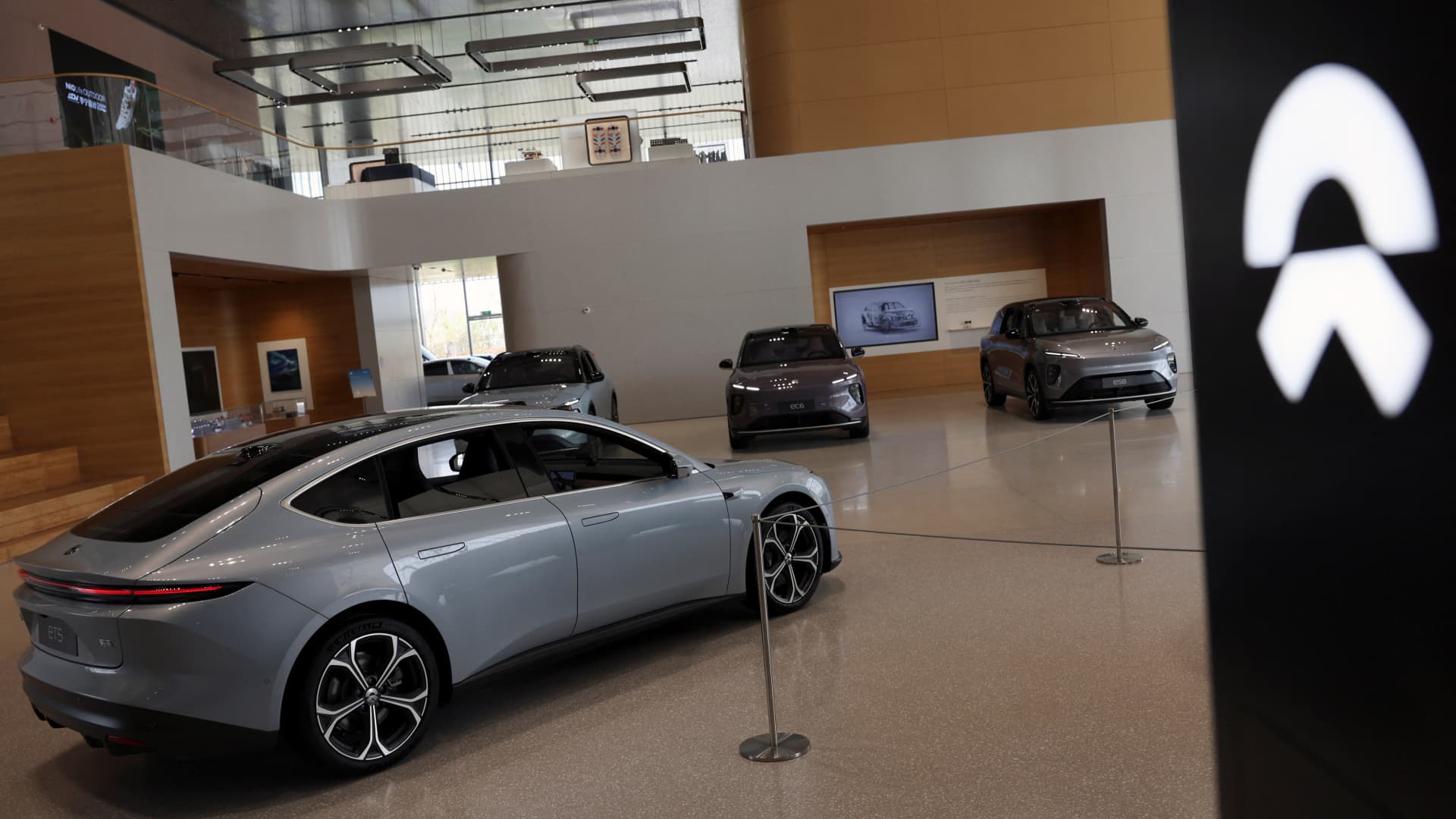
- Global Market Share Growth: Chinese automotive brands have seen their global market share jump nearly 70% in the past five years, posing a threat to U.S. automakers, particularly with brands like BYD and Nio anticipated to enter the U.S. market.
- Future Collaboration Possibilities: Although Lithia Motors is not planning to be early adopters in the U.S. market, DeBoer mentioned that the company is building relationships with several Chinese brands and will remain open to potential opportunities in the future.
Lithia Motors Reports Mixed Quarter with Resilient Used Vehicle Sales
- Used Vehicle Sales Growth: Lithia Motors reported a 6.1% increase in used revenue on a same-store basis, indicating strong performance in its used vehicle segment despite a soft new vehicle market, which boosts investor confidence in the company's future prospects.
- Decline in New Vehicle Sales: New vehicle sales fell 5.7% year-over-year to $4.626 billion, which may pose challenges to the company's profitability moving forward, highlighting the need for strategic adjustments.
- Capital Return Strategy: The company repurchased over 11% of its outstanding shares in 2025, demonstrating a commitment to effective capital allocation while maintaining a strong balance sheet, which enhances shareholder trust and confidence.
- Dividend Distribution: Lithia Motors approved a dividend of 55 cents per share, expected to be paid on March 20, 2026, reflecting the company's dedication to returning value to shareholders even amid profit pressures, thereby reinforcing market expectations of stability.
Automakers Warn of Rising Prices Due to Tariffs
- Tariff Impact Intensifies: Sonic Automotive President Jeff Dyke warns that unsustainable tariff costs will lead automakers to either raise prices or cut features, indicating a pressing urgency within the industry and potential future price pressures.
- Limited Price Fluctuations: Despite only a 1% increase in vehicle prices since the Trump administration's tariffs, analyst Jessica Caldwell notes a surge in used vehicle demand as consumers anticipate new car price hikes, highlighting market sensitivity to pricing changes.
- Toyota's Financial Strain: Toyota reported a 25% drop in net income for the first nine months of fiscal year 2026, with tariffs costing approximately 1.2 trillion yen (around $8 billion), underscoring the significant impact of tariffs on major automakers and their profitability.
- Future Production Adjustments: Toyota may consider relocating some production back to the U.S. based on the outcomes of U.S.-Mexico-Canada trade negotiations, particularly for its Tacoma pickup made in Mexico, reflecting the company's strategic flexibility in addressing tariff challenges.
U.S. Automotive Industry Faces Spring Test Amid Tax Season
- Tax Impact on Buying Intent: With tax season underway, the average tax refund for Americans is projected to rise by 10.9% to $2,290, potentially encouraging consumers priced out of the new vehicle market to reconsider purchases, thereby offering a short-term sales boost for the automotive industry.
- Historical Sales Trends: March is typically a peak month for U.S. vehicle sales, averaging 9.1% of annual new vehicle sales over the past 12 years, second only to December at 9.3%, suggesting that tax changes could drive a rebound in sales during this critical period.
- Loan Condition Changes: Despite current federal interest rates between 3.5% and 3.75%, leading to higher financing costs, consumers are agreeing to longer-term loans, with Carmax reporting an average monthly payment of $772 for new vehicles, reflecting buyers' adaptive strategies in a high-price environment.
- Low Consumer Confidence: Even with additional tax funds, consumer confidence fell to 84.5 in January, the lowest since May 2014, indicating that high prices and a weakening labor market negatively impact purchasing decisions, leaving buying intent under significant pressure.
Investors Misinterpret Walmart's Guidance Amid Earnings Season
- Walmart Guidance Misinterpretation: Many investors reacted to Walmart's 2026 estimate by selling shares in premarket trading, causing a few percentage points drop, despite the stock recovering by the opening bell, highlighting ignorance of management's guidance preferences.
- Carvana's Stock Volatility: Following Carvana's quarterly earnings report, the stock plummeted by $60, over a 16% decline, even though analysis indicated that profitability per vehicle remained strong with advertising costs rising by less than $15, showcasing an overreaction to short-term fluctuations.
- DoorDash Stock Rally: During the analyst call, CEO confirmed that the acquired Deliveroo is growing rapidly while maintaining profitability, leading to a 10% surge in stock price early in the day, settling at a 4% increase by midday, reflecting market confidence in future growth.
- Trading Strategy Warning: While short-term trading can yield profits, the article emphasizes the importance of focusing on long-term holdings and fundamental analysis to avoid making poor decisions based on market sentiment fluctuations.
Lithia Motors CEO Expresses Caution on Selling Chinese Brands in the U.S.
- Market Access Challenges: Lithia Motors CEO Bryan DeBoer stated that while the company operates 10 stores selling Chinese brands in the UK, it currently does not plan to sell these brands in the U.S. due to the complexities of franchise rules, highlighting significant market entry barriers.
- Investment Return Considerations: DeBoer emphasized that potential costs, return on investment, and infrastructure needs are major hindrances, particularly as establishing new retail and service operations in the U.S. would require substantial investments, impacting the company's profitability.
- Global Market Dynamics: Chinese brands have seen their global market share increase by nearly 70% over the past five years, posing a threat to U.S. automakers, which necessitates that Lithia Motors closely monitor this trend to adjust its market strategy accordingly.
- Future Collaboration Potential: Although Lithia is not currently looking to sell Chinese brands in the U.S., DeBoer mentioned that the company is building relationships with several Chinese brands and will remain open to potential collaboration opportunities in the future, maintaining market flexibility.
Lithia Motors Cautious on Selling Chinese Brands in U.S.
- Market Expansion Opportunity: Lithia Motors CEO Bryan DeBoer stated that while the company has 10 stores selling Chinese brands in the UK, it currently does not plan to sell them in the U.S. due to strict franchise laws and infrastructure needs.
- Return on Investment Considerations: DeBoer highlighted that entering the U.S. market would require establishing new retail and service operations, necessitating entirely new investments, especially since approximately 50% to 60% of the company's profits come from service and parts, complicating entry.
- Global Market Share Growth: Chinese automotive brands have seen their global market share jump nearly 70% in the past five years, posing a threat to U.S. automakers, particularly with brands like BYD and Nio anticipated to enter the U.S. market.
- Future Collaboration Possibilities: Although Lithia Motors is not planning to be early adopters in the U.S. market, DeBoer mentioned that the company is building relationships with several Chinese brands and will remain open to potential opportunities in the future.
Lithia Motors Reports Mixed Quarter with Resilient Used Vehicle Sales
- Used Vehicle Sales Growth: Lithia Motors reported a 6.1% increase in used revenue on a same-store basis, indicating strong performance in its used vehicle segment despite a soft new vehicle market, which boosts investor confidence in the company's future prospects.
- Decline in New Vehicle Sales: New vehicle sales fell 5.7% year-over-year to $4.626 billion, which may pose challenges to the company's profitability moving forward, highlighting the need for strategic adjustments.
- Capital Return Strategy: The company repurchased over 11% of its outstanding shares in 2025, demonstrating a commitment to effective capital allocation while maintaining a strong balance sheet, which enhances shareholder trust and confidence.
- Dividend Distribution: Lithia Motors approved a dividend of 55 cents per share, expected to be paid on March 20, 2026, reflecting the company's dedication to returning value to shareholders even amid profit pressures, thereby reinforcing market expectations of stability.