Kimmeridge Supports Coterra and Devon Merger Amid Governance Concerns

Coterra Energy Inc. shares rose 3.04% and reached a 52-week high amid a challenging market, with the Nasdaq-100 down 1.50% and the S&P 500 down 0.39%.
The increase in Coterra's stock price follows Kimmeridge Energy Management's public support for the all-stock merger agreement with Devon Energy, which aims to create substantial shareholder value. However, concerns have been raised regarding governance reforms and the board's fiduciary duties, as investigations into the merger's terms and potential insider benefits are underway. Kimmeridge's advocacy for governance changes highlights the need for transparency and accountability in the merger process.
The implications of this merger are significant, as it could reshape the shareholder structure and influence future corporate governance at Coterra. Investors are closely monitoring the developments, particularly the ongoing investigations and the potential impact on shareholder rights.
Trade with 70% Backtested Accuracy
Analyst Views on CTRA

About CTRA
About the author


Jim Cramer's Investment Advice Amid Middle East Tensions


- Selective Investment Strategy: Jim Cramer advises investors to be selective following the U.S.-Israeli conflict with Iran, noting that while stocks initially sold off, there is no need for a full portfolio overhaul, particularly as the long-term narrative around artificial intelligence remains intact.
- Healthcare Sector Opportunities: Cramer recommends investing in the healthcare sector, asserting it will remain insulated from economic fallout, and initiated a position in Cardinal Health on Monday morning, which plays a crucial role in healthcare distribution and is pursuing growth through acquisitions.
- Reducing Oil Exposure: Cramer highlights that the market reaction creates opportunities to lighten oil positions, suggesting a 50% reduction in holdings due to inflated valuations from rising oil prices, drawing on historical patterns where such stocks tend to decline after initial spikes.
- Cautious on Consumer Staples: While Procter & Gamble is typically viewed as a classic defensive stock, Cramer expresses caution, indicating that rising oil prices could squeeze consumer spending, potentially impacting the performance of such stocks.

Stock Movers: Chevron, Norwegian, Delta, Lockheed, RTX, Berkshire Hathaway, and Others


- Market Reaction: Stock futures experienced a significant decline on Monday.
- Global Impact: The ongoing conflict in the Middle East is causing turbulence in global markets.
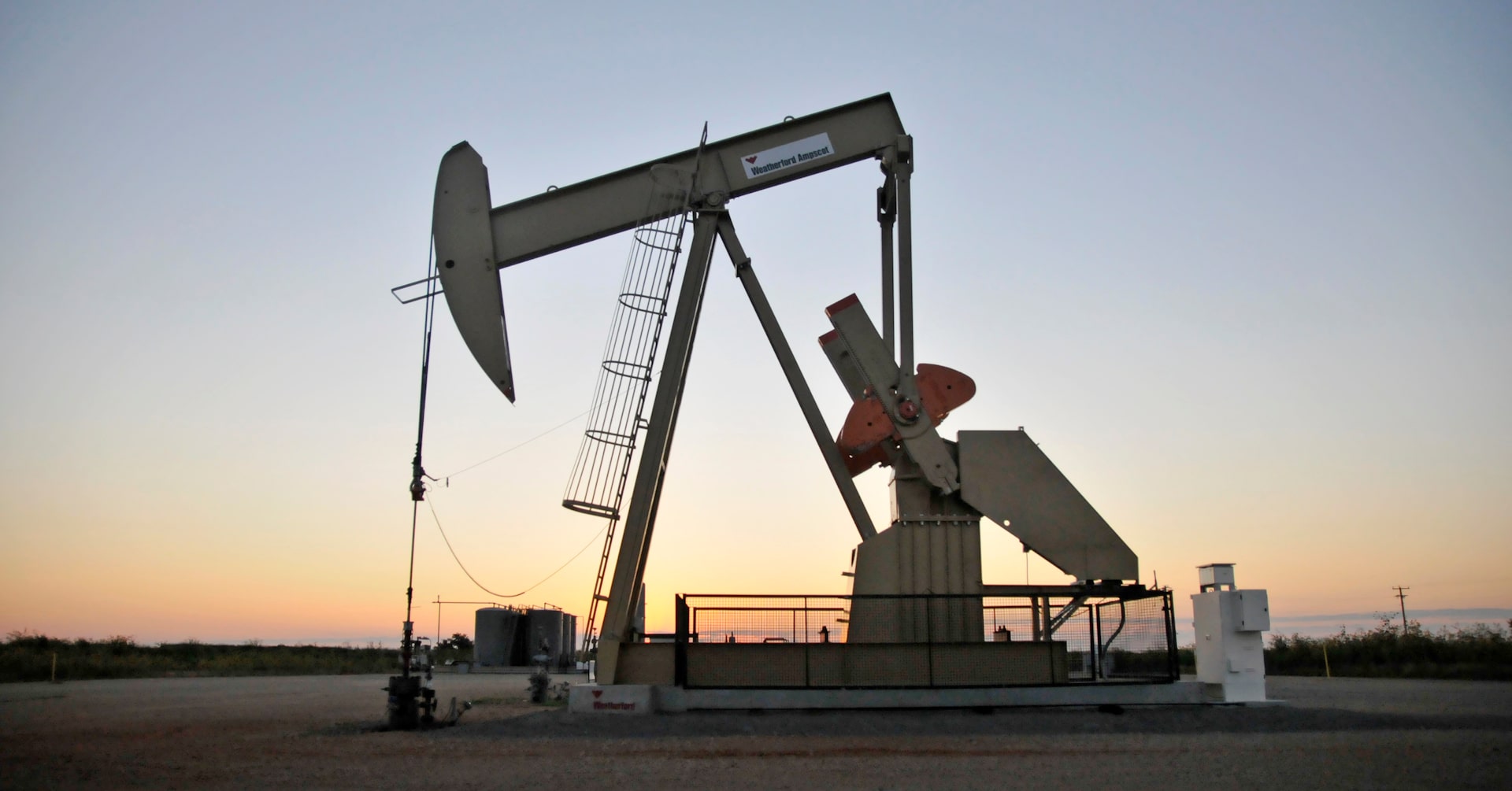
Devon Energy Acquires Coterra Energy in Strategic Merger

- Merger Details: Coterra shareholders will receive 0.7 shares of Devon Energy for each Coterra share, resulting in Devon owning 54% of the combined entity, which underscores Devon's dominant market position.
- Production Boost: Post-merger, Devon's production capacity will increase from 850,000 barrels to 1.6 million barrels per day, effectively doubling its output and significantly enhancing its competitiveness in the U.S. shale oil market.
- Cost Synergies: Devon anticipates realizing $1 billion in cost synergies from the merger, which will enhance profitability while expanding its reach into the Marcellus shale region, increasing its operational market count.
- Long-Term Growth Potential: The merger will provide Devon with over a decade of inventory for development, ensuring stable growth in oil and gas production, although it must still navigate the risks associated with volatile commodity prices.

Devon Energy's Merger with Coterra to Boost Production
- Shareholder Structure Change: After the merger with Coterra Energy, Devon shareholders will own 54% of the company, and while it is termed a merger, it is effectively an acquisition, with Coterra shareholders receiving 0.7 Devon shares for each share held, indicating Devon's proactive stance in market consolidation.
- Significant Production Increase: Post-merger, Devon expects its daily oil production to rise from 850,000 barrels to 1.6 million barrels, nearly doubling output, which will significantly enhance the company's market competitiveness and profitability.
- Cost Synergy Realization: Devon anticipates achieving $1 billion in cost synergies through this merger, further improving operational efficiency while expanding into the Marcellus shale region, thereby increasing the company's market reach.
- Long-Term Growth Potential: Following the merger, Devon will have over a decade of inventory to develop, ensuring stable growth in the future; although market volatility will still impact performance, this merger provides a stronger foundation for Devon's growth.

Coterra Energy Declares Quarterly Dividend of $0.22 per Share
- Quarterly Dividend Announcement: Coterra Energy has declared a quarterly dividend of $0.22 per share, consistent with previous distributions, indicating the company's stable cash flow and commitment to shareholder returns.
- Yield Information: The forward yield of 2.93% reflects the company's attractiveness in the current market environment, potentially drawing more investor interest.
- Payment Schedule: The dividend will be payable on March 25, with a record date of March 11 and an ex-dividend date also on March 11, ensuring shareholders receive their returns promptly.
- Financial Performance Overview: Coterra Energy reported a non-GAAP EPS of $0.39, missing expectations by $0.08, while revenue of $1.95 billion exceeded forecasts by $60 million, showcasing the company's strong performance in revenue growth.
Devon Energy Rated Among Best Affordable Dividend Stocks
- Analyst Rating Adjustment: Scotiabank analyst Paul Cheng lowered Devon Energy's price target from $45 to $41 while reiterating a Sector Perform rating, indicating that the fourth-quarter results are expected to have a neutral impact on the stock in the near term, reflecting a balanced risk-reward outlook.
- Merger Outlook: CEO Clay Gaspar discussed the planned merger with Coterra Energy during the Q4 earnings call, stating that the combined entity would hold a leading position in the Delaware Basin, which is expected to contribute over half of total production and cash flow, showcasing significant long-term value potential.
- Strong Financial Performance: Devon Energy generated $700 million in free cash flow in Q4, driven by production optimization and strong new well performance, with production, operating costs, and capital spending all exceeding expectations, demonstrating the company's efficiency in resource management.
- Reserve Replacement Rate Improvement: The company achieved a 193% reserve replacement rate for the year, with finding and development costs slightly above $6 per barrel, reflecting efficient development across its resource base and further enhancing investor confidence in its future growth prospects.
Jim Cramer's Investment Advice Amid Middle East Tensions
- Selective Investment Strategy: Jim Cramer advises investors to be selective following the U.S.-Israeli conflict with Iran, noting that while stocks initially sold off, there is no need for a full portfolio overhaul, particularly as the long-term narrative around artificial intelligence remains intact.
- Healthcare Sector Opportunities: Cramer recommends investing in the healthcare sector, asserting it will remain insulated from economic fallout, and initiated a position in Cardinal Health on Monday morning, which plays a crucial role in healthcare distribution and is pursuing growth through acquisitions.
- Reducing Oil Exposure: Cramer highlights that the market reaction creates opportunities to lighten oil positions, suggesting a 50% reduction in holdings due to inflated valuations from rising oil prices, drawing on historical patterns where such stocks tend to decline after initial spikes.
- Cautious on Consumer Staples: While Procter & Gamble is typically viewed as a classic defensive stock, Cramer expresses caution, indicating that rising oil prices could squeeze consumer spending, potentially impacting the performance of such stocks.
Stock Movers: Chevron, Norwegian, Delta, Lockheed, RTX, Berkshire Hathaway, and Others
- Market Reaction: Stock futures experienced a significant decline on Monday.
- Global Impact: The ongoing conflict in the Middle East is causing turbulence in global markets.
Devon Energy Acquires Coterra Energy in Strategic Merger
- Merger Details: Coterra shareholders will receive 0.7 shares of Devon Energy for each Coterra share, resulting in Devon owning 54% of the combined entity, which underscores Devon's dominant market position.
- Production Boost: Post-merger, Devon's production capacity will increase from 850,000 barrels to 1.6 million barrels per day, effectively doubling its output and significantly enhancing its competitiveness in the U.S. shale oil market.
- Cost Synergies: Devon anticipates realizing $1 billion in cost synergies from the merger, which will enhance profitability while expanding its reach into the Marcellus shale region, increasing its operational market count.
- Long-Term Growth Potential: The merger will provide Devon with over a decade of inventory for development, ensuring stable growth in oil and gas production, although it must still navigate the risks associated with volatile commodity prices.
Devon Energy's Merger with Coterra to Boost Production
- Shareholder Structure Change: After the merger with Coterra Energy, Devon shareholders will own 54% of the company, and while it is termed a merger, it is effectively an acquisition, with Coterra shareholders receiving 0.7 Devon shares for each share held, indicating Devon's proactive stance in market consolidation.
- Significant Production Increase: Post-merger, Devon expects its daily oil production to rise from 850,000 barrels to 1.6 million barrels, nearly doubling output, which will significantly enhance the company's market competitiveness and profitability.
- Cost Synergy Realization: Devon anticipates achieving $1 billion in cost synergies through this merger, further improving operational efficiency while expanding into the Marcellus shale region, thereby increasing the company's market reach.
- Long-Term Growth Potential: Following the merger, Devon will have over a decade of inventory to develop, ensuring stable growth in the future; although market volatility will still impact performance, this merger provides a stronger foundation for Devon's growth.
Coterra Energy Declares Quarterly Dividend of $0.22 per Share
- Quarterly Dividend Announcement: Coterra Energy has declared a quarterly dividend of $0.22 per share, consistent with previous distributions, indicating the company's stable cash flow and commitment to shareholder returns.
- Yield Information: The forward yield of 2.93% reflects the company's attractiveness in the current market environment, potentially drawing more investor interest.
- Payment Schedule: The dividend will be payable on March 25, with a record date of March 11 and an ex-dividend date also on March 11, ensuring shareholders receive their returns promptly.
- Financial Performance Overview: Coterra Energy reported a non-GAAP EPS of $0.39, missing expectations by $0.08, while revenue of $1.95 billion exceeded forecasts by $60 million, showcasing the company's strong performance in revenue growth.
Devon Energy Rated Among Best Affordable Dividend Stocks
- Analyst Rating Adjustment: Scotiabank analyst Paul Cheng lowered Devon Energy's price target from $45 to $41 while reiterating a Sector Perform rating, indicating that the fourth-quarter results are expected to have a neutral impact on the stock in the near term, reflecting a balanced risk-reward outlook.
- Merger Outlook: CEO Clay Gaspar discussed the planned merger with Coterra Energy during the Q4 earnings call, stating that the combined entity would hold a leading position in the Delaware Basin, which is expected to contribute over half of total production and cash flow, showcasing significant long-term value potential.
- Strong Financial Performance: Devon Energy generated $700 million in free cash flow in Q4, driven by production optimization and strong new well performance, with production, operating costs, and capital spending all exceeding expectations, demonstrating the company's efficiency in resource management.
- Reserve Replacement Rate Improvement: The company achieved a 193% reserve replacement rate for the year, with finding and development costs slightly above $6 per barrel, reflecting efficient development across its resource base and further enhancing investor confidence in its future growth prospects.