Huntington Ingalls Industries Declines Despite Defense Sector Strength

Huntington Ingalls Industries Inc (HII) saw a decline of 5.12% as it crossed below its 5-day SMA, contrasting with the broader market's positive performance.
Despite the overall strength in defense stocks, including significant gains by peers like Lockheed Martin, HII's drop appears to be influenced by sector rotation, as investors may be reallocating funds towards stocks that are currently performing better. The recent rally in defense stocks reflects strong market confidence in increased defense spending, yet HII's performance diverges from this trend.
This decline may raise concerns among investors about HII's short-term outlook, especially as the company navigates a competitive landscape in the defense sector, which is currently buoyed by optimism regarding government spending.
Trade with 70% Backtested Accuracy
Analyst Views on HII

About HII
About the author


HII Authenticates Keel for Future USS Philadelphia
- Keel Authentication Ceremony: HII's Ingalls Shipbuilding division authenticated the keel for the future USS Philadelphia (LPD 32) today, marking the official start of construction for this Flight II San Antonio-class amphibious transport dock ship, reflecting the company's commitment to supporting the Navy and Marine Corps.
- Key Attendees: The ceremony featured ship sponsor Maureen Paparo and her spouse, Adm. Samuel Paparo, underscoring the deep connection of the ship to Philadelphia and showcasing the bond between local and national interests.
- Commitment to Construction: Ingalls Shipbuilding President Brian Blanchette stated that every weld and component reflects the skill and dedication of shipbuilders, ensuring that over 700 sailors and Marines will serve aboard, highlighting the contribution to national security.
- Future Outlook: LPD 32 is one of three Flight II ships currently under construction at Ingalls, designed to replace aging Whidbey Island-class and Harpers Ferry-class vessels, serving as a cornerstone of the Navy's 21st-century expeditionary force, supporting humanitarian aid and military missions.

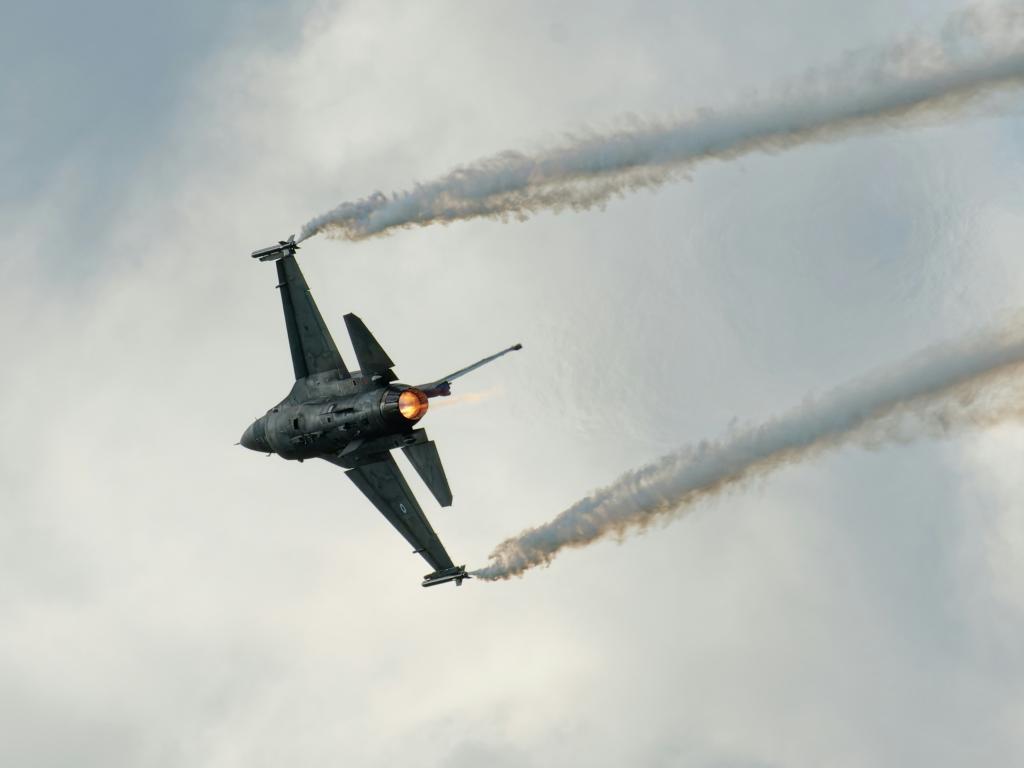
Trump's Ambiguous Objectives in Iran War


- Unclear War Objectives: Trump's military action against Iran has seen its objectives shift multiple times within 48 hours, ranging from preventing nuclear weapons to regime change, raising questions about U.S. strategic intentions and potentially affecting Congressional support for the war.
- Rising U.S. Casualties: With U.S. service member deaths climbing to six, opposition from Democrats has intensified, and some Republicans are beginning to question Trump's military strategy, which could lead to increased pressure on the administration in Congress.
- Divergent Cabinet Opinions: Trump's cabinet members have differing views on the nature and goals of the war, with the Defense Secretary stating it is not a
China's Submarine Modernization Threatens U.S. Security

- Accelerated Submarine Modernization: Senior U.S. naval officials warn that China is rapidly modernizing its submarine fleet, with projections indicating a growth to about 80 submarines by 2035, roughly half of which will be nuclear-powered, significantly enhancing China's sea-based nuclear deterrent capabilities.
- Escalating Strategic Threat: The anticipated Type 096 ballistic missile submarine is expected to have the capability to strike large portions of the U.S. from protected waters, thereby increasing the threat to the U.S. homeland and highlighting the intensifying undersea rivalry between the two powers.
- Increased Production Capacity: China's submarine production capacity has surged from less than one nuclear submarine per year to significantly higher levels, supported by upgraded shipbuilding infrastructure, positioning China favorably in future maritime strategies.
- Enhanced Technological Investments: Beijing is investing in seabed sensors, undersea cables, and unmanned systems to improve detection and tracking of rival submarines, complicating U.S. military operations in the western Pacific and raising intervention costs during crises.

Mixed Close for US Stocks Amid Iran War Impact


- Mixed Market Performance: On Monday, the S&P 500 closed up 0.04%, while the Dow Jones Industrial Average fell 0.15%, and the Nasdaq 100 rose 0.13%, reflecting a divergence in market sentiment influenced by the ongoing war in Iran, with increased demand for defense and energy stocks.
- Surge in Oil Prices: WTI crude oil prices soared over 6% to an 8.25-month high following Iran's attack on oil tankers, which is expected to elevate inflation expectations and impact the overall economic environment and investor confidence.
- Strong Manufacturing Index: The US February ISM manufacturing index unexpectedly rose to 52.4, surpassing the market expectation of 51.5, indicating economic resilience that could influence the Federal Reserve's monetary policy direction, leading to shifts in future rate hike expectations.
- Optimistic Earnings Outlook: More than 90% of S&P 500 companies have reported earnings, with 73% exceeding expectations, and Q4 earnings growth is projected at 8.4%, providing market support despite geopolitical risks.
Middle East Conflict Drives Defense Stocks Up

- Defense Stocks Surge: As the conflict in the Middle East escalates, investors are seeking safe havens, leading to a broad increase in defense company stocks on Monday, indicating strong market demand for secure investments.
- U.S.-Israel Military Operations: The U.S. and Israeli militaries launched large-scale operations against Iran this weekend, expected to last four to five weeks, which will likely require significant replenishment of armaments, further driving demand in the defense sector.
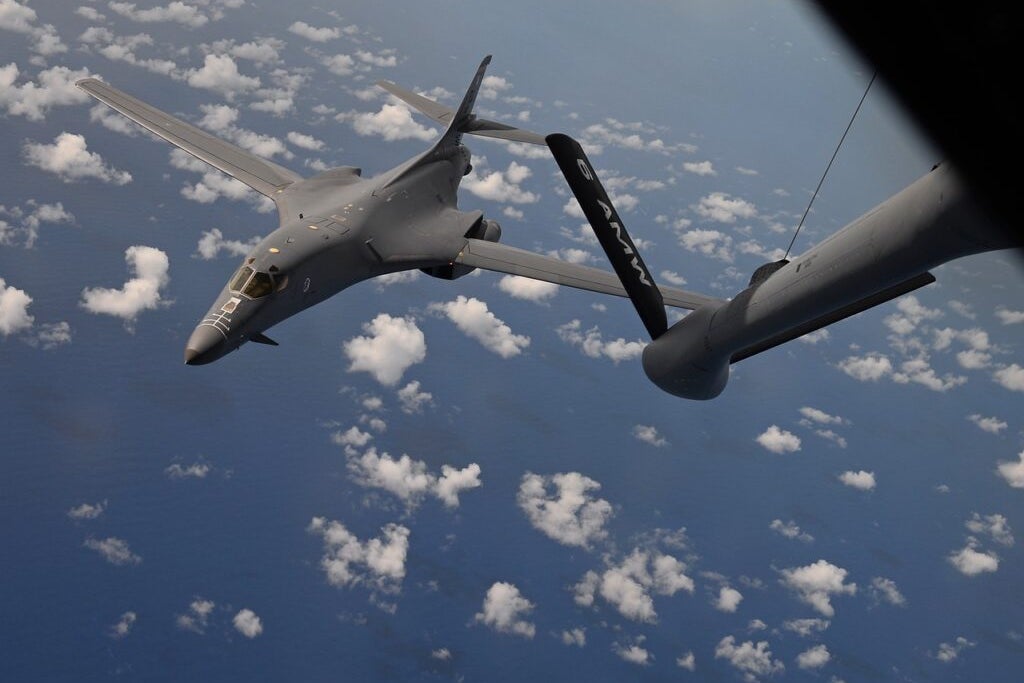
- Key Defense Contractors' Roles: Companies like RTX, Lockheed Martin, Huntington Ingalls, and Northrop Grumman play crucial roles in this conflict, producing interceptors, fighter jets, and strategic bombers to ensure the defense capabilities of U.S. forces and allies.
- Investor Focus on Future Returns: Although Northrop Grumman was not recommended as a top stock by The Motley Fool, the overall performance and future demand in the defense industry may attract increased investor interest.

Defense Stocks Surge Amid Middle East Conflict
- Strong Defense Stock Performance: Defense stocks surged on Monday as investors sought safe havens, with Northrop Grumman (NOC) rising 6% and Lockheed Martin (LMT) up 3.4%, reflecting increased market confidence in defense spending.
- Escalation of Middle East Conflict: The U.S. and Israeli militaries launched large-scale operations against Iran over the weekend, with President Trump stating that these strikes aim to prevent Iran from acquiring nuclear weapons and could last four to five weeks or longer, further driving defense demand.
- Increased Arms Demand: As the conflict escalates, U.S. and allied forces are expected to utilize a vast array of ordnance, leading to a significant increase in demand for defense systems in the coming months and years, providing long-term benefits to related defense companies.
- Key Supplier Roles: Companies like RTX, Lockheed Martin, Huntington Ingalls, and General Dynamics serve as primary suppliers to the U.S. Armed Forces, responsible for producing interceptors, fighter jets, and naval vessels, ensuring the security of the U.S. and its allies.
HII Authenticates Keel for Future USS Philadelphia
- Keel Authentication Ceremony: HII's Ingalls Shipbuilding division authenticated the keel for the future USS Philadelphia (LPD 32) today, marking the official start of construction for this Flight II San Antonio-class amphibious transport dock ship, reflecting the company's commitment to supporting the Navy and Marine Corps.
- Key Attendees: The ceremony featured ship sponsor Maureen Paparo and her spouse, Adm. Samuel Paparo, underscoring the deep connection of the ship to Philadelphia and showcasing the bond between local and national interests.
- Commitment to Construction: Ingalls Shipbuilding President Brian Blanchette stated that every weld and component reflects the skill and dedication of shipbuilders, ensuring that over 700 sailors and Marines will serve aboard, highlighting the contribution to national security.
- Future Outlook: LPD 32 is one of three Flight II ships currently under construction at Ingalls, designed to replace aging Whidbey Island-class and Harpers Ferry-class vessels, serving as a cornerstone of the Navy's 21st-century expeditionary force, supporting humanitarian aid and military missions.
Trump's Ambiguous Objectives in Iran War
- Unclear War Objectives: Trump's military action against Iran has seen its objectives shift multiple times within 48 hours, ranging from preventing nuclear weapons to regime change, raising questions about U.S. strategic intentions and potentially affecting Congressional support for the war.
- Rising U.S. Casualties: With U.S. service member deaths climbing to six, opposition from Democrats has intensified, and some Republicans are beginning to question Trump's military strategy, which could lead to increased pressure on the administration in Congress.
- Divergent Cabinet Opinions: Trump's cabinet members have differing views on the nature and goals of the war, with the Defense Secretary stating it is not a
China's Submarine Modernization Threatens U.S. Security
- Accelerated Submarine Modernization: Senior U.S. naval officials warn that China is rapidly modernizing its submarine fleet, with projections indicating a growth to about 80 submarines by 2035, roughly half of which will be nuclear-powered, significantly enhancing China's sea-based nuclear deterrent capabilities.
- Escalating Strategic Threat: The anticipated Type 096 ballistic missile submarine is expected to have the capability to strike large portions of the U.S. from protected waters, thereby increasing the threat to the U.S. homeland and highlighting the intensifying undersea rivalry between the two powers.
- Increased Production Capacity: China's submarine production capacity has surged from less than one nuclear submarine per year to significantly higher levels, supported by upgraded shipbuilding infrastructure, positioning China favorably in future maritime strategies.
- Enhanced Technological Investments: Beijing is investing in seabed sensors, undersea cables, and unmanned systems to improve detection and tracking of rival submarines, complicating U.S. military operations in the western Pacific and raising intervention costs during crises.
Mixed Close for US Stocks Amid Iran War Impact
- Mixed Market Performance: On Monday, the S&P 500 closed up 0.04%, while the Dow Jones Industrial Average fell 0.15%, and the Nasdaq 100 rose 0.13%, reflecting a divergence in market sentiment influenced by the ongoing war in Iran, with increased demand for defense and energy stocks.
- Surge in Oil Prices: WTI crude oil prices soared over 6% to an 8.25-month high following Iran's attack on oil tankers, which is expected to elevate inflation expectations and impact the overall economic environment and investor confidence.
- Strong Manufacturing Index: The US February ISM manufacturing index unexpectedly rose to 52.4, surpassing the market expectation of 51.5, indicating economic resilience that could influence the Federal Reserve's monetary policy direction, leading to shifts in future rate hike expectations.
- Optimistic Earnings Outlook: More than 90% of S&P 500 companies have reported earnings, with 73% exceeding expectations, and Q4 earnings growth is projected at 8.4%, providing market support despite geopolitical risks.
Middle East Conflict Drives Defense Stocks Up
- Defense Stocks Surge: As the conflict in the Middle East escalates, investors are seeking safe havens, leading to a broad increase in defense company stocks on Monday, indicating strong market demand for secure investments.
- U.S.-Israel Military Operations: The U.S. and Israeli militaries launched large-scale operations against Iran this weekend, expected to last four to five weeks, which will likely require significant replenishment of armaments, further driving demand in the defense sector.
- Key Defense Contractors' Roles: Companies like RTX, Lockheed Martin, Huntington Ingalls, and Northrop Grumman play crucial roles in this conflict, producing interceptors, fighter jets, and strategic bombers to ensure the defense capabilities of U.S. forces and allies.
- Investor Focus on Future Returns: Although Northrop Grumman was not recommended as a top stock by The Motley Fool, the overall performance and future demand in the defense industry may attract increased investor interest.
Defense Stocks Surge Amid Middle East Conflict
- Strong Defense Stock Performance: Defense stocks surged on Monday as investors sought safe havens, with Northrop Grumman (NOC) rising 6% and Lockheed Martin (LMT) up 3.4%, reflecting increased market confidence in defense spending.
- Escalation of Middle East Conflict: The U.S. and Israeli militaries launched large-scale operations against Iran over the weekend, with President Trump stating that these strikes aim to prevent Iran from acquiring nuclear weapons and could last four to five weeks or longer, further driving defense demand.
- Increased Arms Demand: As the conflict escalates, U.S. and allied forces are expected to utilize a vast array of ordnance, leading to a significant increase in demand for defense systems in the coming months and years, providing long-term benefits to related defense companies.
- Key Supplier Roles: Companies like RTX, Lockheed Martin, Huntington Ingalls, and General Dynamics serve as primary suppliers to the U.S. Armed Forces, responsible for producing interceptors, fighter jets, and naval vessels, ensuring the security of the U.S. and its allies.