Hilton stock rises as it reaches a 52-week high
Written by Emily J. Thompson, Senior Investment Analyst
Updated: Oct 06 2025
0mins

Should l Buy HLT?
Source: Coinmarketcap
Hilton Worldwide Holdings Inc's stock increased by 3.02% today, reaching a 52-week high. This price movement occurs amid a broader market decline, with the Nasdaq-100 down 1.21% and the S&P 500 down 0.67%.
The rise in Hilton's stock price can be attributed to sector rotation, as investors are increasingly optimistic about the travel industry following recent federal support for cruise and travel stocks. This optimism is driven by expectations of lower interest rates encouraging consumer spending on travel.
The implications of this movement suggest that Hilton is benefiting from a shift in investor sentiment towards travel-related stocks, which may continue as the broader market navigates through economic uncertainties.
Trade with 70% Backtested Accuracy
Stop guessing "Should I Buy HLT?" and start using high-conviction signals backed by rigorous historical data.
Sign up today to access powerful investing tools and make smarter, data-driven decisions.
Analyst Views on HLT
Wall Street analysts forecast HLT stock price to fall
18 Analyst Rating
11 Buy
7 Hold
0 Sell
Moderate Buy
Current: 311.780

Low
253.00
Averages
292.37
High
340.00
Current: 311.780
Low
253.00
Averages
292.37
High
340.00
About HLT
Hilton Worldwide Holdings Inc. is a global hospitality company that is engaged in managing, franchising, owning and leasing hotels and resorts, and licensing its intellectual property, including brand names, trademarks and service marks. It has a portfolio of over 24 brands comprising more than 8,400 properties and more than 1.25 million rooms in 140 countries and territories. It has two segments: management and franchise and ownership. The management and franchise segment includes all the hotels it manages for third-party owners, as well as all franchised hotels that license its intellectual property (IP), and/or use its booking channels and related programs, and where it provides other contracted services to third-party owners. The ownership segment includes nightly hotel room sales, food and beverage sales and other services at its consolidated owned and leased hotels. Its brands include Waldorf Astoria Hotels & Resorts, LXR Hotels & Resorts, Conrad Hotels & Resorts, and others.
About the author

Emily J. Thompson
Emily J. Thompson, a Chartered Financial Analyst (CFA) with 12 years in investment research, graduated with honors from the Wharton School. Specializing in industrial and technology stocks, she provides in-depth analysis for Intellectia’s earnings and market brief reports.
Middle East Airspace Closures Lead to Mass Flight Cancellations


- Flight Cancellations Impact: The closure of Middle Eastern airspace has led to over 1,560 flight cancellations, severely disrupting travel from Brazil to the Philippines, highlighting the profound impact of geopolitical conflicts on the global airline industry.
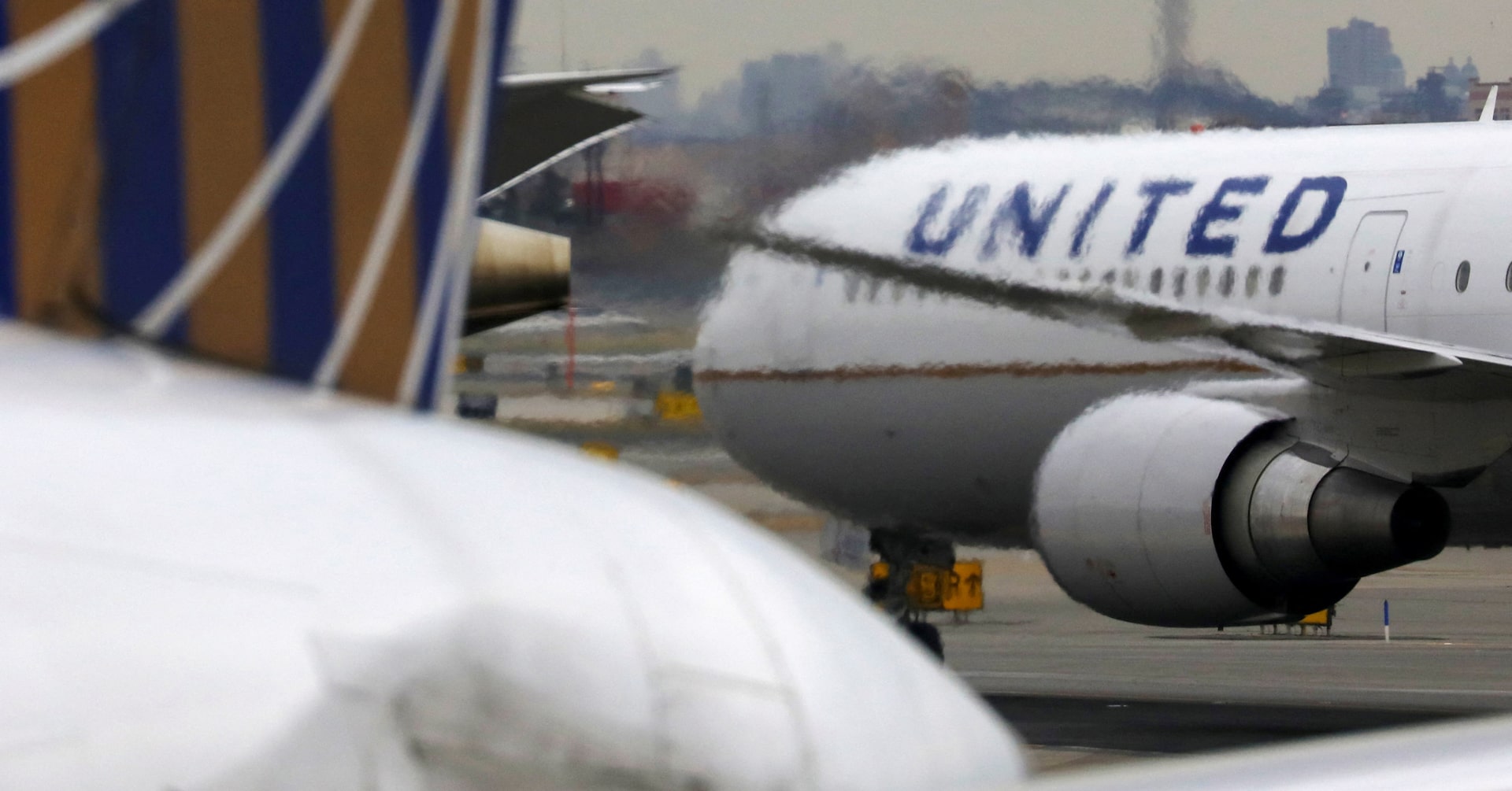
- Airline Stock Declines: Major airlines such as United, Delta, and American Airlines saw their stock prices drop by approximately 6%, reflecting investor concerns over profitability, particularly as United halted its most lucrative Tel Aviv route.
- Rising Oil Prices Affect Costs: The spike in oil prices significantly increases operational costs for airlines, especially those heavily reliant on international routes, further exacerbating market uncertainties.
- Hotel and Cruise Industries Hit: Shares of hotel chains like Marriott and Hilton fell, while cruise lines such as Royal Caribbean and Carnival experienced stock drops of 6% and 7%, respectively, indicating a broader impact on the travel sector.
See More
Airline Stocks Drop Amid Middle East Airspace Closures

- Airline Stock Decline: Airline stocks fell sharply as airspace closures in the Middle East forced carriers to cancel thousands of flights, with United Airlines down 6% in premarket trading, directly impacting its profitable route to Tel Aviv.
- Widespread Flight Cancellations: Major airports like Dubai, a key global hub, saw airlines pause flights, exacerbating chaos in international travel and affecting routes as far as Brazil and the Philippines.
- Oil Price Concerns: While Southwest Airlines experienced smaller stock declines, investors are worried about potential oil price increases, which could significantly heighten fuel costs, the second-largest expense for airlines after labor.
- Hotel Stocks Hit: Hotel chains such as Marriott International and Hilton Worldwide Holdings also saw declines, indicating the broader impact on international travel demand, despite a reported 5.9% increase in international air travel over the past year.
See More

Tourism Chaos in Mexico Following Drug Lord's Death


- Travel Warnings Escalate: The U.S. State Department has broadened its travel warnings across multiple regions in Mexico, advising tourists to shelter in place in popular destinations like Cancun and Puerto Vallarta, indicating a direct threat to the tourism industry due to escalating violence.
- Cruise Line Route Changes: In response to the violence, Carnival and Norwegian Cruise Lines have canceled planned stops in Puerto Vallarta, reflecting the industry's heightened sensitivity to safety risks and their operational adaptability in crisis situations.
- Hotel Brand Exposure: Analysts highlight that Hyatt has 8.5% of its total rooms in Mexico, while Marriott has 3.3%, indicating significant financial exposure for these brands amid the current unrest and potential impacts on occupancy rates.
- Insurance Policy Limitations: As the violence is now classified as a foreseeable event, many travel insurance providers are no longer offering coverage for cancellations related to this unrest, leaving travelers facing greater uncertainty and potential financial losses when planning their trips.
See More

Violence Erupts in Mexico After Drug Lord's Death

- Escalating Violence: Following the military's killing of drug lord 'El Mencho,' violent incidents erupted across several Mexican states, with burning vehicles and gunmen blocking highways, leading to increased social unrest and public safety concerns.
- Flight Cancellations: U.S. and Canadian airlines halted flights to Puerto Vallarta and Guadalajara, waiving change fees for affected travelers, indicating a strong response to the deteriorating security situation.
- Government Warnings: The U.S. State Department advised citizens to shelter in place due to ongoing security operations and related road blockages, reflecting the heightened tension and uncertainty in the region.
- School Closures: Several Mexican states canceled school on Monday in response to the violence, highlighting serious concerns about safety and disrupting students' normal educational activities.
See More
US Suspends TSA PreCheck and Global Entry Programs Amid Government Shutdown
- Reason for Suspension: The Department of Homeland Security suspended TSA PreCheck and Global Entry programs on Sunday due to a partial government shutdown, affecting security processes at over 200 airports and causing significant inconvenience for millions of travelers, highlighting the direct impact of government operations on public travel.
- Membership Impact: As of 2024, TSA PreCheck has over 20 million active members, with approximately 34% of screened passengers being program members; the suspension will significantly increase wait times at security checkpoints, potentially leading travelers to choose alternative travel methods, thereby affecting airline revenues.
- Flight Cancellations: In anticipation of a massive winter storm, airlines have canceled over 6,000 flights and waived cancellation and change fees at multiple East Coast airports, demonstrating the dual impact of weather and policy on the aviation industry.
- Industry Reaction: The airline industry expressed strong dissatisfaction with the suspension of programs due to the government shutdown, viewing travelers as political pawns; last year's shutdown already cost the industry $6.1 billion and affected about 6 million travelers, indicating a long-term threat to the tourism sector from policy instability.
See More
Intense Competition for International Space Station Successor


- Axiom Funding Success: Axiom Space raised $350 million last week from investors including Type One Ventures and 1789 Capital, with funds earmarked for completing the first module's construction, scheduled for launch in 2028 to dock with the ISS, thereby laying the groundwork for its future independent space station.
- Module Development Progress: The first module, a Payload Power Thermal Module (PPTM), is set to link with a second habitation module in 2029, showcasing Axiom's strategic timeline and commitment to establishing a new independent space station.
- Market Competition Landscape: With Axiom and Vast racing to develop new space stations, Axiom's module is expected to be operational in 2029, potentially ahead of Vast's Haven-1, which could give Axiom a competitive edge in the market.
- Uncertain IPO Prospects: Despite Axiom's funding achievements, its private market valuation has declined from $2.6 billion in 2023 to $2 billion in 2025, raising concerns about its long-term profitability and casting doubt on its IPO prospects.
See More
Middle East Airspace Closures Lead to Mass Flight Cancellations
- Flight Cancellations Impact: The closure of Middle Eastern airspace has led to over 1,560 flight cancellations, severely disrupting travel from Brazil to the Philippines, highlighting the profound impact of geopolitical conflicts on the global airline industry.
- Airline Stock Declines: Major airlines such as United, Delta, and American Airlines saw their stock prices drop by approximately 6%, reflecting investor concerns over profitability, particularly as United halted its most lucrative Tel Aviv route.
- Rising Oil Prices Affect Costs: The spike in oil prices significantly increases operational costs for airlines, especially those heavily reliant on international routes, further exacerbating market uncertainties.
- Hotel and Cruise Industries Hit: Shares of hotel chains like Marriott and Hilton fell, while cruise lines such as Royal Caribbean and Carnival experienced stock drops of 6% and 7%, respectively, indicating a broader impact on the travel sector.
See More
Airline Stocks Drop Amid Middle East Airspace Closures
- Airline Stock Decline: Airline stocks fell sharply as airspace closures in the Middle East forced carriers to cancel thousands of flights, with United Airlines down 6% in premarket trading, directly impacting its profitable route to Tel Aviv.
- Widespread Flight Cancellations: Major airports like Dubai, a key global hub, saw airlines pause flights, exacerbating chaos in international travel and affecting routes as far as Brazil and the Philippines.
- Oil Price Concerns: While Southwest Airlines experienced smaller stock declines, investors are worried about potential oil price increases, which could significantly heighten fuel costs, the second-largest expense for airlines after labor.
- Hotel Stocks Hit: Hotel chains such as Marriott International and Hilton Worldwide Holdings also saw declines, indicating the broader impact on international travel demand, despite a reported 5.9% increase in international air travel over the past year.
See More
Tourism Chaos in Mexico Following Drug Lord's Death
- Travel Warnings Escalate: The U.S. State Department has broadened its travel warnings across multiple regions in Mexico, advising tourists to shelter in place in popular destinations like Cancun and Puerto Vallarta, indicating a direct threat to the tourism industry due to escalating violence.
- Cruise Line Route Changes: In response to the violence, Carnival and Norwegian Cruise Lines have canceled planned stops in Puerto Vallarta, reflecting the industry's heightened sensitivity to safety risks and their operational adaptability in crisis situations.
- Hotel Brand Exposure: Analysts highlight that Hyatt has 8.5% of its total rooms in Mexico, while Marriott has 3.3%, indicating significant financial exposure for these brands amid the current unrest and potential impacts on occupancy rates.
- Insurance Policy Limitations: As the violence is now classified as a foreseeable event, many travel insurance providers are no longer offering coverage for cancellations related to this unrest, leaving travelers facing greater uncertainty and potential financial losses when planning their trips.
See More
Violence Erupts in Mexico After Drug Lord's Death
- Escalating Violence: Following the military's killing of drug lord 'El Mencho,' violent incidents erupted across several Mexican states, with burning vehicles and gunmen blocking highways, leading to increased social unrest and public safety concerns.
- Flight Cancellations: U.S. and Canadian airlines halted flights to Puerto Vallarta and Guadalajara, waiving change fees for affected travelers, indicating a strong response to the deteriorating security situation.
- Government Warnings: The U.S. State Department advised citizens to shelter in place due to ongoing security operations and related road blockages, reflecting the heightened tension and uncertainty in the region.
- School Closures: Several Mexican states canceled school on Monday in response to the violence, highlighting serious concerns about safety and disrupting students' normal educational activities.
See More
US Suspends TSA PreCheck and Global Entry Programs Amid Government Shutdown
- Reason for Suspension: The Department of Homeland Security suspended TSA PreCheck and Global Entry programs on Sunday due to a partial government shutdown, affecting security processes at over 200 airports and causing significant inconvenience for millions of travelers, highlighting the direct impact of government operations on public travel.
- Membership Impact: As of 2024, TSA PreCheck has over 20 million active members, with approximately 34% of screened passengers being program members; the suspension will significantly increase wait times at security checkpoints, potentially leading travelers to choose alternative travel methods, thereby affecting airline revenues.
- Flight Cancellations: In anticipation of a massive winter storm, airlines have canceled over 6,000 flights and waived cancellation and change fees at multiple East Coast airports, demonstrating the dual impact of weather and policy on the aviation industry.
- Industry Reaction: The airline industry expressed strong dissatisfaction with the suspension of programs due to the government shutdown, viewing travelers as political pawns; last year's shutdown already cost the industry $6.1 billion and affected about 6 million travelers, indicating a long-term threat to the tourism sector from policy instability.
See More
Intense Competition for International Space Station Successor
- Axiom Funding Success: Axiom Space raised $350 million last week from investors including Type One Ventures and 1789 Capital, with funds earmarked for completing the first module's construction, scheduled for launch in 2028 to dock with the ISS, thereby laying the groundwork for its future independent space station.
- Module Development Progress: The first module, a Payload Power Thermal Module (PPTM), is set to link with a second habitation module in 2029, showcasing Axiom's strategic timeline and commitment to establishing a new independent space station.
- Market Competition Landscape: With Axiom and Vast racing to develop new space stations, Axiom's module is expected to be operational in 2029, potentially ahead of Vast's Haven-1, which could give Axiom a competitive edge in the market.
- Uncertain IPO Prospects: Despite Axiom's funding achievements, its private market valuation has declined from $2.6 billion in 2023 to $2 billion in 2025, raising concerns about its long-term profitability and casting doubt on its IPO prospects.
See More