

Expedia Reports Strong Earnings but Stock Declines
Written by Emily J. Thompson, Senior Investment Analyst
Updated: 17 hours ago
0mins

Should l Buy EXPE?
Source: Benzinga
Expedia Group Inc's stock fell by 5.96% after hitting a 20-day low, despite reporting strong earnings results.
The company exceeded revenue expectations with a Q4 revenue of $3.55 billion, an 11% increase year-over-year, and a non-GAAP EPS of $3.78, beating estimates by $0.41. However, management expressed caution regarding future performance due to a dynamic macro environment, which may have impacted investor confidence and contributed to the stock's decline.
Despite the earnings beat and increased shareholder returns, including a 20% dividend hike, the stock's drop reflects concerns about the company's cautious outlook for 2026, overshadowing its strong financial performance.
Trade with 70% Backtested Accuracy
Stop guessing "Should I Buy EXPE?" and start using high-conviction signals backed by rigorous historical data.
Sign up today to access powerful investing tools and make smarter, data-driven decisions.
Analyst Views on EXPE
Wall Street analysts forecast EXPE stock price to rise
28 Analyst Rating
9 Buy
19 Hold
0 Sell
Moderate Buy
Current: 215.690

Low
220.00
Averages
284.79
High
360.00
Current: 215.690
Low
220.00
Averages
284.79
High
360.00
About EXPE
Expedia Group, Inc. is an online travel company. The Company’s segments include B2C, B2B, and trivago. The B2C segment provides a full range of travel and advertising services to its worldwide customers through a variety of consumer brands including: Expedia.com, Hotels.com, Vrbo, Orbitz, Travelocity, Wotif Group, ebookers, CheapTickets, Hotwire.com and CarRentals.com. The B2B segment fuels a wide range of travel and non-travel companies, including airlines, offline travel agents, online retailers, corporate travel management and financial institutions, who leverage travel technology and tap into its diverse supply to augment their offerings and market Expedia Group rates and availabilities to their travelers. Its trivago segment generates advertising revenue primarily from sending referrals to online travel companies and travel service providers from its hotel metasearch Websites. The trivago is its majority-owned hotel metasearch company, based in Dusseldorf, Germany.
About the author

Emily J. Thompson
Emily J. Thompson, a Chartered Financial Analyst (CFA) with 12 years in investment research, graduated with honors from the Wharton School. Specializing in industrial and technology stocks, she provides in-depth analysis for Intellectia’s earnings and market brief reports.

Middle East Airspace Closures Lead to Mass Flight Cancellations


- Flight Cancellations Impact: The closure of Middle Eastern airspace has led to over 1,560 flight cancellations, severely disrupting travel from Brazil to the Philippines, highlighting the profound impact of geopolitical conflicts on the global airline industry.
- Airline Stock Declines: Major airlines such as United, Delta, and American Airlines saw their stock prices drop by approximately 6%, reflecting investor concerns over profitability, particularly as United halted its most lucrative Tel Aviv route.
- Rising Oil Prices Affect Costs: The spike in oil prices significantly increases operational costs for airlines, especially those heavily reliant on international routes, further exacerbating market uncertainties.
- Hotel and Cruise Industries Hit: Shares of hotel chains like Marriott and Hilton fell, while cruise lines such as Royal Caribbean and Carnival experienced stock drops of 6% and 7%, respectively, indicating a broader impact on the travel sector.
See More

Defense Stocks Rise After U.S.-Israeli Strikes on Iran


- Defense Stocks Surge: Following the joint U.S.-Israeli attack on Iran, defense stocks collectively rose, with Lockheed Martin shares gaining 6%, Northrop Grumman up 5%, and drone manufacturer AeroVironment soaring over 10%, indicating strong market optimism regarding defense spending.
- Oil Prices Spike: The escalation of conflict has led to a significant rise in oil prices, with Brent crude hitting a 52-week high of over $78 on Monday, causing Exxon Mobil and Chevron shares to rise about 4% and ConocoPhillips to gain over 5%, reflecting market concerns over potential disruptions to global crude production and transport.
- Tankers Stocks Perform Well: In response to the military strikes in the Middle East, tanker stocks surged, with Frontline rising over 5%, DHT Holdings up 7%, and International Seaways increasing by 6%, showcasing heightened expectations for tanker transportation demand.
- Travel Stocks Decline: The conflict has caused oil prices to surge, disrupting global travel, leading to declines in travel stocks, with Expedia and Booking Holdings down 3.2% and 2.7%, respectively, Delta Air Lines falling 5.7%, and American Airlines and United Airlines dropping at least 6%, reflecting a pessimistic outlook for the travel industry.
See More

Mass Flight Cancellations in Middle East Leave Travelers Stranded Worldwide


- Flight Cancellation Overview: Approximately 3,000 flights have been canceled since the conflict began, leaving travelers stranded globally, particularly in Australia, Brazil, and the Maldives, resulting in significant inconvenience and economic losses for airlines and passengers alike.
- Airspace Closure Impact: Following U.S. and Israeli military strikes on Iran, airspace across the Middle East has been closed, severely affecting flights to and from major hubs like Dubai, Tel Aviv, and Doha, with over 40 flights forced to divert early Saturday morning.
- Airlines' Response Measures: Major airlines are repositioning aircraft to cope with the ongoing airspace closures, with Etihad starting to relocate its A380s from its Abu Dhabi hub, and they are expected to add extra flights once airspace reopens to accommodate the surge in demand.
- Travel Insurance Concerns: Standard travel insurance policies generally do not cover events that have already occurred, meaning travelers must have purchased more expensive
See More
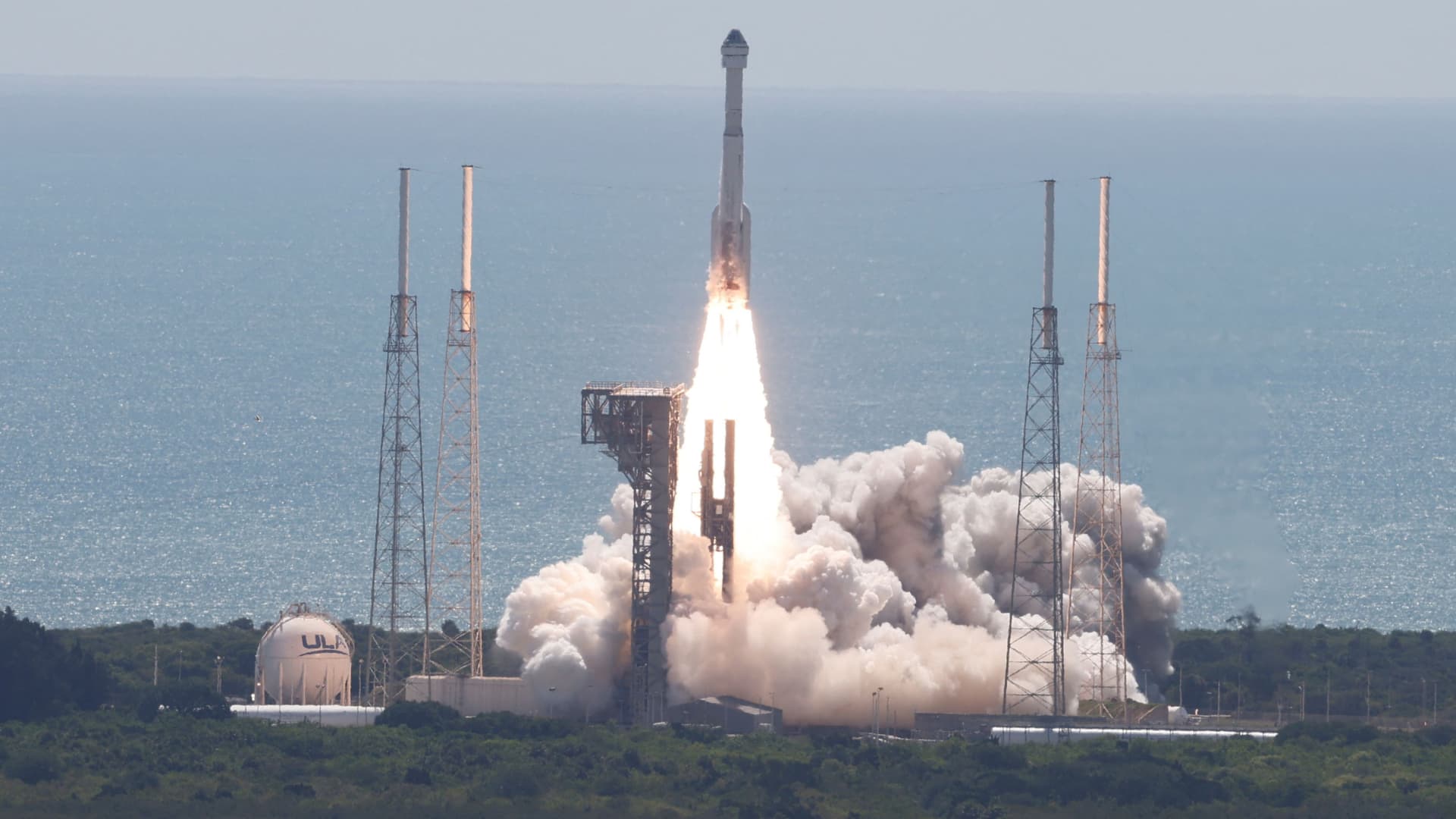
Iran's Supreme Leader Killed, Escalating Middle East Conflict

- Supreme Leader Killed: Iran's state media reported the death of Supreme Leader Khamenei due to U.S. and Israeli strikes, marking a significant escalation in Middle Eastern tensions that could destabilize global markets and provoke wider military engagement.
- Iranian Retaliation: In response, Iran launched unprecedented missile strikes targeting U.S. military bases and allies in the region, resulting in damage and casualties at airports in Israel and the UAE, further intensifying the conflict and regional instability.
- Market Reaction Anticipated: Investors are bracing for risk-off trades, with safe-haven assets like gold and the U.S. dollar expected to rise, while equities may decline; oil prices are projected to increase by $5 to $7 per barrel, potentially surpassing $100 amid escalating tensions.
- Travel Chaos: The conflict has led to the cancellation of over 1,800 flights due to widespread airspace closures in the Middle East, with airlines like Qatar Airways and Emirates halting services, illustrating the extensive impact of the conflict on international travel and commerce.
See More

Tourism Chaos in Mexico Following Drug Lord's Death


- Travel Warnings Escalate: The U.S. State Department has broadened its travel warnings across multiple regions in Mexico, advising tourists to shelter in place in popular destinations like Cancun and Puerto Vallarta, indicating a direct threat to the tourism industry due to escalating violence.
- Cruise Line Route Changes: In response to the violence, Carnival and Norwegian Cruise Lines have canceled planned stops in Puerto Vallarta, reflecting the industry's heightened sensitivity to safety risks and their operational adaptability in crisis situations.
- Hotel Brand Exposure: Analysts highlight that Hyatt has 8.5% of its total rooms in Mexico, while Marriott has 3.3%, indicating significant financial exposure for these brands amid the current unrest and potential impacts on occupancy rates.
- Insurance Policy Limitations: As the violence is now classified as a foreseeable event, many travel insurance providers are no longer offering coverage for cancellations related to this unrest, leaving travelers facing greater uncertainty and potential financial losses when planning their trips.
See More

Online Travel Stocks Hit Hard by AI Concerns

- Online Travel Stocks Plummet: Despite strong fourth-quarter performances from Booking Holdings, Expedia, and Tripadvisor, with Booking down 24%, Expedia down 27%, and Tripadvisor down 22%, the market is concerned about the future impact of AI on traditional travel agencies.
- Booking's Financial Performance: Booking reported fourth-quarter gross bookings of $40.2 billion and EBITDA of $2.2 billion, both exceeding expectations; however, the company anticipates slower profit growth and plans to invest approximately $700 million strategically by 2026, focusing on AI and other initiatives.
- Expedia's Aggressive Investment: Expedia's fourth-quarter bookings reached $27 billion and revenue $3.5 billion, both surpassing forecasts, with adjusted EBITDA of $848 million; management emphasized that while AI poses risks, the company's customer service and market share continue to grow.
- Uncertain Market Outlook: Despite the current stock slump, Booking and Expedia have 12-month price targets of $5,895 and $276, implying potential returns of 55% and 48%, respectively, suggesting that the market's fears of AI disruption may present investment opportunities.
See More
Middle East Airspace Closures Lead to Mass Flight Cancellations
- Flight Cancellations Impact: The closure of Middle Eastern airspace has led to over 1,560 flight cancellations, severely disrupting travel from Brazil to the Philippines, highlighting the profound impact of geopolitical conflicts on the global airline industry.
- Airline Stock Declines: Major airlines such as United, Delta, and American Airlines saw their stock prices drop by approximately 6%, reflecting investor concerns over profitability, particularly as United halted its most lucrative Tel Aviv route.
- Rising Oil Prices Affect Costs: The spike in oil prices significantly increases operational costs for airlines, especially those heavily reliant on international routes, further exacerbating market uncertainties.
- Hotel and Cruise Industries Hit: Shares of hotel chains like Marriott and Hilton fell, while cruise lines such as Royal Caribbean and Carnival experienced stock drops of 6% and 7%, respectively, indicating a broader impact on the travel sector.
See More
Defense Stocks Rise After U.S.-Israeli Strikes on Iran
- Defense Stocks Surge: Following the joint U.S.-Israeli attack on Iran, defense stocks collectively rose, with Lockheed Martin shares gaining 6%, Northrop Grumman up 5%, and drone manufacturer AeroVironment soaring over 10%, indicating strong market optimism regarding defense spending.
- Oil Prices Spike: The escalation of conflict has led to a significant rise in oil prices, with Brent crude hitting a 52-week high of over $78 on Monday, causing Exxon Mobil and Chevron shares to rise about 4% and ConocoPhillips to gain over 5%, reflecting market concerns over potential disruptions to global crude production and transport.
- Tankers Stocks Perform Well: In response to the military strikes in the Middle East, tanker stocks surged, with Frontline rising over 5%, DHT Holdings up 7%, and International Seaways increasing by 6%, showcasing heightened expectations for tanker transportation demand.
- Travel Stocks Decline: The conflict has caused oil prices to surge, disrupting global travel, leading to declines in travel stocks, with Expedia and Booking Holdings down 3.2% and 2.7%, respectively, Delta Air Lines falling 5.7%, and American Airlines and United Airlines dropping at least 6%, reflecting a pessimistic outlook for the travel industry.
See More
Mass Flight Cancellations in Middle East Leave Travelers Stranded Worldwide
- Flight Cancellation Overview: Approximately 3,000 flights have been canceled since the conflict began, leaving travelers stranded globally, particularly in Australia, Brazil, and the Maldives, resulting in significant inconvenience and economic losses for airlines and passengers alike.
- Airspace Closure Impact: Following U.S. and Israeli military strikes on Iran, airspace across the Middle East has been closed, severely affecting flights to and from major hubs like Dubai, Tel Aviv, and Doha, with over 40 flights forced to divert early Saturday morning.
- Airlines' Response Measures: Major airlines are repositioning aircraft to cope with the ongoing airspace closures, with Etihad starting to relocate its A380s from its Abu Dhabi hub, and they are expected to add extra flights once airspace reopens to accommodate the surge in demand.
- Travel Insurance Concerns: Standard travel insurance policies generally do not cover events that have already occurred, meaning travelers must have purchased more expensive
See More
Iran's Supreme Leader Killed, Escalating Middle East Conflict
- Supreme Leader Killed: Iran's state media reported the death of Supreme Leader Khamenei due to U.S. and Israeli strikes, marking a significant escalation in Middle Eastern tensions that could destabilize global markets and provoke wider military engagement.
- Iranian Retaliation: In response, Iran launched unprecedented missile strikes targeting U.S. military bases and allies in the region, resulting in damage and casualties at airports in Israel and the UAE, further intensifying the conflict and regional instability.
- Market Reaction Anticipated: Investors are bracing for risk-off trades, with safe-haven assets like gold and the U.S. dollar expected to rise, while equities may decline; oil prices are projected to increase by $5 to $7 per barrel, potentially surpassing $100 amid escalating tensions.
- Travel Chaos: The conflict has led to the cancellation of over 1,800 flights due to widespread airspace closures in the Middle East, with airlines like Qatar Airways and Emirates halting services, illustrating the extensive impact of the conflict on international travel and commerce.
See More
Tourism Chaos in Mexico Following Drug Lord's Death
- Travel Warnings Escalate: The U.S. State Department has broadened its travel warnings across multiple regions in Mexico, advising tourists to shelter in place in popular destinations like Cancun and Puerto Vallarta, indicating a direct threat to the tourism industry due to escalating violence.
- Cruise Line Route Changes: In response to the violence, Carnival and Norwegian Cruise Lines have canceled planned stops in Puerto Vallarta, reflecting the industry's heightened sensitivity to safety risks and their operational adaptability in crisis situations.
- Hotel Brand Exposure: Analysts highlight that Hyatt has 8.5% of its total rooms in Mexico, while Marriott has 3.3%, indicating significant financial exposure for these brands amid the current unrest and potential impacts on occupancy rates.
- Insurance Policy Limitations: As the violence is now classified as a foreseeable event, many travel insurance providers are no longer offering coverage for cancellations related to this unrest, leaving travelers facing greater uncertainty and potential financial losses when planning their trips.
See More
Online Travel Stocks Hit Hard by AI Concerns
- Online Travel Stocks Plummet: Despite strong fourth-quarter performances from Booking Holdings, Expedia, and Tripadvisor, with Booking down 24%, Expedia down 27%, and Tripadvisor down 22%, the market is concerned about the future impact of AI on traditional travel agencies.
- Booking's Financial Performance: Booking reported fourth-quarter gross bookings of $40.2 billion and EBITDA of $2.2 billion, both exceeding expectations; however, the company anticipates slower profit growth and plans to invest approximately $700 million strategically by 2026, focusing on AI and other initiatives.
- Expedia's Aggressive Investment: Expedia's fourth-quarter bookings reached $27 billion and revenue $3.5 billion, both surpassing forecasts, with adjusted EBITDA of $848 million; management emphasized that while AI poses risks, the company's customer service and market share continue to grow.
- Uncertain Market Outlook: Despite the current stock slump, Booking and Expedia have 12-month price targets of $5,895 and $276, implying potential returns of 55% and 48%, respectively, suggesting that the market's fears of AI disruption may present investment opportunities.
See More




