Eli Lilly Presents Key Data on Jaypirca

Eli Lilly recently presented significant findings from its Phase 3 trials for Jaypirca at the American Society of Hematology (ASH) Annual Meeting. The results from the BRUIN CLL-314 study demonstrated that Jaypirca is non-inferior to Imbruvica in treating treatment-naïve chronic lymphocytic leukemia (CLL) and small lymphocytic lymphoma (SLL) patients, with a P-value of less than 0.05.
Additionally, the BRUIN CLL-313 study revealed that Jaypirca significantly improves progression-free survival compared to traditional chemoimmunotherapy in the same patient group. These findings are expected to set a new standard in the treatment of B-cell malignancies, enhancing Jaypirca's competitive position in the market.
Eli Lilly's commitment to advancing oncology treatments is further underscored by its plans to present long-term data from the BRUIN study, which will cover efficacy and safety in patients with relapsed or refractory CLL, mantle cell lymphoma (MCL), and Waldenström's macroglobulinemia (WM). This comprehensive data presentation aims to solidify Jaypirca's role in the rapidly evolving field of hematologic cancer therapies.
Trade with 70% Backtested Accuracy
Analyst Views on LLY

About LLY
About the author


Novo Nordisk Invests $506 Million to Expand Manufacturing in Ireland
- Investment Expansion: Novo Nordisk is investing €432 million (approximately $506 million) in Ireland to expand its production capabilities for oral medications, thereby enhancing its ability to meet current and future demand, particularly for its newly launched weight loss drug Wegovy.
- Market Competition: This move comes shortly after the launch of the Wegovy pill, aimed at regaining market share lost to rival Eli Lilly, reflecting the company's commitment and confidence in the oral medication market.
- Supply Chain Assurance: Novo Nordisk has stated that it has resolved supply issues for Wegovy and has sufficient supply to meet demand in the U.S. market, although challenges remain for global demand, especially with potential launches in other countries.
- Future Outlook: The construction projects in Ireland are set to be completed gradually between 2027 and 2028, expected to include technological upgrades to existing facilities, further supporting Novo Nordisk's strategic positioning in the obesity market, particularly in the development of oral medications.

Global Market Turmoil and Oil Price Surge


- Market Reaction: Dow futures are down about 500 points and Brent crude oil prices have surged over 8% following the U.S.-Israeli attack on Iran, indicating limited market tolerance for a short war, while a prolonged conflict could lead to soaring oil prices and broader economic impacts.
- Iran Situation: The assassination of Iran's Supreme Leader Ayatollah Khamenei has led to a negative market response, with concerns that the Islamic Revolutionary Guard will remain in power, suggesting that international conflict may not ease, thereby increasing market uncertainty.
- Energy Stock Dynamics: Citigroup raised price targets for several energy companies, including Chevron and Exxon, reflecting market fears of supply disruptions as tankers are rerouted to avoid the Strait of Hormuz, which could lead to sustained supply issues.
- Tech Stock Outlook: Nvidia plans to unveil a new inference processor aimed at enhancing AI system efficiency, and despite concerns over AI disruption, analysts remain bullish on its semiconductor performance, with Morgan Stanley again naming it a top pick, replacing Micron.

Middle East Turmoil Triggers Market Panic
- Oil Price Surge Impact: The closure of the Strait of Hormuz due to U.S. and Israeli attacks on Iran has led to skyrocketing oil prices, which are expected to exacerbate inflation and hinder the Federal Reserve's ability to cut interest rates, posing significant obstacles to economic recovery.
- Private Equity Crisis: Private equity and private credit firms are facing a trust crisis as they are perceived as high-risk debt bearers, leading to a sharp decline in market confidence regarding their future, which could result in a wave of bankruptcies and further heighten recession risks.
- Nvidia Under Customer Pressure: Despite Nvidia reporting strong quarterly results last week, concerns over future demand have intensified as competitors Amazon and Alphabet launched cheaper chips, causing its stock price to drop from $196 to $176, reflecting investor panic in the tech sector.
- Layoff Wave Triggers Market Turmoil: Block's announcement of a 40% workforce reduction has sparked concerns about the future of the tech industry; while this move may boost stock prices in the short term, it risks losing top talent and undermining operational stability and market confidence in the long run.
Eli Lilly Leads in GLP-1 Weight Loss Drug Market

- Significant Sales Growth: Eli Lilly's GLP-1 drugs, Mounjaro and Zepbound, saw sales increase by 99% and 175% respectively in 2025, positioning the company as a leader in the rapidly growing weight-loss drug market; however, these two drugs accounted for nearly all of the company's revenue growth, indicating potential business risks.
- Intensifying Market Competition: While Eli Lilly currently excels in the GLP-1 space, Mounjaro and Zepbound will eventually face generic competition, which could materially decline their revenues and profits, prompting investors to monitor competitors closely.
- Valuation Risks Emerge: With a price-to-earnings (P/E) ratio of 45 and a meager dividend yield of 0.6%, the market has high expectations for Eli Lilly's future growth, and if the performance of its GLP-1 drugs falls short, significant downside risks could arise.
- Pfizer's Potential: Despite Pfizer's GLP-1 drug setback, its attractive 6.3% dividend yield and a P/E ratio of around 20 highlight its appeal as a long-term investment, especially as the company enhances its market competitiveness through acquisitions and partnerships in drug development.

Eli Lilly's GLP-1 Drugs Show Rapid Growth Amid Concerns
- Significant Sales Growth: Eli Lilly's GLP-1 drugs, Mounjaro and Zepbound, saw sales increase by 99% and 175% in 2025, respectively, contributing to 56% of the company's total revenue, indicating strong market demand but also highlighting the risks of product dependency.
- Competitive Pressure: As Mounjaro and Zepbound face future generic competition, their revenues and profits are expected to decline significantly, posing a threat to Eli Lilly's long-term growth, especially with competitors actively seeking alternative drugs.
- Valuation Risks: With a price-to-earnings ratio of 45 and a meager dividend yield of 0.6%, Eli Lilly's stock appears overvalued, suggesting that if the performance of its GLP-1 drugs falls short of expectations, the stock price could face substantial downside risk.
- Pfizer's Investment Opportunity: Despite setbacks in GLP-1 drug development, Pfizer offers a 6.3% dividend yield and a more reasonable P/E ratio of around 20, while demonstrating potential for long-term growth through acquisitions and partnerships, making it a more attractive option for investors.
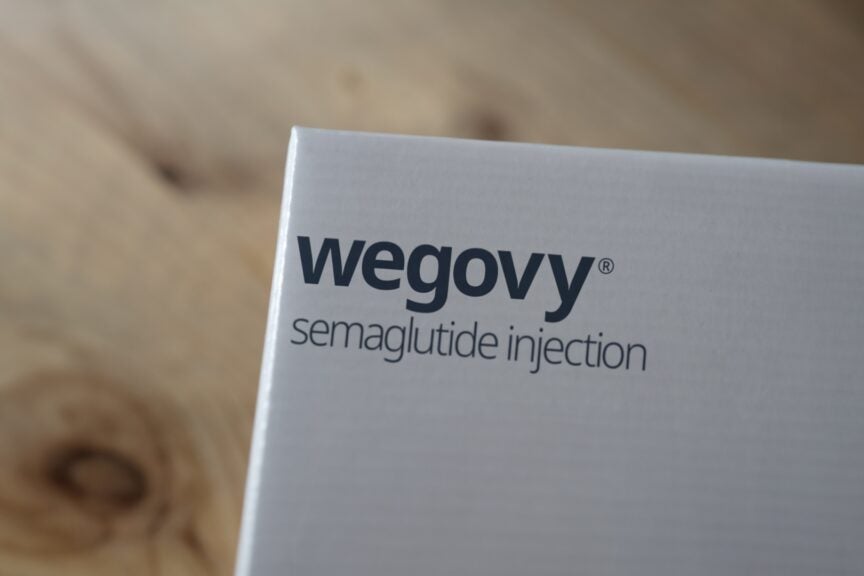
Novo Nordisk Posts Record Low Stock Performance Amid Competitive Pressures
- Stock Plunge: Novo Nordisk's stock has plummeted 37% in February, marking its worst performance ever, primarily due to Eli Lilly's strengthening leadership in the obesity drug market, which has shaken investor confidence.
- Profit Downgrade: The company projected a worse-than-expected profit decline for 2026 due to pricing pressures from a deal with the U.S. government and patent expirations, leading to a 15% drop in early February.
- Clinical Trial Setback: Recent trial data indicated that Novo's next-gen weight loss therapy CagriSema is less effective than Eli Lilly's Zepbound, exacerbating market concerns about Novo's future product viability.
- Analyst Rating Divergence: Despite Novo's shares hitting their lowest level since mid-2021, some analysts remain bullish, arguing that the stock is undervalued and that the company still possesses a robust pipeline and strong financials.
Novo Nordisk Invests $506 Million to Expand Manufacturing in Ireland
- Investment Expansion: Novo Nordisk is investing €432 million (approximately $506 million) in Ireland to expand its production capabilities for oral medications, thereby enhancing its ability to meet current and future demand, particularly for its newly launched weight loss drug Wegovy.
- Market Competition: This move comes shortly after the launch of the Wegovy pill, aimed at regaining market share lost to rival Eli Lilly, reflecting the company's commitment and confidence in the oral medication market.
- Supply Chain Assurance: Novo Nordisk has stated that it has resolved supply issues for Wegovy and has sufficient supply to meet demand in the U.S. market, although challenges remain for global demand, especially with potential launches in other countries.
- Future Outlook: The construction projects in Ireland are set to be completed gradually between 2027 and 2028, expected to include technological upgrades to existing facilities, further supporting Novo Nordisk's strategic positioning in the obesity market, particularly in the development of oral medications.
Global Market Turmoil and Oil Price Surge
- Market Reaction: Dow futures are down about 500 points and Brent crude oil prices have surged over 8% following the U.S.-Israeli attack on Iran, indicating limited market tolerance for a short war, while a prolonged conflict could lead to soaring oil prices and broader economic impacts.
- Iran Situation: The assassination of Iran's Supreme Leader Ayatollah Khamenei has led to a negative market response, with concerns that the Islamic Revolutionary Guard will remain in power, suggesting that international conflict may not ease, thereby increasing market uncertainty.
- Energy Stock Dynamics: Citigroup raised price targets for several energy companies, including Chevron and Exxon, reflecting market fears of supply disruptions as tankers are rerouted to avoid the Strait of Hormuz, which could lead to sustained supply issues.
- Tech Stock Outlook: Nvidia plans to unveil a new inference processor aimed at enhancing AI system efficiency, and despite concerns over AI disruption, analysts remain bullish on its semiconductor performance, with Morgan Stanley again naming it a top pick, replacing Micron.
Middle East Turmoil Triggers Market Panic
- Oil Price Surge Impact: The closure of the Strait of Hormuz due to U.S. and Israeli attacks on Iran has led to skyrocketing oil prices, which are expected to exacerbate inflation and hinder the Federal Reserve's ability to cut interest rates, posing significant obstacles to economic recovery.
- Private Equity Crisis: Private equity and private credit firms are facing a trust crisis as they are perceived as high-risk debt bearers, leading to a sharp decline in market confidence regarding their future, which could result in a wave of bankruptcies and further heighten recession risks.
- Nvidia Under Customer Pressure: Despite Nvidia reporting strong quarterly results last week, concerns over future demand have intensified as competitors Amazon and Alphabet launched cheaper chips, causing its stock price to drop from $196 to $176, reflecting investor panic in the tech sector.
- Layoff Wave Triggers Market Turmoil: Block's announcement of a 40% workforce reduction has sparked concerns about the future of the tech industry; while this move may boost stock prices in the short term, it risks losing top talent and undermining operational stability and market confidence in the long run.
Eli Lilly Leads in GLP-1 Weight Loss Drug Market
- Significant Sales Growth: Eli Lilly's GLP-1 drugs, Mounjaro and Zepbound, saw sales increase by 99% and 175% respectively in 2025, positioning the company as a leader in the rapidly growing weight-loss drug market; however, these two drugs accounted for nearly all of the company's revenue growth, indicating potential business risks.
- Intensifying Market Competition: While Eli Lilly currently excels in the GLP-1 space, Mounjaro and Zepbound will eventually face generic competition, which could materially decline their revenues and profits, prompting investors to monitor competitors closely.
- Valuation Risks Emerge: With a price-to-earnings (P/E) ratio of 45 and a meager dividend yield of 0.6%, the market has high expectations for Eli Lilly's future growth, and if the performance of its GLP-1 drugs falls short, significant downside risks could arise.
- Pfizer's Potential: Despite Pfizer's GLP-1 drug setback, its attractive 6.3% dividend yield and a P/E ratio of around 20 highlight its appeal as a long-term investment, especially as the company enhances its market competitiveness through acquisitions and partnerships in drug development.
Eli Lilly's GLP-1 Drugs Show Rapid Growth Amid Concerns
- Significant Sales Growth: Eli Lilly's GLP-1 drugs, Mounjaro and Zepbound, saw sales increase by 99% and 175% in 2025, respectively, contributing to 56% of the company's total revenue, indicating strong market demand but also highlighting the risks of product dependency.
- Competitive Pressure: As Mounjaro and Zepbound face future generic competition, their revenues and profits are expected to decline significantly, posing a threat to Eli Lilly's long-term growth, especially with competitors actively seeking alternative drugs.
- Valuation Risks: With a price-to-earnings ratio of 45 and a meager dividend yield of 0.6%, Eli Lilly's stock appears overvalued, suggesting that if the performance of its GLP-1 drugs falls short of expectations, the stock price could face substantial downside risk.
- Pfizer's Investment Opportunity: Despite setbacks in GLP-1 drug development, Pfizer offers a 6.3% dividend yield and a more reasonable P/E ratio of around 20, while demonstrating potential for long-term growth through acquisitions and partnerships, making it a more attractive option for investors.
Novo Nordisk Posts Record Low Stock Performance Amid Competitive Pressures
- Stock Plunge: Novo Nordisk's stock has plummeted 37% in February, marking its worst performance ever, primarily due to Eli Lilly's strengthening leadership in the obesity drug market, which has shaken investor confidence.
- Profit Downgrade: The company projected a worse-than-expected profit decline for 2026 due to pricing pressures from a deal with the U.S. government and patent expirations, leading to a 15% drop in early February.
- Clinical Trial Setback: Recent trial data indicated that Novo's next-gen weight loss therapy CagriSema is less effective than Eli Lilly's Zepbound, exacerbating market concerns about Novo's future product viability.
- Analyst Rating Divergence: Despite Novo's shares hitting their lowest level since mid-2021, some analysts remain bullish, arguing that the stock is undervalued and that the company still possesses a robust pipeline and strong financials.