ASML Surges Following Bernstein Upgrade and Strong Market Demand
ASML Holding NV's stock surged by 4.76% in pre-market trading, reaching a 52-week high of $1,281.23, reflecting strong investor confidence and positive market conditions.
The surge is attributed to Bernstein's upgrade of ASML to 'Outperform' with a raised price target of €1,300, anticipating pivotal growth years in 2026 and 2027. Additionally, the recovery in the DRAM market and robust demand for logic chips are expected to significantly boost ASML's lithography tool demand, particularly with the introduction of the new '1c node' technology.
This upgrade and the favorable market conditions highlight ASML's strengthening position in the semiconductor equipment market, suggesting continued growth potential as demand for advanced chip manufacturing technologies increases.
Trade with 70% Backtested Accuracy
Analyst Views on ASML

About ASML
About the author


ASML Expands Chipmaking Equipment Portfolio for AI Market
- Market Expansion Plans: ASML plans to expand its chipmaking equipment portfolio with new products aimed at capturing the rapidly growing AI chip market, which is expected to significantly enhance its market share and revenue potential.
- Technological Innovation: The company is developing next-generation extreme ultraviolet (EUV) machines and exploring a third-generation product to improve chip production efficiency and accuracy, thereby meeting the increasing demand for AI processors.
- Advanced Packaging Technology: ASML will enter the advanced packaging market by developing equipment that connects multiple specialized chips, a technology crucial for AI chips and their advanced memory, which is expected to increase the added value of its products.
- Long-Term Strategic Vision: The Chief Technology Officer of ASML stated that the company is looking not only at the next five years but also at industry directions over the next ten to fifteen years, ensuring that its technology and products can adapt to future market demands.
Iran War Drives Market Volatility and Sector Performance

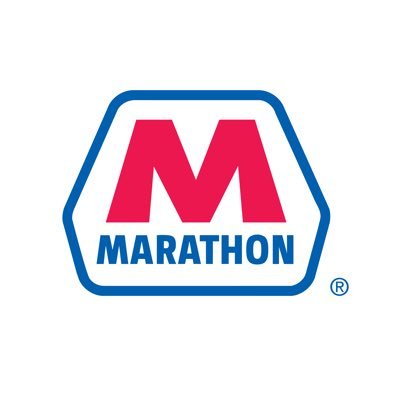
- Market Reaction: Stocks initially retreated following the US and Israel's joint military actions against Iran, but rebounded after the February ISM manufacturing index exceeded expectations, indicating investor focus on economic data.
- Surge in Energy Prices: The halt of tanker traffic through the Strait of Hormuz due to Iran's attacks on three oil tankers led to WTI crude oil prices soaring over 65% to an 8.25-month high, potentially exacerbating global inflationary pressures.
- Defense Stocks Rise: The ongoing conflict in Iran has bolstered earnings prospects for defense companies, with Aerovironment's stock rising over 12%, while Northrop Grumman and RTX Corp also saw increases of over 4%, reflecting market optimism about defense spending.
- Economic Data Focus: Investors are keenly awaiting upcoming economic data releases, including ADP employment changes and the ISM services index, which are expected to influence future monetary policy directions amid rising inflation concerns.
ASML Reports Transactions Under Share Buyback Program
- Buyback Overview: ASML repurchased a total of 99,316 shares from February 23 to 27, 2026, at an average price of €1,250.14, amounting to a total value of €124,999,938, reflecting the company's confidence in its stock and market valuation.
- Transaction Details: The highest daily repurchase volume reached 20,411 shares, while the lowest was 19,405 shares, indicating the company's flexible approach to adjusting its buyback strategy under varying market conditions to optimize capital allocation.
- Program Background: Announced on January 28, 2026, ASML's current buyback program aims to enhance shareholder value by reducing the number of outstanding shares, thereby increasing earnings per share, aligning with market expectations for the company's future growth.
- Regulatory Compliance: This transaction update adheres to the Market Abuse Regulation (Nr. 596/2014), ensuring timely information dissemination to investors, enhancing market trust, and further solidifying ASML's leadership position in the semiconductor industry.
Sen. Mark Kelly Calls for AI Regulations to Protect Families


- AI Regulation Advocacy: Senator Mark Kelly emphasized that artificial intelligence is rapidly transforming the workforce and called for practical regulations to protect families while fostering innovation, highlighting the need for a balance between technological advancement and social responsibility.
- Escalating Trade Tensions: Following the U.S. Supreme Court's ruling against President Trump's emergency tariff authority, trade tensions between Washington and Taipei have intensified, with Trump doubling down on criticism of Taiwan's semiconductor dominance, potentially leading to the swift implementation of new tariffs that could disrupt economic relations.
- Taiwan's Response Strategy: In light of the Supreme Court's decision, Taiwan is quickly moving to preserve recently negotiated trade benefits with the United States, demonstrating its determination to seek stability in an uncertain trade environment and maintain its economic ties.
- Wayve's Successful Funding: British robotaxi startup Wayve announced it has raised $1.5 billion in fresh funding to bolster its global operations, with backing from Microsoft and Nvidia pushing its valuation to $8.6 billion, reflecting strong market confidence in autonomous driving technology.
Taiwan Semiconductor Leads Semiconductor Market Growth

- Market Share Dominance: As of Q3, Taiwan Semiconductor holds a commanding 72% market share in the pure foundry market, significantly outpacing its nearest competitor Samsung at 7%, which solidifies its long-term profitability in the AI hardware sector.
- Significant Revenue Growth: In Q4 2025, Taiwan Semiconductor reported net revenue of $33.75 billion, a 25.5% increase year-over-year, with earnings per share rising by 35%, reflecting strong demand in high-performance computing and AI chip markets.
- Strategic Expansion Investment: Taiwan Semiconductor has committed $100 billion to expand its manufacturing facilities in the U.S., a move that not only enhances its competitive edge in the global market but also aligns with the strategic goals of the U.S.-Taiwan trade agreement.
- Robust Cash Flow: By the end of Q4 2025, Taiwan Semiconductor's cash and cash equivalents totaled $97 billion, significantly exceeding total liabilities of $78.2 billion, indicating a strong financial position that supports future investments and expansions.

Taiwan Semiconductor Achieves 72% Market Share
- Market Dominance: Taiwan Semiconductor holds a commanding 72% market share in the pure foundry market, significantly outpacing its nearest competitor, Samsung, at 7%, which solidifies its critical role in the surging demand for AI hardware globally.
- Strong Financial Performance: In Q4 2025, Taiwan Semiconductor reported net revenue of $33.75 billion, a 25.5% increase year-over-year, with earnings per share rising by 35%, showcasing its robust profitability in the advanced chip market and reinforcing its market position.
- Expansion Investment Plans: The company has committed $100 billion to expand its manufacturing facilities in the U.S., a strategic move that not only enhances its production capacity but also demonstrates a long-term commitment to the American market, expected to drive future revenue growth.
- High-Growth Segment: The high-performance computing segment, which includes AI chips, emerged as Taiwan Semiconductor's fastest-growing revenue source, increasing by 48% and accounting for 58% of total revenue in 2025, indicating the company's forward-looking positioning in future technology trends.
ASML Expands Chipmaking Equipment Portfolio for AI Market
- Market Expansion Plans: ASML plans to expand its chipmaking equipment portfolio with new products aimed at capturing the rapidly growing AI chip market, which is expected to significantly enhance its market share and revenue potential.
- Technological Innovation: The company is developing next-generation extreme ultraviolet (EUV) machines and exploring a third-generation product to improve chip production efficiency and accuracy, thereby meeting the increasing demand for AI processors.
- Advanced Packaging Technology: ASML will enter the advanced packaging market by developing equipment that connects multiple specialized chips, a technology crucial for AI chips and their advanced memory, which is expected to increase the added value of its products.
- Long-Term Strategic Vision: The Chief Technology Officer of ASML stated that the company is looking not only at the next five years but also at industry directions over the next ten to fifteen years, ensuring that its technology and products can adapt to future market demands.
Iran War Drives Market Volatility and Sector Performance
- Market Reaction: Stocks initially retreated following the US and Israel's joint military actions against Iran, but rebounded after the February ISM manufacturing index exceeded expectations, indicating investor focus on economic data.
- Surge in Energy Prices: The halt of tanker traffic through the Strait of Hormuz due to Iran's attacks on three oil tankers led to WTI crude oil prices soaring over 65% to an 8.25-month high, potentially exacerbating global inflationary pressures.
- Defense Stocks Rise: The ongoing conflict in Iran has bolstered earnings prospects for defense companies, with Aerovironment's stock rising over 12%, while Northrop Grumman and RTX Corp also saw increases of over 4%, reflecting market optimism about defense spending.
- Economic Data Focus: Investors are keenly awaiting upcoming economic data releases, including ADP employment changes and the ISM services index, which are expected to influence future monetary policy directions amid rising inflation concerns.
ASML Reports Transactions Under Share Buyback Program
- Buyback Overview: ASML repurchased a total of 99,316 shares from February 23 to 27, 2026, at an average price of €1,250.14, amounting to a total value of €124,999,938, reflecting the company's confidence in its stock and market valuation.
- Transaction Details: The highest daily repurchase volume reached 20,411 shares, while the lowest was 19,405 shares, indicating the company's flexible approach to adjusting its buyback strategy under varying market conditions to optimize capital allocation.
- Program Background: Announced on January 28, 2026, ASML's current buyback program aims to enhance shareholder value by reducing the number of outstanding shares, thereby increasing earnings per share, aligning with market expectations for the company's future growth.
- Regulatory Compliance: This transaction update adheres to the Market Abuse Regulation (Nr. 596/2014), ensuring timely information dissemination to investors, enhancing market trust, and further solidifying ASML's leadership position in the semiconductor industry.
Sen. Mark Kelly Calls for AI Regulations to Protect Families
- AI Regulation Advocacy: Senator Mark Kelly emphasized that artificial intelligence is rapidly transforming the workforce and called for practical regulations to protect families while fostering innovation, highlighting the need for a balance between technological advancement and social responsibility.
- Escalating Trade Tensions: Following the U.S. Supreme Court's ruling against President Trump's emergency tariff authority, trade tensions between Washington and Taipei have intensified, with Trump doubling down on criticism of Taiwan's semiconductor dominance, potentially leading to the swift implementation of new tariffs that could disrupt economic relations.
- Taiwan's Response Strategy: In light of the Supreme Court's decision, Taiwan is quickly moving to preserve recently negotiated trade benefits with the United States, demonstrating its determination to seek stability in an uncertain trade environment and maintain its economic ties.
- Wayve's Successful Funding: British robotaxi startup Wayve announced it has raised $1.5 billion in fresh funding to bolster its global operations, with backing from Microsoft and Nvidia pushing its valuation to $8.6 billion, reflecting strong market confidence in autonomous driving technology.
Taiwan Semiconductor Leads Semiconductor Market Growth
- Market Share Dominance: As of Q3, Taiwan Semiconductor holds a commanding 72% market share in the pure foundry market, significantly outpacing its nearest competitor Samsung at 7%, which solidifies its long-term profitability in the AI hardware sector.
- Significant Revenue Growth: In Q4 2025, Taiwan Semiconductor reported net revenue of $33.75 billion, a 25.5% increase year-over-year, with earnings per share rising by 35%, reflecting strong demand in high-performance computing and AI chip markets.
- Strategic Expansion Investment: Taiwan Semiconductor has committed $100 billion to expand its manufacturing facilities in the U.S., a move that not only enhances its competitive edge in the global market but also aligns with the strategic goals of the U.S.-Taiwan trade agreement.
- Robust Cash Flow: By the end of Q4 2025, Taiwan Semiconductor's cash and cash equivalents totaled $97 billion, significantly exceeding total liabilities of $78.2 billion, indicating a strong financial position that supports future investments and expansions.
Taiwan Semiconductor Achieves 72% Market Share
- Market Dominance: Taiwan Semiconductor holds a commanding 72% market share in the pure foundry market, significantly outpacing its nearest competitor, Samsung, at 7%, which solidifies its critical role in the surging demand for AI hardware globally.
- Strong Financial Performance: In Q4 2025, Taiwan Semiconductor reported net revenue of $33.75 billion, a 25.5% increase year-over-year, with earnings per share rising by 35%, showcasing its robust profitability in the advanced chip market and reinforcing its market position.
- Expansion Investment Plans: The company has committed $100 billion to expand its manufacturing facilities in the U.S., a strategic move that not only enhances its production capacity but also demonstrates a long-term commitment to the American market, expected to drive future revenue growth.
- High-Growth Segment: The high-performance computing segment, which includes AI chips, emerged as Taiwan Semiconductor's fastest-growing revenue source, increasing by 48% and accounting for 58% of total revenue in 2025, indicating the company's forward-looking positioning in future technology trends.