Arm Holdings Shares Drop Amid Broader Market Strength

Arm Holdings PLC shares fell 5.01% as the stock hit a 5-day low, reflecting a downturn despite a generally positive sentiment in the tech sector.
The decline comes amid a broader market strength, particularly in the Nasdaq-100, which rose 0.30%. While Arm Holdings had previously seen a significant rebound due to positive analyst commentary and an upgrade from Susquehanna, the current price action indicates a sector rotation, where investors are reallocating their capital within the technology space. This shift may be influenced by recent developments in the semiconductor sector, which has shown resilience despite Arm's recent struggles.
Investors are advised to monitor the stock closely, as the recent analyst upgrade and positive outlook for AI products could provide future support for the stock. However, the current price movement suggests caution as the market adjusts to changing dynamics.
Trade with 70% Backtested Accuracy
Analyst Views on ARM

About ARM
About the author


Malaysia's Anti-Corruption Agency Investigates Arm Deal
- Investigation Launched: Malaysia's anti-graft agency is investigating a 1.1 billion ringgit ($279 million) deal with Softbank-owned Arm Holdings, focusing on allegations of abuse of power and fraud, which could have significant implications for the government and business environment.
- Officials Summoned: So far, 12 individuals, including a former minister and officials from the economy ministry and Malaysia's investment agency, have been summoned to provide statements regarding the Arm deal, indicating an expanding scope of the investigation.
- Deal Background: The Malaysian government announced in March 2025 a $250 million agreement with Arm to fund chip design plans for local manufacturers over ten years, raising questions about the legality of the transaction amid the ongoing investigation.
- Market Impact: Arm Holdings has a market capitalization of $129.27 billion, and the outcome of this investigation could affect its market standing and Malaysia's international reputation, potentially impacting investor confidence and the overall business climate.
Nvidia's Quarterly Investment Moves Analyzed


- Portfolio Adjustment: Nvidia's latest 13F filing reveals the complete sale of 1,101,249 shares of Arm Holdings and 7,716,050 shares of Applied Digital, indicating a profit-taking strategy in a high-valuation environment, reflecting its keen market awareness.
- Arm Holdings Performance: Since its IPO in September 2023, Arm Holdings has seen its stock price surge, with Nvidia's initial investment at $51 per share fluctuating between $100 and $175, highlighting the risks of high valuation, and the sale may be aimed at locking in profits.
- Applied Digital Growth: Applied Digital's stock has skyrocketed by 500% to 1000% over the past 15 to 18 months, with a market cap of $8.1 billion and a P/S ratio exceeding 23, indicating Nvidia's cautious stance on its future growth potential through the recent sell-off.
- Increased Stake in Intel: Nvidia purchased 214,776,632 shares of Intel at $23.28 each, totaling a $5 billion investment, and with Intel's stock doubling since the purchase, Nvidia has realized quick unrealized gains, showcasing its strategic positioning in the AI data center sector.
Nvidia's 13F Report Reveals Investment Dynamics
- Portfolio Adjustment: Nvidia's 13F report for Q4 reveals the complete sale of 1,101,249 shares of Arm Holdings and 7,716,050 shares of Applied Digital, indicating a cautious stance towards high-valuation stocks, especially as Arm's price surged since its IPO, reflecting market optimism about its future.
- Profit-Taking Strategy: With Arm Holdings' P/S ratio at 29 and Applied Digital's exceeding 23, Nvidia's sell-off not only locks in profits but also signals a reaction to perceived market overvaluation, demonstrating a more prudent approach in its investment decisions.
- Massive Intel Investment: Nvidia purchased 214,776,632 shares of Intel at $23.28 each in December, totaling a $5 billion investment, and with Intel's stock doubling since then, this move has generated significant unrealized gains for Nvidia, showcasing its strategic positioning in the semiconductor sector.
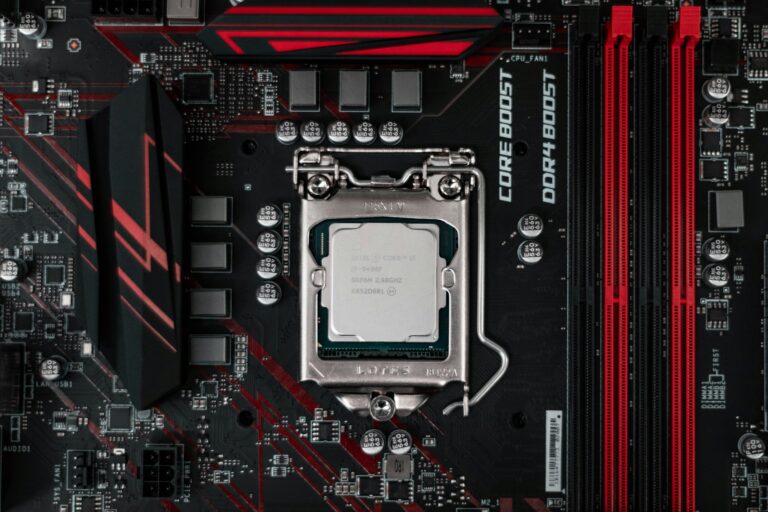
- AI Data Center Collaboration: The partnership between Nvidia and Intel aims to advance AI data centers by integrating Nvidia's GPUs with Intel's x86 processors, and if Intel successfully executes a multi-year turnaround, it could yield billions in investment income for Nvidia, further solidifying its leadership in the AI domain.

Mixed Close for US Stocks Amid Iran War Impact


- Mixed Market Performance: On Monday, the S&P 500 closed up 0.04%, while the Dow Jones Industrial Average fell 0.15%, and the Nasdaq 100 rose 0.13%, reflecting a divergence in market sentiment influenced by the ongoing war in Iran, with increased demand for defense and energy stocks.
- Surge in Oil Prices: WTI crude oil prices soared over 6% to an 8.25-month high following Iran's attack on oil tankers, which is expected to elevate inflation expectations and impact the overall economic environment and investor confidence.
- Strong Manufacturing Index: The US February ISM manufacturing index unexpectedly rose to 52.4, surpassing the market expectation of 51.5, indicating economic resilience that could influence the Federal Reserve's monetary policy direction, leading to shifts in future rate hike expectations.
- Optimistic Earnings Outlook: More than 90% of S&P 500 companies have reported earnings, with 73% exceeding expectations, and Q4 earnings growth is projected at 8.4%, providing market support despite geopolitical risks.

Iran War Drives Market Volatility and Sector Performance
- Market Reaction: Stocks initially retreated following the US and Israel's joint military actions against Iran, but rebounded after the February ISM manufacturing index exceeded expectations, indicating investor focus on economic data.
- Surge in Energy Prices: The halt of tanker traffic through the Strait of Hormuz due to Iran's attacks on three oil tankers led to WTI crude oil prices soaring over 65% to an 8.25-month high, potentially exacerbating global inflationary pressures.
- Defense Stocks Rise: The ongoing conflict in Iran has bolstered earnings prospects for defense companies, with Aerovironment's stock rising over 12%, while Northrop Grumman and RTX Corp also saw increases of over 4%, reflecting market optimism about defense spending.
- Economic Data Focus: Investors are keenly awaiting upcoming economic data releases, including ADP employment changes and the ISM services index, which are expected to influence future monetary policy directions amid rising inflation concerns.

Hyperscalers Plan to Invest Over $650 Billion in AI Infrastructure

- Massive Investment: The four largest hyperscalers are set to invest over $650 billion in AI infrastructure in 2023, reflecting strong confidence in AI technology and anticipated market demand.
- Chipmakers Benefit: Nvidia, as the primary GPU supplier for AI workloads, solidifies its market position with its CUDA software platform, which is expected to yield significant gains from the expansion of AI infrastructure, driving future growth.
- Cloud Giants Integrate AI: Companies like Alphabet, Amazon, and Microsoft are embedding AI into their core operations, accelerating cloud revenue growth, indicating that AI will be a key driver of future business development.
- Rising Energy Demand: With the proliferation of AI technology, energy companies like Energy Transfer are engaging in high-return projects to meet the energy needs of AI data centers, showcasing the impact of AI infrastructure development on the energy sector.
Malaysia's Anti-Corruption Agency Investigates Arm Deal
- Investigation Launched: Malaysia's anti-graft agency is investigating a 1.1 billion ringgit ($279 million) deal with Softbank-owned Arm Holdings, focusing on allegations of abuse of power and fraud, which could have significant implications for the government and business environment.
- Officials Summoned: So far, 12 individuals, including a former minister and officials from the economy ministry and Malaysia's investment agency, have been summoned to provide statements regarding the Arm deal, indicating an expanding scope of the investigation.
- Deal Background: The Malaysian government announced in March 2025 a $250 million agreement with Arm to fund chip design plans for local manufacturers over ten years, raising questions about the legality of the transaction amid the ongoing investigation.
- Market Impact: Arm Holdings has a market capitalization of $129.27 billion, and the outcome of this investigation could affect its market standing and Malaysia's international reputation, potentially impacting investor confidence and the overall business climate.
Nvidia's Quarterly Investment Moves Analyzed
- Portfolio Adjustment: Nvidia's latest 13F filing reveals the complete sale of 1,101,249 shares of Arm Holdings and 7,716,050 shares of Applied Digital, indicating a profit-taking strategy in a high-valuation environment, reflecting its keen market awareness.
- Arm Holdings Performance: Since its IPO in September 2023, Arm Holdings has seen its stock price surge, with Nvidia's initial investment at $51 per share fluctuating between $100 and $175, highlighting the risks of high valuation, and the sale may be aimed at locking in profits.
- Applied Digital Growth: Applied Digital's stock has skyrocketed by 500% to 1000% over the past 15 to 18 months, with a market cap of $8.1 billion and a P/S ratio exceeding 23, indicating Nvidia's cautious stance on its future growth potential through the recent sell-off.
- Increased Stake in Intel: Nvidia purchased 214,776,632 shares of Intel at $23.28 each, totaling a $5 billion investment, and with Intel's stock doubling since the purchase, Nvidia has realized quick unrealized gains, showcasing its strategic positioning in the AI data center sector.
Nvidia's 13F Report Reveals Investment Dynamics
- Portfolio Adjustment: Nvidia's 13F report for Q4 reveals the complete sale of 1,101,249 shares of Arm Holdings and 7,716,050 shares of Applied Digital, indicating a cautious stance towards high-valuation stocks, especially as Arm's price surged since its IPO, reflecting market optimism about its future.
- Profit-Taking Strategy: With Arm Holdings' P/S ratio at 29 and Applied Digital's exceeding 23, Nvidia's sell-off not only locks in profits but also signals a reaction to perceived market overvaluation, demonstrating a more prudent approach in its investment decisions.
- Massive Intel Investment: Nvidia purchased 214,776,632 shares of Intel at $23.28 each in December, totaling a $5 billion investment, and with Intel's stock doubling since then, this move has generated significant unrealized gains for Nvidia, showcasing its strategic positioning in the semiconductor sector.
- AI Data Center Collaboration: The partnership between Nvidia and Intel aims to advance AI data centers by integrating Nvidia's GPUs with Intel's x86 processors, and if Intel successfully executes a multi-year turnaround, it could yield billions in investment income for Nvidia, further solidifying its leadership in the AI domain.
Mixed Close for US Stocks Amid Iran War Impact
- Mixed Market Performance: On Monday, the S&P 500 closed up 0.04%, while the Dow Jones Industrial Average fell 0.15%, and the Nasdaq 100 rose 0.13%, reflecting a divergence in market sentiment influenced by the ongoing war in Iran, with increased demand for defense and energy stocks.
- Surge in Oil Prices: WTI crude oil prices soared over 6% to an 8.25-month high following Iran's attack on oil tankers, which is expected to elevate inflation expectations and impact the overall economic environment and investor confidence.
- Strong Manufacturing Index: The US February ISM manufacturing index unexpectedly rose to 52.4, surpassing the market expectation of 51.5, indicating economic resilience that could influence the Federal Reserve's monetary policy direction, leading to shifts in future rate hike expectations.
- Optimistic Earnings Outlook: More than 90% of S&P 500 companies have reported earnings, with 73% exceeding expectations, and Q4 earnings growth is projected at 8.4%, providing market support despite geopolitical risks.
Iran War Drives Market Volatility and Sector Performance
- Market Reaction: Stocks initially retreated following the US and Israel's joint military actions against Iran, but rebounded after the February ISM manufacturing index exceeded expectations, indicating investor focus on economic data.
- Surge in Energy Prices: The halt of tanker traffic through the Strait of Hormuz due to Iran's attacks on three oil tankers led to WTI crude oil prices soaring over 65% to an 8.25-month high, potentially exacerbating global inflationary pressures.
- Defense Stocks Rise: The ongoing conflict in Iran has bolstered earnings prospects for defense companies, with Aerovironment's stock rising over 12%, while Northrop Grumman and RTX Corp also saw increases of over 4%, reflecting market optimism about defense spending.
- Economic Data Focus: Investors are keenly awaiting upcoming economic data releases, including ADP employment changes and the ISM services index, which are expected to influence future monetary policy directions amid rising inflation concerns.
Hyperscalers Plan to Invest Over $650 Billion in AI Infrastructure
- Massive Investment: The four largest hyperscalers are set to invest over $650 billion in AI infrastructure in 2023, reflecting strong confidence in AI technology and anticipated market demand.
- Chipmakers Benefit: Nvidia, as the primary GPU supplier for AI workloads, solidifies its market position with its CUDA software platform, which is expected to yield significant gains from the expansion of AI infrastructure, driving future growth.
- Cloud Giants Integrate AI: Companies like Alphabet, Amazon, and Microsoft are embedding AI into their core operations, accelerating cloud revenue growth, indicating that AI will be a key driver of future business development.
- Rising Energy Demand: With the proliferation of AI technology, energy companies like Energy Transfer are engaging in high-return projects to meet the energy needs of AI data centers, showcasing the impact of AI infrastructure development on the energy sector.