

Alaska Air Executive Sells Shares Amid Financial Challenges

Alaska Air Group's stock fell 5.01% as it crossed below the 5-day SMA, reflecting investor concerns amid broader market weakness.
Andrew R. Harrison, EVP and CCO of Alaska Air Group, sold 5,500 shares for $311,000 on February 18, 2026, reducing his holdings significantly. This sale comes as the company faces a nearly 75% year-over-year decline in net income and EPS for FY 2025, despite plans for over $3 billion in airport investments and a record order of 110 new Boeing jets. The cautious stance from executives indicates ongoing challenges in the airline industry.
The significant stock decline may lead investors to reassess their positions in Alaska Air Group, especially in light of the executive's sale and the company's financial struggles. The market's reaction suggests a need for the company to demonstrate recovery and growth potential to regain investor confidence.
Trade with 70% Backtested Accuracy
Analyst Views on ALK

About ALK
About the author


Middle East Conflict Drives Oil Prices Up, Impacting Airlines


- Flight Cancellations Surge: The escalation of the Middle East conflict has led to over 1,560 flight cancellations on Monday alone, with total cancellations exceeding 4,000 since Saturday, causing major international hubs like Dubai and Abu Dhabi to shut down, thereby increasing operational pressures on airlines.
- Oil Prices Spike: U.S. West Texas Intermediate (WTI) crude futures rose 5.3% to $70.60 per barrel, while Brent crude futures increased 5.6% to $77.20 per barrel, raising jet fuel costs and potentially further squeezing airline margins amid rising operational expenses.
- American Airlines Expansion Plans: American Airlines announced a $1 billion investment to expand Concourse D at Miami International Airport, with construction set to begin in 2027 and the expanded concourse expected to open around 2030, aimed at enhancing customer experience and accommodating future growth demands.
- Venezuela Flight Application: American Airlines' regional unit Envoy Air has filed an application with the U.S. Department of Transportation for scheduled flights from Miami to Venezuela, marking a potential resumption of services following the lifting of a 2019 ban, thereby expanding market opportunities.

US Stocks Decline Amid Iran War Escalation

- Market Retreat: The S&P 500 index fell by 0.69% and the Nasdaq 100 by 0.65%, both hitting 1.5-week lows, indicating a heightened risk-off sentiment among investors due to the escalating conflict in Iran, which may lead to a reassessment of risk asset allocations.
- Oil Price Surge: WTI crude oil prices soared over 8% to an 8.25-month high as tanker traffic through the Strait of Hormuz largely halted, raising inflation expectations and potentially impacting overall economic growth forecasts.
- Airline Stocks Under Pressure: Airline stocks faced declines, with American Airlines down over 5% and Delta Air Lines down more than 2%, reflecting the negative impact of rising oil prices on profit outlooks in the aviation sector.
- Defense Stocks Rise: Defense stocks like Aerovironment surged over 15% amid expectations of increased defense spending due to the Iran war, indicating a potential boost in earnings prospects for companies in this sector.
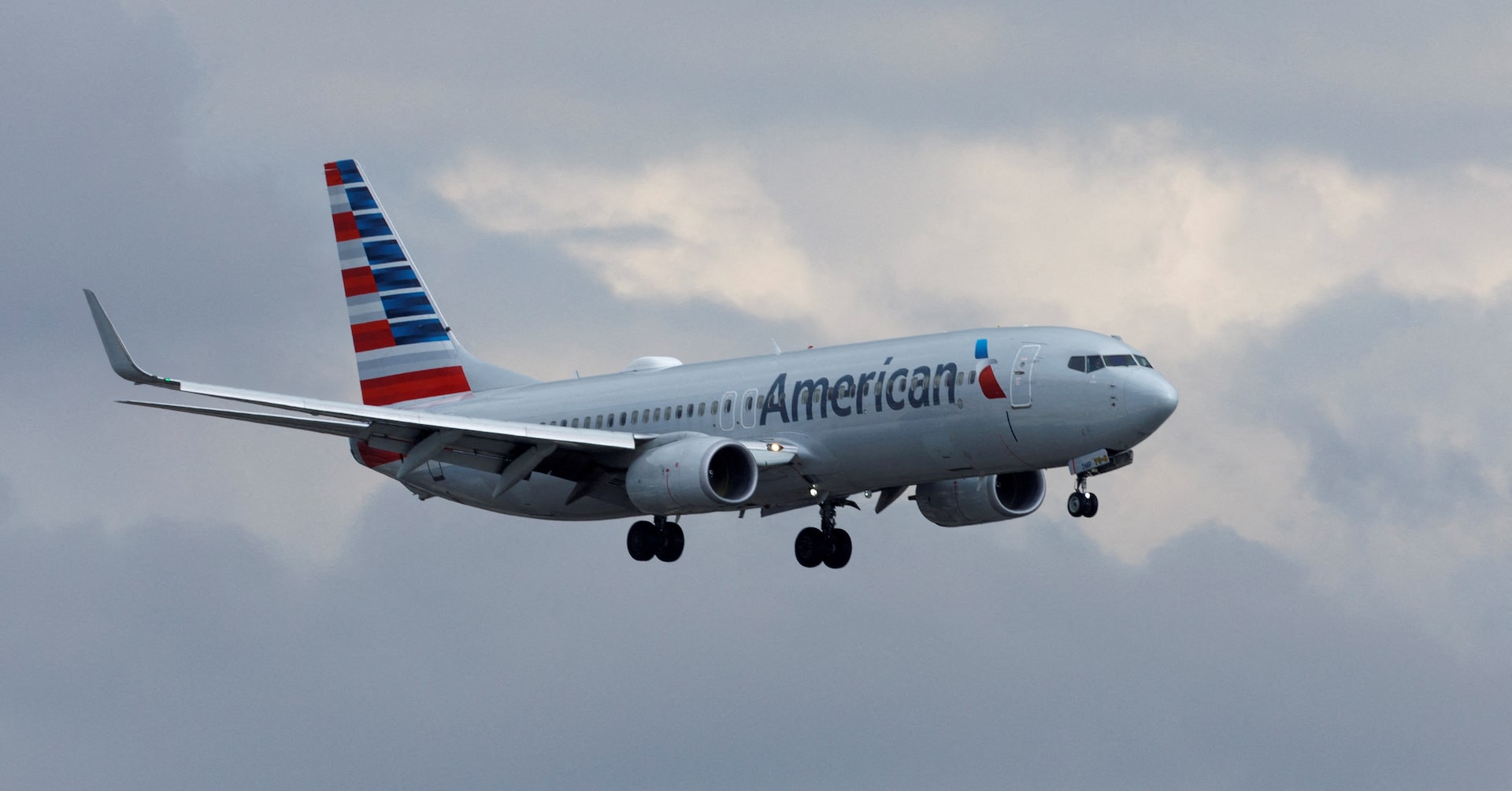
U.S. Airline Stocks Decline Amid Travel Disruptions from US-Iran Conflict
Impact on Airline Shares: U.S. airline shares have experienced a decline due to the ongoing conflict between the U.S. and Iran, affecting investor confidence.
Travel Disruptions: The conflict has led to significant disruptions in travel plans, with many travelers facing cancellations and delays.
Market Reactions: Investors are closely monitoring the situation, leading to volatility in airline stock prices as geopolitical tensions escalate.
Future Outlook: The uncertainty surrounding the U.S.-Iran conflict raises concerns about the long-term implications for the airline industry and travel demand.

US Stocks Decline on Friday, Bank Stocks Plummet

- Market Decline: The S&P 500 index closed down 0.43% on Friday, with the Dow Jones Industrial Average falling 1.05% and the Nasdaq 100 down 0.30%, reflecting heightened investor concerns over the disruptive potential of AI, which has negatively impacted market confidence.
- Bank Stocks Plummet: The collapse of UK private lender Market Financial Solutions Ltd raised fears of rising defaults, leading to significant declines in bank stocks, with Morgan Stanley and Goldman Sachs both down over 7%, indicating instability within the financial sector.
- Economic Data Impact: The US January PPI rose 0.5% month-over-month, exceeding expectations of 0.3%, while the Chicago PMI unexpectedly increased to 57.7, demonstrating economic resilience, although market speculation regarding Fed rate cuts was dampened.
- Rising Oil Prices Pressure: WTI crude oil prices surged over 2% to a 7-month high due to President Trump's pessimistic remarks on Iranian nuclear negotiations, exacerbating geopolitical risks that could further impact airline profits, leading to declines in related stocks.
US Stocks Decline as AI Disrupts Markets
- Market Weakness: The S&P 500 index fell by 0.61%, the Dow Jones Industrial Average dropped by 1.17%, and the Nasdaq 100 index decreased by 0.41%, reflecting investor concerns over the disruptive potential of AI, which has put overall market sentiment under pressure.
- Producer Prices Rise: The US January Producer Price Index (PPI) increased by 0.5% month-over-month and 2.9% year-over-year, exceeding expectations, indicating rising inflationary pressures that could influence the Fed's interest rate decisions and increase market uncertainty.
- Strong Economic Data: Despite the market downturn, the February Chicago PMI unexpectedly rose to 57.7, signaling signs of economic expansion, which may alleviate some investor concerns about a slowdown in economic growth.
- Airline Stocks Under Pressure: With WTI crude oil prices reaching a 6.5-month high, airline stocks are generally declining, with United Airlines down over 8%, reflecting the potential threat of rising fuel costs on airline profitability.

Analysis of ALK Stock's 52-Week Highs and Lows
- Price Fluctuation Analysis: ALK's stock has a 52-week low of $37.63 and a high of $73.98, with the last trade at $50.67, indicating significant price volatility within this range and reflecting market caution regarding the stock.
- Market Trend Observation: The current price of $50.67 is close to the 52-week low, suggesting that investors may be adopting a wait-and-see approach towards ALK's future performance, which could impact its short-term market performance and investor confidence.
- Technical Indicator Reference: The mention of ALK's 200-day moving average implies that market participants may be watching for a potential breakout above this key technical level, which could influence future trading decisions.
- Investor Sentiment Assessment: Despite the current stock price being below the 200-day moving average, investors may reassess their strategies, considering whether to buy or sell within this price range.
Middle East Conflict Drives Oil Prices Up, Impacting Airlines
- Flight Cancellations Surge: The escalation of the Middle East conflict has led to over 1,560 flight cancellations on Monday alone, with total cancellations exceeding 4,000 since Saturday, causing major international hubs like Dubai and Abu Dhabi to shut down, thereby increasing operational pressures on airlines.
- Oil Prices Spike: U.S. West Texas Intermediate (WTI) crude futures rose 5.3% to $70.60 per barrel, while Brent crude futures increased 5.6% to $77.20 per barrel, raising jet fuel costs and potentially further squeezing airline margins amid rising operational expenses.
- American Airlines Expansion Plans: American Airlines announced a $1 billion investment to expand Concourse D at Miami International Airport, with construction set to begin in 2027 and the expanded concourse expected to open around 2030, aimed at enhancing customer experience and accommodating future growth demands.
- Venezuela Flight Application: American Airlines' regional unit Envoy Air has filed an application with the U.S. Department of Transportation for scheduled flights from Miami to Venezuela, marking a potential resumption of services following the lifting of a 2019 ban, thereby expanding market opportunities.
US Stocks Decline Amid Iran War Escalation
- Market Retreat: The S&P 500 index fell by 0.69% and the Nasdaq 100 by 0.65%, both hitting 1.5-week lows, indicating a heightened risk-off sentiment among investors due to the escalating conflict in Iran, which may lead to a reassessment of risk asset allocations.
- Oil Price Surge: WTI crude oil prices soared over 8% to an 8.25-month high as tanker traffic through the Strait of Hormuz largely halted, raising inflation expectations and potentially impacting overall economic growth forecasts.
- Airline Stocks Under Pressure: Airline stocks faced declines, with American Airlines down over 5% and Delta Air Lines down more than 2%, reflecting the negative impact of rising oil prices on profit outlooks in the aviation sector.
- Defense Stocks Rise: Defense stocks like Aerovironment surged over 15% amid expectations of increased defense spending due to the Iran war, indicating a potential boost in earnings prospects for companies in this sector.
U.S. Airline Stocks Decline Amid Travel Disruptions from US-Iran Conflict
Impact on Airline Shares: U.S. airline shares have experienced a decline due to the ongoing conflict between the U.S. and Iran, affecting investor confidence.
Travel Disruptions: The conflict has led to significant disruptions in travel plans, with many travelers facing cancellations and delays.
Market Reactions: Investors are closely monitoring the situation, leading to volatility in airline stock prices as geopolitical tensions escalate.
Future Outlook: The uncertainty surrounding the U.S.-Iran conflict raises concerns about the long-term implications for the airline industry and travel demand.
US Stocks Decline on Friday, Bank Stocks Plummet
- Market Decline: The S&P 500 index closed down 0.43% on Friday, with the Dow Jones Industrial Average falling 1.05% and the Nasdaq 100 down 0.30%, reflecting heightened investor concerns over the disruptive potential of AI, which has negatively impacted market confidence.
- Bank Stocks Plummet: The collapse of UK private lender Market Financial Solutions Ltd raised fears of rising defaults, leading to significant declines in bank stocks, with Morgan Stanley and Goldman Sachs both down over 7%, indicating instability within the financial sector.
- Economic Data Impact: The US January PPI rose 0.5% month-over-month, exceeding expectations of 0.3%, while the Chicago PMI unexpectedly increased to 57.7, demonstrating economic resilience, although market speculation regarding Fed rate cuts was dampened.
- Rising Oil Prices Pressure: WTI crude oil prices surged over 2% to a 7-month high due to President Trump's pessimistic remarks on Iranian nuclear negotiations, exacerbating geopolitical risks that could further impact airline profits, leading to declines in related stocks.
US Stocks Decline as AI Disrupts Markets
- Market Weakness: The S&P 500 index fell by 0.61%, the Dow Jones Industrial Average dropped by 1.17%, and the Nasdaq 100 index decreased by 0.41%, reflecting investor concerns over the disruptive potential of AI, which has put overall market sentiment under pressure.
- Producer Prices Rise: The US January Producer Price Index (PPI) increased by 0.5% month-over-month and 2.9% year-over-year, exceeding expectations, indicating rising inflationary pressures that could influence the Fed's interest rate decisions and increase market uncertainty.
- Strong Economic Data: Despite the market downturn, the February Chicago PMI unexpectedly rose to 57.7, signaling signs of economic expansion, which may alleviate some investor concerns about a slowdown in economic growth.
- Airline Stocks Under Pressure: With WTI crude oil prices reaching a 6.5-month high, airline stocks are generally declining, with United Airlines down over 8%, reflecting the potential threat of rising fuel costs on airline profitability.
Analysis of ALK Stock's 52-Week Highs and Lows
- Price Fluctuation Analysis: ALK's stock has a 52-week low of $37.63 and a high of $73.98, with the last trade at $50.67, indicating significant price volatility within this range and reflecting market caution regarding the stock.
- Market Trend Observation: The current price of $50.67 is close to the 52-week low, suggesting that investors may be adopting a wait-and-see approach towards ALK's future performance, which could impact its short-term market performance and investor confidence.
- Technical Indicator Reference: The mention of ALK's 200-day moving average implies that market participants may be watching for a potential breakout above this key technical level, which could influence future trading decisions.
- Investor Sentiment Assessment: Despite the current stock price being below the 200-day moving average, investors may reassess their strategies, considering whether to buy or sell within this price range.




