Zacks Analyst Blog Spotlights FJP, EWJV, DFJ, SCJ, FLJH, and SPY


Investment Insights on Japan's Market
Berkshire Hathaway's Increased Stake: Warren Buffett's Berkshire Hathaway has raised its stake in Mitsubishi Corp. to 10.23% from 9.74% and has also increased its holding in Mitsui & Co., although it remains below 10%. This move has positively impacted shares in Japanese trading houses, reflecting Buffett's confidence in these companies.
Performance of Japanese ETFs: Several Japan-focused ETFs, including the First Trust Japan AlphaDEX Fund (FJP) and iShares MSCI Japan Value ETF (EWJV), have outperformed the SPDR S&P 500 ETF (SPY) recently, indicating strong market performance.
Economic Indicators
Japan's GDP Growth: Japan's GDP grew by 0.3% in Q2 2025, surpassing market expectations of 0.1% and marking the fifth consecutive quarter of growth. This economic stability is a positive sign for investors.
Valuation of Japanese Stocks: Despite recent gains, Japanese stocks remain attractively valued compared to U.S. stocks, with P/E ratios for various ETFs ranging from 14.37X to 21.85X, significantly lower than the S&P 500's P/E of approximately 33.75X.
Future Outlook
Potential for Japan ETFs: The combination of low interest rates and a stable economy positions Japan ETFs favorably for future growth, making them an attractive option for investors looking to diversify their portfolios.
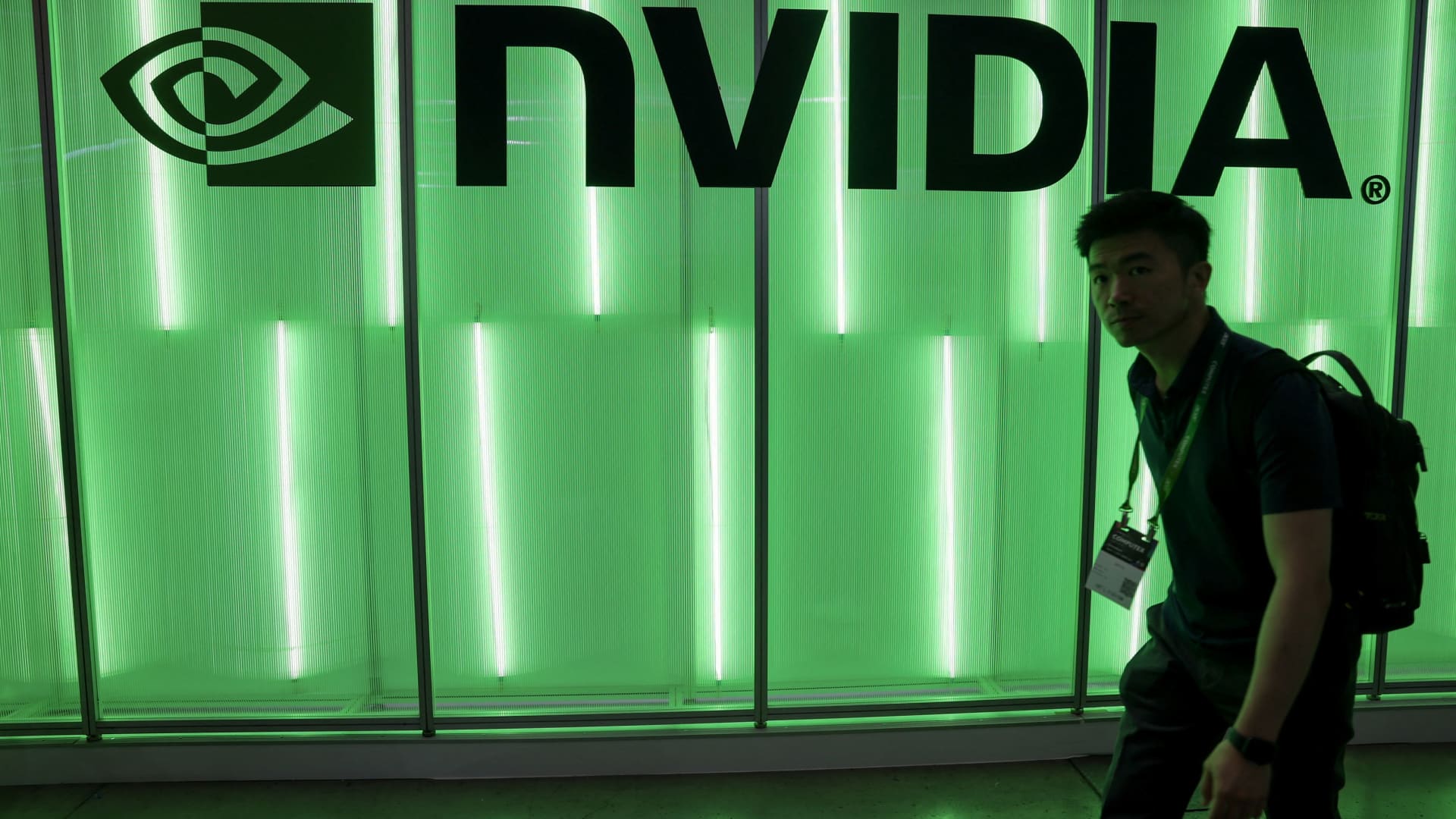
Semiconductor Market Growth: The global semiconductor manufacturing market is projected to grow from $452 billion in 2021 to $971 billion by 2028, highlighting significant opportunities in this sector, particularly for companies not dominated by major players like NVIDIA.
Trade with 70% Backtested Accuracy
Analyst Views on SPY
About the author


CBOE Volatility Index Decreases by 2.64 Points, Currently at 20.93

Volatility Index Update: The Volatility Index (VIX) has decreased by 2.64 points.
Previous Value Comparison: The last recorded value of the VIX was 20.93.

Three Strategies to Capitalize on the Iran Crisis Using Options

- Opportunities in Crisis: Every crisis presents three distinct opportunities for growth and improvement.
- Adaptation and Innovation: Crises can drive individuals and organizations to adapt and innovate in ways they may not have considered before.
- Strengthening Relationships: Difficult times often lead to stronger relationships and collaboration among teams and communities.
- Learning and Resilience: Crises provide valuable lessons that can enhance resilience and preparedness for future challenges.

Fed's Jeff Schmid Warns Apex Bank Must Stay Vigilant on Inflation: Report

Inflation Concerns: Inflationary pressures are evident in goods and services, with the consumer price index rising 2.4% year-over-year, still above the Federal Reserve's target of around 2%.
Federal Reserve's Stance: Kansas City Fed Chief Jeff Schmied noted that the central bank cannot be complacent about inflation, which has been above the Fed's objective for nearly five years.
Market Reactions: Recent military actions in the Middle East have heightened inflation concerns, leading to rising crude oil prices and a decline in U.S. equities, with major stock indices experiencing significant drops.
Economic Outlook: Schmied believes that while AI and technology may eventually lead to non-inflationary growth, the current economic environment does not reflect that potential yet, particularly in the labor market and healthcare sector.

Three Key Macro Charts to Watch: U.S. Dollar, Gold, and S&P 500


- Market Reactions to Middle East Tensions: Rising tensions in the Middle East lead to significant market responses across various asset classes.
- Impact of Crude Oil Prices: A surge in crude oil prices can influence interest rate expectations, strengthen the U.S. dollar, and create pressure on stock markets.
- Financial Conditions Tightening: Increased oil prices can result in tighter financial conditions, affecting overall economic stability.
- Broader Economic Implications: The interconnectedness of global markets means that shocks in one region can have widespread effects on financial systems worldwide.
Dow Falls 1,200 Points Amid Escalating Iran Conflict — Trump Cautions That Negotiations Are 'Too Late'
Trump's Statement on U.S. Weaponry: President Trump claimed that the U.S. possesses "unlimited mid-to-upper tier" weaponry, emphasizing the country's extensive military inventory and readiness for conflict.
U.S. Embassy Warning in Saudi Arabia: The U.S. Embassy in Saudi Arabia issued a warning about an imminent threat of missile and drone attacks targeting the consulate in Dhahran, advising citizens to shelter in place.
Israeli Airstrikes Escalation: The Israeli military conducted airstrikes on Tehran and Beirut, marking an escalation in the ongoing conflict in the Middle East, particularly in response to attacks from Hezbollah.
Market Reactions Amid Conflict: U.S. equities saw a significant decline, with major indices dropping over 2%, reflecting investor concerns over the intensifying Iran war and its implications for global stability.
DIA Poised to Break 100-DMA for the First Time in More Than Eight Months

Market Decline: The S&P 500 ETF Trust and the Invesco QQQ Trust experienced significant declines of 1.7% and over 2%, respectively, amid a broader market downturn influenced by geopolitical tensions in the Middle East.
Strength of the Dollar: The U.S. Dollar Index reached its highest level since January 19, driven by rising interest rate expectations due to inflationary risks stemming from ongoing conflicts, which negatively impacted gold prices.
Oil Prices Surge: West Texas Intermediate crude futures rose by 7.8% to $76.78 per barrel, while Brent crude contracts jumped 2.5% to $72.50 per barrel, reflecting increased market volatility and inflation concerns.
Investor Sentiment: Retail trading volumes surged for the Invesco QQQ Trust, indicating heightened investor activity, although overall sentiment remained bearish, particularly in tech stocks, as major companies like Goldman Sachs and Microsoft saw declines.
CBOE Volatility Index Decreases by 2.64 Points, Currently at 20.93
Volatility Index Update: The Volatility Index (VIX) has decreased by 2.64 points.
Previous Value Comparison: The last recorded value of the VIX was 20.93.
Three Strategies to Capitalize on the Iran Crisis Using Options
- Opportunities in Crisis: Every crisis presents three distinct opportunities for growth and improvement.
- Adaptation and Innovation: Crises can drive individuals and organizations to adapt and innovate in ways they may not have considered before.
- Strengthening Relationships: Difficult times often lead to stronger relationships and collaboration among teams and communities.
- Learning and Resilience: Crises provide valuable lessons that can enhance resilience and preparedness for future challenges.
Fed's Jeff Schmid Warns Apex Bank Must Stay Vigilant on Inflation: Report
Inflation Concerns: Inflationary pressures are evident in goods and services, with the consumer price index rising 2.4% year-over-year, still above the Federal Reserve's target of around 2%.
Federal Reserve's Stance: Kansas City Fed Chief Jeff Schmied noted that the central bank cannot be complacent about inflation, which has been above the Fed's objective for nearly five years.
Market Reactions: Recent military actions in the Middle East have heightened inflation concerns, leading to rising crude oil prices and a decline in U.S. equities, with major stock indices experiencing significant drops.
Economic Outlook: Schmied believes that while AI and technology may eventually lead to non-inflationary growth, the current economic environment does not reflect that potential yet, particularly in the labor market and healthcare sector.
Three Key Macro Charts to Watch: U.S. Dollar, Gold, and S&P 500
- Market Reactions to Middle East Tensions: Rising tensions in the Middle East lead to significant market responses across various asset classes.
- Impact of Crude Oil Prices: A surge in crude oil prices can influence interest rate expectations, strengthen the U.S. dollar, and create pressure on stock markets.
- Financial Conditions Tightening: Increased oil prices can result in tighter financial conditions, affecting overall economic stability.
- Broader Economic Implications: The interconnectedness of global markets means that shocks in one region can have widespread effects on financial systems worldwide.
Dow Falls 1,200 Points Amid Escalating Iran Conflict — Trump Cautions That Negotiations Are 'Too Late'
Trump's Statement on U.S. Weaponry: President Trump claimed that the U.S. possesses "unlimited mid-to-upper tier" weaponry, emphasizing the country's extensive military inventory and readiness for conflict.
U.S. Embassy Warning in Saudi Arabia: The U.S. Embassy in Saudi Arabia issued a warning about an imminent threat of missile and drone attacks targeting the consulate in Dhahran, advising citizens to shelter in place.
Israeli Airstrikes Escalation: The Israeli military conducted airstrikes on Tehran and Beirut, marking an escalation in the ongoing conflict in the Middle East, particularly in response to attacks from Hezbollah.
Market Reactions Amid Conflict: U.S. equities saw a significant decline, with major indices dropping over 2%, reflecting investor concerns over the intensifying Iran war and its implications for global stability.
DIA Poised to Break 100-DMA for the First Time in More Than Eight Months
Market Decline: The S&P 500 ETF Trust and the Invesco QQQ Trust experienced significant declines of 1.7% and over 2%, respectively, amid a broader market downturn influenced by geopolitical tensions in the Middle East.
Strength of the Dollar: The U.S. Dollar Index reached its highest level since January 19, driven by rising interest rate expectations due to inflationary risks stemming from ongoing conflicts, which negatively impacted gold prices.
Oil Prices Surge: West Texas Intermediate crude futures rose by 7.8% to $76.78 per barrel, while Brent crude contracts jumped 2.5% to $72.50 per barrel, reflecting increased market volatility and inflation concerns.
Investor Sentiment: Retail trading volumes surged for the Invesco QQQ Trust, indicating heightened investor activity, although overall sentiment remained bearish, particularly in tech stocks, as major companies like Goldman Sachs and Microsoft saw declines.