

Pinterest Experiences Strong ARPU Growth: Can the Momentum Persist?


Pinterest's Revenue Growth: Pinterest reported a global average revenue per user (ARPU) of $1.78 in Q3, up from $1.70 year-over-year, with significant increases in Europe (31%) and the Rest of World (44%). The company has 600 million active users, with Gen Z being the fastest-growing demographic.
AI Investments and User Engagement: The company has heavily invested in AI to enhance personalization and visual search capabilities, leading to a 44% increase in queries year-over-year. AI tools for advertisers have also been introduced to improve user targeting.
Competitive Landscape: Pinterest faces competition from Reddit and Snap, with Reddit's ARPU growing 41% and Snap's ARPU increasing 2% year-over-year. Despite its growth, Pinterest's stock has declined 12.8% over the past year, contrasting with the industry's overall growth of 4.9%.
Valuation and Earnings Outlook: Pinterest trades at a forward price-to-sales ratio of 3.62, below the industry average, and its earnings estimates for 2025 have decreased over the past 60 days, resulting in a Zacks Rank of #4 (Sell).
Trade with 70% Backtested Accuracy
Analyst Views on PINS

About PINS
About the author


Pinterest Secures $1 Billion Investment, Shares Rise 7%

- Investment Injection: Affiliates of Elliott Investment Management announced a $1 billion investment in Pinterest, driving the company's shares up 7% in early trading, reflecting market confidence in the platform's future growth.
- Share Repurchase Plan: Pinterest plans to utilize this investment through a $1 billion accelerated share repurchase (ASR) agreement, which is expected to significantly enhance earnings per share and improve shareholder returns.
- New Repurchase Authorization: This repurchase initiative is part of a new $3.5 billion program authorized by the Board of Directors, indicating strong confidence in future cash flows and a commitment to shareholder value.
- Future Repurchase Outlook: Including the completed $473 million in repurchases, Pinterest anticipates approximately $2 billion in total share repurchases in the first half of 2026, further solidifying its position in the market.

Trump's Global Tariff Implementation and Oil Market Dynamics


- Global Tariff Implementation: Treasury Secretary Scott Bessent announced that Trump's 15% global tariff will be implemented this week, a move that could have far-reaching implications for international trade, particularly in the oil and gas sectors.
- Oil Market Support Measures: Trump stated that the U.S. would insure Gulf shipping and escort tankers if necessary, a policy aimed at stabilizing oil prices and alleviating market concerns over geopolitical risks, which may positively impact investor confidence.
- Private Credit Market Concerns: Blackstone President Jon Gray defended the quality of loans from its main private credit fund, despite allowing nearly 8% of investor withdrawals, indicating growing concerns about the health of the private credit sector that could affect Blackstone's stock performance.
- Social Media Investment Returns: Pinterest shares surged over 9% yesterday after activist firm Elliott Investment Management made a $1 billion investment intended for stock buybacks, a move that could enhance market confidence in the company and increase shareholder value.
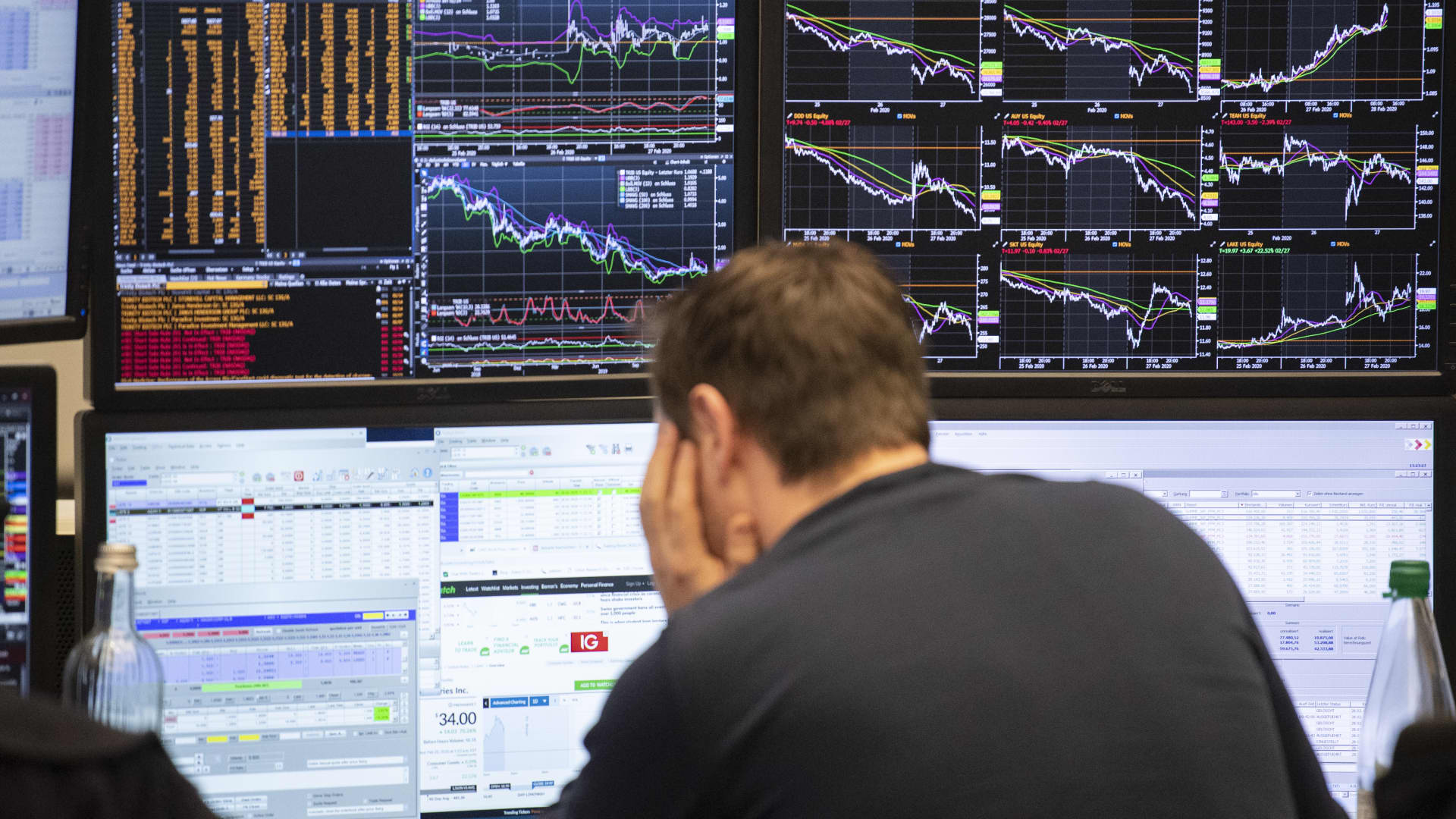
Trump's Global Tariff Set for Implementation This Week

- Market Rebound: Trump's announcement that the U.S. will insure Gulf shipping and escort tankers through the Strait of Hormuz led to a market rebound after significant losses, with the S&P 500 closing down about 1%, well off its session lows of roughly 2.5%, indicating market sensitivity to geopolitical risks.
- Oil Price Impact: The assurances regarding oil trade not only boosted stock prices but also eased crude oil price pressures, highlighting that fluctuations in the oil market could have broader macroeconomic implications that investors need to monitor closely.
- Private Credit Concerns: Blackstone's Jon Gray defended the quality of loans from its main private credit fund, despite allowing investors to withdraw nearly 8% of their investments, which caused Blackstone shares to fall nearly 4%, reflecting growing market concerns about the health of the private credit sector.
- Congressional Hearing Pressure: Commerce Secretary Howard Lutnick voluntarily agreed to testify before the House Oversight Committee regarding his ties to sex offender Jeffrey Epstein, which has drawn bipartisan scrutiny, although he has not been accused of wrongdoing, potentially impacting his political future.
Global Stock Markets Retreat as Oil Prices Surge


- Market Decline: The S&P 500 index fell by 0.94%, reaching a 3.25-month low, reflecting investor concerns over escalating tensions in Iran, which may impact future investment decisions and market stability.
- Surge in Oil Prices: WTI crude oil prices rose over 4% to an 8.5-month high due to threats from Iran to close the Strait of Hormuz, intensifying fears of energy supply disruptions and potential inflationary pressures in the economy.
- Natural Gas Price Spike: European natural gas prices surged more than 22% to a three-year high after Qatar's Ras Laffan plant was targeted by an Iranian drone attack, posing significant risks to global liquefied natural gas supply and market stability.
- Economic Data Expectations: This week, the ADP employment change is expected to increase by 50,000, while the ISM services index is projected to slip slightly, with markets closely monitoring these indicators to assess economic health and potential implications for Federal Reserve monetary policy decisions.
U.S. Markets Fell on Tuesday, with MongoDB Suffering the Largest Loss


- Stock Market Decline: U.S. stock indexes experienced a decline on Tuesday, with the overall market dropping by 1.02%.
- Index Performance: The S&P 500 fell by 0.94%, while the Dow Jones Industrial Average decreased by 0.83%.

Wall Street Plummets Amid Escalating Geopolitical Tensions


- Oil Price Surge: The escalating conflict between the U.S., Israel, and Iran has driven West Texas Intermediate crude oil prices up by 6.4% to $75.8 per barrel, marking the largest two-day rally since March 2022, indicating heightened market concerns over energy supply disruptions.
- Market Panic Intensifies: The CBOE Volatility Index surged by 6% to 22.74, reflecting increased investor fear regarding short-term market volatility, with all 11 S&P 500 sectors trading in the red, showcasing widespread market pressure.
- Fed Policy Expectations Shift: Amid rising inflation fears, the 10-year Treasury yield climbed from 3.97% last Friday to approximately 4.06%, leading traders to reprice expectations for Fed rate cuts, now anticipating fewer chances of cuts in 2026.
- Strong Dollar Impact: The U.S. dollar index is on track for its largest two-day gain since February 2023, resulting in significant declines in gold and silver prices, with spot gold falling 4.6% to around $5,080 per ounce and silver plummeting 7.8% to $82 per ounce, highlighting the dollar's pressure on commodity markets.
Pinterest Secures $1 Billion Investment, Shares Rise 7%
- Investment Injection: Affiliates of Elliott Investment Management announced a $1 billion investment in Pinterest, driving the company's shares up 7% in early trading, reflecting market confidence in the platform's future growth.
- Share Repurchase Plan: Pinterest plans to utilize this investment through a $1 billion accelerated share repurchase (ASR) agreement, which is expected to significantly enhance earnings per share and improve shareholder returns.
- New Repurchase Authorization: This repurchase initiative is part of a new $3.5 billion program authorized by the Board of Directors, indicating strong confidence in future cash flows and a commitment to shareholder value.
- Future Repurchase Outlook: Including the completed $473 million in repurchases, Pinterest anticipates approximately $2 billion in total share repurchases in the first half of 2026, further solidifying its position in the market.
Trump's Global Tariff Implementation and Oil Market Dynamics
- Global Tariff Implementation: Treasury Secretary Scott Bessent announced that Trump's 15% global tariff will be implemented this week, a move that could have far-reaching implications for international trade, particularly in the oil and gas sectors.
- Oil Market Support Measures: Trump stated that the U.S. would insure Gulf shipping and escort tankers if necessary, a policy aimed at stabilizing oil prices and alleviating market concerns over geopolitical risks, which may positively impact investor confidence.
- Private Credit Market Concerns: Blackstone President Jon Gray defended the quality of loans from its main private credit fund, despite allowing nearly 8% of investor withdrawals, indicating growing concerns about the health of the private credit sector that could affect Blackstone's stock performance.
- Social Media Investment Returns: Pinterest shares surged over 9% yesterday after activist firm Elliott Investment Management made a $1 billion investment intended for stock buybacks, a move that could enhance market confidence in the company and increase shareholder value.
Trump's Global Tariff Set for Implementation This Week
- Market Rebound: Trump's announcement that the U.S. will insure Gulf shipping and escort tankers through the Strait of Hormuz led to a market rebound after significant losses, with the S&P 500 closing down about 1%, well off its session lows of roughly 2.5%, indicating market sensitivity to geopolitical risks.
- Oil Price Impact: The assurances regarding oil trade not only boosted stock prices but also eased crude oil price pressures, highlighting that fluctuations in the oil market could have broader macroeconomic implications that investors need to monitor closely.
- Private Credit Concerns: Blackstone's Jon Gray defended the quality of loans from its main private credit fund, despite allowing investors to withdraw nearly 8% of their investments, which caused Blackstone shares to fall nearly 4%, reflecting growing market concerns about the health of the private credit sector.
- Congressional Hearing Pressure: Commerce Secretary Howard Lutnick voluntarily agreed to testify before the House Oversight Committee regarding his ties to sex offender Jeffrey Epstein, which has drawn bipartisan scrutiny, although he has not been accused of wrongdoing, potentially impacting his political future.
Global Stock Markets Retreat as Oil Prices Surge
- Market Decline: The S&P 500 index fell by 0.94%, reaching a 3.25-month low, reflecting investor concerns over escalating tensions in Iran, which may impact future investment decisions and market stability.
- Surge in Oil Prices: WTI crude oil prices rose over 4% to an 8.5-month high due to threats from Iran to close the Strait of Hormuz, intensifying fears of energy supply disruptions and potential inflationary pressures in the economy.
- Natural Gas Price Spike: European natural gas prices surged more than 22% to a three-year high after Qatar's Ras Laffan plant was targeted by an Iranian drone attack, posing significant risks to global liquefied natural gas supply and market stability.
- Economic Data Expectations: This week, the ADP employment change is expected to increase by 50,000, while the ISM services index is projected to slip slightly, with markets closely monitoring these indicators to assess economic health and potential implications for Federal Reserve monetary policy decisions.
U.S. Markets Fell on Tuesday, with MongoDB Suffering the Largest Loss
- Stock Market Decline: U.S. stock indexes experienced a decline on Tuesday, with the overall market dropping by 1.02%.
- Index Performance: The S&P 500 fell by 0.94%, while the Dow Jones Industrial Average decreased by 0.83%.
Wall Street Plummets Amid Escalating Geopolitical Tensions
- Oil Price Surge: The escalating conflict between the U.S., Israel, and Iran has driven West Texas Intermediate crude oil prices up by 6.4% to $75.8 per barrel, marking the largest two-day rally since March 2022, indicating heightened market concerns over energy supply disruptions.
- Market Panic Intensifies: The CBOE Volatility Index surged by 6% to 22.74, reflecting increased investor fear regarding short-term market volatility, with all 11 S&P 500 sectors trading in the red, showcasing widespread market pressure.
- Fed Policy Expectations Shift: Amid rising inflation fears, the 10-year Treasury yield climbed from 3.97% last Friday to approximately 4.06%, leading traders to reprice expectations for Fed rate cuts, now anticipating fewer chances of cuts in 2026.
- Strong Dollar Impact: The U.S. dollar index is on track for its largest two-day gain since February 2023, resulting in significant declines in gold and silver prices, with spot gold falling 4.6% to around $5,080 per ounce and silver plummeting 7.8% to $82 per ounce, highlighting the dollar's pressure on commodity markets.




