

Wall Street Skeptic's Investment Strategies to Tackle a Declining Dollar and Rising Inflation


Concern about AI: A self-employed individual expresses fear that their career may be at risk due to advancements in artificial intelligence.
Financial Stability: Despite these concerns, the individual has built a substantial nest egg and has no debt, providing some financial security for their family of seven.
Trade with 70% Backtested Accuracy
Analyst Views on GOOG

About GOOG
About the author


Investment Strategies Amidst Market Turbulence in the S&P 500


- Market Performance Review: The S&P 500 index has gained 78% over the past three years despite facing challenges, reflecting investor optimism about AI stocks and the positive impact of a lower interest rate environment, which has driven broader market gains.
- AI Investment Concerns: Recently, investors have expressed worries about the rapid spending on AI and the lofty valuations of certain growth stocks, fearing that if revenue falls short of expectations, it could lead to significant price drops, contributing to market volatility.
- Geopolitical Impact: The escalation of conflict between the U.S. and Iran has further heightened market anxiety, causing the S&P 500 to swing between gains and losses, resulting in little change year-to-date, indicating the fragility of market sentiment.
- Long-Term Investment Advice: In uncertain market conditions, investors are advised to focus on quality companies, pay reasonable prices, and hold for the long term; historical data shows that the probability of loss drops to about 12% when holding investments for over five years, and to less than 5% for over 11 years, underscoring the importance of long-term investing.
Comparison of AI Strategies by Home Depot and Lowe's

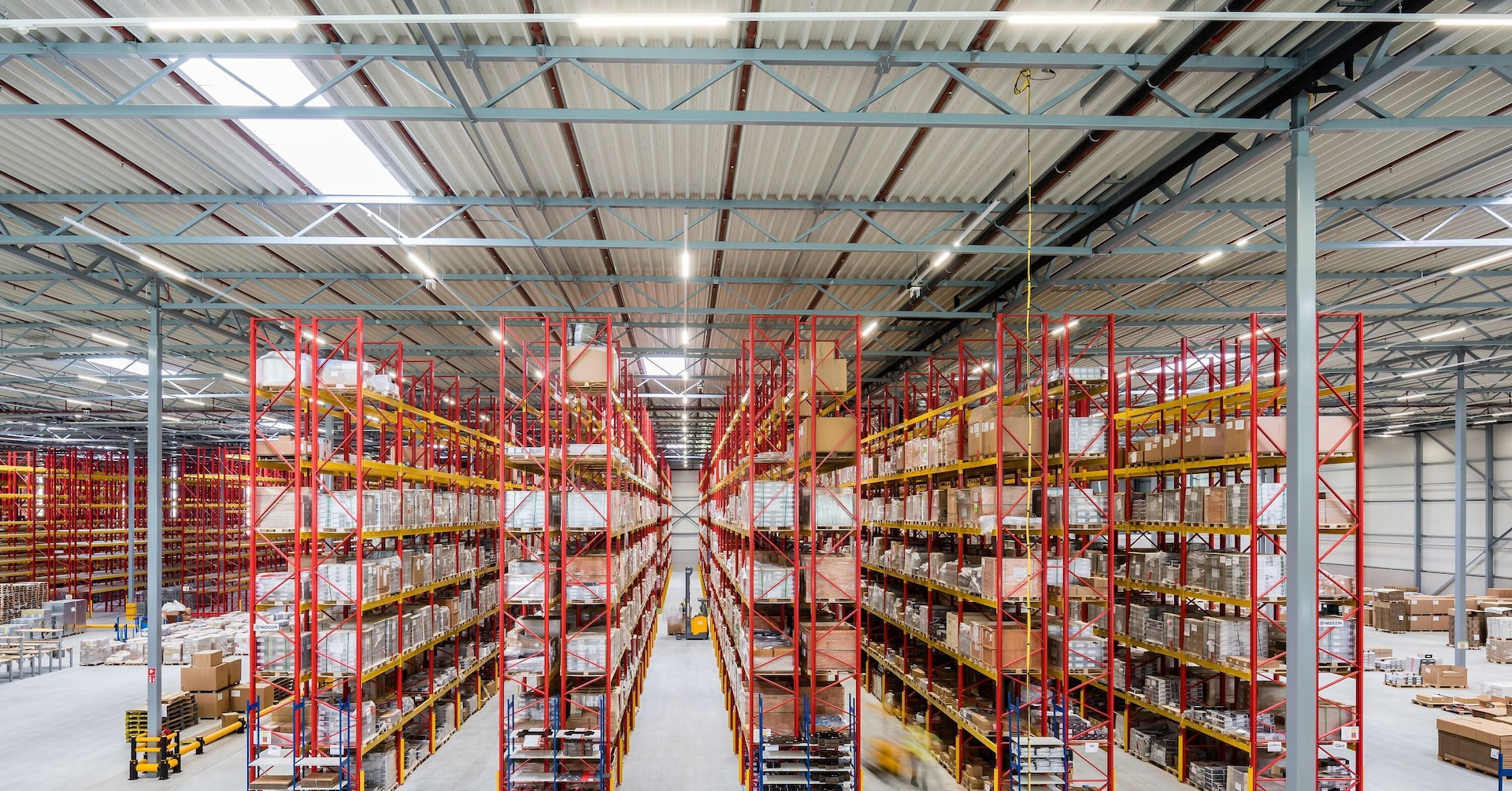
- AI Application Focus: Home Depot's partnership with Google to develop the Magic Apron assistant aims to provide contractors with project advice and product information, enhancing customer service efficiency and strengthening its competitive position in the contractor market.
- DIY Market Strategy: Lowe's collaboration with OpenAI to launch the Mylow digital assistant focuses on helping DIY customers and employees improve sales efficiency, aiming to enhance customer experience and increase market share through an AI-powered virtual advisor.
- Financial Performance Comparison: Although both companies reported a 3% increase in net sales for 2025, their profitability slightly declined due to rising operating costs, indicating a focus on employee productivity.
- Valuation Differences: Home Depot's price-to-earnings ratio stands at about 26 times, higher than Lowe's 22 times, and its dividend yield of 2.4% compared to Lowe's 1.8% may make it more attractive to investors, potentially justifying its higher valuation.
Nvidia's Data Center Drives Growth with AI Innovations

- Data Center Dominance: Nvidia's fiscal 2026 revenue reached $215.9 billion, with data centers contributing 89.7%, highlighting its strong demand in the AI sector and market leadership, which will continue to drive growth.
- New Product Architecture: The newly launched Rubin architecture features six new chips designed to capitalize on the 'agentic AI inflection point', enhancing computational capabilities and providing robust support for enterprise-level AI applications, likely expanding market share.
- Physical AI Potential: Although physical AI contributed over $6 billion to Nvidia's 2026 revenue, accounting for less than 3% of total revenue, the anticipated proliferation of autonomous driving and robotics is expected to create hundreds of billions in market opportunities, driving diversified growth.
- Long-Term Growth Outlook: Nvidia's investment strategy does not rely on the rapid rise of physical AI, as its existing generative AI business is already a high-margin cash cow, and widespread adoption of agentic AI will further enhance the company's overall growth potential.
Nvidia Reports Record Revenue for Fiscal 2026
- Impressive Financials: Nvidia achieved a record $215.9 billion in revenue and $120.1 billion in net income for fiscal 2026, demonstrating strong performance in the data center segment, which is expected to continue driving stock growth over the next decade.
- Data Center Dominance: Data centers accounted for 89.7% of Nvidia's fiscal 2026 revenue, and while other segments like gaming and AI personal computing contribute less, there remains significant growth potential in these areas.
- New Product Architecture: The newly launched Rubin architecture features six new chips designed to support generative and agentic AI applications, which are expected to drive enterprise adoption of AI agents and expand market opportunities.
- Physical AI Market Potential: Nvidia's physical AI has already contributed over $6 billion in revenue for fiscal 2026, and although it currently serves niche markets, the expected proliferation of robotaxis and robotics could generate hundreds of billions in revenue over the next decade.

Broadcom May Gain from AI, While Nvidia's Stock Decline After Earnings Could Signal Trouble.

Earnings Outlook: Broadcom's earnings are expected to be strong due to increased demand for artificial intelligence technologies.
Market Sentiment: Despite the positive earnings outlook, shareholders should brace for a potentially muted reaction in the stock market as overall sentiment remains uncertain.

AI Models Prefer Bitcoin Over Fiat Currencies, Study Finds

- AI Preference for Bitcoin: A report from the Bitcoin Policy Institute reveals that 22 out of 36 tested AI models favored Bitcoin as their top monetary choice, indicating Bitcoin's potential dominance in future economic activities.
- Innovative Experiment Design: Researchers treated 36 frontier models as independent economic agents, allowing them to freely choose monetary instruments across 28 scenarios, generating 9,072 responses that ensured objectivity and diversity in results.
- Developer Preference Variations: Significant differences in Bitcoin preference were observed among AI developers, with Anthropic models showing a preference rate of 68.0%, while OpenAI models only preferred Bitcoin 25.9% of the time, highlighting the influence of technical backgrounds on monetary choices.
- Cautious Market Predictions: Despite the consistent trends shown in the study, Zell cautions investors against interpreting these findings as market predictions, emphasizing that AI model preferences reflect training data patterns rather than real-world forecasts.
Investment Strategies Amidst Market Turbulence in the S&P 500
- Market Performance Review: The S&P 500 index has gained 78% over the past three years despite facing challenges, reflecting investor optimism about AI stocks and the positive impact of a lower interest rate environment, which has driven broader market gains.
- AI Investment Concerns: Recently, investors have expressed worries about the rapid spending on AI and the lofty valuations of certain growth stocks, fearing that if revenue falls short of expectations, it could lead to significant price drops, contributing to market volatility.
- Geopolitical Impact: The escalation of conflict between the U.S. and Iran has further heightened market anxiety, causing the S&P 500 to swing between gains and losses, resulting in little change year-to-date, indicating the fragility of market sentiment.
- Long-Term Investment Advice: In uncertain market conditions, investors are advised to focus on quality companies, pay reasonable prices, and hold for the long term; historical data shows that the probability of loss drops to about 12% when holding investments for over five years, and to less than 5% for over 11 years, underscoring the importance of long-term investing.
Comparison of AI Strategies by Home Depot and Lowe's
- AI Application Focus: Home Depot's partnership with Google to develop the Magic Apron assistant aims to provide contractors with project advice and product information, enhancing customer service efficiency and strengthening its competitive position in the contractor market.
- DIY Market Strategy: Lowe's collaboration with OpenAI to launch the Mylow digital assistant focuses on helping DIY customers and employees improve sales efficiency, aiming to enhance customer experience and increase market share through an AI-powered virtual advisor.
- Financial Performance Comparison: Although both companies reported a 3% increase in net sales for 2025, their profitability slightly declined due to rising operating costs, indicating a focus on employee productivity.
- Valuation Differences: Home Depot's price-to-earnings ratio stands at about 26 times, higher than Lowe's 22 times, and its dividend yield of 2.4% compared to Lowe's 1.8% may make it more attractive to investors, potentially justifying its higher valuation.
Nvidia's Data Center Drives Growth with AI Innovations
- Data Center Dominance: Nvidia's fiscal 2026 revenue reached $215.9 billion, with data centers contributing 89.7%, highlighting its strong demand in the AI sector and market leadership, which will continue to drive growth.
- New Product Architecture: The newly launched Rubin architecture features six new chips designed to capitalize on the 'agentic AI inflection point', enhancing computational capabilities and providing robust support for enterprise-level AI applications, likely expanding market share.
- Physical AI Potential: Although physical AI contributed over $6 billion to Nvidia's 2026 revenue, accounting for less than 3% of total revenue, the anticipated proliferation of autonomous driving and robotics is expected to create hundreds of billions in market opportunities, driving diversified growth.
- Long-Term Growth Outlook: Nvidia's investment strategy does not rely on the rapid rise of physical AI, as its existing generative AI business is already a high-margin cash cow, and widespread adoption of agentic AI will further enhance the company's overall growth potential.
Nvidia Reports Record Revenue for Fiscal 2026
- Impressive Financials: Nvidia achieved a record $215.9 billion in revenue and $120.1 billion in net income for fiscal 2026, demonstrating strong performance in the data center segment, which is expected to continue driving stock growth over the next decade.
- Data Center Dominance: Data centers accounted for 89.7% of Nvidia's fiscal 2026 revenue, and while other segments like gaming and AI personal computing contribute less, there remains significant growth potential in these areas.
- New Product Architecture: The newly launched Rubin architecture features six new chips designed to support generative and agentic AI applications, which are expected to drive enterprise adoption of AI agents and expand market opportunities.
- Physical AI Market Potential: Nvidia's physical AI has already contributed over $6 billion in revenue for fiscal 2026, and although it currently serves niche markets, the expected proliferation of robotaxis and robotics could generate hundreds of billions in revenue over the next decade.
Broadcom May Gain from AI, While Nvidia's Stock Decline After Earnings Could Signal Trouble.
Earnings Outlook: Broadcom's earnings are expected to be strong due to increased demand for artificial intelligence technologies.
Market Sentiment: Despite the positive earnings outlook, shareholders should brace for a potentially muted reaction in the stock market as overall sentiment remains uncertain.
AI Models Prefer Bitcoin Over Fiat Currencies, Study Finds
- AI Preference for Bitcoin: A report from the Bitcoin Policy Institute reveals that 22 out of 36 tested AI models favored Bitcoin as their top monetary choice, indicating Bitcoin's potential dominance in future economic activities.
- Innovative Experiment Design: Researchers treated 36 frontier models as independent economic agents, allowing them to freely choose monetary instruments across 28 scenarios, generating 9,072 responses that ensured objectivity and diversity in results.
- Developer Preference Variations: Significant differences in Bitcoin preference were observed among AI developers, with Anthropic models showing a preference rate of 68.0%, while OpenAI models only preferred Bitcoin 25.9% of the time, highlighting the influence of technical backgrounds on monetary choices.
- Cautious Market Predictions: Despite the consistent trends shown in the study, Zell cautions investors against interpreting these findings as market predictions, emphasizing that AI model preferences reflect training data patterns rather than real-world forecasts.




