Valero Posts Higher-Than-Expected Profit Despite Sharp Refining Margin Decline


Valero Energy Corporation's Financial Performance: Valero reported first-quarter sales of $30.26 billion, exceeding analyst expectations, but saw a decline in adjusted operating income across its refining and ethanol segments compared to the previous year. The Renewable Diesel segment experienced an operating loss of $141 million.
Stockholder Returns and Market Reaction: Despite the mixed financial results, Valero returned $633 million to stockholders through dividends and share repurchases, and announced an increase in its quarterly cash dividend. However, shares traded lower by 0.4% premarket following the report.
Trade with 70% Backtested Accuracy
Analyst Views on VLO

About VLO
About the author


Valero Energy Schedules Q1 2026 Earnings Call

- Earnings Call Announcement: Valero Energy Corporation has announced a conference call scheduled for April 30, 2026, at 10:00 a.m. ET to discuss its Q1 2026 financial and operational results, reflecting the company's commitment to transparency and investor communication.
- Earnings Release Timing: The earnings report will be issued prior to the call, ensuring that investors have access to the latest financial data during the conference, thereby enhancing market understanding and confidence in the company's performance.
- Company Overview: Valero Energy is a multinational manufacturer and marketer of petroleum-based and low-carbon liquid transportation fuels and petrochemical products, primarily selling in the U.S., Canada, U.K., Ireland, and Latin America, showcasing its extensive market reach and business diversity.
- Production Capacity: Valero operates 15 refineries with a combined throughput capacity of approximately 3.2 million barrels per day, and its joint venture in Diamond Green Diesel Holdings LLC produces about 1.2 billion gallons of low-carbon fuels annually, indicating a strong position in the renewable energy sector.
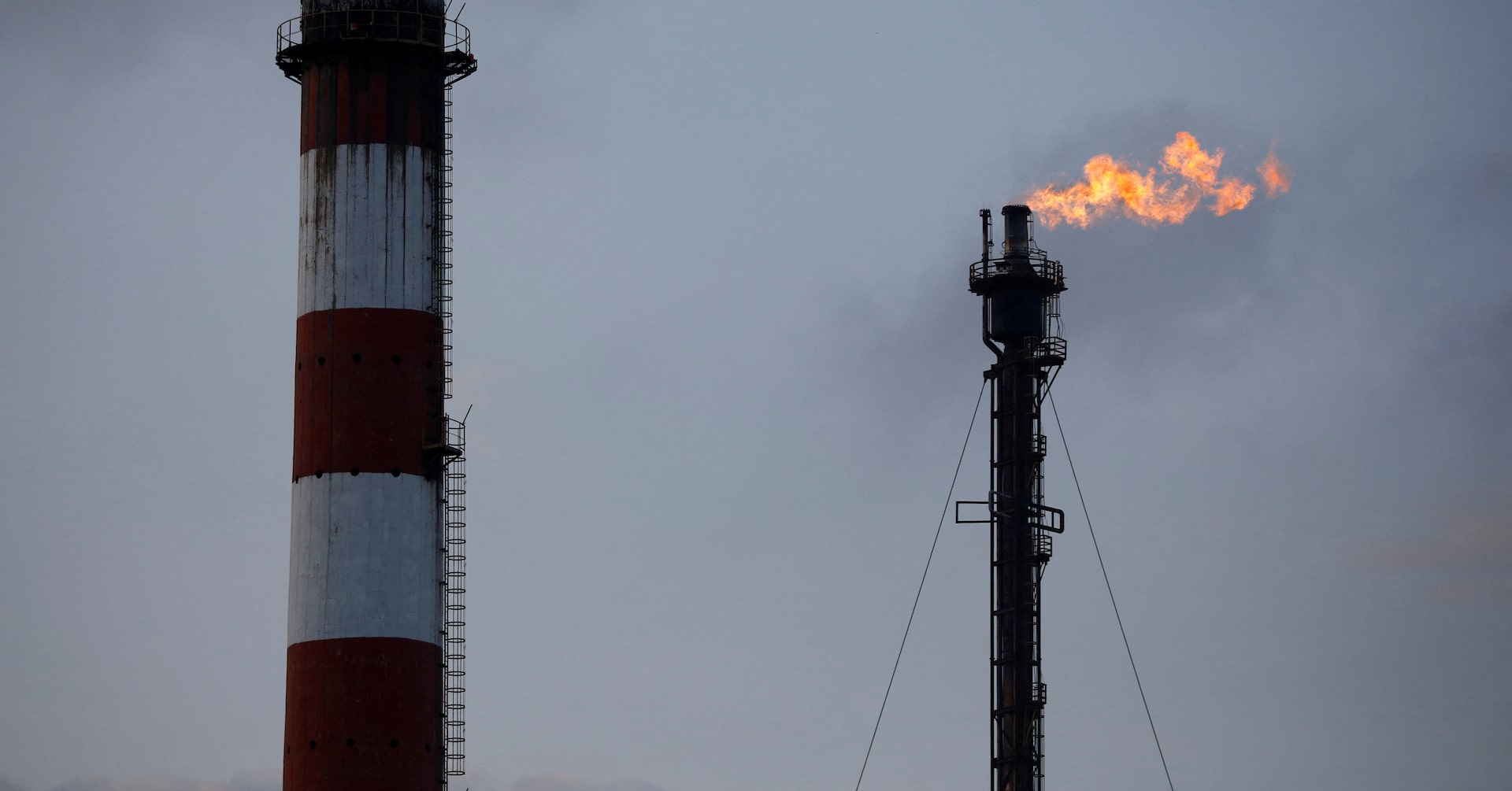
Energy Sector Thrives Amid Geopolitical Tensions

- Surge in Oil Prices: The escalation of the U.S. and Israel's conflict with Iran has led to a nearly 30% increase in crude oil prices, making the energy sector the top-performing area this year and significantly boosting investor confidence in the sector.
- Strong Performance of Major Oil Companies: Due to geopolitical risks, stocks of large integrated oil companies like Chevron and Exxon Mobil have reached 52-week highs, demonstrating their robust competitiveness in the global oil and gas supply chain.
- Optimistic Outlook for TechnipFMC: As a leading manufacturer in the energy sector, TechnipFMC benefits from increased capital spending driven by rising oil prices, with its stock trading near a 52-week high and projected EPS growth of 14% this year, reaching $3.34 by 2027.
- Investor Shift to Energy: Amid heightened market volatility, investors are flocking to the energy sector for defensive investments, highlighting the relative safety and strong fundamentals of the industry in the current economic environment.

Venezuela's Return to Global Oil Market

- Supply Impact Analysis: Venezuela's oil exports are around 0.8-0.9 million barrels per day, which, while modest in a global market exceeding 105 million barrels daily, may cap future price increases, thereby influencing market psychological expectations.
- Historical Lessons: The 2014 global supply glut that drove oil prices from above $100 to below $40 serves as a cautionary tale; although Venezuela's current supply is relatively small, concerns about a price collapse reflect market sensitivity to past events.
- Refiner Benefits: The influx of more heavy-sour crude into the market will benefit refiners, particularly complex Gulf Coast facilities capable of processing heavier grades, as this will widen the price differential between heavy and light crudes, enhancing refining margins.
- Market Volatility Changes: Should OPEC+ offset the new supply, overall price volatility may decrease; conversely, if they do not, the added barrels could smooth market fluctuations, indicating that the ceiling for future price increases may lower, impacting upstream companies' profitability.

Oil Price Fluctuations Have Far-Reaching Economic Impacts
- Profit Pressure from Oil Prices: Recent oil price increases of over 10% in just two days are expected to exert direct pressure on profit margins, as companies struggle to pass costs onto consumers, potentially leading to declines in stock prices.
- Inflationary Risks Intensified: Rising oil prices are likely to drive overall inflation, particularly impacting costs in sectors like trucking and plastics, which may reduce consumer purchasing power and subsequently affect sales and corporate profits.
- Federal Reserve Policy Considerations: The increase in oil prices complicates the Federal Reserve's decision-making environment regarding interest rates, as inflationary pressures mount, even though the core PCE index excludes volatile food and energy costs, the indirect effects remain significant.
- Market Dynamics in Flux: The fluctuations in oil prices are closely tied to stock market performance, with WTI crude reaching $77.98 on Tuesday before retreating to around $74, indicating the market's sensitivity to oil price movements, necessitating a calm and discerning approach from investors amid uncertainty.

Strategies for Navigating a Volatile Market Amid Rising Oil Prices and Falling Stocks

Market Concerns: The markets are experiencing a downturn due to escalating fears of a prolonged conflict in Iran.
Oil Price Impact: Investors are worried that rising oil prices could negatively affect the global economy and reignite inflation fears.
AI Trade Vulnerability: The situation poses particular challenges for the previously thriving artificial intelligence sector.
Investment Climate: Overall, it is becoming increasingly difficult for investors to find safe investment opportunities amid these uncertainties.

Exxon Declines Amid Iran Conflict, While These Energy Stocks Thrive.

Oil Market Drama: Despite the ongoing conflict in Iran, U.S. oil major stocks, including Exxon Mobil, have shown little movement.
Exxon Stock Performance: Exxon Mobil's stock has actually decreased since the previous Friday's closing price.
Valero Energy Schedules Q1 2026 Earnings Call
- Earnings Call Announcement: Valero Energy Corporation has announced a conference call scheduled for April 30, 2026, at 10:00 a.m. ET to discuss its Q1 2026 financial and operational results, reflecting the company's commitment to transparency and investor communication.
- Earnings Release Timing: The earnings report will be issued prior to the call, ensuring that investors have access to the latest financial data during the conference, thereby enhancing market understanding and confidence in the company's performance.
- Company Overview: Valero Energy is a multinational manufacturer and marketer of petroleum-based and low-carbon liquid transportation fuels and petrochemical products, primarily selling in the U.S., Canada, U.K., Ireland, and Latin America, showcasing its extensive market reach and business diversity.
- Production Capacity: Valero operates 15 refineries with a combined throughput capacity of approximately 3.2 million barrels per day, and its joint venture in Diamond Green Diesel Holdings LLC produces about 1.2 billion gallons of low-carbon fuels annually, indicating a strong position in the renewable energy sector.
Energy Sector Thrives Amid Geopolitical Tensions
- Surge in Oil Prices: The escalation of the U.S. and Israel's conflict with Iran has led to a nearly 30% increase in crude oil prices, making the energy sector the top-performing area this year and significantly boosting investor confidence in the sector.
- Strong Performance of Major Oil Companies: Due to geopolitical risks, stocks of large integrated oil companies like Chevron and Exxon Mobil have reached 52-week highs, demonstrating their robust competitiveness in the global oil and gas supply chain.
- Optimistic Outlook for TechnipFMC: As a leading manufacturer in the energy sector, TechnipFMC benefits from increased capital spending driven by rising oil prices, with its stock trading near a 52-week high and projected EPS growth of 14% this year, reaching $3.34 by 2027.
- Investor Shift to Energy: Amid heightened market volatility, investors are flocking to the energy sector for defensive investments, highlighting the relative safety and strong fundamentals of the industry in the current economic environment.
Venezuela's Return to Global Oil Market
- Supply Impact Analysis: Venezuela's oil exports are around 0.8-0.9 million barrels per day, which, while modest in a global market exceeding 105 million barrels daily, may cap future price increases, thereby influencing market psychological expectations.
- Historical Lessons: The 2014 global supply glut that drove oil prices from above $100 to below $40 serves as a cautionary tale; although Venezuela's current supply is relatively small, concerns about a price collapse reflect market sensitivity to past events.
- Refiner Benefits: The influx of more heavy-sour crude into the market will benefit refiners, particularly complex Gulf Coast facilities capable of processing heavier grades, as this will widen the price differential between heavy and light crudes, enhancing refining margins.
- Market Volatility Changes: Should OPEC+ offset the new supply, overall price volatility may decrease; conversely, if they do not, the added barrels could smooth market fluctuations, indicating that the ceiling for future price increases may lower, impacting upstream companies' profitability.
Oil Price Fluctuations Have Far-Reaching Economic Impacts
- Profit Pressure from Oil Prices: Recent oil price increases of over 10% in just two days are expected to exert direct pressure on profit margins, as companies struggle to pass costs onto consumers, potentially leading to declines in stock prices.
- Inflationary Risks Intensified: Rising oil prices are likely to drive overall inflation, particularly impacting costs in sectors like trucking and plastics, which may reduce consumer purchasing power and subsequently affect sales and corporate profits.
- Federal Reserve Policy Considerations: The increase in oil prices complicates the Federal Reserve's decision-making environment regarding interest rates, as inflationary pressures mount, even though the core PCE index excludes volatile food and energy costs, the indirect effects remain significant.
- Market Dynamics in Flux: The fluctuations in oil prices are closely tied to stock market performance, with WTI crude reaching $77.98 on Tuesday before retreating to around $74, indicating the market's sensitivity to oil price movements, necessitating a calm and discerning approach from investors amid uncertainty.
Strategies for Navigating a Volatile Market Amid Rising Oil Prices and Falling Stocks
Market Concerns: The markets are experiencing a downturn due to escalating fears of a prolonged conflict in Iran.
Oil Price Impact: Investors are worried that rising oil prices could negatively affect the global economy and reignite inflation fears.
AI Trade Vulnerability: The situation poses particular challenges for the previously thriving artificial intelligence sector.
Investment Climate: Overall, it is becoming increasingly difficult for investors to find safe investment opportunities amid these uncertainties.
Exxon Declines Amid Iran Conflict, While These Energy Stocks Thrive.
Oil Market Drama: Despite the ongoing conflict in Iran, U.S. oil major stocks, including Exxon Mobil, have shown little movement.
Exxon Stock Performance: Exxon Mobil's stock has actually decreased since the previous Friday's closing price.