

U.S. Supreme Court to Rule on Trump's Tariff Regime
Written by Emily J. Thompson, Senior Investment Analyst
Updated: Feb 13 2026
0mins


Should l Buy COST?
Source: Benzinga
- Potential Refunds: The U.S. Supreme Court is set to rule on February 20 regarding Trump's tariff regime, with a ruling in favor potentially triggering refunds exceeding $130 billion, significantly reshaping American trade policy.
- Increased Household Tax Burden: U.S. households are projected to face an average tax increase of $1,000 in 2025, rising to $1,300 in 2026, highlighting the direct economic impact of tariffs on ordinary citizens.
- Tariff Revenue Figures: According to CBP data, the U.S. collected over $200 billion in tariffs between January 20 and December 15, 2025, with total customs revenue for 2025 estimated at $264 billion, yielding a net gain of approximately $132 billion after accounting for economic drag.
- Market Reaction: Following Trump's April 2025
Trade with 70% Backtested Accuracy
Stop guessing "Should I Buy COST?" and start using high-conviction signals backed by rigorous historical data.
Sign up today to access powerful investing tools and make smarter, data-driven decisions.
Analyst Views on COST
Wall Street analysts forecast COST stock price to rise
24 Analyst Rating
19 Buy
4 Hold
1 Sell
Strong Buy
Current: 1002.770

Low
769.00
Averages
1061
High
1205
Current: 1002.770
Low
769.00
Averages
1061
High
1205
About COST
Costco Wholesale Corporation (Costco) operates membership warehouses and e-commerce sites that offer a selection of nationally branded and private-label products in a wide range of categories. The Company buys the majority of its merchandise directly from suppliers and route it to cross-docking consolidation points (depots) or directly to its warehouses. It operates 891 warehouses, including 614 in the United States and Puerto Rico, 108 in Canada, 40 in Mexico, 35 in Japan, 29 in the United Kingdom, 19 in Korea, 15 in Australia, 14 in Taiwan, seven in China, five in Spain, two in France, and one each in Iceland, New Zealand and Sweden. It also operates e-commerce sites in the United States, Canada, the United Kingdom, Mexico, Korea, Taiwan, Japan and Australia. The Company provides wide selection of merchandise, plus the convenience of specialty departments and exclusive member services.
About the author

Emily J. Thompson
Emily J. Thompson, a Chartered Financial Analyst (CFA) with 12 years in investment research, graduated with honors from the Wharton School. Specializing in industrial and technology stocks, she provides in-depth analysis for Intellectia’s earnings and market brief reports.
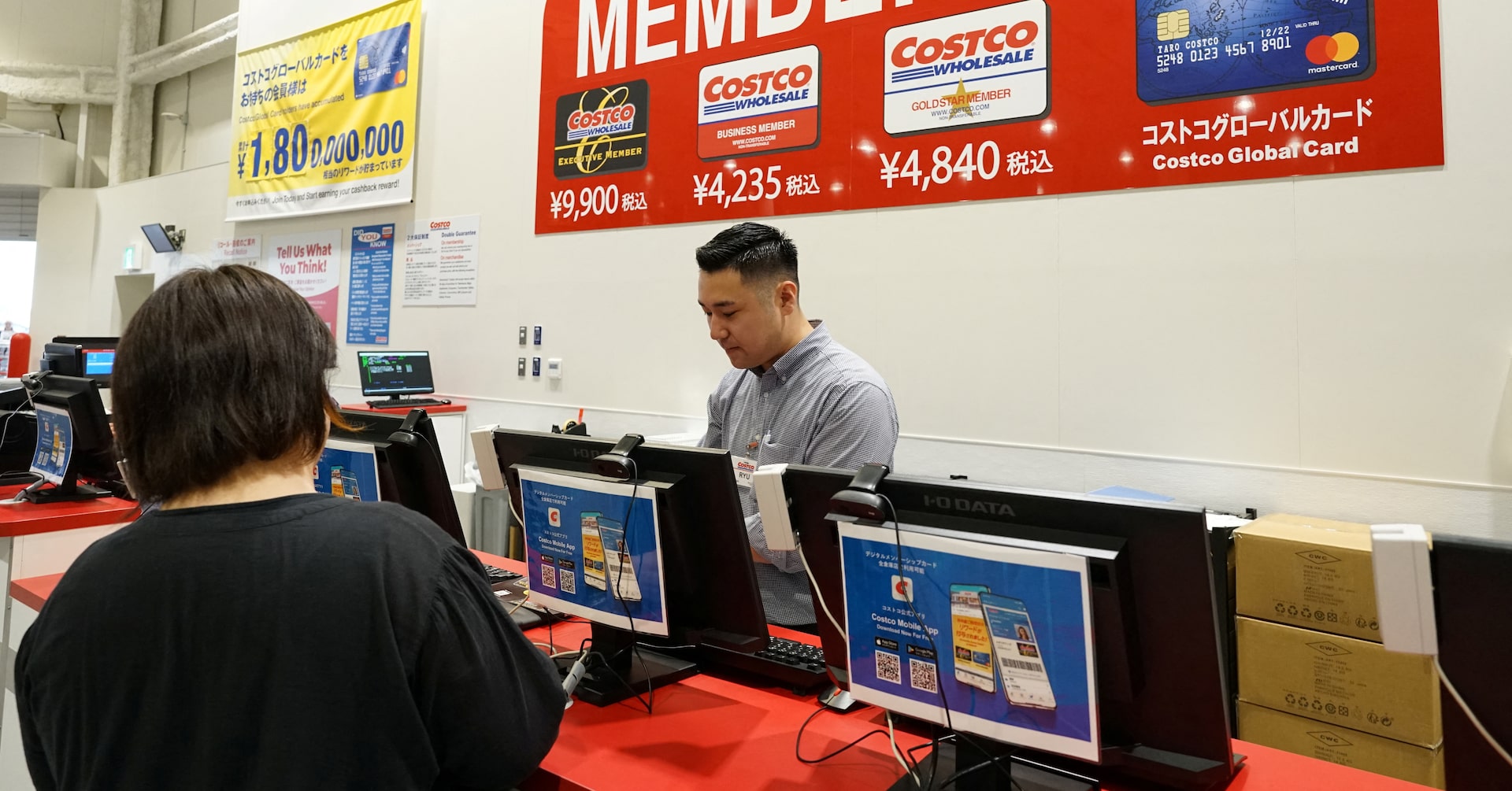
Costco's Impressive Returns Highlighting Boring Business Potential
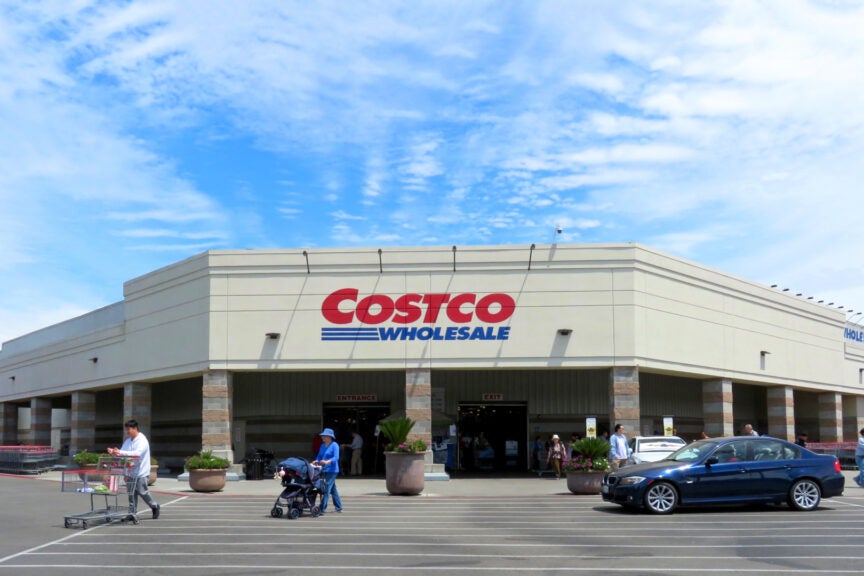
- Steady Financial Performance: Over the past five years, Costco's revenue has grown at a compound annual rate of 9.3%, with no down years, demonstrating resilience during economic turmoil and strong consumer preference.
- Strong Market Competitiveness: In Q1 2026, Costco reported net sales of $66 billion, leveraging massive scale and fewer stock-keeping units to enhance bargaining power with suppliers, resulting in everyday low prices for consumers.
- High Investor Attention: With a market cap of $445 billion, Costco's business durability is widely recognized, although its price-to-earnings ratio of 53.6 raises questions about its valuation, being 15% higher than Nvidia's.
- Purchase Strategy Recommendations: Given the current high valuation, investors are advised to wait for a significant pullback before considering purchases, or to adopt a dollar-cost averaging strategy to mitigate investment risks across different price points.
See More
Investment Strategies Amidst Market Turbulence in the S&P 500

- Market Performance Review: The S&P 500 index has gained 78% over the past three years despite facing challenges, reflecting investor optimism about AI stocks and the positive impact of a lower interest rate environment, which has driven broader market gains.
- AI Investment Concerns: Recently, investors have expressed worries about the rapid spending on AI and the lofty valuations of certain growth stocks, fearing that if revenue falls short of expectations, it could lead to significant price drops, contributing to market volatility.
- Geopolitical Impact: The escalation of conflict between the U.S. and Iran has further heightened market anxiety, causing the S&P 500 to swing between gains and losses, resulting in little change year-to-date, indicating the fragility of market sentiment.
- Long-Term Investment Advice: In uncertain market conditions, investors are advised to focus on quality companies, pay reasonable prices, and hold for the long term; historical data shows that the probability of loss drops to about 12% when holding investments for over five years, and to less than 5% for over 11 years, underscoring the importance of long-term investing.
See More

Target's Investor Day Highlights Optimistic Future Plans

- Earnings Release and Investor Day: Target is holding its annual investor day in Minneapolis while releasing its fourth-quarter earnings, which beat expectations; however, the company faces the challenge of a fourth consecutive quarter of declining customer transactions, indicating difficulties in attracting consumers.
- Poor Sales Performance: Target's comparable sales fell by 2.5%, starkly contrasting with Walmart's 4.6% gain, reflecting its disadvantage in a competitive market, particularly in an environment where consumers are price-sensitive.
- Overly Optimistic Outlook: Despite the company's guidance for future sales growth appearing overly optimistic, analysts remain cautious given the current market uncertainties, especially the impacts of the war in Iran.
- Leadership Changes Impact: The appointment of new CEO Michael Fiddelke and a largely new leadership team brings some hope, but the company still needs time to rebuild its brand and market positioning to regain investor trust.
See More

Market Watch: Oil Price Surge and Corporate Developments


- Oil Price Surge: Global benchmark Brent crude prices have surged 8% to over $84 per barrel, reaching a new 52-week high, driven by fears of prolonged supply disruptions that could hinder global economic recovery.
- Apple Price Target Raised: Barclays raised its price target on Apple from $239 to $248, adjusting estimates based on expectations for the upcoming foldable and Pro models, although the market's muted response suggests a need to monitor its performance among megacaps.
- MongoDB Shares Plummet: MongoDB shares fell 27% after its flagship database product Atlas reported a slower-than-expected growth rate of 29% in Q4, coupled with disappointing revenue guidance for fiscal 2027, indicating increased competitive pressures.
- Target Shares Rise: Target's stock rose over 4% in premarket trading after the retailer reported better-than-expected earnings for the holiday quarter, with new CEO indicating positive year-over-year sales in February, marking a significant milestone in the company's growth trajectory.
See More
U.S. Midterm Elections Outlook and Market Dynamics


- Escalating Conflict in Iran: The U.S. Central Command reported that six American service members have been killed in action, an increase from four the previous day, indicating the severity of the situation which could have profound implications for global markets.
- Surging Oil Prices: The closure of the Strait of Hormuz by Iran has led to a sharp increase in global oil prices, with a $10 per barrel rise potentially translating to a 25-cent hike at the pump, exacerbating inflationary pressures.
- Target's Earnings Report: Target's fourth-quarter earnings exceeded Wall Street expectations, with shares rising 4% in pre-market trading; however, the retailer reported declining revenue and store traffic, indicating a trend of weakening consumer demand.
- Apple's New Product Launch: Apple introduced the iPhone 17e, priced starting at $599, and updated the iPad Air with the M4 chip while maintaining the same design and price, demonstrating its commitment to innovation in a highly competitive market.
See More
Court Denies Trump Administration's Request to Delay Tariff Refunds
- Tariff Refund Progress: A federal court denied the Trump administration's request to delay the refund of billions in tariffs, stating that there is no reason to postpone the issuance of the mandate, which will expedite the refund process for small businesses and alleviate their financial burdens.
- Small Business Benefits: The U.S. Court of International Trade is now authorized to begin formulating relief for small businesses that successfully contested Trump's global tariffs, with lawyers indicating they will proceed immediately to handle the refunds, potentially improving cash flow for these businesses.
- Supreme Court Decision Impact: Last month, the Supreme Court invalidated $133 billion in tariffs, and while it did not rule on the matter of refunds, this decision provides legal support for small businesses seeking refunds, likely encouraging more businesses to engage in litigation.
- Trump Administration's Response: Trump questioned whether the case could be reheard; however, the DOJ did not signal any intention to request a Supreme Court review, indicating a potentially passive stance from the administration on this issue.
See More
Costco's Impressive Returns Highlighting Boring Business Potential
- Steady Financial Performance: Over the past five years, Costco's revenue has grown at a compound annual rate of 9.3%, with no down years, demonstrating resilience during economic turmoil and strong consumer preference.
- Strong Market Competitiveness: In Q1 2026, Costco reported net sales of $66 billion, leveraging massive scale and fewer stock-keeping units to enhance bargaining power with suppliers, resulting in everyday low prices for consumers.
- High Investor Attention: With a market cap of $445 billion, Costco's business durability is widely recognized, although its price-to-earnings ratio of 53.6 raises questions about its valuation, being 15% higher than Nvidia's.
- Purchase Strategy Recommendations: Given the current high valuation, investors are advised to wait for a significant pullback before considering purchases, or to adopt a dollar-cost averaging strategy to mitigate investment risks across different price points.
See More
Investment Strategies Amidst Market Turbulence in the S&P 500
- Market Performance Review: The S&P 500 index has gained 78% over the past three years despite facing challenges, reflecting investor optimism about AI stocks and the positive impact of a lower interest rate environment, which has driven broader market gains.
- AI Investment Concerns: Recently, investors have expressed worries about the rapid spending on AI and the lofty valuations of certain growth stocks, fearing that if revenue falls short of expectations, it could lead to significant price drops, contributing to market volatility.
- Geopolitical Impact: The escalation of conflict between the U.S. and Iran has further heightened market anxiety, causing the S&P 500 to swing between gains and losses, resulting in little change year-to-date, indicating the fragility of market sentiment.
- Long-Term Investment Advice: In uncertain market conditions, investors are advised to focus on quality companies, pay reasonable prices, and hold for the long term; historical data shows that the probability of loss drops to about 12% when holding investments for over five years, and to less than 5% for over 11 years, underscoring the importance of long-term investing.
See More
Target's Investor Day Highlights Optimistic Future Plans
- Earnings Release and Investor Day: Target is holding its annual investor day in Minneapolis while releasing its fourth-quarter earnings, which beat expectations; however, the company faces the challenge of a fourth consecutive quarter of declining customer transactions, indicating difficulties in attracting consumers.
- Poor Sales Performance: Target's comparable sales fell by 2.5%, starkly contrasting with Walmart's 4.6% gain, reflecting its disadvantage in a competitive market, particularly in an environment where consumers are price-sensitive.
- Overly Optimistic Outlook: Despite the company's guidance for future sales growth appearing overly optimistic, analysts remain cautious given the current market uncertainties, especially the impacts of the war in Iran.
- Leadership Changes Impact: The appointment of new CEO Michael Fiddelke and a largely new leadership team brings some hope, but the company still needs time to rebuild its brand and market positioning to regain investor trust.
See More
Market Watch: Oil Price Surge and Corporate Developments
- Oil Price Surge: Global benchmark Brent crude prices have surged 8% to over $84 per barrel, reaching a new 52-week high, driven by fears of prolonged supply disruptions that could hinder global economic recovery.
- Apple Price Target Raised: Barclays raised its price target on Apple from $239 to $248, adjusting estimates based on expectations for the upcoming foldable and Pro models, although the market's muted response suggests a need to monitor its performance among megacaps.
- MongoDB Shares Plummet: MongoDB shares fell 27% after its flagship database product Atlas reported a slower-than-expected growth rate of 29% in Q4, coupled with disappointing revenue guidance for fiscal 2027, indicating increased competitive pressures.
- Target Shares Rise: Target's stock rose over 4% in premarket trading after the retailer reported better-than-expected earnings for the holiday quarter, with new CEO indicating positive year-over-year sales in February, marking a significant milestone in the company's growth trajectory.
See More
U.S. Midterm Elections Outlook and Market Dynamics
- Escalating Conflict in Iran: The U.S. Central Command reported that six American service members have been killed in action, an increase from four the previous day, indicating the severity of the situation which could have profound implications for global markets.
- Surging Oil Prices: The closure of the Strait of Hormuz by Iran has led to a sharp increase in global oil prices, with a $10 per barrel rise potentially translating to a 25-cent hike at the pump, exacerbating inflationary pressures.
- Target's Earnings Report: Target's fourth-quarter earnings exceeded Wall Street expectations, with shares rising 4% in pre-market trading; however, the retailer reported declining revenue and store traffic, indicating a trend of weakening consumer demand.
- Apple's New Product Launch: Apple introduced the iPhone 17e, priced starting at $599, and updated the iPad Air with the M4 chip while maintaining the same design and price, demonstrating its commitment to innovation in a highly competitive market.
See More
Court Denies Trump Administration's Request to Delay Tariff Refunds
- Tariff Refund Progress: A federal court denied the Trump administration's request to delay the refund of billions in tariffs, stating that there is no reason to postpone the issuance of the mandate, which will expedite the refund process for small businesses and alleviate their financial burdens.
- Small Business Benefits: The U.S. Court of International Trade is now authorized to begin formulating relief for small businesses that successfully contested Trump's global tariffs, with lawyers indicating they will proceed immediately to handle the refunds, potentially improving cash flow for these businesses.
- Supreme Court Decision Impact: Last month, the Supreme Court invalidated $133 billion in tariffs, and while it did not rule on the matter of refunds, this decision provides legal support for small businesses seeking refunds, likely encouraging more businesses to engage in litigation.
- Trump Administration's Response: Trump questioned whether the case could be reheard; however, the DOJ did not signal any intention to request a Supreme Court review, indicating a potentially passive stance from the administration on this issue.
See More




