

U.S. Stock Futures Rise, Focus on Earnings from Microsoft and Others


- Microsoft Earnings Expectations: Wall Street anticipates Microsoft Corp. (NASDAQ:MSFT) will report earnings of $3.97 per share and revenue of $80.27 billion after the market closes, with shares rising 0.4% to $482.50 in after-hours trading, reflecting investor optimism about its performance.
- Packaging Corp's Weak Results: Packaging Corp of America (NYSE:PKG) reported fourth-quarter results that fell short of expectations, projecting first-quarter GAAP EPS of $2.20, below the market estimate of $2.26, leading to a 2.1% drop in shares to $218.99 in after-hours trading, indicating investor concerns about its future outlook.
- Tesla Earnings Outlook: Analysts expect Tesla Inc. (NASDAQ:TSLA) to post earnings of 45 cents per share on revenue of $24.78 billion after the market closes, with shares increasing 0.4% to $432.49 in after-hours trading, demonstrating market confidence in its ongoing growth.
- Starbucks Earnings Forecast: Starbucks Corp. (NASDAQ:SBUX) is projected to report earnings of 59 cents per share and revenue of $9.73 billion, with shares slipping 0.1% to $95.70 in after-hours trading, yet the market remains cautiously optimistic about its performance.
Trade with 70% Backtested Accuracy
Analyst Views on SBUX

About SBUX
About the author

Chinese Food Chains Rapidly Overtake Global Giants

- Rapid Franchising: Domestic food and beverage brands are leveraging rapid franchising to expand quickly, successfully overtaking many global giants, highlighting a strong preference for local brands in the Chinese market and shifting consumer trends.
- Foreign Brand Struggles: Numerous mid-tier Western brands are facing challenges in the Chinese market primarily due to a lack of localization strategies and sufficient scale, resulting in their market share being gradually eroded by local competitors.
- Shifting Consumer Preferences: The geopolitical landscape and post-pandemic consumer habits have significantly increased Chinese consumers' preference for domestic brands, prompting foreign brands to reassess their market strategies.
- Market Overhaul: Foreign food chains and their franchisees are undergoing a comprehensive operational overhaul to adapt to the new market environment and consumer demands, reflecting intensified industry competition and changing market dynamics.
Starbucks to Open New Office in Nashville

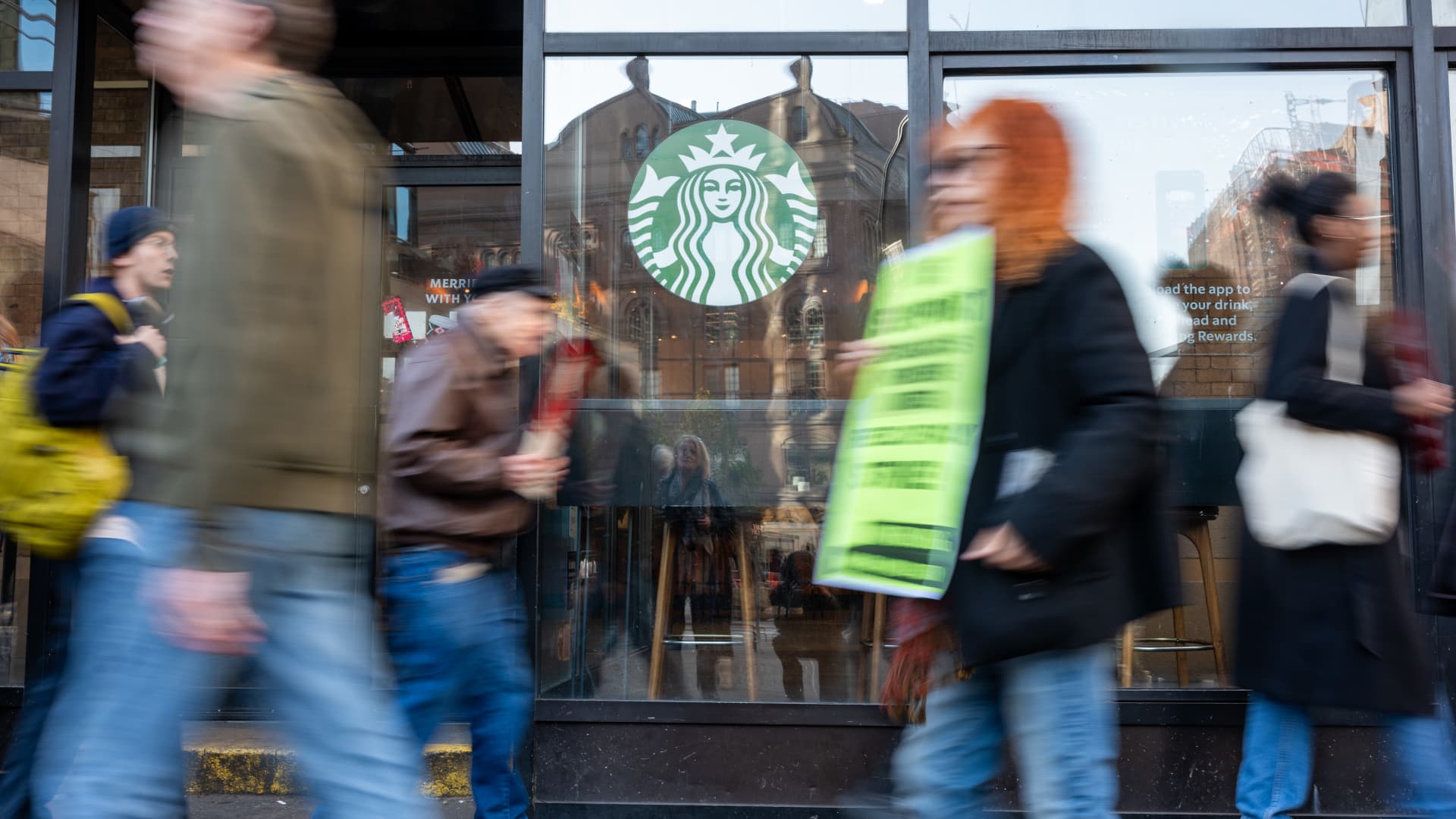
- New Office Establishment: Starbucks plans to open a new corporate office in Davidson County, Nashville, later this year, aimed at enhancing supply chain teams' direct and indirect sourcing operations to support coffeehouse growth and meet rising customer demand in the region.
- Supply Chain Expansion: The new office will focus on expanding North American supply chains, particularly in the Southeast market, with COO Mike Grams noting Nashville's deep talent pool makes it an ideal location, further driving the company's business development in the area.
- Job Relocation Plan: Starbucks intends to relocate some Seattle-based roles to Nashville while maintaining Seattle as its global headquarters, a move that not only optimizes resource allocation but also potentially brings more job opportunities to the new office.
- Local Economic Impact: Tennessee officials and Nashville city leaders welcomed the decision, emphasizing its potential to create jobs and stimulate economic development in Davidson County, with Deputy Governor Stuart McWhorter highlighting that such investments reinforce Tennessee's position as a destination for high-quality corporate growth.
Nike's Difficult Turnaround Under CEO Elliott Hill Tests Patience as Stock Declines

- Stock Performance: Nike's shares have dropped over 6% year-to-date, reflecting market disappointment with the company's turnaround efforts under CEO Elliott Hill, who took over in October 2024, as investor expectations for a brand revival remain unmet.
- Earnings Downgrade: Wells Fargo removed Nike from its 'top picks' list and lowered fiscal 2027 EPS estimates significantly below Street expectations, indicating concerns about international growth, particularly in the challenging Chinese market.
- Pressure in China: Nike's Greater China sales declined nearly 17% year-over-year in fiscal Q2 2026, worsening from a 9% drop in Q1, highlighting a long road ahead for recovery amid fierce local competition and discount pressures.
- Innovation and Inventory Cleanup: While Nike shows positive signs domestically and recent innovations are well-received, analysts note that the inventory cleanup is nearing completion, and the company must address multiple challenges in China to achieve a full recovery.

Many Restaurants Increase Revenue Through Price Hikes, But These 3 Focused on Customer Visits.
- Menu Pricing Importance: Most restaurants depend on menu pricing strategies to increase their sales.
- Exceptions Noted: There are notable exceptions among restaurants that do not follow this trend.

Three Key Sectors to Monitor While the S&P 500 Moves Sideways


Geopolitical Concerns: Ongoing geopolitical issues, including tensions related to Iran and international trade, are impacting market sentiment.
Tech Sector Pressures: The tech sector is facing challenges, particularly due to concerns surrounding artificial intelligence.
Investor Behavior: Instead of withdrawing from equities, investors are shifting their focus within the market.
Market Opportunities: This rotation in investment strategy is creating new pockets of opportunity for investors.

Middleby Plans Spin-Off of Food Processing Segment

- Spin-Off Strategy: Middleby plans a tax-free spin-off of its food processing segment in February 2025, aiming to enhance shareholder value through independent management and capital structure, thereby positioning it as a primary acquisition vehicle.
- Financial Performance: The commercial foodservice segment boasts an EBITDA margin of 27%, while the food processing segment has grown from $3 million in revenue in 2005 to over $800 million, demonstrating strong growth potential but facing challenges with declining margins.
- Market Valuation: Based on conservative estimates, the enterprise value of both segments is around $11.5 billion, and after accounting for $1.9 billion in net debt, the equity is valued at approximately $9.6 billion, highlighting a significant gap compared to the current market cap of $8.5 billion.
- Share Buyback Program: Middleby has reduced its share count by 6.4% through the first three quarters of 2025, utilizing $540 million from the sale of its residential kitchen segment, which is expected to further enhance shareholder returns and improve margins in the food processing segment.
Chinese Food Chains Rapidly Overtake Global Giants
- Rapid Franchising: Domestic food and beverage brands are leveraging rapid franchising to expand quickly, successfully overtaking many global giants, highlighting a strong preference for local brands in the Chinese market and shifting consumer trends.
- Foreign Brand Struggles: Numerous mid-tier Western brands are facing challenges in the Chinese market primarily due to a lack of localization strategies and sufficient scale, resulting in their market share being gradually eroded by local competitors.
- Shifting Consumer Preferences: The geopolitical landscape and post-pandemic consumer habits have significantly increased Chinese consumers' preference for domestic brands, prompting foreign brands to reassess their market strategies.
- Market Overhaul: Foreign food chains and their franchisees are undergoing a comprehensive operational overhaul to adapt to the new market environment and consumer demands, reflecting intensified industry competition and changing market dynamics.
Starbucks to Open New Office in Nashville
- New Office Establishment: Starbucks plans to open a new corporate office in Davidson County, Nashville, later this year, aimed at enhancing supply chain teams' direct and indirect sourcing operations to support coffeehouse growth and meet rising customer demand in the region.
- Supply Chain Expansion: The new office will focus on expanding North American supply chains, particularly in the Southeast market, with COO Mike Grams noting Nashville's deep talent pool makes it an ideal location, further driving the company's business development in the area.
- Job Relocation Plan: Starbucks intends to relocate some Seattle-based roles to Nashville while maintaining Seattle as its global headquarters, a move that not only optimizes resource allocation but also potentially brings more job opportunities to the new office.
- Local Economic Impact: Tennessee officials and Nashville city leaders welcomed the decision, emphasizing its potential to create jobs and stimulate economic development in Davidson County, with Deputy Governor Stuart McWhorter highlighting that such investments reinforce Tennessee's position as a destination for high-quality corporate growth.
Nike's Difficult Turnaround Under CEO Elliott Hill Tests Patience as Stock Declines
- Stock Performance: Nike's shares have dropped over 6% year-to-date, reflecting market disappointment with the company's turnaround efforts under CEO Elliott Hill, who took over in October 2024, as investor expectations for a brand revival remain unmet.
- Earnings Downgrade: Wells Fargo removed Nike from its 'top picks' list and lowered fiscal 2027 EPS estimates significantly below Street expectations, indicating concerns about international growth, particularly in the challenging Chinese market.
- Pressure in China: Nike's Greater China sales declined nearly 17% year-over-year in fiscal Q2 2026, worsening from a 9% drop in Q1, highlighting a long road ahead for recovery amid fierce local competition and discount pressures.
- Innovation and Inventory Cleanup: While Nike shows positive signs domestically and recent innovations are well-received, analysts note that the inventory cleanup is nearing completion, and the company must address multiple challenges in China to achieve a full recovery.
Many Restaurants Increase Revenue Through Price Hikes, But These 3 Focused on Customer Visits.
- Menu Pricing Importance: Most restaurants depend on menu pricing strategies to increase their sales.
- Exceptions Noted: There are notable exceptions among restaurants that do not follow this trend.
Three Key Sectors to Monitor While the S&P 500 Moves Sideways
Geopolitical Concerns: Ongoing geopolitical issues, including tensions related to Iran and international trade, are impacting market sentiment.
Tech Sector Pressures: The tech sector is facing challenges, particularly due to concerns surrounding artificial intelligence.
Investor Behavior: Instead of withdrawing from equities, investors are shifting their focus within the market.
Market Opportunities: This rotation in investment strategy is creating new pockets of opportunity for investors.
Middleby Plans Spin-Off of Food Processing Segment
- Spin-Off Strategy: Middleby plans a tax-free spin-off of its food processing segment in February 2025, aiming to enhance shareholder value through independent management and capital structure, thereby positioning it as a primary acquisition vehicle.
- Financial Performance: The commercial foodservice segment boasts an EBITDA margin of 27%, while the food processing segment has grown from $3 million in revenue in 2005 to over $800 million, demonstrating strong growth potential but facing challenges with declining margins.
- Market Valuation: Based on conservative estimates, the enterprise value of both segments is around $11.5 billion, and after accounting for $1.9 billion in net debt, the equity is valued at approximately $9.6 billion, highlighting a significant gap compared to the current market cap of $8.5 billion.
- Share Buyback Program: Middleby has reduced its share count by 6.4% through the first three quarters of 2025, utilizing $540 million from the sale of its residential kitchen segment, which is expected to further enhance shareholder returns and improve margins in the food processing segment.





