US Defense Secretary Pressures Anthropic on AI Access
Written by Emily J. Thompson, Senior Investment Analyst
Updated: Feb 24 2026
0mins

Should l Buy GD?
Source: CNBC
- Compliance Deadline Pressure: US Defense Secretary Pete Hegseth has demanded that Anthropic provide broad access to its AI models by Friday, threatening to label the company a 'supply chain risk' if it fails to comply, which could jeopardize its contract with the Department of Defense.
- Negotiation Stalemate: Anthropic's discussions with the DoD have stalled as the company seeks assurances that its models will not be used for autonomous weapons or mass surveillance of Americans, while the DoD insists on agreement to 'all lawful use cases', creating a significant impasse.
- Contractual Risk: Being designated as a 'supply chain risk' would require DoD vendors and contractors to certify they do not use Anthropic's models, posing a substantial threat to the company's market position, especially given its $200 million contract awarded last year.
- Strong Customer Base: Despite the pressure, Anthropic boasts over 500 enterprise customers spending more than $1 million annually, and it recently closed a $30 billion funding round at a $380 billion valuation, indicating resilience and potential in the market.
Trade with 70% Backtested Accuracy
Stop guessing "Should I Buy GD?" and start using high-conviction signals backed by rigorous historical data.
Sign up today to access powerful investing tools and make smarter, data-driven decisions.
Analyst Views on GD
Wall Street analysts forecast GD stock price to rise
15 Analyst Rating
7 Buy
8 Hold
0 Sell
Moderate Buy
Current: 364.780

Low
360.00
Averages
386.85
High
410.00
Current: 364.780
Low
360.00
Averages
386.85
High
410.00
About GD
General Dynamics Corporation is a global aerospace and defense company. It offers a portfolio of products and services in business aviation; ship construction and repair; land combat vehicles, weapons systems and munitions, and technology products and services. Its segments include Aerospace, Marine Systems, Combat Systems and Technologies. The Aerospace segment produces business jets and is the standard bearer in new technology aircraft, aircraft repair, customer support and custom completion services. The Marine Systems segment designs and builds nuclear-powered submarines and is engaged in surface combatant and auxiliary ship design and construction for the U.S. Navy. The Combat Systems segment manufactures land combat solutions worldwide, including wheeled and tracked combat vehicles, weapons systems and munitions. The Technologies segment provides a full spectrum of services, technologies and products to a range of military, intelligence, federal civilian and state customers.
About the author

Emily J. Thompson
Emily J. Thompson, a Chartered Financial Analyst (CFA) with 12 years in investment research, graduated with honors from the Wharton School. Specializing in industrial and technology stocks, she provides in-depth analysis for Intellectia’s earnings and market brief reports.
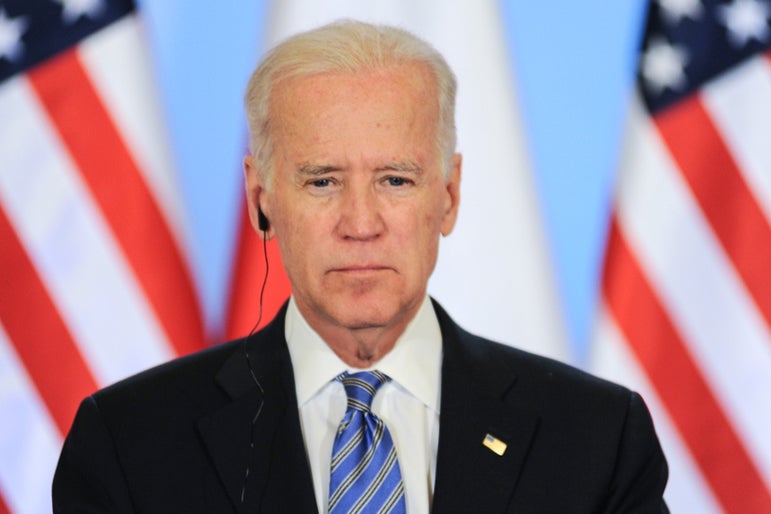
Trump's Ambiguous Objectives in Iran War


- Unclear War Objectives: Trump's military action against Iran has seen its objectives shift multiple times within 48 hours, ranging from preventing nuclear weapons to regime change, raising questions about U.S. strategic intentions and potentially affecting Congressional support for the war.
- Rising U.S. Casualties: With U.S. service member deaths climbing to six, opposition from Democrats has intensified, and some Republicans are beginning to question Trump's military strategy, which could lead to increased pressure on the administration in Congress.
- Divergent Cabinet Opinions: Trump's cabinet members have differing views on the nature and goals of the war, with the Defense Secretary stating it is not a
See More
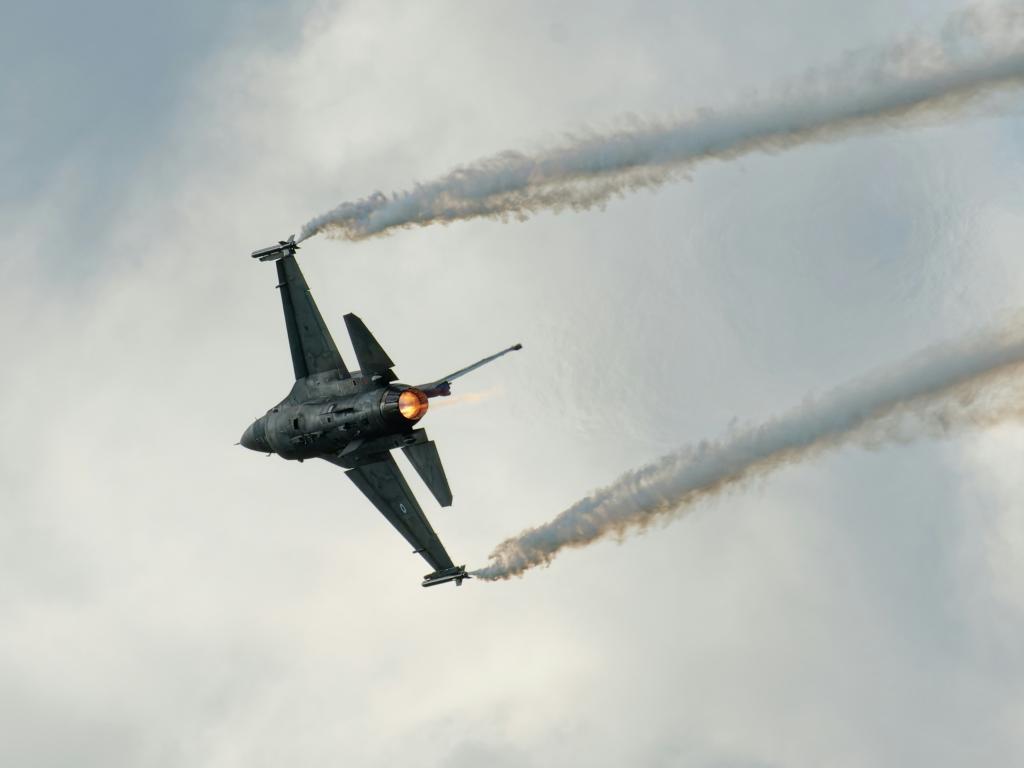
China's Submarine Modernization Threatens U.S. Security


- Accelerated Submarine Modernization: Senior U.S. naval officials warn that China is rapidly modernizing its submarine fleet, with projections indicating a growth to about 80 submarines by 2035, roughly half of which will be nuclear-powered, significantly enhancing China's sea-based nuclear deterrent capabilities.
- Escalating Strategic Threat: The anticipated Type 096 ballistic missile submarine is expected to have the capability to strike large portions of the U.S. from protected waters, thereby increasing the threat to the U.S. homeland and highlighting the intensifying undersea rivalry between the two powers.
- Increased Production Capacity: China's submarine production capacity has surged from less than one nuclear submarine per year to significantly higher levels, supported by upgraded shipbuilding infrastructure, positioning China favorably in future maritime strategies.
- Enhanced Technological Investments: Beijing is investing in seabed sensors, undersea cables, and unmanned systems to improve detection and tracking of rival submarines, complicating U.S. military operations in the western Pacific and raising intervention costs during crises.
See More

Europe's Delayed Response to US-Israeli Strikes on Iran

- Communication Breakdown: MEP Hannah Neumann revealed that very few European officials were informed prior to the US-Israeli strikes on Iran, with German Chancellor Merz only notified minutes in advance, highlighting Europe's passive role in the escalating Middle East conflict and the potential for economic upheaval.
- Ineffective Sanctions: While the EU stated it would protect its security and interests through additional sanctions, Merz criticized their ineffectiveness and emphasized the need for military action if necessary, indicating a lack of coherence and decisiveness in the EU's crisis response.
- Limited Diplomatic Efforts: Neumann noted that despite Iran's retaliatory actions exceeding expectations, the EU must still utilize existing diplomatic channels to engage with Tehran in hopes of de-escalating tensions, showcasing the bloc's vulnerability in crisis management.
- Energy Security Risks: Neumann stressed the need for the EU to collaboratively ensure the safe evacuation of citizens and establish buffers in energy security and supply chains to mitigate risks associated with a potential blockade of the Strait of Hormuz, underscoring the looming threats to Europe's economy.
See More

The Iran Conflict Escalates, Yet Not All Defense Stocks Are Increasing. Here's the Reason.
- Defense Stocks Performance: Defense stocks continued to rise on Tuesday, showing resilience amid broader market selloffs.
- Market Context: This increase in defense stocks coincides with the ongoing conflict in the Middle East, which has now entered its fourth day.
See More

Northrop Shares Rise While General Dynamics Falls as Defense Market Becomes More Selective
- Defense Stocks Performance: Many defense stocks saw gains on Tuesday despite a broader market selloff amid ongoing Middle East conflict.
- Market Dynamics: The performance of defense stocks varied, indicating that merely producing weapons is not sufficient for sustained financial success.
See More

Israel ETFs Surge Amid Optimism Over War Resolution

- Israeli Market Rally: The TA-35 index, which tracks the largest stocks on the Tel Aviv Stock Exchange, rose 4.6% on Monday, while the broader TA-125 increased by 4.75%, indicating investor optimism likely tied to expectations of a short resolution to the ongoing conflict.
- Strong ETF Performance: The iShares MSCI Israel ETF (EIS) surged 5.5% on Monday, reaching a new high, and has gained 131% since the October 7 attack, reflecting robust market confidence in Israel's economic recovery amidst geopolitical tensions.
- Defense Sector Growth: The iShares U.S. Aerospace & Defense ETF (ITA) jumped 2.8% on Monday and is up 16.7% year-to-date, highlighting sustained investor interest in defense spending, particularly in light of current geopolitical uncertainties.
- Rising Oil Prices Impact: Both Brent and West Texas Intermediate crude futures rose over 6%, with Brent up 17% in the past month, which could have significant implications for the global economy and related sectors, especially energy and transportation.
See More
Trump's Ambiguous Objectives in Iran War
- Unclear War Objectives: Trump's military action against Iran has seen its objectives shift multiple times within 48 hours, ranging from preventing nuclear weapons to regime change, raising questions about U.S. strategic intentions and potentially affecting Congressional support for the war.
- Rising U.S. Casualties: With U.S. service member deaths climbing to six, opposition from Democrats has intensified, and some Republicans are beginning to question Trump's military strategy, which could lead to increased pressure on the administration in Congress.
- Divergent Cabinet Opinions: Trump's cabinet members have differing views on the nature and goals of the war, with the Defense Secretary stating it is not a
See More
China's Submarine Modernization Threatens U.S. Security
- Accelerated Submarine Modernization: Senior U.S. naval officials warn that China is rapidly modernizing its submarine fleet, with projections indicating a growth to about 80 submarines by 2035, roughly half of which will be nuclear-powered, significantly enhancing China's sea-based nuclear deterrent capabilities.
- Escalating Strategic Threat: The anticipated Type 096 ballistic missile submarine is expected to have the capability to strike large portions of the U.S. from protected waters, thereby increasing the threat to the U.S. homeland and highlighting the intensifying undersea rivalry between the two powers.
- Increased Production Capacity: China's submarine production capacity has surged from less than one nuclear submarine per year to significantly higher levels, supported by upgraded shipbuilding infrastructure, positioning China favorably in future maritime strategies.
- Enhanced Technological Investments: Beijing is investing in seabed sensors, undersea cables, and unmanned systems to improve detection and tracking of rival submarines, complicating U.S. military operations in the western Pacific and raising intervention costs during crises.
See More
Europe's Delayed Response to US-Israeli Strikes on Iran
- Communication Breakdown: MEP Hannah Neumann revealed that very few European officials were informed prior to the US-Israeli strikes on Iran, with German Chancellor Merz only notified minutes in advance, highlighting Europe's passive role in the escalating Middle East conflict and the potential for economic upheaval.
- Ineffective Sanctions: While the EU stated it would protect its security and interests through additional sanctions, Merz criticized their ineffectiveness and emphasized the need for military action if necessary, indicating a lack of coherence and decisiveness in the EU's crisis response.
- Limited Diplomatic Efforts: Neumann noted that despite Iran's retaliatory actions exceeding expectations, the EU must still utilize existing diplomatic channels to engage with Tehran in hopes of de-escalating tensions, showcasing the bloc's vulnerability in crisis management.
- Energy Security Risks: Neumann stressed the need for the EU to collaboratively ensure the safe evacuation of citizens and establish buffers in energy security and supply chains to mitigate risks associated with a potential blockade of the Strait of Hormuz, underscoring the looming threats to Europe's economy.
See More
The Iran Conflict Escalates, Yet Not All Defense Stocks Are Increasing. Here's the Reason.
- Defense Stocks Performance: Defense stocks continued to rise on Tuesday, showing resilience amid broader market selloffs.
- Market Context: This increase in defense stocks coincides with the ongoing conflict in the Middle East, which has now entered its fourth day.
See More
Northrop Shares Rise While General Dynamics Falls as Defense Market Becomes More Selective
- Defense Stocks Performance: Many defense stocks saw gains on Tuesday despite a broader market selloff amid ongoing Middle East conflict.
- Market Dynamics: The performance of defense stocks varied, indicating that merely producing weapons is not sufficient for sustained financial success.
See More
Israel ETFs Surge Amid Optimism Over War Resolution
- Israeli Market Rally: The TA-35 index, which tracks the largest stocks on the Tel Aviv Stock Exchange, rose 4.6% on Monday, while the broader TA-125 increased by 4.75%, indicating investor optimism likely tied to expectations of a short resolution to the ongoing conflict.
- Strong ETF Performance: The iShares MSCI Israel ETF (EIS) surged 5.5% on Monday, reaching a new high, and has gained 131% since the October 7 attack, reflecting robust market confidence in Israel's economic recovery amidst geopolitical tensions.
- Defense Sector Growth: The iShares U.S. Aerospace & Defense ETF (ITA) jumped 2.8% on Monday and is up 16.7% year-to-date, highlighting sustained investor interest in defense spending, particularly in light of current geopolitical uncertainties.
- Rising Oil Prices Impact: Both Brent and West Texas Intermediate crude futures rose over 6%, with Brent up 17% in the past month, which could have significant implications for the global economy and related sectors, especially energy and transportation.
See More