

United Airlines Expands Starlink In-Flight Wi-Fi Service

- Service Expansion: United Airlines has announced an expansion of its partnership with Elon Musk-backed Starlink satellite internet service, now available on over 300 aircraft, nearly covering its entire regional fleet, with plans to extend to over 800 aircraft by year-end, significantly enhancing passenger internet access.
- User Base: The service is currently utilized by over 7 million passengers, and it is free for MileagePlus members, which not only boosts customer loyalty but also has the potential to attract new users, enhancing the airline's competitive position in the market.
- Industry Dynamics: Despite Ryanair CEO O'Leary's concerns about fuel drag penalties associated with Starlink, he anticipates that all airlines will eventually offer free in-flight Wi-Fi, indicating a gradual acceptance of this technology across the industry and its future ubiquity.
- Stock Performance: United Airlines' stock surged 4.92% at market close on Monday and climbed an additional 0.34% in after-hours trading to $107.72, reflecting positive market sentiment regarding its business expansion and growth potential.
Trade with 70% Backtested Accuracy
Analyst Views on UAL

About UAL
About the author

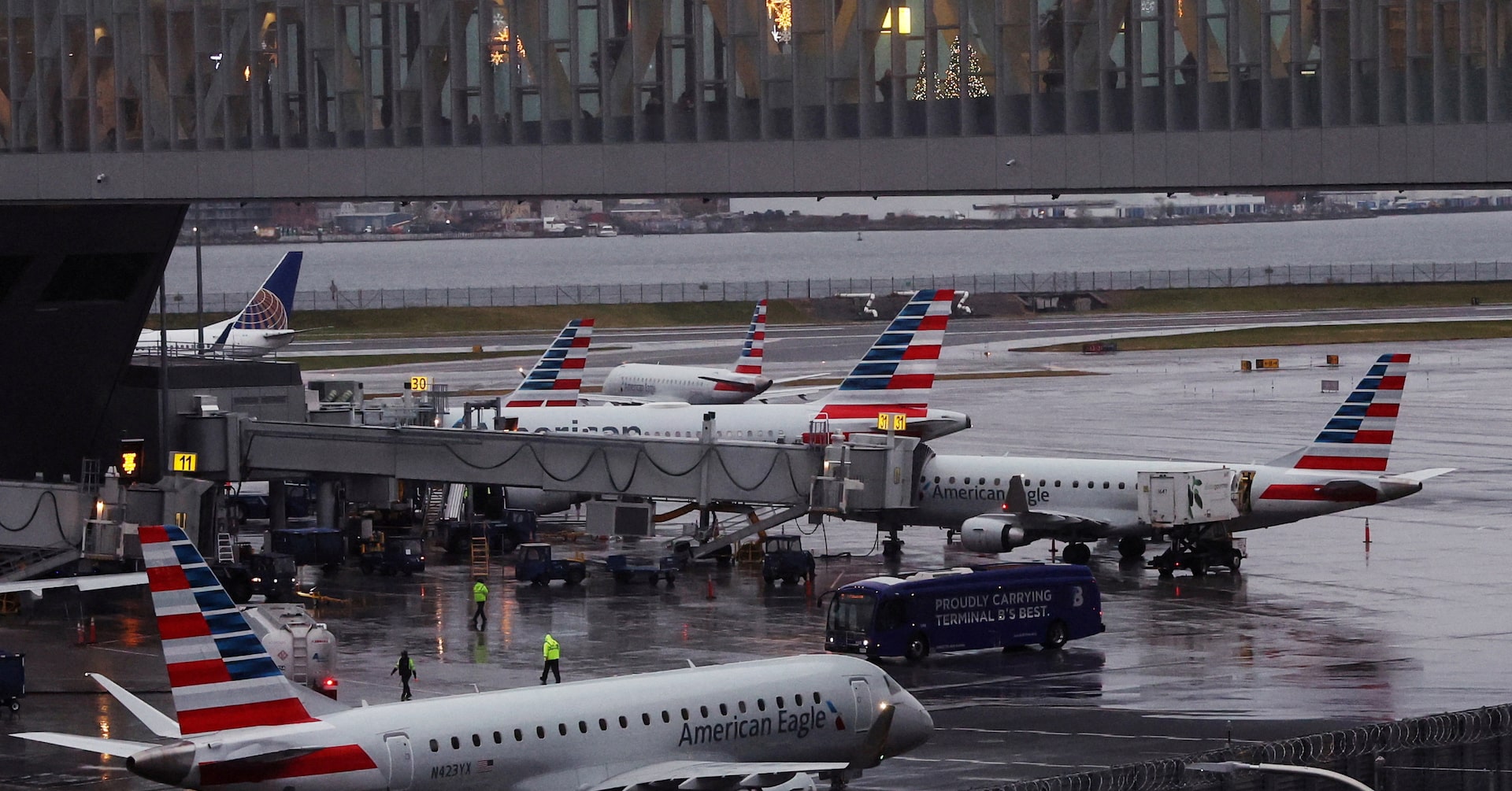
Middle East Tensions Drive Oil Prices Up, Airline ETFs Under Pressure

- Impact of Rising Oil Prices: The escalating tensions around the Strait of Hormuz have driven oil prices up by approximately 17% over the past month, creating margin pressure for airlines, particularly as most U.S. carriers have ceased hedging fuel costs.
- ETF Investor Reassessment: As airline ETFs struggle, investors are recalibrating their portfolios, with the U.S. Global Jets ETF showing positive momentum, while MAX Airlines 3X Leveraged ETNs introduce additional volatility, posing risks in a headline-driven market.
- Energy ETFs Benefit from Supply-Risk Premium: In stark contrast to airline ETFs, oil-linked funds are benefiting from a supply-risk premium, with the iShares Global Energy ETF incorporating multinational oil producers, offering broader global energy exposure.
- Emerging Arbitrage Strategy: With crude prices remaining elevated, airlines face structural cost pressures while energy producers enjoy pricing leverage, setting up a potential pairs trading strategy of going long on energy ETFs and short on airline ETFs, although this strategy requires close monitoring of geopolitical developments.

Global Stock Markets Plunge as Oil Prices Surge Amid Iran Conflict


- Stock Market Decline: The S&P 500 index fell by 2.18%, reaching a 3.25-month low, indicating market concerns over the Iran conflict that may lead to decreased investor confidence and increased volatility.
- Surge in Oil Prices: WTI crude oil prices rose over 8% to an 8.5-month high due to Iran's threats to close the Strait of Hormuz, potentially causing long-term disruptions in global energy markets and raising inflation expectations.
- Rising Bond Yields: The 10-year German bund yield climbed to a 2.5-week high of 2.814%, reflecting market worries about future inflation, which may prompt investors to shift towards bonds for safety.
- Economic Data Focus: This week, the market will focus on U.S. employment data and economic indicators, with the ADP employment change expected to rise by 40,000 and the ISM services index anticipated to slip slightly, indicating potential economic slowdown.

Global Stock Markets Plunge as Oil Prices Surge Amid Iran Conflict
- Market Decline: The S&P 500 index fell by 1.82%, the Dow Jones Industrial Average dropped by 2.07%, and the Nasdaq 100 decreased by 1.78%, marking a 2.5-month low for the S&P 500, indicating growing concerns about the global economic outlook.
- Surging Oil Prices: WTI crude oil prices surged over 7% to an 8.5-month high due to escalating conflict in Iran, raising fears of energy supply disruptions and increasing inflation expectations, which negatively impact stock market performance.
- Rising Bond Yields: The 10-year German bund yield reached a 2.5-week high of 2.814%, while the 10-year UK gilt yield climbed to a 3-week high of 4.536%, reflecting market concerns over future inflation, further pressuring stock prices.
- Earnings Outlook: Despite market volatility, 73% of S&P 500 companies exceeded earnings expectations, with Q4 earnings growth projected at 8.4%, indicating strong corporate fundamentals, yet market sentiment remains subdued.

U.S. Airlines Under Scrutiny as Middle East Residents Advised to Return Home

U.S. Government Advisory: The U.S. government is advising Americans stranded in the Middle East to return home using commercial travel options.
Challenges in Travel: The recommendation to use commercial means for returning home is complicated by the current situation in the region.
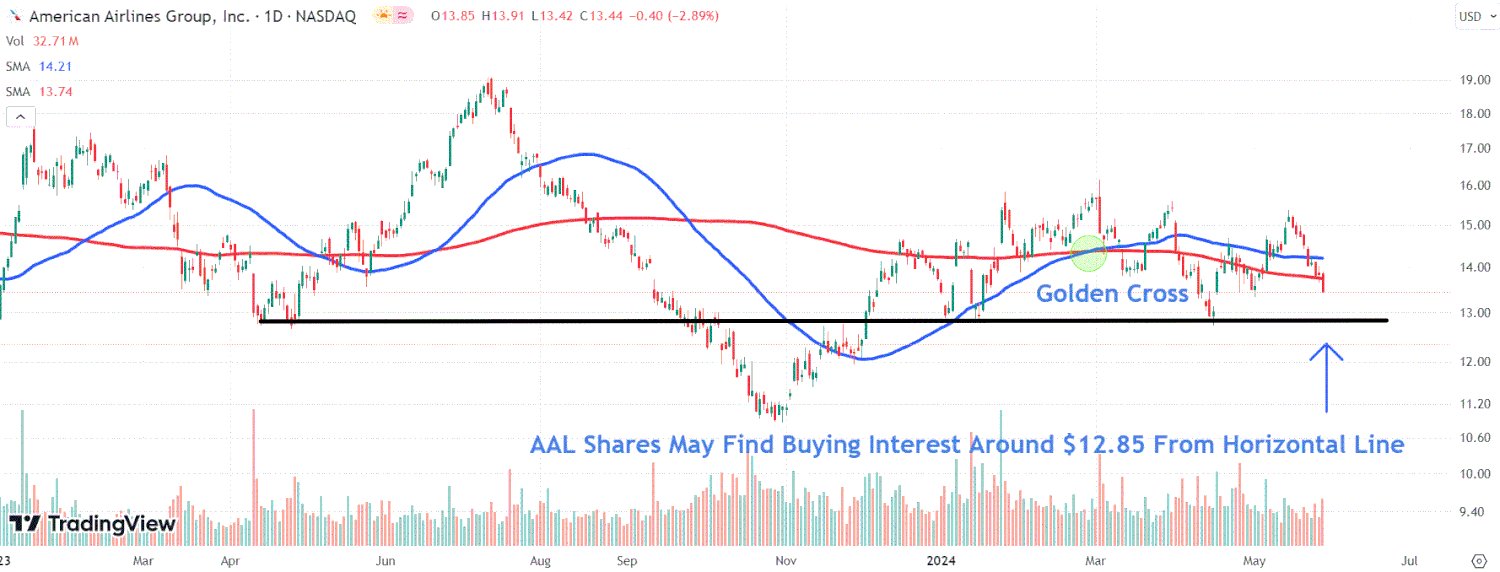
U.S. Airlines' Stock Prices Drop Amid Rising Fuel Costs from Escalating US-Iran Tensions

U.S. Airlines' Share Price Decline: U.S. airline stocks have experienced a significant drop due to escalating tensions from the U.S.-Iran conflict.
Impact on Fuel Prices: The conflict has led to a spike in fuel prices, further affecting the airline industry's financial stability.
U.S. Midterm Elections Outlook and Market Dynamics


- Escalating Conflict in Iran: The U.S. Central Command reported that six American service members have been killed in action, an increase from four the previous day, indicating the severity of the situation which could have profound implications for global markets.
- Surging Oil Prices: The closure of the Strait of Hormuz by Iran has led to a sharp increase in global oil prices, with a $10 per barrel rise potentially translating to a 25-cent hike at the pump, exacerbating inflationary pressures.
- Target's Earnings Report: Target's fourth-quarter earnings exceeded Wall Street expectations, with shares rising 4% in pre-market trading; however, the retailer reported declining revenue and store traffic, indicating a trend of weakening consumer demand.
- Apple's New Product Launch: Apple introduced the iPhone 17e, priced starting at $599, and updated the iPad Air with the M4 chip while maintaining the same design and price, demonstrating its commitment to innovation in a highly competitive market.
Middle East Tensions Drive Oil Prices Up, Airline ETFs Under Pressure
- Impact of Rising Oil Prices: The escalating tensions around the Strait of Hormuz have driven oil prices up by approximately 17% over the past month, creating margin pressure for airlines, particularly as most U.S. carriers have ceased hedging fuel costs.
- ETF Investor Reassessment: As airline ETFs struggle, investors are recalibrating their portfolios, with the U.S. Global Jets ETF showing positive momentum, while MAX Airlines 3X Leveraged ETNs introduce additional volatility, posing risks in a headline-driven market.
- Energy ETFs Benefit from Supply-Risk Premium: In stark contrast to airline ETFs, oil-linked funds are benefiting from a supply-risk premium, with the iShares Global Energy ETF incorporating multinational oil producers, offering broader global energy exposure.
- Emerging Arbitrage Strategy: With crude prices remaining elevated, airlines face structural cost pressures while energy producers enjoy pricing leverage, setting up a potential pairs trading strategy of going long on energy ETFs and short on airline ETFs, although this strategy requires close monitoring of geopolitical developments.
Global Stock Markets Plunge as Oil Prices Surge Amid Iran Conflict
- Stock Market Decline: The S&P 500 index fell by 2.18%, reaching a 3.25-month low, indicating market concerns over the Iran conflict that may lead to decreased investor confidence and increased volatility.
- Surge in Oil Prices: WTI crude oil prices rose over 8% to an 8.5-month high due to Iran's threats to close the Strait of Hormuz, potentially causing long-term disruptions in global energy markets and raising inflation expectations.
- Rising Bond Yields: The 10-year German bund yield climbed to a 2.5-week high of 2.814%, reflecting market worries about future inflation, which may prompt investors to shift towards bonds for safety.
- Economic Data Focus: This week, the market will focus on U.S. employment data and economic indicators, with the ADP employment change expected to rise by 40,000 and the ISM services index anticipated to slip slightly, indicating potential economic slowdown.
Global Stock Markets Plunge as Oil Prices Surge Amid Iran Conflict
- Market Decline: The S&P 500 index fell by 1.82%, the Dow Jones Industrial Average dropped by 2.07%, and the Nasdaq 100 decreased by 1.78%, marking a 2.5-month low for the S&P 500, indicating growing concerns about the global economic outlook.
- Surging Oil Prices: WTI crude oil prices surged over 7% to an 8.5-month high due to escalating conflict in Iran, raising fears of energy supply disruptions and increasing inflation expectations, which negatively impact stock market performance.
- Rising Bond Yields: The 10-year German bund yield reached a 2.5-week high of 2.814%, while the 10-year UK gilt yield climbed to a 3-week high of 4.536%, reflecting market concerns over future inflation, further pressuring stock prices.
- Earnings Outlook: Despite market volatility, 73% of S&P 500 companies exceeded earnings expectations, with Q4 earnings growth projected at 8.4%, indicating strong corporate fundamentals, yet market sentiment remains subdued.
U.S. Airlines Under Scrutiny as Middle East Residents Advised to Return Home
U.S. Government Advisory: The U.S. government is advising Americans stranded in the Middle East to return home using commercial travel options.
Challenges in Travel: The recommendation to use commercial means for returning home is complicated by the current situation in the region.
U.S. Airlines' Stock Prices Drop Amid Rising Fuel Costs from Escalating US-Iran Tensions
U.S. Airlines' Share Price Decline: U.S. airline stocks have experienced a significant drop due to escalating tensions from the U.S.-Iran conflict.
Impact on Fuel Prices: The conflict has led to a spike in fuel prices, further affecting the airline industry's financial stability.
U.S. Midterm Elections Outlook and Market Dynamics
- Escalating Conflict in Iran: The U.S. Central Command reported that six American service members have been killed in action, an increase from four the previous day, indicating the severity of the situation which could have profound implications for global markets.
- Surging Oil Prices: The closure of the Strait of Hormuz by Iran has led to a sharp increase in global oil prices, with a $10 per barrel rise potentially translating to a 25-cent hike at the pump, exacerbating inflationary pressures.
- Target's Earnings Report: Target's fourth-quarter earnings exceeded Wall Street expectations, with shares rising 4% in pre-market trading; however, the retailer reported declining revenue and store traffic, indicating a trend of weakening consumer demand.
- Apple's New Product Launch: Apple introduced the iPhone 17e, priced starting at $599, and updated the iPad Air with the M4 chip while maintaining the same design and price, demonstrating its commitment to innovation in a highly competitive market.




