Trump Considers Limited Military Strikes Against Iran
Written by Emily J. Thompson, Senior Investment Analyst
Updated: Feb 20 2026
0mins
Source: CNBC
- Military Action Consideration: Trump stated during a breakfast with governors that he is considering limited military strikes against Iran to pressure its nuclear program, with a decision expected in 10 to 15 days, potentially escalating tensions in the Middle East.
- Oil Price Stability: Following Trump's remarks, oil prices remained stable despite a more than 5% rally this week, reflecting market pricing in the risk of imminent U.S. military action, with WTI crude at $66.15 per barrel.
- Military Buildup: A significant U.S. military buildup is underway in the Middle East, with the USS Abraham Lincoln aircraft carrier stationed in the region and the USS Gerald Ford en route, which may further heighten tensions with Iran.
- Strait of Hormuz Significance: The Strait of Hormuz is a vital chokepoint for global oil trade, with over 14 million barrels per day passing through in 2025, accounting for a third of total worldwide seaborne oil exports, and any conflict could disrupt these crucial oil flows, impacting global markets.
Trade with 70% Backtested Accuracy
Stop guessing "Should I Buy PSX?" and start using high-conviction signals backed by rigorous historical data.
Sign up today to access powerful investing tools and make smarter, data-driven decisions.
Analyst Views on PSX
Wall Street analysts forecast PSX stock price to fall
15 Analyst Rating
8 Buy
7 Hold
0 Sell
Moderate Buy
Current: 159.780

Low
110.00
Averages
132.40
High
162.00
Current: 159.780
Low
110.00
Averages
132.40
High
162.00
About PSX
Phillips 66 is a diversified and integrated downstream energy provider that manufactures, transports and markets products. The Company's Midstream segment provides crude oil and refined petroleum product transportation, terminating and processing services, as well as natural gas and natural gas liquids (NGL) transportation, storage, fractionation, gathering, processing and marketing services. Its Chemicals segment consists of its 50% equity investment in Chevron Phillips Chemical Company LLC, which manufactures and markets petrochemicals and plastics on a worldwide basis. Its Refining segment refines crude oil and other feedstocks into petroleum products, such as gasoline, distillates, including aviation fuels. Its Marketing and Specialties segment purchases for resale and markets refined products, mainly in the United States and Europe. Its Renewable Fuels segment processes renewable feedstocks into renewable products at the Rodeo Renewable Energy Complex and at its Humber Refinery.
About the author

Emily J. Thompson
Emily J. Thompson, a Chartered Financial Analyst (CFA) with 12 years in investment research, graduated with honors from the Wharton School. Specializing in industrial and technology stocks, she provides in-depth analysis for Intellectia’s earnings and market brief reports.

U.S. to Support Oil Trade in the Gulf


- Oil Price Decline: U.S. crude oil prices fell 1.1% to $73.74 per barrel on Wednesday, marking the first drop since the U.S. initiated military actions against Iran, indicating market concerns over future developments.
- Government Support Measures: Treasury Secretary Scott Bessent announced that the Trump administration will provide insurance for oil tankers in the Gulf through the International Development Finance Corporation and promised naval escorts if necessary, aiming to restore market confidence.
- Strait of Hormuz Traffic Standstill: Tanker traffic through the Strait of Hormuz has nearly come to a halt as ship owners fear Iranian retaliatory strikes, with the strait being the world's most critical chokepoint for oil trade, accounting for about 20% of global oil consumption.
- Market Reaction: Despite a 6% and 5% increase in U.S. crude prices on Monday and Tuesday respectively, market sentiment turned cautious following Bessent's announcement of further support measures, leading to a decline in oil prices.
See More
Energy Sector Thrives Amid Geopolitical Tensions

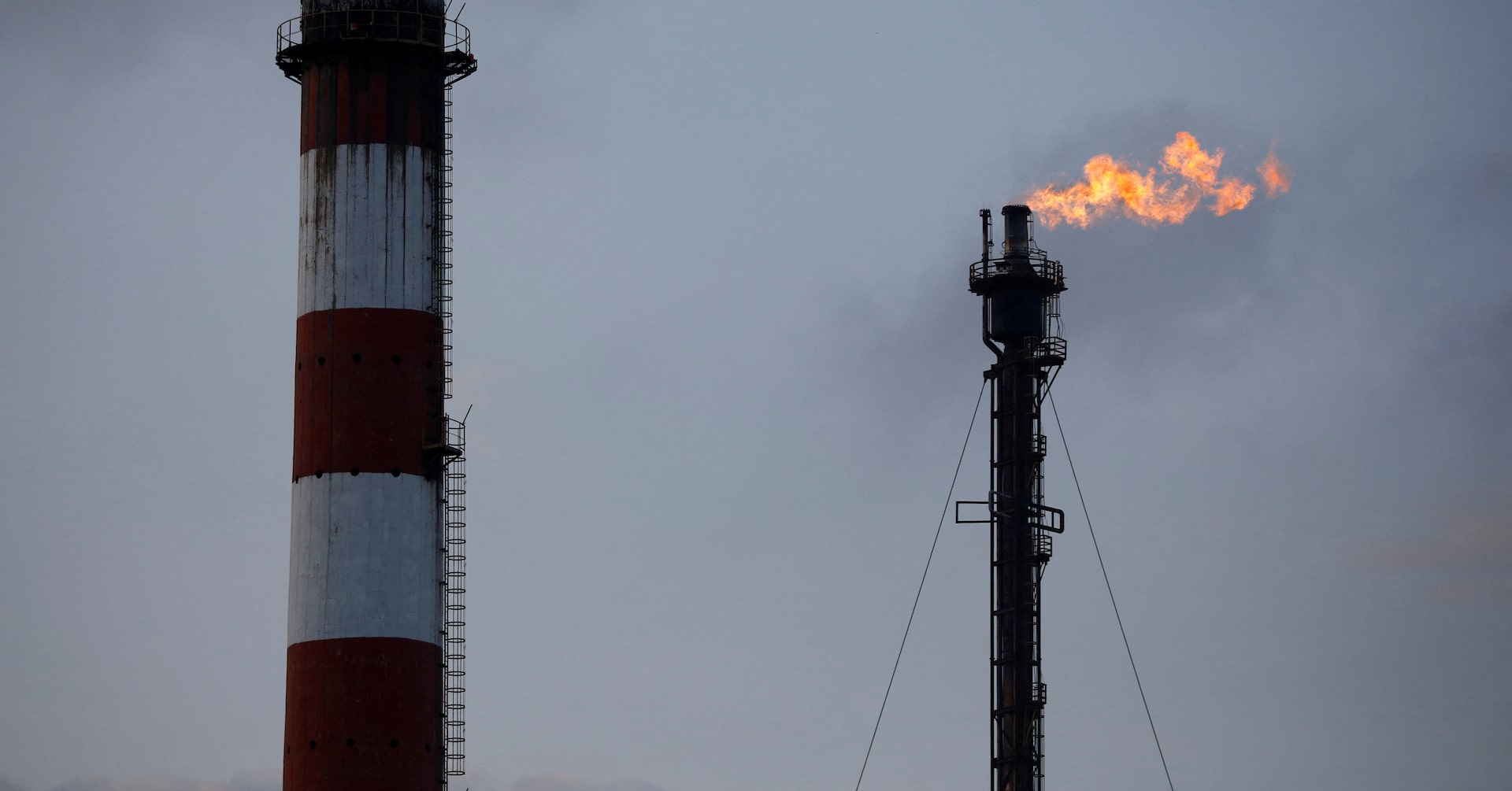
- Surge in Oil Prices: The escalation of the U.S. and Israel's conflict with Iran has led to a nearly 30% increase in crude oil prices, making the energy sector the top-performing area this year and significantly boosting investor confidence in the sector.
- Strong Performance of Major Oil Companies: Due to geopolitical risks, stocks of large integrated oil companies like Chevron and Exxon Mobil have reached 52-week highs, demonstrating their robust competitiveness in the global oil and gas supply chain.
- Optimistic Outlook for TechnipFMC: As a leading manufacturer in the energy sector, TechnipFMC benefits from increased capital spending driven by rising oil prices, with its stock trading near a 52-week high and projected EPS growth of 14% this year, reaching $3.34 by 2027.
- Investor Shift to Energy: Amid heightened market volatility, investors are flocking to the energy sector for defensive investments, highlighting the relative safety and strong fundamentals of the industry in the current economic environment.
See More

Venezuela's Return to Global Oil Market


- Supply Impact Analysis: Venezuela's oil exports are around 0.8-0.9 million barrels per day, which, while modest in a global market exceeding 105 million barrels daily, may cap future price increases, thereby influencing market psychological expectations.
- Historical Lessons: The 2014 global supply glut that drove oil prices from above $100 to below $40 serves as a cautionary tale; although Venezuela's current supply is relatively small, concerns about a price collapse reflect market sensitivity to past events.
- Refiner Benefits: The influx of more heavy-sour crude into the market will benefit refiners, particularly complex Gulf Coast facilities capable of processing heavier grades, as this will widen the price differential between heavy and light crudes, enhancing refining margins.
- Market Volatility Changes: Should OPEC+ offset the new supply, overall price volatility may decrease; conversely, if they do not, the added barrels could smooth market fluctuations, indicating that the ceiling for future price increases may lower, impacting upstream companies' profitability.
See More

Mixed Close for US Stocks Amid Iran War Impact


- Mixed Market Performance: On Monday, the S&P 500 closed up 0.04%, while the Dow Jones Industrial Average fell 0.15%, and the Nasdaq 100 rose 0.13%, reflecting a divergence in market sentiment influenced by the ongoing war in Iran, with increased demand for defense and energy stocks.
- Surge in Oil Prices: WTI crude oil prices soared over 6% to an 8.25-month high following Iran's attack on oil tankers, which is expected to elevate inflation expectations and impact the overall economic environment and investor confidence.
- Strong Manufacturing Index: The US February ISM manufacturing index unexpectedly rose to 52.4, surpassing the market expectation of 51.5, indicating economic resilience that could influence the Federal Reserve's monetary policy direction, leading to shifts in future rate hike expectations.
- Optimistic Earnings Outlook: More than 90% of S&P 500 companies have reported earnings, with 73% exceeding expectations, and Q4 earnings growth is projected at 8.4%, providing market support despite geopolitical risks.
See More

Iran War Drives Market Volatility and Sector Performance
- Market Reaction: Stocks initially retreated following the US and Israel's joint military actions against Iran, but rebounded after the February ISM manufacturing index exceeded expectations, indicating investor focus on economic data.
- Surge in Energy Prices: The halt of tanker traffic through the Strait of Hormuz due to Iran's attacks on three oil tankers led to WTI crude oil prices soaring over 65% to an 8.25-month high, potentially exacerbating global inflationary pressures.
- Defense Stocks Rise: The ongoing conflict in Iran has bolstered earnings prospects for defense companies, with Aerovironment's stock rising over 12%, while Northrop Grumman and RTX Corp also saw increases of over 4%, reflecting market optimism about defense spending.
- Economic Data Focus: Investors are keenly awaiting upcoming economic data releases, including ADP employment changes and the ISM services index, which are expected to influence future monetary policy directions amid rising inflation concerns.
See More
Oil Prices Surge Amid Iran Conflict Fears
- Oil Price Surge: Following the U.S. and Israel's attacks on Iran, oil prices spiked by 6% on Monday morning, which could lead to a corresponding rise in gasoline prices, with experts warning that a prolonged conflict may disrupt crude oil supplies and push prices even higher.
- Gasoline Price Impact: The average price of unleaded gasoline in the U.S. is currently $2.997 per gallon, up 2% from last week, and if oil prices rise by $10 a barrel, gasoline prices could increase by about 25 cents, directly affecting consumer spending.
- Strait of Hormuz Risks: The Strait of Hormuz is considered a key oil transport corridor, and analysts warn that prolonged supply disruptions in this region could push oil prices above $100 per barrel, further exacerbating market uncertainties.
- Increased Consumer Pressure: The rise in gasoline prices places additional pressure on consumer budgets, particularly for low-income households that allocate a larger share of their budget to fuel, potentially impacting their willingness to spend and negatively affecting the overall economy.
See More
U.S. to Support Oil Trade in the Gulf
- Oil Price Decline: U.S. crude oil prices fell 1.1% to $73.74 per barrel on Wednesday, marking the first drop since the U.S. initiated military actions against Iran, indicating market concerns over future developments.
- Government Support Measures: Treasury Secretary Scott Bessent announced that the Trump administration will provide insurance for oil tankers in the Gulf through the International Development Finance Corporation and promised naval escorts if necessary, aiming to restore market confidence.
- Strait of Hormuz Traffic Standstill: Tanker traffic through the Strait of Hormuz has nearly come to a halt as ship owners fear Iranian retaliatory strikes, with the strait being the world's most critical chokepoint for oil trade, accounting for about 20% of global oil consumption.
- Market Reaction: Despite a 6% and 5% increase in U.S. crude prices on Monday and Tuesday respectively, market sentiment turned cautious following Bessent's announcement of further support measures, leading to a decline in oil prices.
See More
Energy Sector Thrives Amid Geopolitical Tensions
- Surge in Oil Prices: The escalation of the U.S. and Israel's conflict with Iran has led to a nearly 30% increase in crude oil prices, making the energy sector the top-performing area this year and significantly boosting investor confidence in the sector.
- Strong Performance of Major Oil Companies: Due to geopolitical risks, stocks of large integrated oil companies like Chevron and Exxon Mobil have reached 52-week highs, demonstrating their robust competitiveness in the global oil and gas supply chain.
- Optimistic Outlook for TechnipFMC: As a leading manufacturer in the energy sector, TechnipFMC benefits from increased capital spending driven by rising oil prices, with its stock trading near a 52-week high and projected EPS growth of 14% this year, reaching $3.34 by 2027.
- Investor Shift to Energy: Amid heightened market volatility, investors are flocking to the energy sector for defensive investments, highlighting the relative safety and strong fundamentals of the industry in the current economic environment.
See More
Venezuela's Return to Global Oil Market
- Supply Impact Analysis: Venezuela's oil exports are around 0.8-0.9 million barrels per day, which, while modest in a global market exceeding 105 million barrels daily, may cap future price increases, thereby influencing market psychological expectations.
- Historical Lessons: The 2014 global supply glut that drove oil prices from above $100 to below $40 serves as a cautionary tale; although Venezuela's current supply is relatively small, concerns about a price collapse reflect market sensitivity to past events.
- Refiner Benefits: The influx of more heavy-sour crude into the market will benefit refiners, particularly complex Gulf Coast facilities capable of processing heavier grades, as this will widen the price differential between heavy and light crudes, enhancing refining margins.
- Market Volatility Changes: Should OPEC+ offset the new supply, overall price volatility may decrease; conversely, if they do not, the added barrels could smooth market fluctuations, indicating that the ceiling for future price increases may lower, impacting upstream companies' profitability.
See More
Mixed Close for US Stocks Amid Iran War Impact
- Mixed Market Performance: On Monday, the S&P 500 closed up 0.04%, while the Dow Jones Industrial Average fell 0.15%, and the Nasdaq 100 rose 0.13%, reflecting a divergence in market sentiment influenced by the ongoing war in Iran, with increased demand for defense and energy stocks.
- Surge in Oil Prices: WTI crude oil prices soared over 6% to an 8.25-month high following Iran's attack on oil tankers, which is expected to elevate inflation expectations and impact the overall economic environment and investor confidence.
- Strong Manufacturing Index: The US February ISM manufacturing index unexpectedly rose to 52.4, surpassing the market expectation of 51.5, indicating economic resilience that could influence the Federal Reserve's monetary policy direction, leading to shifts in future rate hike expectations.
- Optimistic Earnings Outlook: More than 90% of S&P 500 companies have reported earnings, with 73% exceeding expectations, and Q4 earnings growth is projected at 8.4%, providing market support despite geopolitical risks.
See More
Iran War Drives Market Volatility and Sector Performance
- Market Reaction: Stocks initially retreated following the US and Israel's joint military actions against Iran, but rebounded after the February ISM manufacturing index exceeded expectations, indicating investor focus on economic data.
- Surge in Energy Prices: The halt of tanker traffic through the Strait of Hormuz due to Iran's attacks on three oil tankers led to WTI crude oil prices soaring over 65% to an 8.25-month high, potentially exacerbating global inflationary pressures.
- Defense Stocks Rise: The ongoing conflict in Iran has bolstered earnings prospects for defense companies, with Aerovironment's stock rising over 12%, while Northrop Grumman and RTX Corp also saw increases of over 4%, reflecting market optimism about defense spending.
- Economic Data Focus: Investors are keenly awaiting upcoming economic data releases, including ADP employment changes and the ISM services index, which are expected to influence future monetary policy directions amid rising inflation concerns.
See More
Oil Prices Surge Amid Iran Conflict Fears
- Oil Price Surge: Following the U.S. and Israel's attacks on Iran, oil prices spiked by 6% on Monday morning, which could lead to a corresponding rise in gasoline prices, with experts warning that a prolonged conflict may disrupt crude oil supplies and push prices even higher.
- Gasoline Price Impact: The average price of unleaded gasoline in the U.S. is currently $2.997 per gallon, up 2% from last week, and if oil prices rise by $10 a barrel, gasoline prices could increase by about 25 cents, directly affecting consumer spending.
- Strait of Hormuz Risks: The Strait of Hormuz is considered a key oil transport corridor, and analysts warn that prolonged supply disruptions in this region could push oil prices above $100 per barrel, further exacerbating market uncertainties.
- Increased Consumer Pressure: The rise in gasoline prices places additional pressure on consumer budgets, particularly for low-income households that allocate a larger share of their budget to fuel, potentially impacting their willingness to spend and negatively affecting the overall economy.
See More