Three Significant Buybacks Announced—What Investors Are Interpreting from Them


Walmart's Share Buyback Program: Walmart has announced a $30 billion share buyback program, its largest to date, allowing the company to reduce its outstanding shares and potentially increase earnings per share growth.
Strong Financial Performance: In 2025, Walmart delivered an impressive performance with a total return of approximately 24%, driven by significant growth in e-commerce sales and advertising revenue.
Lyft's Stock Decline: Lyft experienced a significant drop in its stock price, down over 25% following disappointing earnings reports, despite achieving a 50% return in 2025.
Equitable's Market Position: Equitable has shown resilience with a $1 billion share buyback plan, indicating confidence in its future performance, despite facing challenges in meeting earnings expectations.
Trade with 70% Backtested Accuracy
Analyst Views on WMT

About WMT
About the author

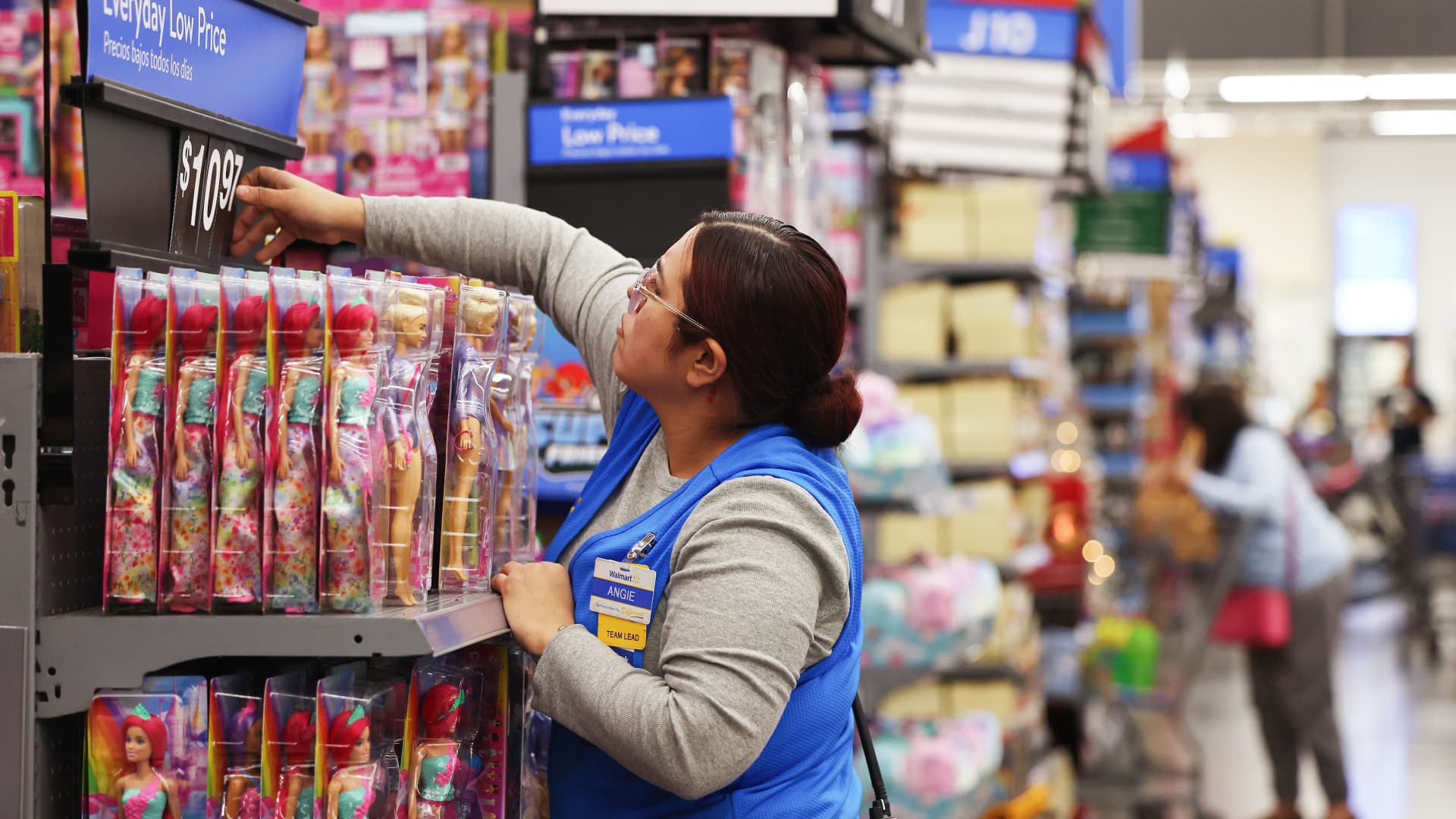
Walmart's High Valuation Raises Investment Risks

- Strong Earnings Report: Walmart recently posted earnings that exceeded market expectations on both revenue and net income; however, the stock did not surge, indicating investor concerns about its inflated valuation.
- Price Surge vs. Growth Rate: Over the past three years, Walmart's stock price has increased by 170%, yet its average growth rate has only been around 5%, leading to a current P/E ratio of 47, which appears excessively high.
- Attraction of Safe Investments: Amidst a trend of investors flocking to traditional safe assets like gold and silver, Walmart's performance as a blue-chip stock has been relatively strong, but this does not imply that its current price is justifiable.
- Cautious Investment Advice: Despite Walmart's solid business fundamentals, analysts recommend that investors exercise caution in purchasing at this high valuation, suggesting that there are better value investment opportunities available in the market.
U.S. 15% Global Tariff Set to Be Implemented This Week

- Global Tariff Implementation: Treasury Secretary Bessent announced that the Trump administration will implement a 15% global tariff this week, which could significantly impact international trade relations, particularly with major trading partners.
- Tariff Rate Recovery Prediction: Bessent predicts that after the Supreme Court invalidated some of Trump's tariffs, U.S. tariff rates will return to previous levels within five months, potentially affecting domestic market price stability.
- Legal Basis for Replacement Tariffs: The new tariffs are being implemented under Section 122 of the Trade Act of 1974, with a 150-day validity period unless Congress approves an extension, which may create uncertainty in trade policy and affect long-term business planning.
- Legal Challenges and Enforcement Strength: Bessent noted that despite facing over 4,000 legal challenges, the new tariffs have strong enforcement capabilities, which could impact import prices in the short term, thereby affecting consumer spending and economic growth.

Costco Faces Rare Underperformance Amid Strong Business Metrics
- Membership Model Advantage: Costco stands out in the retail market with its unique membership model, boasting nearly 1,000 stores and $280 billion in annual sales, maintaining a leading position despite competition from BJ's and Walmart.
- High Customer Satisfaction: With renewal rates exceeding 90%, Costco's executive members account for nearly half of total membership yet contribute 74% of total sales, highlighting the critical role of membership in profitability.
- Stable Sales Growth: For the first quarter of fiscal 2026 (ending November 23, 2025), Costco reported an 8.2% year-over-year sales increase, with a 14% rise in fee income and a 5.2% membership growth, demonstrating resilience in a high-inflation environment.
- Increasing Market Concerns: Despite Costco's reliable growth, the market is worried about the sustainability of sales growth, particularly with a slight dip in renewal rates and a premium P/E ratio of 54, significantly above the three-year average of 49, potentially limiting short-term stock price upside.

Costco Thrives in Pressured Economy with Membership Growth
- Membership Growth Trend: Costco boasts a renewal rate exceeding 90%, with an increasing number of members upgrading to the executive membership, which costs double, reflecting the company's strong appeal and customer loyalty even in a pressured economy.
- Robust Sales Performance: For the first quarter of fiscal 2026, Costco reported an 8.2% year-over-year sales increase, with a 14% rise in fee income, indicating the company's ability to maintain solid performance amid high inflation.
- Market Valuation Pressure: Costco's stock trades at a P/E ratio of 54, significantly above its three-year average of 49, suggesting that while the company performs well, its high valuation poses downside risks for the stock price, warranting caution from investors.
- Future Growth Challenges: Despite Costco's proactive expansion of new stores and digital transformation, the market expresses concerns about the sustainability of sales growth under inflationary pressures, which could impact short-term stock performance.
Target Plans Over $2 Billion Investment to Revitalize Business

- Strategic Investment Plan: Target is set to make an incremental investment of over $2 billion in 2023, including $1 billion for new stores and remodels and another $1 billion to enhance guest experience, aiming to strengthen market competitiveness and rebuild consumer trust.
- Product Portfolio Revamp: The retailer plans to complete over 130 full-store remodels by 2026, which is expected to enhance customer satisfaction and drive sales growth, particularly in home products and beauty, with the introduction of Target Beauty Studio in 600 stores to attract more customers.
- Stock Price Rebound: Target's stock has gained nearly 25% this year, with a nearly 7% increase on Tuesday, marking a positive response to its turnaround plan under new CEO Michael Fiddelke, indicating market optimism about its future prospects.
- Consumer Feedback Enhancement: As consumer expectations rise for sharper pricing and faster delivery, Target is implementing a series of strategic initiatives aimed at improving the shopping experience, making it more enjoyable and thereby enhancing customer loyalty.

Target's Investor Day Highlights Optimistic Future Plans
- Earnings Release and Investor Day: Target is holding its annual investor day in Minneapolis while releasing its fourth-quarter earnings, which beat expectations; however, the company faces the challenge of a fourth consecutive quarter of declining customer transactions, indicating difficulties in attracting consumers.
- Poor Sales Performance: Target's comparable sales fell by 2.5%, starkly contrasting with Walmart's 4.6% gain, reflecting its disadvantage in a competitive market, particularly in an environment where consumers are price-sensitive.
- Overly Optimistic Outlook: Despite the company's guidance for future sales growth appearing overly optimistic, analysts remain cautious given the current market uncertainties, especially the impacts of the war in Iran.
- Leadership Changes Impact: The appointment of new CEO Michael Fiddelke and a largely new leadership team brings some hope, but the company still needs time to rebuild its brand and market positioning to regain investor trust.
Walmart's High Valuation Raises Investment Risks
- Strong Earnings Report: Walmart recently posted earnings that exceeded market expectations on both revenue and net income; however, the stock did not surge, indicating investor concerns about its inflated valuation.
- Price Surge vs. Growth Rate: Over the past three years, Walmart's stock price has increased by 170%, yet its average growth rate has only been around 5%, leading to a current P/E ratio of 47, which appears excessively high.
- Attraction of Safe Investments: Amidst a trend of investors flocking to traditional safe assets like gold and silver, Walmart's performance as a blue-chip stock has been relatively strong, but this does not imply that its current price is justifiable.
- Cautious Investment Advice: Despite Walmart's solid business fundamentals, analysts recommend that investors exercise caution in purchasing at this high valuation, suggesting that there are better value investment opportunities available in the market.
U.S. 15% Global Tariff Set to Be Implemented This Week
- Global Tariff Implementation: Treasury Secretary Bessent announced that the Trump administration will implement a 15% global tariff this week, which could significantly impact international trade relations, particularly with major trading partners.
- Tariff Rate Recovery Prediction: Bessent predicts that after the Supreme Court invalidated some of Trump's tariffs, U.S. tariff rates will return to previous levels within five months, potentially affecting domestic market price stability.
- Legal Basis for Replacement Tariffs: The new tariffs are being implemented under Section 122 of the Trade Act of 1974, with a 150-day validity period unless Congress approves an extension, which may create uncertainty in trade policy and affect long-term business planning.
- Legal Challenges and Enforcement Strength: Bessent noted that despite facing over 4,000 legal challenges, the new tariffs have strong enforcement capabilities, which could impact import prices in the short term, thereby affecting consumer spending and economic growth.
Costco Faces Rare Underperformance Amid Strong Business Metrics
- Membership Model Advantage: Costco stands out in the retail market with its unique membership model, boasting nearly 1,000 stores and $280 billion in annual sales, maintaining a leading position despite competition from BJ's and Walmart.
- High Customer Satisfaction: With renewal rates exceeding 90%, Costco's executive members account for nearly half of total membership yet contribute 74% of total sales, highlighting the critical role of membership in profitability.
- Stable Sales Growth: For the first quarter of fiscal 2026 (ending November 23, 2025), Costco reported an 8.2% year-over-year sales increase, with a 14% rise in fee income and a 5.2% membership growth, demonstrating resilience in a high-inflation environment.
- Increasing Market Concerns: Despite Costco's reliable growth, the market is worried about the sustainability of sales growth, particularly with a slight dip in renewal rates and a premium P/E ratio of 54, significantly above the three-year average of 49, potentially limiting short-term stock price upside.
Costco Thrives in Pressured Economy with Membership Growth
- Membership Growth Trend: Costco boasts a renewal rate exceeding 90%, with an increasing number of members upgrading to the executive membership, which costs double, reflecting the company's strong appeal and customer loyalty even in a pressured economy.
- Robust Sales Performance: For the first quarter of fiscal 2026, Costco reported an 8.2% year-over-year sales increase, with a 14% rise in fee income, indicating the company's ability to maintain solid performance amid high inflation.
- Market Valuation Pressure: Costco's stock trades at a P/E ratio of 54, significantly above its three-year average of 49, suggesting that while the company performs well, its high valuation poses downside risks for the stock price, warranting caution from investors.
- Future Growth Challenges: Despite Costco's proactive expansion of new stores and digital transformation, the market expresses concerns about the sustainability of sales growth under inflationary pressures, which could impact short-term stock performance.
Target Plans Over $2 Billion Investment to Revitalize Business
- Strategic Investment Plan: Target is set to make an incremental investment of over $2 billion in 2023, including $1 billion for new stores and remodels and another $1 billion to enhance guest experience, aiming to strengthen market competitiveness and rebuild consumer trust.
- Product Portfolio Revamp: The retailer plans to complete over 130 full-store remodels by 2026, which is expected to enhance customer satisfaction and drive sales growth, particularly in home products and beauty, with the introduction of Target Beauty Studio in 600 stores to attract more customers.
- Stock Price Rebound: Target's stock has gained nearly 25% this year, with a nearly 7% increase on Tuesday, marking a positive response to its turnaround plan under new CEO Michael Fiddelke, indicating market optimism about its future prospects.
- Consumer Feedback Enhancement: As consumer expectations rise for sharper pricing and faster delivery, Target is implementing a series of strategic initiatives aimed at improving the shopping experience, making it more enjoyable and thereby enhancing customer loyalty.
Target's Investor Day Highlights Optimistic Future Plans
- Earnings Release and Investor Day: Target is holding its annual investor day in Minneapolis while releasing its fourth-quarter earnings, which beat expectations; however, the company faces the challenge of a fourth consecutive quarter of declining customer transactions, indicating difficulties in attracting consumers.
- Poor Sales Performance: Target's comparable sales fell by 2.5%, starkly contrasting with Walmart's 4.6% gain, reflecting its disadvantage in a competitive market, particularly in an environment where consumers are price-sensitive.
- Overly Optimistic Outlook: Despite the company's guidance for future sales growth appearing overly optimistic, analysts remain cautious given the current market uncertainties, especially the impacts of the war in Iran.
- Leadership Changes Impact: The appointment of new CEO Michael Fiddelke and a largely new leadership team brings some hope, but the company still needs time to rebuild its brand and market positioning to regain investor trust.