

The stock market has broad shoulders to support investors — even at record highs


Market Performance: The S&P 500 index reached new all-time highs for both closing and intraday values, indicating a bullish trend despite weak market internals.
Support Levels and Signals: Key support levels are identified at 6,400, 6,200, and 6,150, while some internal indicators still show sell signals, particularly the McMillan volatility band, which could be invalidated if the SPX closes above 6,520.
Trade with 70% Backtested Accuracy
Analyst Views on XLF
About the author


Private Credit Stocks Near Key Technical Turning Points After Decline


- Market Overview: Private credit stocks have experienced a significant pullback recently.
- Investment Opportunity: This decline may create a favorable buying opportunity for investors looking to enter the market.
- Potential for Recovery: Analysts suggest that the market could rebound, making these stocks attractive for long-term investment.
- Strategic Considerations: Investors are advised to assess their risk tolerance and market conditions before making investment decisions.

Goldman Sachs Shares Approach Critical Support Level; A Drop May Impact the Market.

- Market Performance: Overall markets have been experiencing volatility, with the S&P 500 struggling to surpass the 7,000 level.
- Weekly Gains: The S&P 500 has not achieved back-to-back weekly gains since the beginning of the year.

Coinbase-Circle Stablecoin Agreement to be Revised Due to GENIUS Act, VanEck Claims ‘We Were Aware’


Proposed Guidance on Stablecoin Issuance: The OCC's proposed guidance on stablecoin issuance aims to formalize existing provisions in the law, limiting each permitted payment stablecoin issuer to a single branded stablecoin.
Revenue-Sharing Agreement: Coinbase's revenue-sharing deal with Circle is due for renewal this year, with Coinbase set to receive 100% of the interest generated on its platform from USDC holdings.
Market Reactions: Coinbase's stock experienced fluctuations, dipping 0.7% in pre-market trading after a previous fall of 1.5%, while retail sentiment around the company remained neutral.
Implications of the GENIUS Act: The GENIUS Act's restrictions on stablecoin rewards could impact third-party issuers, potentially allowing them to bypass the law's intent through alternative arrangements.

Coinbase, Binance, and Kraken Launch Competing Tokenized Stock Offerings to Attract Retail Investors

Launch of Competing Tokenized Stock Products: Coinbase, Binance, and Kraken launched competing tokenized stock products on the same day, intensifying competition in the on-chain equities segment of the cryptocurrency market.
Coinbase's Offerings: Coinbase announced it now offers over 8,000 tokenized stocks through a partnership with Yahoo Finance, allowing trading 24/7, while also reporting a stock price increase following this announcement.
Kraken's New Futures Contracts: Kraken introduced tokenized perpetual futures tied to major indexes and large-cap stocks, starting with 10 contracts that include derivatives tracking gold and major stock indices.
Market Trends and Regulatory Environment: The shift towards tokenized equities is seen as a response to regulatory clarity from the SEC, with expectations that upcoming legislation could boost the adoption of tokenized assets in the market.
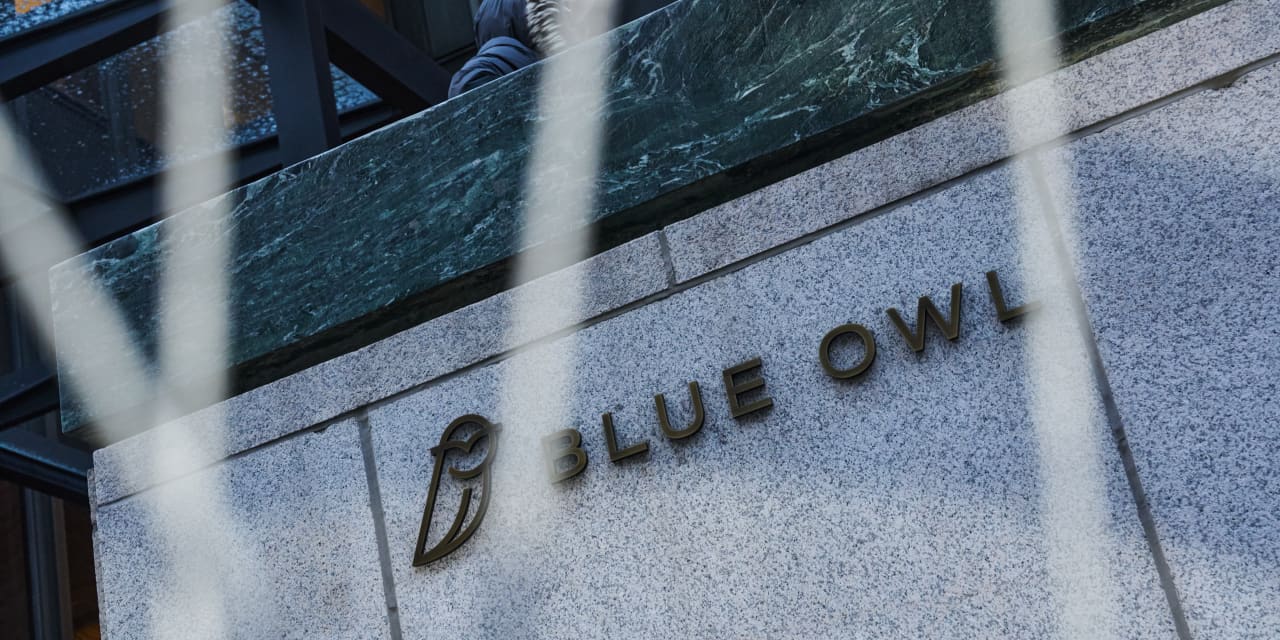
Examining 3 Struggling Financial Companies: Are There Any Updates on Blue Owl, PayPal, or Robinhood?

Financial Sector Fragility: The financial sector remains fragile, impacting the broader market's ability to progress meaningfully.
Recent Performance: On Monday, the financial sector was the worst performer among major sectors, with the State Street Financial Select Sector SPDR ETF experiencing a 3.4% decline, marking its largest drop in nearly 11 months.
Coinbase Shares Decline Even with Prediction of 7x Increase in Stablecoin Revenue During Bitcoin Market Drop
Coinbase's Revenue Potential: Bloomberg Intelligence estimates that Coinbase's stablecoin revenue could increase significantly, potentially by two to seven times, if adoption accelerates and favorable legislation continues.
Impact of Regulation: Concerns have been raised about potential restrictions from Washington that could affect Coinbase's business model, particularly regarding offering stablecoin rewards, which could impact their revenue-sharing agreement with Circle.
Stock Performance: Coinbase's stock (COIN) experienced a decline, dropping nearly 30% this year, with analysts expressing bearish sentiment and adjusting price targets downward amid market pressures.
CEO's Perspective: Coinbase CEO Brian Armstrong suggested that prohibiting stablecoin rewards could ironically make the company more profitable, as they would continue to benefit from their existing revenue-sharing agreements.
Private Credit Stocks Near Key Technical Turning Points After Decline
- Market Overview: Private credit stocks have experienced a significant pullback recently.
- Investment Opportunity: This decline may create a favorable buying opportunity for investors looking to enter the market.
- Potential for Recovery: Analysts suggest that the market could rebound, making these stocks attractive for long-term investment.
- Strategic Considerations: Investors are advised to assess their risk tolerance and market conditions before making investment decisions.
Goldman Sachs Shares Approach Critical Support Level; A Drop May Impact the Market.
- Market Performance: Overall markets have been experiencing volatility, with the S&P 500 struggling to surpass the 7,000 level.
- Weekly Gains: The S&P 500 has not achieved back-to-back weekly gains since the beginning of the year.
Coinbase-Circle Stablecoin Agreement to be Revised Due to GENIUS Act, VanEck Claims ‘We Were Aware’
Proposed Guidance on Stablecoin Issuance: The OCC's proposed guidance on stablecoin issuance aims to formalize existing provisions in the law, limiting each permitted payment stablecoin issuer to a single branded stablecoin.
Revenue-Sharing Agreement: Coinbase's revenue-sharing deal with Circle is due for renewal this year, with Coinbase set to receive 100% of the interest generated on its platform from USDC holdings.
Market Reactions: Coinbase's stock experienced fluctuations, dipping 0.7% in pre-market trading after a previous fall of 1.5%, while retail sentiment around the company remained neutral.
Implications of the GENIUS Act: The GENIUS Act's restrictions on stablecoin rewards could impact third-party issuers, potentially allowing them to bypass the law's intent through alternative arrangements.
Coinbase, Binance, and Kraken Launch Competing Tokenized Stock Offerings to Attract Retail Investors
Launch of Competing Tokenized Stock Products: Coinbase, Binance, and Kraken launched competing tokenized stock products on the same day, intensifying competition in the on-chain equities segment of the cryptocurrency market.
Coinbase's Offerings: Coinbase announced it now offers over 8,000 tokenized stocks through a partnership with Yahoo Finance, allowing trading 24/7, while also reporting a stock price increase following this announcement.
Kraken's New Futures Contracts: Kraken introduced tokenized perpetual futures tied to major indexes and large-cap stocks, starting with 10 contracts that include derivatives tracking gold and major stock indices.
Market Trends and Regulatory Environment: The shift towards tokenized equities is seen as a response to regulatory clarity from the SEC, with expectations that upcoming legislation could boost the adoption of tokenized assets in the market.
Examining 3 Struggling Financial Companies: Are There Any Updates on Blue Owl, PayPal, or Robinhood?
Financial Sector Fragility: The financial sector remains fragile, impacting the broader market's ability to progress meaningfully.
Recent Performance: On Monday, the financial sector was the worst performer among major sectors, with the State Street Financial Select Sector SPDR ETF experiencing a 3.4% decline, marking its largest drop in nearly 11 months.
Coinbase Shares Decline Even with Prediction of 7x Increase in Stablecoin Revenue During Bitcoin Market Drop
Coinbase's Revenue Potential: Bloomberg Intelligence estimates that Coinbase's stablecoin revenue could increase significantly, potentially by two to seven times, if adoption accelerates and favorable legislation continues.
Impact of Regulation: Concerns have been raised about potential restrictions from Washington that could affect Coinbase's business model, particularly regarding offering stablecoin rewards, which could impact their revenue-sharing agreement with Circle.
Stock Performance: Coinbase's stock (COIN) experienced a decline, dropping nearly 30% this year, with analysts expressing bearish sentiment and adjusting price targets downward amid market pressures.
CEO's Perspective: Coinbase CEO Brian Armstrong suggested that prohibiting stablecoin rewards could ironically make the company more profitable, as they would continue to benefit from their existing revenue-sharing agreements.




