Strait of Hormuz Temporary Closure Triggers Market Alerts
Written by Emily J. Thompson, Senior Investment Analyst
Updated: Feb 18 2026
0mins

Source: Benzinga
- Military Drill Impact: Iran's announcement of the temporary closure of the Strait of Hormuz for live-fire drills, a rare display of military force during nuclear negotiations, has triggered immediate alerts for global shipping giants and U.S. defense contractors.
- Oil Price Fluctuations: The closure of a passage that handles 20% of the world's oil has led to Brent crude trading at approximately $67.63 per barrel and West Texas Intermediate near $62.40, with slight increases, yet the market remains uncertain.
- Diplomatic Paradox: Despite escalating military tensions, Iranian Foreign Minister expressed optimism at a U.N. disarmament conference, claiming a
Trade with 70% Backtested Accuracy
Stop guessing "Should I Buy LMT?" and start using high-conviction signals backed by rigorous historical data.
Sign up today to access powerful investing tools and make smarter, data-driven decisions.
Analyst Views on LMT
Wall Street analysts forecast LMT stock price to fall
12 Analyst Rating
4 Buy
7 Hold
1 Sell
Hold
Current: 676.700

Low
430.00
Averages
535.50
High
605.00
Current: 676.700
Low
430.00
Averages
535.50
High
605.00
About LMT
Lockheed Martin Corporation is a global aerospace and defense company. The Company is engaged in the research, design, development, manufacture, integration and sustainment of advanced technology systems, products and services. Its segments include Aeronautics, Missiles and Fire Control (MFC), Rotary and Mission Systems (RMS) and Space. Aeronautics segment is engaged in the research, design, development, manufacture, integration, sustainment, support and upgrade of advanced military aircraft. MFC segment provides air and missile defense systems, manned and unmanned ground vehicles, energy management solutions, and others. RMS segment designs, manufactures, services and supports various military and commercial helicopters, surface ships, sea and land-based missile defense systems, and others. Its Space segment is engaged in the research and design, development, engineering and production of satellites, space transportation systems, and strategic, advanced strike, and defensive systems.
About the author

Emily J. Thompson
Emily J. Thompson, a Chartered Financial Analyst (CFA) with 12 years in investment research, graduated with honors from the Wharton School. Specializing in industrial and technology stocks, she provides in-depth analysis for Intellectia’s earnings and market brief reports.
Analysis of Schwab U.S. Dividend Equity ETF Investment

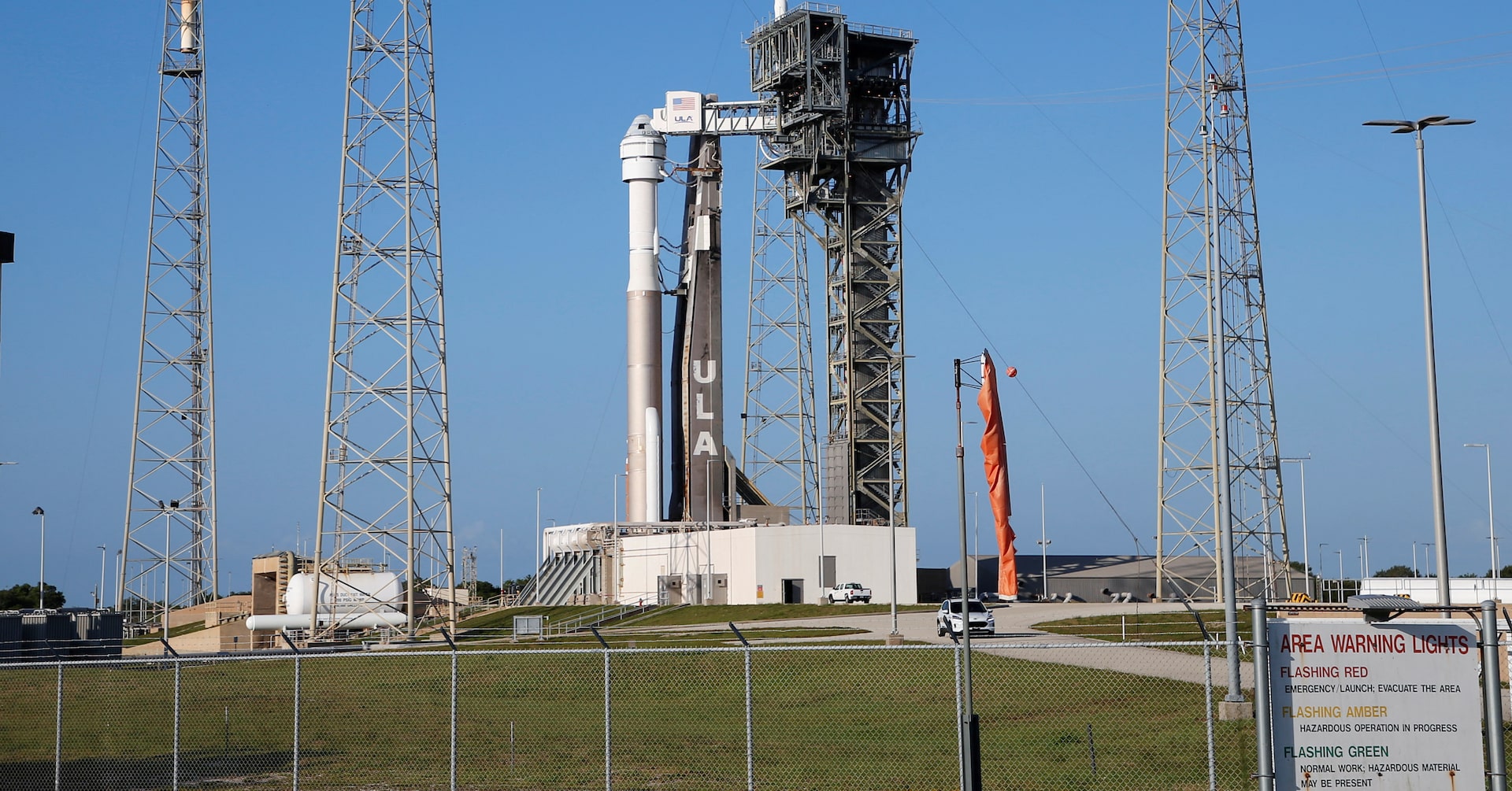
- Dividend Growth Advantage: The Schwab U.S. Dividend Equity ETF focuses on high-quality dividend stocks, with the S&P 500 members historically delivering a 7.7% annualized total return, while dividend-paying companies achieved an average of 9.2%, highlighting the superiority of dividend stocks.
- Quality Holdings Performance: The ETF's top holding, Lockheed Martin (LMT), boasts a 2.1% dividend yield, nearly double that of the S&P 500, and has increased its dividend for 23 consecutive years, demonstrating strong cash flows and ongoing growth potential.
- Income and Value Growth: With an average yield of 3.5% and over 8% annual dividend growth over the past five years, the Schwab U.S. Dividend Equity ETF not only provides investors with a stable cash flow but also enhances asset value through the earnings growth of its holdings.
- Long-Term Return Expectations: Since its inception in 2011, the ETF has achieved an annualized return of 12.88%, and its strategy of combining high-yield dividends with capital appreciation positions it to continue delivering strong total returns in the future, making it a preferred choice for investors.
See More
Trump's Global Tariff Set for Implementation This Week


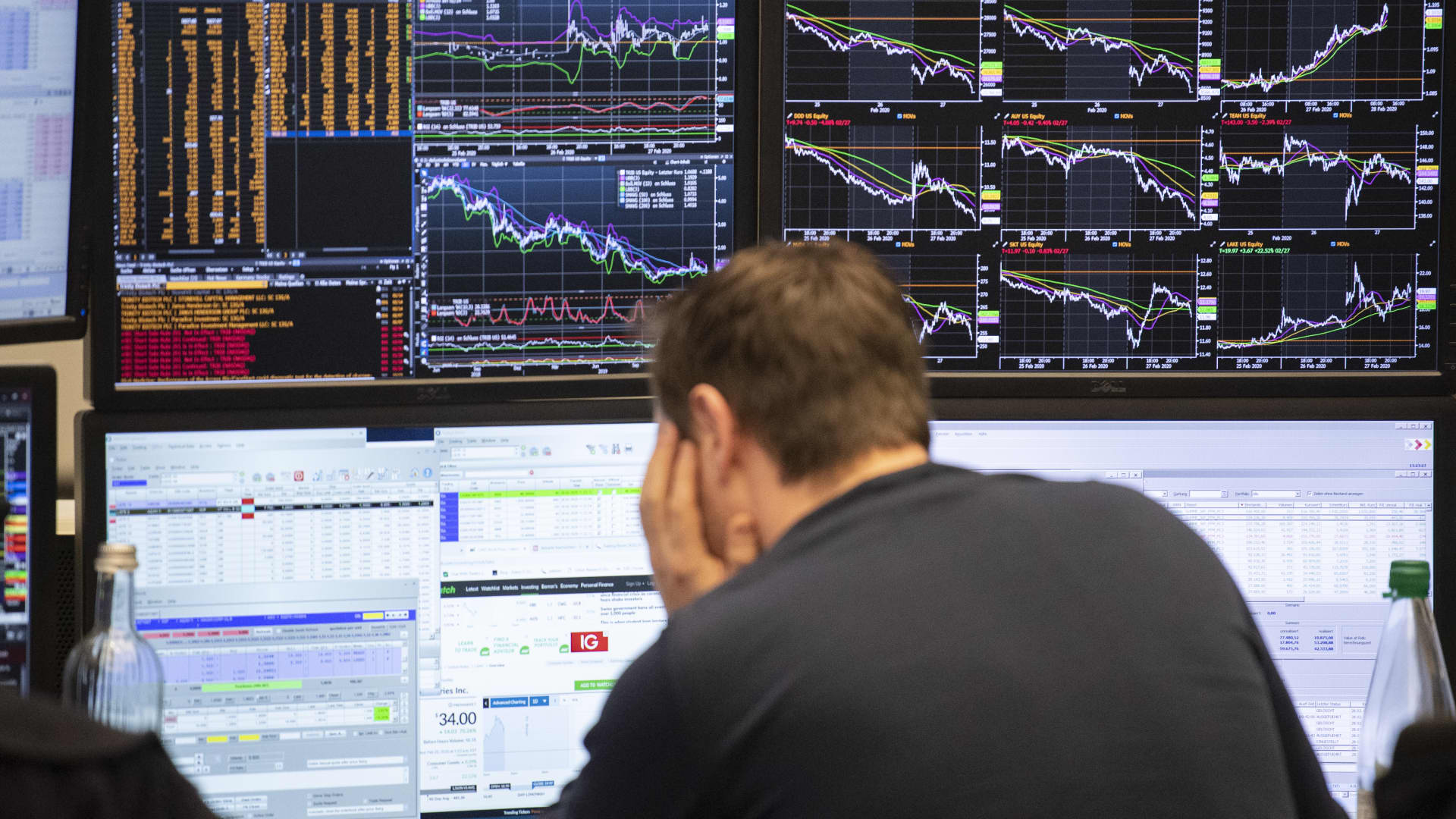
- Market Rebound: Trump's announcement that the U.S. will insure Gulf shipping and escort tankers through the Strait of Hormuz led to a market rebound after significant losses, with the S&P 500 closing down about 1%, well off its session lows of roughly 2.5%, indicating market sensitivity to geopolitical risks.
- Oil Price Impact: The assurances regarding oil trade not only boosted stock prices but also eased crude oil price pressures, highlighting that fluctuations in the oil market could have broader macroeconomic implications that investors need to monitor closely.
- Private Credit Concerns: Blackstone's Jon Gray defended the quality of loans from its main private credit fund, despite allowing investors to withdraw nearly 8% of their investments, which caused Blackstone shares to fall nearly 4%, reflecting growing market concerns about the health of the private credit sector.
- Congressional Hearing Pressure: Commerce Secretary Howard Lutnick voluntarily agreed to testify before the House Oversight Committee regarding his ties to sex offender Jeffrey Epstein, which has drawn bipartisan scrutiny, although he has not been accused of wrongdoing, potentially impacting his political future.
See More
White House to Meet Defense Contractors to Accelerate Weapons Production

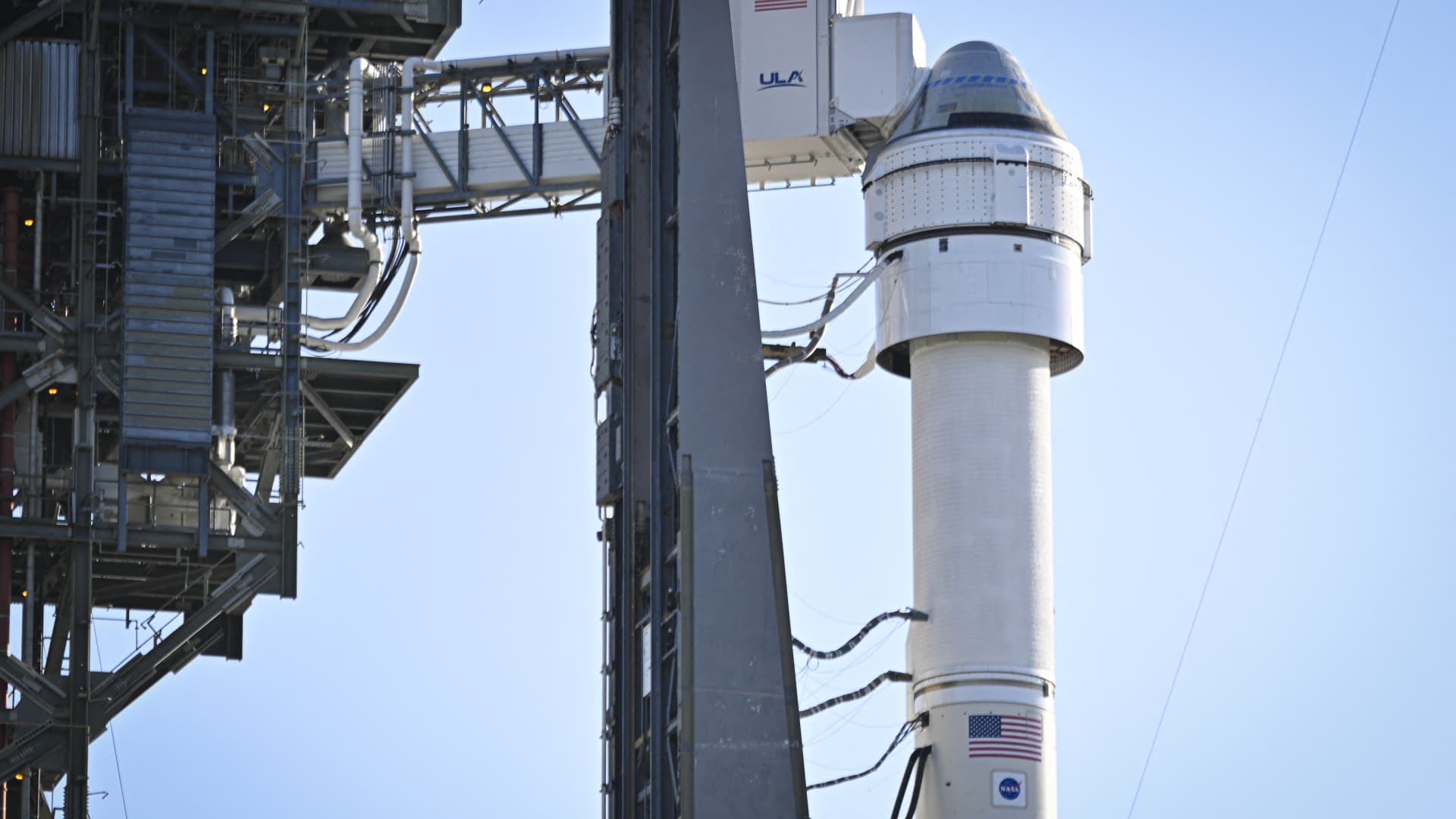
- Accelerating Weapons Production: The White House plans to meet with defense contractor executives on Friday to discuss expediting weapons production amid diminishing stockpiles due to the U.S.-Israel conflict, highlighting the government's commitment to national defense capabilities.
- Financial Commitment: The 2025 reconciliation bill includes $25 billion allocated for munitions procurement and production increases, indicating a strong fiscal commitment from the government to ensure sustained military supply capabilities.
- Production Goals: RTX has secured a deal to ramp up its annual production of Tomahawk missiles to 1,000 units, reflecting the company's strategic decision to meet the rising military demand effectively.
- Supplemental Budget Request: Deputy Defense Secretary Steve Feinberg is working on a supplemental budget request of around $50 billion to replace weapons used in recent conflicts, demonstrating a proactive approach to future military operations and resource allocation.
See More

South Korea's Kospi Records Worst Day Ever with 12% Plunge
- Market Crash: South Korea's Kospi index plummeted 12% on Wednesday, marking its worst day ever, reflecting investor concerns over the global economic outlook, particularly amid escalating Middle East conflicts that could lead to oil price spikes and increased inflation risks.
- US Market Decline: Concurrently, US markets also faced significant declines, with the S&P 500 slipping about 0.94% and the Dow dropping over 1,200 points at one point before closing down 0.83%, indicating a sensitive market reaction to international developments.
- Defense Industry Meeting: Executives from US defense contractors Lockheed Martin and RTX are expected to meet with White House officials on Friday to discuss accelerating weapons production, which could positively impact defense spending and the stock prices of related companies.
- China's Manufacturing Slowdown: China's official manufacturing purchasing managers' index fell to 49 in February, missing economists' forecast of 49.1, indicating a slowdown in manufacturing activity due to production and cargo shipment pauses for the holiday, which may affect global supply chain stability.
See More

Lockheed Martin to Phase Out Claude AI Tools Following Federal Ban
- Government Ban Impact: Lockheed Martin has pledged to phase out Anthropic's Claude AI tools over six months in compliance with President Trump's federal ban, although the company expects minimal impacts and does not rely on any single AI vendor for its operations.
- Legal Authority Questioned: Attorney Franklin Turner noted that firms are already taking steps to cleanse their supply chains, stating that the ban has caused significant harm to the company, while attorney Jason Workmaster described the Pentagon's move as 'highly aggressive' and likely lacking legal authority if challenged.
- Legal Challenge Anticipated: Anthropic has announced plans to challenge the ban in court, with CEO Dario Amodei emphasizing the company's refusal of unrestricted Pentagon use due to concerns over domestic surveillance and autonomous weapons, highlighting the importance of rule of law in capitalism.
- Market Performance Analysis: Lockheed Martin boasts a market capitalization of $153.65 billion, with a 52-week high of $692.00 and a low of $410.11, while its RSI stands at 64.24, indicating strong momentum despite facing policy risks.
See More

OpenAI's Controversial Partnership with the Pentagon


- DoD Partnership Agreement: OpenAI's $200 million contract with the Department of Defense allows its models to be used in non-classified contexts, while the new arrangement enables deployment across classified networks, highlighting the company's significance in government projects.
- Operational Decision Constraints: CEO Sam Altman stated in an all-hands meeting that while the DoD respects OpenAI's technical expertise, operational decisions ultimately rest with the Secretary of Defense, raising employee concerns about the company's direction.
- Competitor Dynamics: Following OpenAI's agreement with the DoD, rival Anthropic was labeled a 'Supply-Chain Risk to National Security' and banned from using its technology, illustrating the intense competition and policy implications within the industry.
- Safety and Collaboration: Altman acknowledged that the partnership with the DoD appeared 'opportunistic and sloppy,' yet emphasized the agency's commitment to safety and willingness to collaborate with OpenAI, indicating potential ethical and security challenges the company may face in the future.
See More
Analysis of Schwab U.S. Dividend Equity ETF Investment
- Dividend Growth Advantage: The Schwab U.S. Dividend Equity ETF focuses on high-quality dividend stocks, with the S&P 500 members historically delivering a 7.7% annualized total return, while dividend-paying companies achieved an average of 9.2%, highlighting the superiority of dividend stocks.
- Quality Holdings Performance: The ETF's top holding, Lockheed Martin (LMT), boasts a 2.1% dividend yield, nearly double that of the S&P 500, and has increased its dividend for 23 consecutive years, demonstrating strong cash flows and ongoing growth potential.
- Income and Value Growth: With an average yield of 3.5% and over 8% annual dividend growth over the past five years, the Schwab U.S. Dividend Equity ETF not only provides investors with a stable cash flow but also enhances asset value through the earnings growth of its holdings.
- Long-Term Return Expectations: Since its inception in 2011, the ETF has achieved an annualized return of 12.88%, and its strategy of combining high-yield dividends with capital appreciation positions it to continue delivering strong total returns in the future, making it a preferred choice for investors.
See More
Trump's Global Tariff Set for Implementation This Week
- Market Rebound: Trump's announcement that the U.S. will insure Gulf shipping and escort tankers through the Strait of Hormuz led to a market rebound after significant losses, with the S&P 500 closing down about 1%, well off its session lows of roughly 2.5%, indicating market sensitivity to geopolitical risks.
- Oil Price Impact: The assurances regarding oil trade not only boosted stock prices but also eased crude oil price pressures, highlighting that fluctuations in the oil market could have broader macroeconomic implications that investors need to monitor closely.
- Private Credit Concerns: Blackstone's Jon Gray defended the quality of loans from its main private credit fund, despite allowing investors to withdraw nearly 8% of their investments, which caused Blackstone shares to fall nearly 4%, reflecting growing market concerns about the health of the private credit sector.
- Congressional Hearing Pressure: Commerce Secretary Howard Lutnick voluntarily agreed to testify before the House Oversight Committee regarding his ties to sex offender Jeffrey Epstein, which has drawn bipartisan scrutiny, although he has not been accused of wrongdoing, potentially impacting his political future.
See More
White House to Meet Defense Contractors to Accelerate Weapons Production
- Accelerating Weapons Production: The White House plans to meet with defense contractor executives on Friday to discuss expediting weapons production amid diminishing stockpiles due to the U.S.-Israel conflict, highlighting the government's commitment to national defense capabilities.
- Financial Commitment: The 2025 reconciliation bill includes $25 billion allocated for munitions procurement and production increases, indicating a strong fiscal commitment from the government to ensure sustained military supply capabilities.
- Production Goals: RTX has secured a deal to ramp up its annual production of Tomahawk missiles to 1,000 units, reflecting the company's strategic decision to meet the rising military demand effectively.
- Supplemental Budget Request: Deputy Defense Secretary Steve Feinberg is working on a supplemental budget request of around $50 billion to replace weapons used in recent conflicts, demonstrating a proactive approach to future military operations and resource allocation.
See More
South Korea's Kospi Records Worst Day Ever with 12% Plunge
- Market Crash: South Korea's Kospi index plummeted 12% on Wednesday, marking its worst day ever, reflecting investor concerns over the global economic outlook, particularly amid escalating Middle East conflicts that could lead to oil price spikes and increased inflation risks.
- US Market Decline: Concurrently, US markets also faced significant declines, with the S&P 500 slipping about 0.94% and the Dow dropping over 1,200 points at one point before closing down 0.83%, indicating a sensitive market reaction to international developments.
- Defense Industry Meeting: Executives from US defense contractors Lockheed Martin and RTX are expected to meet with White House officials on Friday to discuss accelerating weapons production, which could positively impact defense spending and the stock prices of related companies.
- China's Manufacturing Slowdown: China's official manufacturing purchasing managers' index fell to 49 in February, missing economists' forecast of 49.1, indicating a slowdown in manufacturing activity due to production and cargo shipment pauses for the holiday, which may affect global supply chain stability.
See More
Lockheed Martin to Phase Out Claude AI Tools Following Federal Ban
- Government Ban Impact: Lockheed Martin has pledged to phase out Anthropic's Claude AI tools over six months in compliance with President Trump's federal ban, although the company expects minimal impacts and does not rely on any single AI vendor for its operations.
- Legal Authority Questioned: Attorney Franklin Turner noted that firms are already taking steps to cleanse their supply chains, stating that the ban has caused significant harm to the company, while attorney Jason Workmaster described the Pentagon's move as 'highly aggressive' and likely lacking legal authority if challenged.
- Legal Challenge Anticipated: Anthropic has announced plans to challenge the ban in court, with CEO Dario Amodei emphasizing the company's refusal of unrestricted Pentagon use due to concerns over domestic surveillance and autonomous weapons, highlighting the importance of rule of law in capitalism.
- Market Performance Analysis: Lockheed Martin boasts a market capitalization of $153.65 billion, with a 52-week high of $692.00 and a low of $410.11, while its RSI stands at 64.24, indicating strong momentum despite facing policy risks.
See More
OpenAI's Controversial Partnership with the Pentagon
- DoD Partnership Agreement: OpenAI's $200 million contract with the Department of Defense allows its models to be used in non-classified contexts, while the new arrangement enables deployment across classified networks, highlighting the company's significance in government projects.
- Operational Decision Constraints: CEO Sam Altman stated in an all-hands meeting that while the DoD respects OpenAI's technical expertise, operational decisions ultimately rest with the Secretary of Defense, raising employee concerns about the company's direction.
- Competitor Dynamics: Following OpenAI's agreement with the DoD, rival Anthropic was labeled a 'Supply-Chain Risk to National Security' and banned from using its technology, illustrating the intense competition and policy implications within the industry.
- Safety and Collaboration: Altman acknowledged that the partnership with the DoD appeared 'opportunistic and sloppy,' yet emphasized the agency's commitment to safety and willingness to collaborate with OpenAI, indicating potential ethical and security challenges the company may face in the future.
See More