South Korea's Lee seeks to boost U.S. shipbuilding for competitive trade benefits

South Korea's Economic Ties with the U.S.: President Lee Jae Myung's visit to the U.S. resulted in significant announcements, including a record purchase of 103 Boeing airplanes and a commitment of $150 billion for U.S. shipbuilding investments.
Investment Commitment: South Korea plans to invest a total of $350 billion in U.S. projects, aiming to strengthen economic relations and enhance mutual prosperity, particularly in the shipbuilding sector.
Trade Agreements: During the visit, 11 non-binding agreements were signed between U.S. and South Korean companies, alongside Trump's agreement to reduce tariffs on South Korean imports from 25% to 15%.
Industry Developments: The acquisition of a Philadelphia shipyard by Hanwha Group and workforce development initiatives were highlighted as part of efforts to revitalize the U.S. shipbuilding industry and foster collaboration.
Trade with 70% Backtested Accuracy
Analyst Views on EWY
About the author


The AI Market Thrives in Industrial Sectors, Small-Cap Companies, and Asia


Current State of AI Trade: The AI trade is experiencing fluctuations, with some sectors showing growth while others face challenges, leading to debates about its viability.
Market Dynamics: Factors such as technological advancements, regulatory changes, and competition are influencing the AI market, impacting investment and development strategies.
Future Prospects: Experts are divided on the future of AI trade, with some predicting a resurgence driven by innovation, while others caution about potential market saturation.
Investment Trends: There is a noticeable shift in investment patterns, with a focus on sustainable and ethical AI solutions, reflecting changing consumer and regulatory expectations.
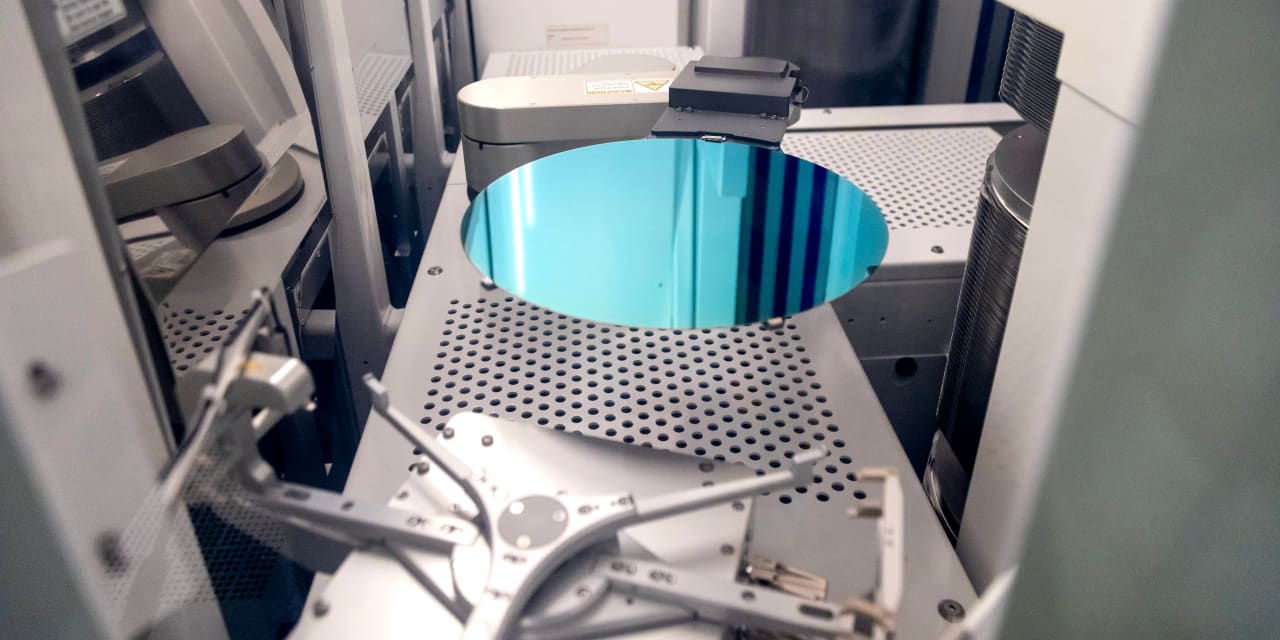
Micron Shares Benefit from AI Boom, But Memory Market Risks Loom.

AI Growth Boosts Memory-Chip Makers: Companies like Micron Technology, SK Hynix, and Samsung Electronics are experiencing significant growth due to increased demand for memory chips driven by artificial intelligence advancements.
Risk of Market Overproduction: The history of the memory-chip industry suggests that rapid production increases could lead to an oversupply, potentially resulting in a market crash.
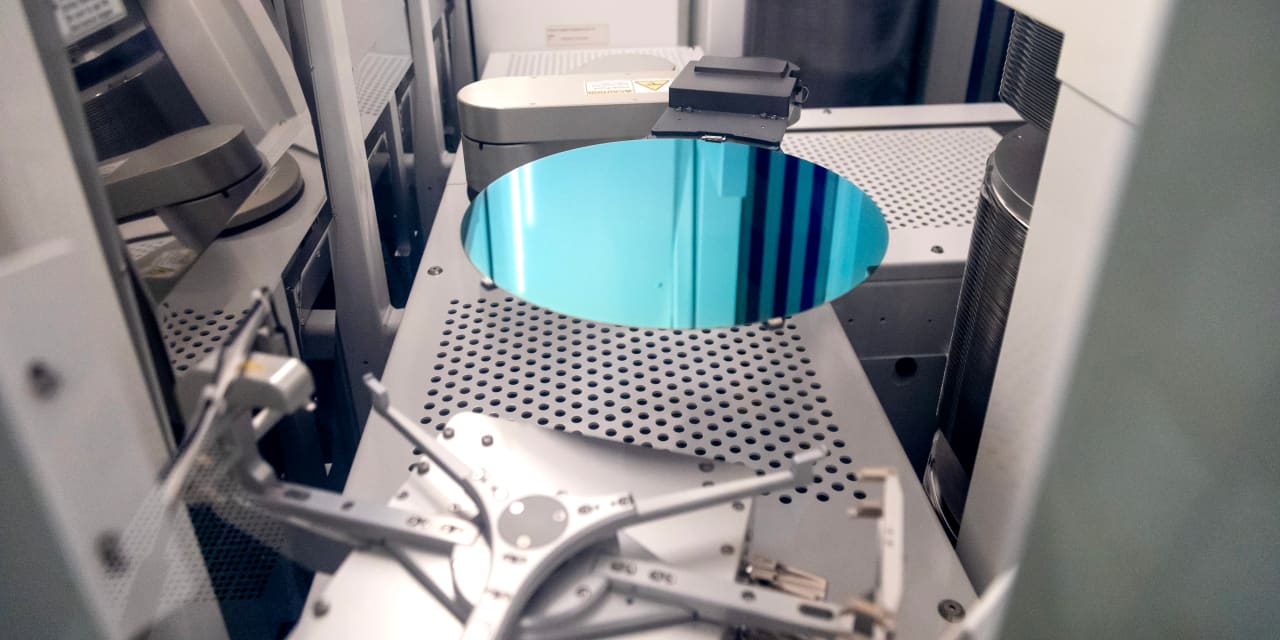
Micron and Its Memory-Chip Competitors Benefit from AI Boom: Potential Risks Ahead.
AI Growth Boosts Memory-Chip Makers: Companies like Micron Technology, SK Hynix, and Samsung Electronics are experiencing significant growth due to increased demand for memory chips driven by artificial intelligence advancements.
Risk of Market Overproduction: The history of the memory-chip industry suggests that rapid production increases could lead to an oversupply, potentially resulting in a market crash.

ISHARES MSCI SOUTH KOREA ETF RISES 3.2% FOLLOWING SUPREME COURT DECISION AGAINST TRUMP'S GLOBAL TARIFFS

South Korea's Economic Performance: South Korea's economy has shown gains, with a reported increase of 3.2% following a Supreme Court ruling against Trump's global tariffs.
Impact of Supreme Court Ruling: The Supreme Court's decision has positively influenced South Korea's economic outlook, contributing to the recent growth in the country's economic indicators.

David Tepper's Appaloosa Divests Alibaba and Acquires Micron and Alphabet in Portfolio Reorganization

- Hedge Fund Activity: Appaloosa, led by billionaire David Tepper, made significant changes to its tech portfolio in Q4 2025.
- Increased Investments: The fund increased its investments in Micron and Alphabet.
- Reduced Holdings: Appaloosa reduced its stakes in AMD, Alibaba, and Uber.
- Market Strategy: These adjustments reflect the fund's strategic approach to navigating the tech sector.
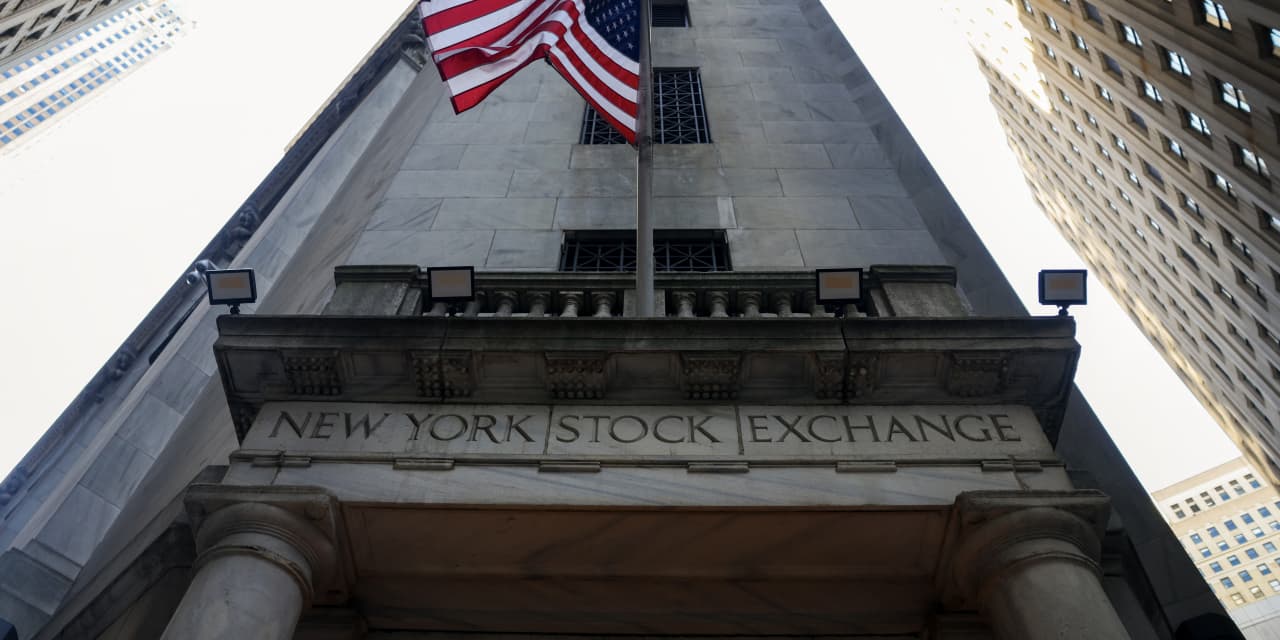
Market Shift Sheds Light on AI Challenges: Reasons Behind Stock Struggles and 5 Key Updates for Today.


- S&P 500 Performance: The S&P 500 has been struggling to surpass the 7000 point mark.
- Historical Threshold: This round-number challenge has persisted since the index first tested this level in late October.
The AI Market Thrives in Industrial Sectors, Small-Cap Companies, and Asia
Current State of AI Trade: The AI trade is experiencing fluctuations, with some sectors showing growth while others face challenges, leading to debates about its viability.
Market Dynamics: Factors such as technological advancements, regulatory changes, and competition are influencing the AI market, impacting investment and development strategies.
Future Prospects: Experts are divided on the future of AI trade, with some predicting a resurgence driven by innovation, while others caution about potential market saturation.
Investment Trends: There is a noticeable shift in investment patterns, with a focus on sustainable and ethical AI solutions, reflecting changing consumer and regulatory expectations.
Micron Shares Benefit from AI Boom, But Memory Market Risks Loom.
AI Growth Boosts Memory-Chip Makers: Companies like Micron Technology, SK Hynix, and Samsung Electronics are experiencing significant growth due to increased demand for memory chips driven by artificial intelligence advancements.
Risk of Market Overproduction: The history of the memory-chip industry suggests that rapid production increases could lead to an oversupply, potentially resulting in a market crash.
Micron and Its Memory-Chip Competitors Benefit from AI Boom: Potential Risks Ahead.
AI Growth Boosts Memory-Chip Makers: Companies like Micron Technology, SK Hynix, and Samsung Electronics are experiencing significant growth due to increased demand for memory chips driven by artificial intelligence advancements.
Risk of Market Overproduction: The history of the memory-chip industry suggests that rapid production increases could lead to an oversupply, potentially resulting in a market crash.
ISHARES MSCI SOUTH KOREA ETF RISES 3.2% FOLLOWING SUPREME COURT DECISION AGAINST TRUMP'S GLOBAL TARIFFS
South Korea's Economic Performance: South Korea's economy has shown gains, with a reported increase of 3.2% following a Supreme Court ruling against Trump's global tariffs.
Impact of Supreme Court Ruling: The Supreme Court's decision has positively influenced South Korea's economic outlook, contributing to the recent growth in the country's economic indicators.
David Tepper's Appaloosa Divests Alibaba and Acquires Micron and Alphabet in Portfolio Reorganization
- Hedge Fund Activity: Appaloosa, led by billionaire David Tepper, made significant changes to its tech portfolio in Q4 2025.
- Increased Investments: The fund increased its investments in Micron and Alphabet.
- Reduced Holdings: Appaloosa reduced its stakes in AMD, Alibaba, and Uber.
- Market Strategy: These adjustments reflect the fund's strategic approach to navigating the tech sector.
Market Shift Sheds Light on AI Challenges: Reasons Behind Stock Struggles and 5 Key Updates for Today.
- S&P 500 Performance: The S&P 500 has been struggling to surpass the 7000 point mark.
- Historical Threshold: This round-number challenge has persisted since the index first tested this level in late October.