Significant Options Activity on Wednesday: CRK, AA, UNH
Alcoa Corporation Options Activity: Alcoa Corporation (AA) has seen a significant options volume of 57,161 contracts today, equating to about 5.7 million underlying shares, which is 97.3% of its average daily trading volume over the past month.
High Volume Put Option: The $37.50 strike put option for Alcoa, expiring on December 5, 2025, has particularly high activity with 18,719 contracts traded, representing approximately 1.9 million underlying shares.
UnitedHealth Group Options Activity: UnitedHealth Group Inc (UNH) has recorded an options volume of 79,689 contracts today, representing around 8.0 million underlying shares, or 88.9% of its average daily trading volume over the past month.
High Volume Call Option: The $330 strike call option for UnitedHealth, expiring on November 28, 2025, has seen notable trading with 4,588 contracts exchanged, corresponding to about 458,800 underlying shares.
Trade with 70% Backtested Accuracy
Analyst Views on UNH

About UNH
About the author


UnitedHealth Group Faces Significant Challenges Amid Rising Costs

- Rising Medical Care Ratio: UnitedHealth Group's medical care ratio reached 89.1% in 2025, up from 85.5% in 2024, indicating increasing pressure on the company's ability to manage medical expenses, which could adversely affect profitability.
- Significant Stock Decline: Over the past 12 months, UnitedHealth's stock has fallen by 37%, dropping from a 52-week high of $606 to around $293, reflecting market concerns about its future growth amid rising costs and billing investigations.
- Investor Confidence Eroding: Although the company offers a 3% above-average dividend yield, the uncertainty surrounding its business prospects has weakened investor confidence in the dividend, potentially leading to capital outflows and further stock price declines.
- Uncertain Future Growth: The future growth of UnitedHealth Group hinges on its ability to effectively reduce the medical care ratio; without significant improvement, investor skepticism regarding its profit growth potential may increase.

UnitedHealth Plans to Sell Securities Amid Revenue Decline
- Securities Sale Plan: UnitedHealth (UNH) announced plans to sell a range of securities through a 'shelf' process, including debt, preferred stock, and common stock, which is expected to significantly impact its financing structure.
- Clear Use of Proceeds: The company stated that the proceeds from the offerings will be used for debt refinancing, stock buybacks, acquisitions, and other general corporate purposes, demonstrating a proactive approach to financial management.
- Revenue Decline Outlook: UnitedHealth projects its first annual revenue decline in decades, with cash and cash equivalents at $24.4 billion as of December 31, 2025, indicating a ~4% year-over-year drop, reflecting challenges in the market environment.
- Negative Market Reaction: Following four consecutive sessions of gains, UnitedHealth's stock slipped approximately 2% in premarket trading, indicating investor concerns regarding the company's future financial health.

Surge in Options Volume for UnitedHealth Group and Cheniere Energy
- UnitedHealth Options Activity: Today, UnitedHealth Group (UNH) options volume reached 49,795 contracts, equivalent to approximately 5 million shares, representing 53.4% of its average daily trading volume over the past month, indicating strong investor interest in the stock.
- High Volume Insights: Within UNH, the $300 strike call option has seen particularly high activity, with 6,540 contracts traded today, representing about 654,000 shares, reflecting market expectations for future price increases.
- Cheniere Energy Options Dynamics: Concurrently, Cheniere Energy (LNG) options also showed robust activity, with a volume of 9,939 contracts, equivalent to approximately 993,900 shares, also accounting for 53.4% of its average daily trading volume over the past month, highlighting market attention on the company.
- Put Option Trading: For LNG, the $240 strike put option has recorded a trading volume of 2,087 contracts, representing about 208,700 shares, indicating a cautious stance among investors regarding potential future price declines.

UnitedHealth Group Stock Faces Significant Decline Amid Rising Costs
- Stock Decline: UnitedHealth Group's stock has fallen by 37% over the past year, dropping from a 52-week high of $606 to around $293, indicating market concerns about its future profitability.
- Rising Medical Care Ratio: The medical care ratio reached 89.1% in 2025, up from 85.5% in 2024, highlighting the company's challenges in controlling costs, which could impact its profit growth outlook.
- Investigations Impact: The company is facing investigations into its billing practices, which may negatively affect future growth and increase uncertainty for investors, putting pressure on the stock price.
- Dividend Attractiveness Declining: Although the stock offers a 3% dividend yield, investor confidence in the dividend may wane if the underlying business performance falters, prompting a more cautious investment approach.
Analysis of Significant Stock Movements


- AeroVironment Stock Decline: AeroVironment shares fell approximately 20% after Raymond James downgraded its rating from strong buy to underperform, losing exclusivity on a $1.4 billion contract with the U.S. Space Force, which could negatively impact future revenues.
- Palantir Sales Surge: Palantir's stock rose 6%, making it the biggest gainer in the S&P 500, with U.S. government revenue accounting for 41% of its sales in Q4, reflecting a 66% year-over-year increase, indicating potential growth from increased defense spending.
- Norwegian Cruise Line Earnings Guidance Cut: Norwegian Cruise Line shares dropped 10% due to weaker-than-expected earnings guidance for 2026, projecting earnings per share at $2.38, below the FactSet estimate of $2.57, raising concerns about its future profitability.
- AES Acquisition Announcement: AES shares plunged 17% after a consortium led by BlackRock announced plans to acquire the company for nearly $11 billion, offering shareholders $15 per share in cash, with the deal expected to close in late 2026 or early 2027.

Defense Stocks Rise After U.S.-Israeli Strikes on Iran


- Defense Stocks Surge: Following the joint U.S.-Israeli attack on Iran, defense stocks collectively rose, with Lockheed Martin shares gaining 6%, Northrop Grumman up 5%, and drone manufacturer AeroVironment soaring over 10%, indicating strong market optimism regarding defense spending.
- Oil Prices Spike: The escalation of conflict has led to a significant rise in oil prices, with Brent crude hitting a 52-week high of over $78 on Monday, causing Exxon Mobil and Chevron shares to rise about 4% and ConocoPhillips to gain over 5%, reflecting market concerns over potential disruptions to global crude production and transport.
- Tankers Stocks Perform Well: In response to the military strikes in the Middle East, tanker stocks surged, with Frontline rising over 5%, DHT Holdings up 7%, and International Seaways increasing by 6%, showcasing heightened expectations for tanker transportation demand.
- Travel Stocks Decline: The conflict has caused oil prices to surge, disrupting global travel, leading to declines in travel stocks, with Expedia and Booking Holdings down 3.2% and 2.7%, respectively, Delta Air Lines falling 5.7%, and American Airlines and United Airlines dropping at least 6%, reflecting a pessimistic outlook for the travel industry.
UnitedHealth Group Faces Significant Challenges Amid Rising Costs
- Rising Medical Care Ratio: UnitedHealth Group's medical care ratio reached 89.1% in 2025, up from 85.5% in 2024, indicating increasing pressure on the company's ability to manage medical expenses, which could adversely affect profitability.
- Significant Stock Decline: Over the past 12 months, UnitedHealth's stock has fallen by 37%, dropping from a 52-week high of $606 to around $293, reflecting market concerns about its future growth amid rising costs and billing investigations.
- Investor Confidence Eroding: Although the company offers a 3% above-average dividend yield, the uncertainty surrounding its business prospects has weakened investor confidence in the dividend, potentially leading to capital outflows and further stock price declines.
- Uncertain Future Growth: The future growth of UnitedHealth Group hinges on its ability to effectively reduce the medical care ratio; without significant improvement, investor skepticism regarding its profit growth potential may increase.
UnitedHealth Plans to Sell Securities Amid Revenue Decline
- Securities Sale Plan: UnitedHealth (UNH) announced plans to sell a range of securities through a 'shelf' process, including debt, preferred stock, and common stock, which is expected to significantly impact its financing structure.
- Clear Use of Proceeds: The company stated that the proceeds from the offerings will be used for debt refinancing, stock buybacks, acquisitions, and other general corporate purposes, demonstrating a proactive approach to financial management.
- Revenue Decline Outlook: UnitedHealth projects its first annual revenue decline in decades, with cash and cash equivalents at $24.4 billion as of December 31, 2025, indicating a ~4% year-over-year drop, reflecting challenges in the market environment.
- Negative Market Reaction: Following four consecutive sessions of gains, UnitedHealth's stock slipped approximately 2% in premarket trading, indicating investor concerns regarding the company's future financial health.
Surge in Options Volume for UnitedHealth Group and Cheniere Energy
- UnitedHealth Options Activity: Today, UnitedHealth Group (UNH) options volume reached 49,795 contracts, equivalent to approximately 5 million shares, representing 53.4% of its average daily trading volume over the past month, indicating strong investor interest in the stock.
- High Volume Insights: Within UNH, the $300 strike call option has seen particularly high activity, with 6,540 contracts traded today, representing about 654,000 shares, reflecting market expectations for future price increases.
- Cheniere Energy Options Dynamics: Concurrently, Cheniere Energy (LNG) options also showed robust activity, with a volume of 9,939 contracts, equivalent to approximately 993,900 shares, also accounting for 53.4% of its average daily trading volume over the past month, highlighting market attention on the company.
- Put Option Trading: For LNG, the $240 strike put option has recorded a trading volume of 2,087 contracts, representing about 208,700 shares, indicating a cautious stance among investors regarding potential future price declines.
UnitedHealth Group Stock Faces Significant Decline Amid Rising Costs
- Stock Decline: UnitedHealth Group's stock has fallen by 37% over the past year, dropping from a 52-week high of $606 to around $293, indicating market concerns about its future profitability.
- Rising Medical Care Ratio: The medical care ratio reached 89.1% in 2025, up from 85.5% in 2024, highlighting the company's challenges in controlling costs, which could impact its profit growth outlook.
- Investigations Impact: The company is facing investigations into its billing practices, which may negatively affect future growth and increase uncertainty for investors, putting pressure on the stock price.
- Dividend Attractiveness Declining: Although the stock offers a 3% dividend yield, investor confidence in the dividend may wane if the underlying business performance falters, prompting a more cautious investment approach.
Analysis of Significant Stock Movements
- AeroVironment Stock Decline: AeroVironment shares fell approximately 20% after Raymond James downgraded its rating from strong buy to underperform, losing exclusivity on a $1.4 billion contract with the U.S. Space Force, which could negatively impact future revenues.
- Palantir Sales Surge: Palantir's stock rose 6%, making it the biggest gainer in the S&P 500, with U.S. government revenue accounting for 41% of its sales in Q4, reflecting a 66% year-over-year increase, indicating potential growth from increased defense spending.
- Norwegian Cruise Line Earnings Guidance Cut: Norwegian Cruise Line shares dropped 10% due to weaker-than-expected earnings guidance for 2026, projecting earnings per share at $2.38, below the FactSet estimate of $2.57, raising concerns about its future profitability.
- AES Acquisition Announcement: AES shares plunged 17% after a consortium led by BlackRock announced plans to acquire the company for nearly $11 billion, offering shareholders $15 per share in cash, with the deal expected to close in late 2026 or early 2027.
Defense Stocks Rise After U.S.-Israeli Strikes on Iran
- Defense Stocks Surge: Following the joint U.S.-Israeli attack on Iran, defense stocks collectively rose, with Lockheed Martin shares gaining 6%, Northrop Grumman up 5%, and drone manufacturer AeroVironment soaring over 10%, indicating strong market optimism regarding defense spending.
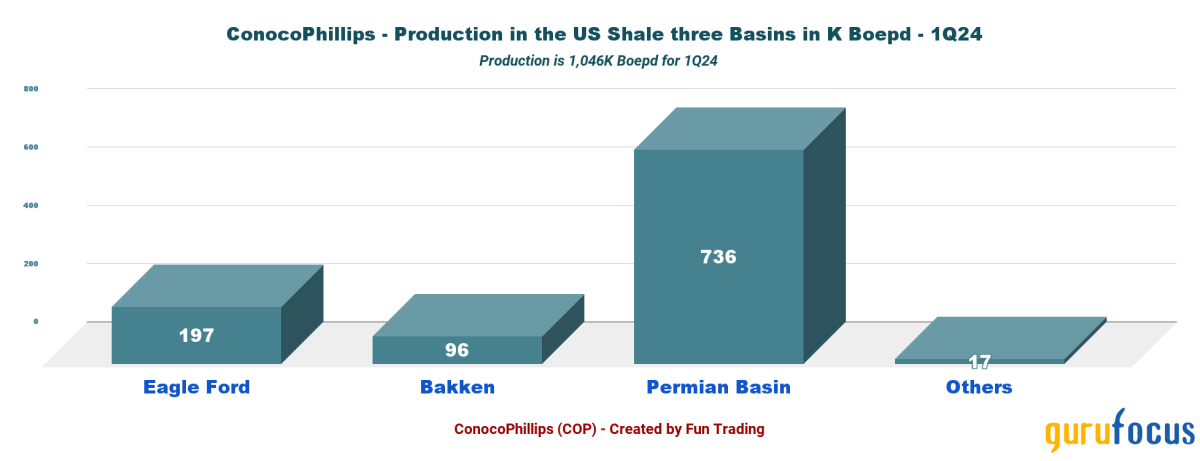
- Oil Prices Spike: The escalation of conflict has led to a significant rise in oil prices, with Brent crude hitting a 52-week high of over $78 on Monday, causing Exxon Mobil and Chevron shares to rise about 4% and ConocoPhillips to gain over 5%, reflecting market concerns over potential disruptions to global crude production and transport.
- Tankers Stocks Perform Well: In response to the military strikes in the Middle East, tanker stocks surged, with Frontline rising over 5%, DHT Holdings up 7%, and International Seaways increasing by 6%, showcasing heightened expectations for tanker transportation demand.
- Travel Stocks Decline: The conflict has caused oil prices to surge, disrupting global travel, leading to declines in travel stocks, with Expedia and Booking Holdings down 3.2% and 2.7%, respectively, Delta Air Lines falling 5.7%, and American Airlines and United Airlines dropping at least 6%, reflecting a pessimistic outlook for the travel industry.