

SCHD, SEA: Big ETF Inflows


ETF Inflows: The SEA ETF experienced the largest increase in inflows, adding 125,000 units, which represents a 35.7% rise in outstanding units.
Author's Opinion Disclaimer: The views expressed in the article are those of the author and do not necessarily reflect the opinions of Nasdaq, Inc.
Trade with 70% Backtested Accuracy
Analyst Views on ABBV

About ABBV
About the author


ABBVIE: RISANKIZUMAB SC INDUCTION DEMONSTRATES A SAFETY PROFILE CONSISTENT WITH PREVIOUS FINDINGS IN CROHN'S DISEASE

- Safety Profile: The safety profile of Risankizumab is consistent with its known profile in Crohn's disease.
- Clinical Relevance: The findings reinforce the drug's established safety and efficacy in treating the condition.
Xiaomi Trials Humanoid Robots to Boost Productivity

- Productivity Enhancement: Xiaomi is trialing humanoid robots in its electric vehicle production lines, with two robots completing 90% of tasks in three hours, significantly boosting efficiency and indicating the company's proactive exploration of automation.
- Technical Challenges Addressed: The company's president noted that the robots must keep pace with a new car rolling off the assembly line every 76 seconds, demonstrating Xiaomi's commitment and challenges in integrating robotic technology into production processes.
- Future Outlook: Xiaomi plans to enable humanoid robots to replace certain human tasks and accomplish work traditionally beyond human capability, signaling the company's long-term strategy in smart manufacturing.
- Market Potential: Analysts forecast a global humanoid robot market of $9 trillion by 2050, with China accounting for over 60%, highlighting Xiaomi's strategic foresight in this rapidly growing market.

Three Key Sectors to Monitor While the S&P 500 Moves Sideways


Geopolitical Concerns: Ongoing geopolitical issues, including tensions related to Iran and international trade, are impacting market sentiment.
Tech Sector Pressures: The tech sector is facing challenges, particularly due to concerns surrounding artificial intelligence.
Investor Behavior: Instead of withdrawing from equities, investors are shifting their focus within the market.
Market Opportunities: This rotation in investment strategy is creating new pockets of opportunity for investors.
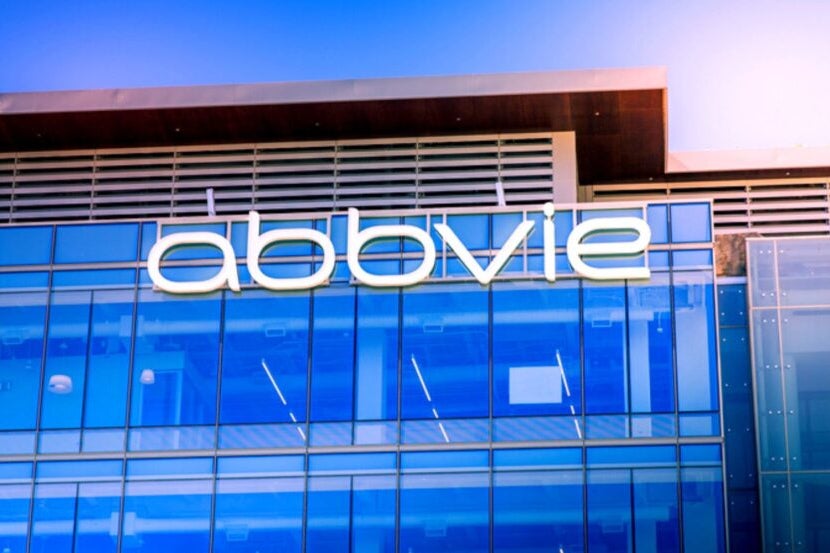
AbbVie: A Strong Dividend Investment Choice
- Dividend Yield Advantage: AbbVie offers a dividend yield of 2.9%, significantly higher than the S&P 500's 1.1%, making it an attractive choice for long-term investors seeking steady cash flow for their portfolios.
- Consistent Dividend Growth: Since its inception in 2013, AbbVie has increased its dividend by over 330%, which not only boosts investor confidence but also indicates the company's capability to combat inflation effectively.
- Strong Cash Flow: Despite a payout ratio exceeding 100%, AbbVie reported a free cash flow of $17.8 billion last year, far surpassing the $11.7 billion paid in dividends, demonstrating its robust financial health.
- Diverse Growth Opportunities: AbbVie has a rich product portfolio across oncology, neuroscience, aesthetics, eye care, and immunology, with projected net revenue of $61.2 billion by 2025, showcasing its strong growth potential.
AbbVie Increases Dividend by Over 330% Since IPO
- Significant Dividend Growth: AbbVie has increased its dividend by over 330% since its IPO in 2013, currently offering a yield of 2.9%, which is substantially higher than the S&P 500 average of 1.1%, indicating the company's stability and growth potential in dividend payments.
- Strong Cash Flow Support: Last year, AbbVie generated $17.8 billion in free cash flow, significantly exceeding its $11.7 billion in dividend payments, which, despite a payout ratio over 100%, demonstrates robust cash flow capabilities for sustaining dividends.
- Diverse Growth Opportunities: AbbVie has a rich product portfolio across oncology, neuroscience, aesthetics, eye care, and immunology, with projected net revenue of $61.2 billion and a growth rate of 9% by 2025, showcasing its ability to continuously develop new drugs and acquire companies.
- Enhanced Investor Confidence: Although AbbVie was not included in the current top investment stocks identified by analysts, its stable dividend and strong growth prospects make it an ideal choice for long-term investors, providing a reliable cash flow for their portfolios.

AbbVie Reports Promising Phase 3 Results for Crohn's Disease Treatment

- Clinical Trial Results: AbbVie's AFFIRM study revealed that 55% of Crohn's disease patients treated with risankizumab achieved clinical remission at week 12, compared to only 30% in the placebo group, indicating the drug's potential in treating refractory patients.
- Significant Endoscopic Response: The study found that 44% of patients experienced an endoscopic response, significantly higher than the 14% in the placebo group, reinforcing risankizumab's position as a leading treatment option for Crohn's disease.
- Market Competition Analysis: William Blair noted that the positive results are strategically important for Skyrizi's competitive positioning against Johnson & Johnson's Tremfya, as AbbVie now has the opportunity to pursue a fully subcutaneous Skyrizi induction regimen, narrowing the convenience gap with Tremfya.
- Stock Performance Analysis: AbbVie shares were trading at $232.82, 4.5% above its 20-day simple moving average, indicating a strong upward trend, although the RSI and MACD suggest potential short-term headwinds.
ABBVIE: RISANKIZUMAB SC INDUCTION DEMONSTRATES A SAFETY PROFILE CONSISTENT WITH PREVIOUS FINDINGS IN CROHN'S DISEASE
- Safety Profile: The safety profile of Risankizumab is consistent with its known profile in Crohn's disease.
- Clinical Relevance: The findings reinforce the drug's established safety and efficacy in treating the condition.
Xiaomi Trials Humanoid Robots to Boost Productivity
- Productivity Enhancement: Xiaomi is trialing humanoid robots in its electric vehicle production lines, with two robots completing 90% of tasks in three hours, significantly boosting efficiency and indicating the company's proactive exploration of automation.
- Technical Challenges Addressed: The company's president noted that the robots must keep pace with a new car rolling off the assembly line every 76 seconds, demonstrating Xiaomi's commitment and challenges in integrating robotic technology into production processes.
- Future Outlook: Xiaomi plans to enable humanoid robots to replace certain human tasks and accomplish work traditionally beyond human capability, signaling the company's long-term strategy in smart manufacturing.
- Market Potential: Analysts forecast a global humanoid robot market of $9 trillion by 2050, with China accounting for over 60%, highlighting Xiaomi's strategic foresight in this rapidly growing market.
Three Key Sectors to Monitor While the S&P 500 Moves Sideways
Geopolitical Concerns: Ongoing geopolitical issues, including tensions related to Iran and international trade, are impacting market sentiment.
Tech Sector Pressures: The tech sector is facing challenges, particularly due to concerns surrounding artificial intelligence.
Investor Behavior: Instead of withdrawing from equities, investors are shifting their focus within the market.
Market Opportunities: This rotation in investment strategy is creating new pockets of opportunity for investors.
AbbVie: A Strong Dividend Investment Choice
- Dividend Yield Advantage: AbbVie offers a dividend yield of 2.9%, significantly higher than the S&P 500's 1.1%, making it an attractive choice for long-term investors seeking steady cash flow for their portfolios.
- Consistent Dividend Growth: Since its inception in 2013, AbbVie has increased its dividend by over 330%, which not only boosts investor confidence but also indicates the company's capability to combat inflation effectively.
- Strong Cash Flow: Despite a payout ratio exceeding 100%, AbbVie reported a free cash flow of $17.8 billion last year, far surpassing the $11.7 billion paid in dividends, demonstrating its robust financial health.
- Diverse Growth Opportunities: AbbVie has a rich product portfolio across oncology, neuroscience, aesthetics, eye care, and immunology, with projected net revenue of $61.2 billion by 2025, showcasing its strong growth potential.
AbbVie Increases Dividend by Over 330% Since IPO
- Significant Dividend Growth: AbbVie has increased its dividend by over 330% since its IPO in 2013, currently offering a yield of 2.9%, which is substantially higher than the S&P 500 average of 1.1%, indicating the company's stability and growth potential in dividend payments.
- Strong Cash Flow Support: Last year, AbbVie generated $17.8 billion in free cash flow, significantly exceeding its $11.7 billion in dividend payments, which, despite a payout ratio over 100%, demonstrates robust cash flow capabilities for sustaining dividends.
- Diverse Growth Opportunities: AbbVie has a rich product portfolio across oncology, neuroscience, aesthetics, eye care, and immunology, with projected net revenue of $61.2 billion and a growth rate of 9% by 2025, showcasing its ability to continuously develop new drugs and acquire companies.
- Enhanced Investor Confidence: Although AbbVie was not included in the current top investment stocks identified by analysts, its stable dividend and strong growth prospects make it an ideal choice for long-term investors, providing a reliable cash flow for their portfolios.
AbbVie Reports Promising Phase 3 Results for Crohn's Disease Treatment
- Clinical Trial Results: AbbVie's AFFIRM study revealed that 55% of Crohn's disease patients treated with risankizumab achieved clinical remission at week 12, compared to only 30% in the placebo group, indicating the drug's potential in treating refractory patients.
- Significant Endoscopic Response: The study found that 44% of patients experienced an endoscopic response, significantly higher than the 14% in the placebo group, reinforcing risankizumab's position as a leading treatment option for Crohn's disease.
- Market Competition Analysis: William Blair noted that the positive results are strategically important for Skyrizi's competitive positioning against Johnson & Johnson's Tremfya, as AbbVie now has the opportunity to pursue a fully subcutaneous Skyrizi induction regimen, narrowing the convenience gap with Tremfya.
- Stock Performance Analysis: AbbVie shares were trading at $232.82, 4.5% above its 20-day simple moving average, indicating a strong upward trend, although the RSI and MACD suggest potential short-term headwinds.




