Samsung S26 Phone Integrates Google's Gemini AI for Enhanced Functionality
Written by Emily J. Thompson, Senior Investment Analyst
Updated: 6 days ago
0mins

Should l Buy AAPL?
Source: Newsfilter
- AI System Integration: The Samsung S26 phone is the first to integrate Google's Gemini AI with Perplexity and an upgraded Bixby, enabling users to autonomously operate third-party apps like Uber, significantly enhancing Samsung's competitive edge in the smartphone market.
- Market Leadership: Samsung was the first to launch the Galaxy S24 with Gemini in January 2024, deepening integration with the S25, and now with the S26, Gemini's advanced capabilities are available first in the market, solidifying Samsung's role as Google's primary consumer AI distribution channel.
- Enhanced User Experience: Users can now interact directly with Samsung's native apps like Calendar and Notes through Gemini, allowing the AI to handle multi-step tasks in the background, such as booking an Uber, which greatly improves user convenience and efficiency.
- Privacy Protection Innovation: The S26 Ultra introduces the mobile industry's first built-in Privacy Display, controlling how pixels disperse light to keep the screen readable for the user while obscuring it from side angles, addressing the growing market demand for enhanced security and privacy features.
Trade with 70% Backtested Accuracy
Stop guessing "Should I Buy AAPL?" and start using high-conviction signals backed by rigorous historical data.
Sign up today to access powerful investing tools and make smarter, data-driven decisions.
Analyst Views on AAPL
Wall Street analysts forecast AAPL stock price to rise
27 Analyst Rating
17 Buy
9 Hold
1 Sell
Moderate Buy
Current: 264.720

Low
239.00
Averages
306.89
High
350.00
Current: 264.720
Low
239.00
Averages
306.89
High
350.00
About AAPL
Apple Inc. designs, manufactures and markets smartphones, personal computers, tablets, wearables and accessories, and sells a variety of related services. Its product categories include iPhone, Mac, iPad, and Wearables, Home and Accessories. Its software platforms include iOS, iPadOS, macOS, watchOS, visionOS, and tvOS. Its services include advertising, AppleCare, cloud services, digital content and payment services. The Company operates various platforms, including the App Store, that allow customers to discover and download applications and digital content, such as books, music, video, games and podcasts. It also offers digital content through subscription-based services, including Apple Arcade, Apple Fitness+, Apple Music, Apple News+, and Apple TV+. Its products include iPhone 16 Pro, iPhone 16, iPhone 15, iPhone 14, iPhone SE, MacBook Air, MacBook Pro, iMac, Mac mini, Mac Studio, Mac Pro, iPad Pro, iPad Air, AirPods, AirPods Pro, AirPods Max, Apple TV, Apple Vision Pro and others.
About the author

Emily J. Thompson
Emily J. Thompson, a Chartered Financial Analyst (CFA) with 12 years in investment research, graduated with honors from the Wharton School. Specializing in industrial and technology stocks, she provides in-depth analysis for Intellectia’s earnings and market brief reports.
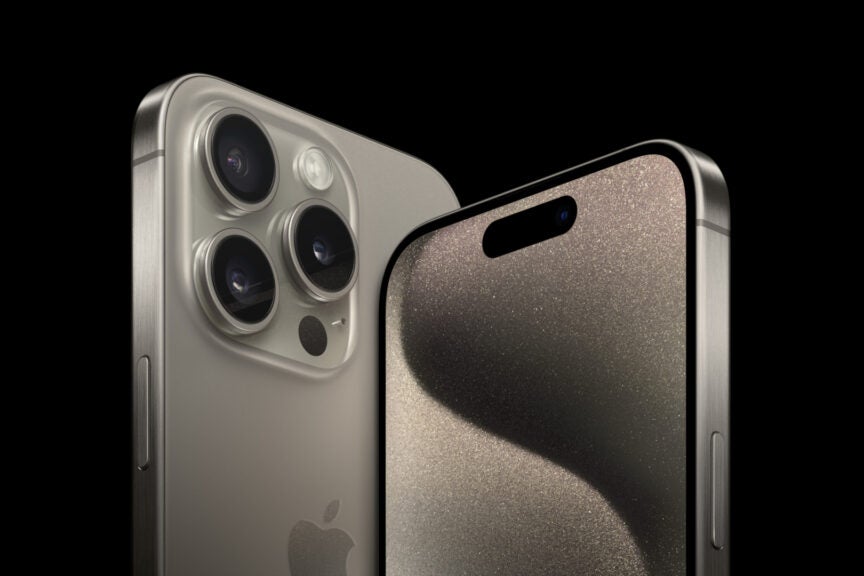
Analysis of Apple's Stock Price Potential

- Significant Investment Returns: Over the past decade, an investment of $10,000 in Apple has grown to approximately $105,000, showcasing its strong growth potential, although future challenges may arise.
- Strong iPhone Sales: In the last three months of 2025, Apple reported a 23% increase in iPhone sales, reaching $85.3 billion, indicating that consumer anticipation for new AI features is driving sales.
- Insufficient Growth Drivers: Despite the surge in iPhone sales, Apple's overall revenue grew only 6% in the most recent fiscal year, indicating a lack of compelling catalysts that could sustain future growth and potentially impact stock performance.
- High Market Valuation: With a market cap of around $4 trillion and a current stock price of $260.76, trading at 33 times earnings, Apple's excellent financial performance may not translate into a doubling of stock value in the near future.
See More
Apple Unveils New Studio Display Lineup
- Product Refresh: Apple has introduced an updated Studio Display, retaining its 27-inch 5K Retina panel with 600 nits brightness while adding a 12MP Center Stage camera, enhancing user experience and expected to boost competitiveness in the high-end monitor market.
- Technical Specifications Upgrade: The new Studio Display XDR replaces the Pro Display XDR, featuring a 27-inch 5K Retina XDR panel with 2,304 local dimming zones and supporting up to 2,000 nits peak HDR brightness, significantly improving image quality to meet professional users' demands.
- Enhanced Connectivity: The updated Studio Display features Thunderbolt 3 connectivity, allowing daisy-chaining of up to four displays and providing up to 96W charging power, enhancing device flexibility and compatibility to suit various work environments.
- Market Pricing and Pre-order: The Studio Display starts at $1,599, while the Studio Display XDR starts at $3,299, with pre-orders beginning on March 4, expected to attract professional creators and users in the medical imaging field, further expanding Apple's share in the high-end monitor market.
See More
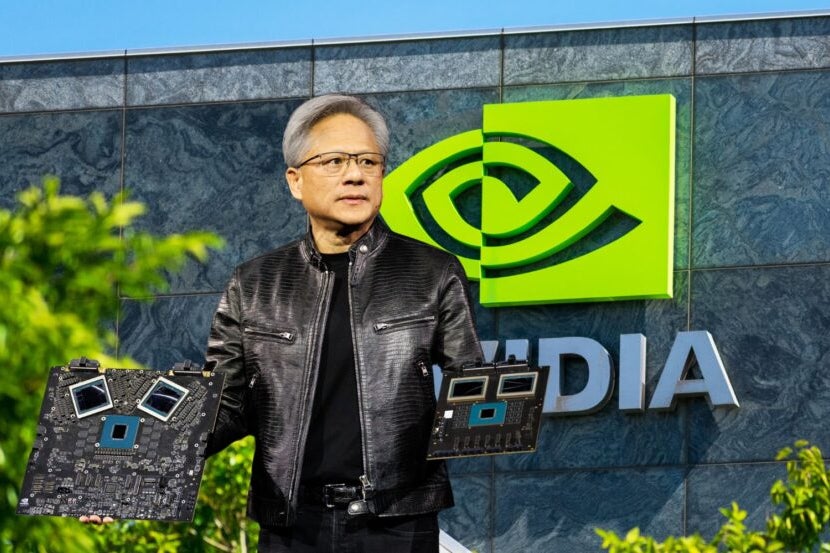
Analyst Bullish on Nvidia's Future Performance

- Analyst Bullish on Nvidia: Bernstein senior analyst Stacy Rasgon expressed on CNBC that Nvidia appears very cheap relative to the broader semiconductor industry, believing that the current AI boom will drive company performance growth, and recommends investors to hold the stock.
- Morgan Stanley Reinstates Recommendation: Morgan Stanley has reinstated Nvidia as its top semiconductor pick, with analyst Joseph Moore noting that the current stock price is about 18 times the expected earnings for 2027, and despite the stock being flat for two quarters, earnings estimates have risen by 38%.
- Concerns Over Downstream Risks: While Nvidia's 73% fiscal year revenue growth is deemed “incredible,” “Big Short” investor Steve Eisman warns that AI spending may pose risks to legacy software companies reliant on private credit, potentially triggering a wave of defaults.
- Market Prediction Dynamics: Prediction markets indicate a 15% chance of an industry downturn if Nvidia's stock falls 50% from its all-time high, with the next catalyst being the GTC conference from March 16-19, where CEO Jensen Huang is expected to unveil the company's four-year roadmap.
See More

Warner Bros. and Paramount Combine Sports Rights for Streaming Advantage


- Sports Rights Consolidation: The merger of Warner Bros. and Paramount will combine their resources in streaming platforms, cable channels, and sports rights, expected to enhance value for subscribers and advertisers while strengthening market competitiveness.
- Platform Merger: The companies plan to merge Paramount+ and HBO Max into a single platform, likely introducing high-priced subscription tiers that include live CBS and sports content, further attracting users.
- User Base Expansion: Post-merger, Warner Bros. and Paramount will have a combined global subscriber base of approximately 210.6 million, enhancing their influence in the streaming market while providing sports fans with a more convenient viewing experience.
- Debt and Future Challenges: The merger will incur significant debt, potentially impacting the company's credit ratings and future spending capabilities on sports rights, with funding pressures during NFL rights negotiations being a critical consideration.
See More
Buffett's Investment in Alphabet Stock Analysis

- Significant Stake: Berkshire Hathaway disclosed a 17,846,142 share stake in Alphabet in Q3 2025, making it one of the top ten holdings in the investment portfolio, indicating the company's increasing focus on tech stocks.
- Value Appreciation: Currently, the stake in Alphabet is valued at $5.39 billion, with gains ranging from $819.49 million to $2.30 billion due to stock price fluctuations, reflecting the success of this investment.
- New CEO's Investment Strategy: Although new CEO Abel did not mention Alphabet in his annual letter, he emphasized a long-term holding strategy for other stocks, suggesting potential adjustments in the investment portfolio.
- Outstanding Market Performance: In 2025, Alphabet's stock surged by 65.2%, significantly outperforming Berkshire Hathaway's 11.5% and the S&P 500's 16.6%, showcasing its strong performance and future potential in the tech sector.
See More

Apple Unveils New MacBook and Display Lineup
- New MacBook Air Launch: Apple introduces the MacBook Air with the M5 chip featuring a 10-core CPU and up to a 10-core GPU, achieving 4 times faster AI performance compared to the M4, with a battery life of up to 18 hours, starting at $1,099, enhancing its competitiveness in the ultrabook market.
- MacBook Pro Performance Boost: The new MacBook Pro equipped with M5 Pro and M5 Max chips supports up to 128GB of unified memory and SSD read speeds of up to 14.5GB/s, starting at $2,199 and $3,899 respectively, further solidifying Apple's position among professional users.
- Studio Display Series Update: Apple announces the new Studio Display and Studio Display XDR, priced at $1,599 and $3,299 respectively, both featuring adjustable stands, enhancing Apple's competitiveness in the high-end monitor market.
- Global Pre-Order Launch: All new products will be available for pre-order on Wednesday in 33 to 35 countries, with deliveries starting on March 11, further expanding Apple's market reach and customer base.
See More
Analysis of Apple's Stock Price Potential
- Significant Investment Returns: Over the past decade, an investment of $10,000 in Apple has grown to approximately $105,000, showcasing its strong growth potential, although future challenges may arise.
- Strong iPhone Sales: In the last three months of 2025, Apple reported a 23% increase in iPhone sales, reaching $85.3 billion, indicating that consumer anticipation for new AI features is driving sales.
- Insufficient Growth Drivers: Despite the surge in iPhone sales, Apple's overall revenue grew only 6% in the most recent fiscal year, indicating a lack of compelling catalysts that could sustain future growth and potentially impact stock performance.
- High Market Valuation: With a market cap of around $4 trillion and a current stock price of $260.76, trading at 33 times earnings, Apple's excellent financial performance may not translate into a doubling of stock value in the near future.
See More
Apple Unveils New Studio Display Lineup
- Product Refresh: Apple has introduced an updated Studio Display, retaining its 27-inch 5K Retina panel with 600 nits brightness while adding a 12MP Center Stage camera, enhancing user experience and expected to boost competitiveness in the high-end monitor market.
- Technical Specifications Upgrade: The new Studio Display XDR replaces the Pro Display XDR, featuring a 27-inch 5K Retina XDR panel with 2,304 local dimming zones and supporting up to 2,000 nits peak HDR brightness, significantly improving image quality to meet professional users' demands.
- Enhanced Connectivity: The updated Studio Display features Thunderbolt 3 connectivity, allowing daisy-chaining of up to four displays and providing up to 96W charging power, enhancing device flexibility and compatibility to suit various work environments.
- Market Pricing and Pre-order: The Studio Display starts at $1,599, while the Studio Display XDR starts at $3,299, with pre-orders beginning on March 4, expected to attract professional creators and users in the medical imaging field, further expanding Apple's share in the high-end monitor market.
See More
Analyst Bullish on Nvidia's Future Performance
- Analyst Bullish on Nvidia: Bernstein senior analyst Stacy Rasgon expressed on CNBC that Nvidia appears very cheap relative to the broader semiconductor industry, believing that the current AI boom will drive company performance growth, and recommends investors to hold the stock.
- Morgan Stanley Reinstates Recommendation: Morgan Stanley has reinstated Nvidia as its top semiconductor pick, with analyst Joseph Moore noting that the current stock price is about 18 times the expected earnings for 2027, and despite the stock being flat for two quarters, earnings estimates have risen by 38%.
- Concerns Over Downstream Risks: While Nvidia's 73% fiscal year revenue growth is deemed “incredible,” “Big Short” investor Steve Eisman warns that AI spending may pose risks to legacy software companies reliant on private credit, potentially triggering a wave of defaults.
- Market Prediction Dynamics: Prediction markets indicate a 15% chance of an industry downturn if Nvidia's stock falls 50% from its all-time high, with the next catalyst being the GTC conference from March 16-19, where CEO Jensen Huang is expected to unveil the company's four-year roadmap.
See More
Warner Bros. and Paramount Combine Sports Rights for Streaming Advantage
- Sports Rights Consolidation: The merger of Warner Bros. and Paramount will combine their resources in streaming platforms, cable channels, and sports rights, expected to enhance value for subscribers and advertisers while strengthening market competitiveness.
- Platform Merger: The companies plan to merge Paramount+ and HBO Max into a single platform, likely introducing high-priced subscription tiers that include live CBS and sports content, further attracting users.
- User Base Expansion: Post-merger, Warner Bros. and Paramount will have a combined global subscriber base of approximately 210.6 million, enhancing their influence in the streaming market while providing sports fans with a more convenient viewing experience.
- Debt and Future Challenges: The merger will incur significant debt, potentially impacting the company's credit ratings and future spending capabilities on sports rights, with funding pressures during NFL rights negotiations being a critical consideration.
See More
Buffett's Investment in Alphabet Stock Analysis
- Significant Stake: Berkshire Hathaway disclosed a 17,846,142 share stake in Alphabet in Q3 2025, making it one of the top ten holdings in the investment portfolio, indicating the company's increasing focus on tech stocks.
- Value Appreciation: Currently, the stake in Alphabet is valued at $5.39 billion, with gains ranging from $819.49 million to $2.30 billion due to stock price fluctuations, reflecting the success of this investment.
- New CEO's Investment Strategy: Although new CEO Abel did not mention Alphabet in his annual letter, he emphasized a long-term holding strategy for other stocks, suggesting potential adjustments in the investment portfolio.
- Outstanding Market Performance: In 2025, Alphabet's stock surged by 65.2%, significantly outperforming Berkshire Hathaway's 11.5% and the S&P 500's 16.6%, showcasing its strong performance and future potential in the tech sector.
See More
Apple Unveils New MacBook and Display Lineup
- New MacBook Air Launch: Apple introduces the MacBook Air with the M5 chip featuring a 10-core CPU and up to a 10-core GPU, achieving 4 times faster AI performance compared to the M4, with a battery life of up to 18 hours, starting at $1,099, enhancing its competitiveness in the ultrabook market.
- MacBook Pro Performance Boost: The new MacBook Pro equipped with M5 Pro and M5 Max chips supports up to 128GB of unified memory and SSD read speeds of up to 14.5GB/s, starting at $2,199 and $3,899 respectively, further solidifying Apple's position among professional users.
- Studio Display Series Update: Apple announces the new Studio Display and Studio Display XDR, priced at $1,599 and $3,299 respectively, both featuring adjustable stands, enhancing Apple's competitiveness in the high-end monitor market.
- Global Pre-Order Launch: All new products will be available for pre-order on Wednesday in 33 to 35 countries, with deliveries starting on March 11, further expanding Apple's market reach and customer base.
See More