Rising Inflation In Japan: 3 ETFs To Watch As BOJ Navigates Rate Hike Expectations


Japan's Inflation and Interest Rates: Japan's core consumer inflation rose to 3.2% in January, the highest in 19 months, prompting expectations of further interest rate hikes by the Bank of Japan (BOJ), which could impact stock prices and ETFs focused on Japanese equities.
Investment Strategies Amid Inflation: Investors may consider ETFs like iShares MSCI Japan Index Fund, JPMorgan BetaBuilders Japan ETF, and WisdomTree Japan Hedged Equity Fund for exposure to Japanese stocks, while being aware of potential mixed outcomes due to rising inflation and interest rates affecting different sectors.
Trade with 70% Backtested Accuracy
Analyst Views on EWJ
About the author


Tech Stocks Decline Due to AI Concerns; European Markets Could Offer Greater Stability.


- Investor Concerns: Investors are worried about a weakening dollar, prompting them to diversify their portfolios away from the U.S. market.
- Shift to Developed Markets: Over the past year, there has been a noticeable trend of moving investments into other developed markets as a strategy for risk management.
- AI-Related Equities Impact: The recent volatility in AI-related equities in the U.S. has further motivated investors to seek alternative investment opportunities.
- Portfolio Insulation: Diversifying into different markets is seen as a prudent approach to insulate portfolios from potential downturns in the U.S. economy.
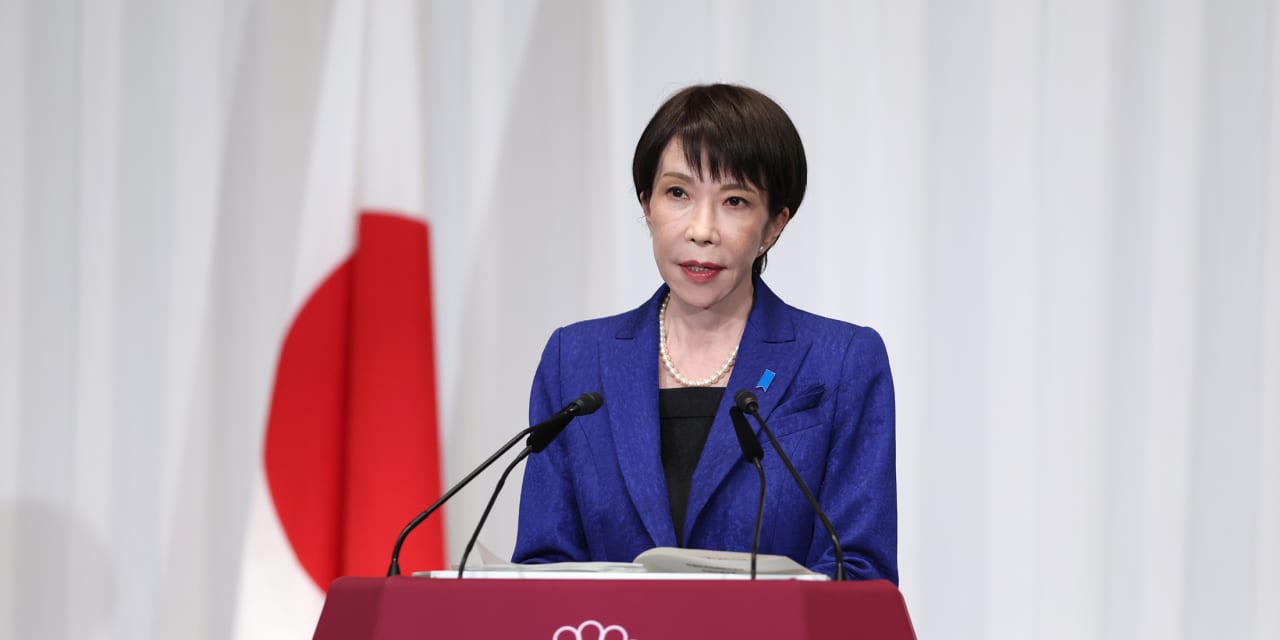
Takaichi's Victory in Japan: Facing the Challenges Ahead.


Election Victory: Japanese Prime Minister Sanae Takaichi led her Liberal Democratic Party to its largest election victory, securing a two-thirds majority in the Lower House of parliament.
Constitutional Amendments: This majority enables the party to override Upper House vetoes and pursue amendments to Japan's pacifist constitution.

Takaichi of Japan May Trigger a Reaction from Bond Vigilantes

- Political Influence: The presence of Liz Truss is being felt in Japan, highlighting the impact of female leadership in global politics.
- Emerging Leadership: Sanae Takaichi, another female politician, is noted for bringing this influence to Japan.

Japanese Citizens Support New Prime Minister, But Markets Disagree.
Voter Concerns: U.S. voters are increasingly frustrated with issues related to affordability, reflecting broader economic anxieties.
Global Context: The sentiment regarding affordability is not limited to the U.S.; it resonates with voters in other countries as well.

Countering the Bubble: A Protective Fund Portfolio for Current Conditions


Types of Market Crashes: Stock market bubbles can lead to two distinct types of crashes when they burst: sector-specific crashes and systemic crashes.
Sector-Specific Crashes: An example of a sector-specific crash is the dot-com collapse that occurred between 2000 and 2002, which primarily affected technology stocks.
Systemic Crashes: In contrast, systemic crashes impact the entire market, as seen during the financial crisis of 2008-09, where widespread declines occurred across various sectors.
Uniqueness of Bubbles: Each stock market bubble is unique, much like snowflakes, indicating that the circumstances and outcomes of each bubble's burst can vary significantly.

International Deals to Watch in 2026: Alibaba, Kering, and 5 Others


International Stock Performance: In 2025, international stocks, particularly in export-driven countries like Korea and China, experienced strong gains, surpassing the performance of the S&P 500 despite high U.S. tariffs.
Future Market Outlook: There is potential for further rallies in non-U.S. markets in 2026, driven by decreasing interest rates and increasing corporate earnings.
Tech Stocks Decline Due to AI Concerns; European Markets Could Offer Greater Stability.
- Investor Concerns: Investors are worried about a weakening dollar, prompting them to diversify their portfolios away from the U.S. market.
- Shift to Developed Markets: Over the past year, there has been a noticeable trend of moving investments into other developed markets as a strategy for risk management.
- AI-Related Equities Impact: The recent volatility in AI-related equities in the U.S. has further motivated investors to seek alternative investment opportunities.
- Portfolio Insulation: Diversifying into different markets is seen as a prudent approach to insulate portfolios from potential downturns in the U.S. economy.
Takaichi's Victory in Japan: Facing the Challenges Ahead.
Election Victory: Japanese Prime Minister Sanae Takaichi led her Liberal Democratic Party to its largest election victory, securing a two-thirds majority in the Lower House of parliament.
Constitutional Amendments: This majority enables the party to override Upper House vetoes and pursue amendments to Japan's pacifist constitution.
Takaichi of Japan May Trigger a Reaction from Bond Vigilantes
- Political Influence: The presence of Liz Truss is being felt in Japan, highlighting the impact of female leadership in global politics.
- Emerging Leadership: Sanae Takaichi, another female politician, is noted for bringing this influence to Japan.
Japanese Citizens Support New Prime Minister, But Markets Disagree.
Voter Concerns: U.S. voters are increasingly frustrated with issues related to affordability, reflecting broader economic anxieties.
Global Context: The sentiment regarding affordability is not limited to the U.S.; it resonates with voters in other countries as well.
Countering the Bubble: A Protective Fund Portfolio for Current Conditions
Types of Market Crashes: Stock market bubbles can lead to two distinct types of crashes when they burst: sector-specific crashes and systemic crashes.
Sector-Specific Crashes: An example of a sector-specific crash is the dot-com collapse that occurred between 2000 and 2002, which primarily affected technology stocks.
Systemic Crashes: In contrast, systemic crashes impact the entire market, as seen during the financial crisis of 2008-09, where widespread declines occurred across various sectors.
Uniqueness of Bubbles: Each stock market bubble is unique, much like snowflakes, indicating that the circumstances and outcomes of each bubble's burst can vary significantly.
International Deals to Watch in 2026: Alibaba, Kering, and 5 Others
International Stock Performance: In 2025, international stocks, particularly in export-driven countries like Korea and China, experienced strong gains, surpassing the performance of the S&P 500 despite high U.S. tariffs.
Future Market Outlook: There is potential for further rallies in non-U.S. markets in 2026, driven by decreasing interest rates and increasing corporate earnings.