Alphabet Reports Q3 Earnings Exceeding Expectations, Year-over-Year Revenue Growth


Earnings Performance: Alphabet's Q3 2025 earnings of $2.87 per share exceeded estimates by 26.99%, with revenues of $102.35 billion reflecting a 16% year-over-year increase. Google Services and Google Cloud revenues also showed significant growth, surpassing consensus estimates.
Advertising and AI Growth: Google advertising revenues rose 12.6% to $74.18 billion, driven by innovations in AI, including AI Overviews and AI Mode, which enhanced search capabilities and advertiser engagement. YouTube's ad revenues improved by 15%, supported by a growing number of paid subscriptions.
Cloud and Generative AI Expansion: Google Cloud revenues surged 33.5% year-over-year, with a notable increase in customers utilizing AI products. Revenues from generative AI models grew over 200% year-over-year, indicating strong adoption across various applications.
Financial Overview: Alphabet's operating expenses increased by 19%, leading to a contraction in operating margin to 30.5%. The company generated $48.41 billion in cash from operations and plans to increase capital expenditures significantly in 2026.
Trade with 70% Backtested Accuracy
Analyst Views on GOOG

About GOOG
About the author


Google Maintains Dominance in AI Market


- Stable Market Share: Google Search maintained a market share of 90.01% as of February 2026, demonstrating its strong competitive position despite the emergence of new AI search engines like Perplexity, which failed to make a dent in its dominance.
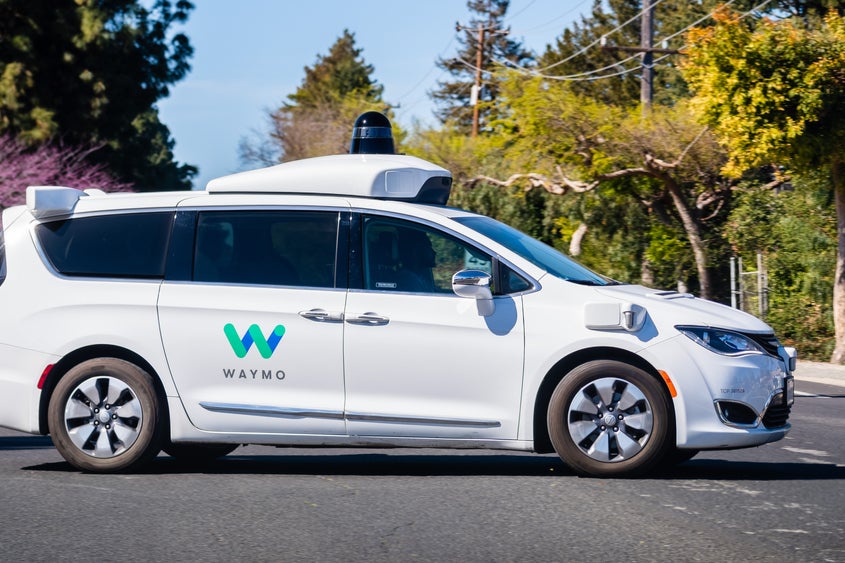
- Waymo's Deployment Leadership: Google's subsidiary Waymo launched autonomous driving services in five major U.S. cities and plans to expand to more, significantly outpacing Tesla's Robotaxi service, highlighting Google's technological edge and first-mover advantage in the autonomous driving sector.
- Surging Capital Expenditures: Google plans to increase its capital expenditures to between $175 billion and $185 billion in 2025, a substantial rise from last year's $91 billion, primarily for data center expansion and future innovations, reflecting the company's strong commitment to long-term growth.
- Innovations in Drug Discovery: Google is leveraging AI to accelerate drug discovery, particularly in treating currently incurable diseases, indicating its potential transformative impact on global health and the company's strategic focus on healthcare advancements.
Meta Cancels AI Chip Development, Alphabet Leads the Market

- Meta Chip Development Canceled: Meta has canceled the development of its most advanced custom AI chips due to design complexities, which will shift its focus to simpler versions, impacting its AI model training capabilities and highlighting challenges in AI hardware development.
- Amazon's AI Model Plans: Amazon is planning to develop AI models using its custom chips, which could significantly reduce costs if successful, indicating its strategic positioning in the AI space while also hedging its bets with investments in OpenAI and Anthropic.
- Alphabet's Technological Edge: Alphabet's Tensor Processing Units (TPUs) have reached their seventh generation and are widely used for internal workloads, showcasing its leading position in the AI chip market, attracting companies like Meta, Anthropic, and Apple to rent its TPUs.
- Capital Expenditure Plans: Alphabet plans to invest $175 billion to $185 billion in AI data centers, which is expected to further solidify its competitive advantage in the AI market, especially when compared to competitors relying on Nvidia GPUs, demonstrating a higher return on investment.
Meta Abandons Custom Chip Development, Intensifying AI Competition
- Meta's Chip Development Failure: Meta has scrapped its most advanced custom AI chip development, highlighting the significant design challenges it faces, which diminishes its competitive edge in training AI models despite collaboration with Broadcom.
- Amazon's AI Strategy: Amazon plans to develop AI models using its custom chips, which could significantly reduce costs; however, its substantial investments of $50 billion in OpenAI and Anthropic indicate a diversified approach in the AI sector.
- Alphabet's Technological Edge: Alphabet's Tensor Processing Units (TPUs) have reached their seventh generation and have been battle-tested over a decade, making them the preferred choice for several AI companies, underscoring Alphabet's leading position in the AI chip market.
- Capital Expenditure Plans: Alphabet intends to allocate $175 billion to $185 billion for capital expenditures related to AI data centers, demonstrating its long-term commitment to AI investment while indicating a cost advantage over competitors relying on Nvidia's GPUs.

Apple Introduces Its Most Affordable MacBook: The Neo Priced at $599.

- Apple's New Laptop Launch: Apple has introduced its most affordable laptop model amidst rising memory costs.
- Market Context: The launch comes as competitors are increasing their prices, positioning Apple strategically in the market.
BofA Analysts Bullish on Tesla's Robotaxi Prospects


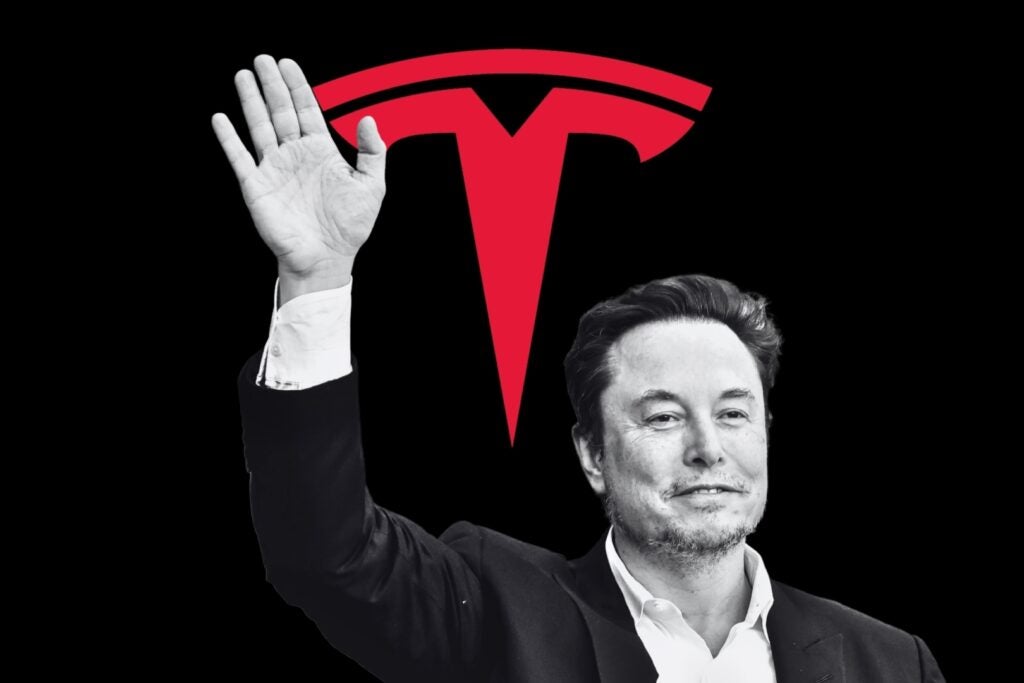
- Market Leadership: BofA analysts view Tesla as the 'current leader in consumer autonomy' and expect it to quickly become a leader in autonomous robotaxi services, showcasing Tesla's profitability advantage over competitors.
- Rating Upgrade: BofA upgraded Tesla's stock from 'Neutral' to 'Buy', setting a price target of $460, which implies an upside of over 17% from Tuesday's closing price, reflecting strong market confidence in Tesla's future growth.
- Enhanced Consumer Experience: Analysts noted that autonomous vehicles are set to spur the next era of growth in the mobility sector, providing consumers with options to save time and enjoy safer travel, further solidifying Tesla's leading position in the EV market.
- Positive Market Reaction: Tesla shares rose more than 2% in Wednesday's opening trade, and retail sentiment on Stocktwits trended bullish, indicating optimistic expectations for Tesla's future performance.

Nvidia Reports Strong Earnings but Stock Drops


- Strong Earnings Report: Nvidia reported an adjusted earnings per share of $1.62 and revenue of $68.1 billion for Q4 FY2026, both exceeding Wall Street's expectations of $1.53 and $66.2 billion, indicating robust market performance and profitability.
- Optimistic Guidance: The management guided for approximately $78 billion in revenue for the current quarter, significantly above the analyst consensus of $72.6 billion, showcasing the company's ongoing growth potential in the AI sector, although this does not include potential sales from China.
- Stable Gross Margins: Nvidia achieved a 75.2% adjusted gross margin in the recent quarter and expects about 75% for the full year, demonstrating strong pricing power and enhancing investor confidence in its profitability.
- Conflicted Market Reaction: Despite the strong performance, Nvidia's stock fell by 5.5% post-earnings, reflecting market uncertainty regarding future AI investment returns, particularly as major tech firms may slow capital expenditures amid rising costs and economic concerns.
Google Maintains Dominance in AI Market
- Stable Market Share: Google Search maintained a market share of 90.01% as of February 2026, demonstrating its strong competitive position despite the emergence of new AI search engines like Perplexity, which failed to make a dent in its dominance.
- Waymo's Deployment Leadership: Google's subsidiary Waymo launched autonomous driving services in five major U.S. cities and plans to expand to more, significantly outpacing Tesla's Robotaxi service, highlighting Google's technological edge and first-mover advantage in the autonomous driving sector.
- Surging Capital Expenditures: Google plans to increase its capital expenditures to between $175 billion and $185 billion in 2025, a substantial rise from last year's $91 billion, primarily for data center expansion and future innovations, reflecting the company's strong commitment to long-term growth.
- Innovations in Drug Discovery: Google is leveraging AI to accelerate drug discovery, particularly in treating currently incurable diseases, indicating its potential transformative impact on global health and the company's strategic focus on healthcare advancements.
Meta Cancels AI Chip Development, Alphabet Leads the Market
- Meta Chip Development Canceled: Meta has canceled the development of its most advanced custom AI chips due to design complexities, which will shift its focus to simpler versions, impacting its AI model training capabilities and highlighting challenges in AI hardware development.
- Amazon's AI Model Plans: Amazon is planning to develop AI models using its custom chips, which could significantly reduce costs if successful, indicating its strategic positioning in the AI space while also hedging its bets with investments in OpenAI and Anthropic.
- Alphabet's Technological Edge: Alphabet's Tensor Processing Units (TPUs) have reached their seventh generation and are widely used for internal workloads, showcasing its leading position in the AI chip market, attracting companies like Meta, Anthropic, and Apple to rent its TPUs.
- Capital Expenditure Plans: Alphabet plans to invest $175 billion to $185 billion in AI data centers, which is expected to further solidify its competitive advantage in the AI market, especially when compared to competitors relying on Nvidia GPUs, demonstrating a higher return on investment.
Meta Abandons Custom Chip Development, Intensifying AI Competition
- Meta's Chip Development Failure: Meta has scrapped its most advanced custom AI chip development, highlighting the significant design challenges it faces, which diminishes its competitive edge in training AI models despite collaboration with Broadcom.
- Amazon's AI Strategy: Amazon plans to develop AI models using its custom chips, which could significantly reduce costs; however, its substantial investments of $50 billion in OpenAI and Anthropic indicate a diversified approach in the AI sector.
- Alphabet's Technological Edge: Alphabet's Tensor Processing Units (TPUs) have reached their seventh generation and have been battle-tested over a decade, making them the preferred choice for several AI companies, underscoring Alphabet's leading position in the AI chip market.
- Capital Expenditure Plans: Alphabet intends to allocate $175 billion to $185 billion for capital expenditures related to AI data centers, demonstrating its long-term commitment to AI investment while indicating a cost advantage over competitors relying on Nvidia's GPUs.
Apple Introduces Its Most Affordable MacBook: The Neo Priced at $599.
- Apple's New Laptop Launch: Apple has introduced its most affordable laptop model amidst rising memory costs.
- Market Context: The launch comes as competitors are increasing their prices, positioning Apple strategically in the market.
BofA Analysts Bullish on Tesla's Robotaxi Prospects
- Market Leadership: BofA analysts view Tesla as the 'current leader in consumer autonomy' and expect it to quickly become a leader in autonomous robotaxi services, showcasing Tesla's profitability advantage over competitors.
- Rating Upgrade: BofA upgraded Tesla's stock from 'Neutral' to 'Buy', setting a price target of $460, which implies an upside of over 17% from Tuesday's closing price, reflecting strong market confidence in Tesla's future growth.
- Enhanced Consumer Experience: Analysts noted that autonomous vehicles are set to spur the next era of growth in the mobility sector, providing consumers with options to save time and enjoy safer travel, further solidifying Tesla's leading position in the EV market.
- Positive Market Reaction: Tesla shares rose more than 2% in Wednesday's opening trade, and retail sentiment on Stocktwits trended bullish, indicating optimistic expectations for Tesla's future performance.
Nvidia Reports Strong Earnings but Stock Drops
- Strong Earnings Report: Nvidia reported an adjusted earnings per share of $1.62 and revenue of $68.1 billion for Q4 FY2026, both exceeding Wall Street's expectations of $1.53 and $66.2 billion, indicating robust market performance and profitability.
- Optimistic Guidance: The management guided for approximately $78 billion in revenue for the current quarter, significantly above the analyst consensus of $72.6 billion, showcasing the company's ongoing growth potential in the AI sector, although this does not include potential sales from China.
- Stable Gross Margins: Nvidia achieved a 75.2% adjusted gross margin in the recent quarter and expects about 75% for the full year, demonstrating strong pricing power and enhancing investor confidence in its profitability.
- Conflicted Market Reaction: Despite the strong performance, Nvidia's stock fell by 5.5% post-earnings, reflecting market uncertainty regarding future AI investment returns, particularly as major tech firms may slow capital expenditures amid rising costs and economic concerns.