

Positive Data from Teva and Sanofi's IBD Study
Written by Emily J. Thompson, Senior Investment Analyst
Updated: Feb 17 2026
0mins
Should l Buy SNY?
Source: Benzinga
- Significant Clinical Efficacy: The RELIEVE UCCD study by Teva and Sanofi revealed that 58% (900mg) and 47% (450mg) of ulcerative colitis patients achieved clinical remission, while 55% (900mg) and 41% (450mg) of Crohn's disease patients reached endoscopic response, indicating duvakitug's potential to transform IBD treatment.
- Good Tolerability: Among 130 patients, both doses of duvakitug demonstrated good tolerability with no severe adverse reactions reported during the 58-week treatment, enhancing the drug's market prospects and patient acceptance.
- Market Performance Analysis: Teva's stock is currently priced at $34.94, trading 6.3% below its 20-day simple moving average, indicating some short-term pressure; however, it has surged 105.07% over the past 12 months, nearing its 52-week high, reflecting market confidence in its long-term potential.
- Optimistic Analyst Ratings: Teva's stock carries a Buy rating with an average price target of $31.75, with Goldman Sachs raising its target to $45, and Barclays and Scotiabank adjusting theirs to $38 and $40 respectively, showcasing analysts' confidence in its future growth.
Trade with 70% Backtested Accuracy
Stop guessing "Should I Buy SNY?" and start using high-conviction signals backed by rigorous historical data.
Sign up today to access powerful investing tools and make smarter, data-driven decisions.
Analyst Views on SNY
Wall Street analysts forecast SNY stock price to rise
5 Analyst Rating
2 Buy
3 Hold
0 Sell
Moderate Buy
Current: 47.660

Low
57.00
Averages
79.36
High
119.07
Current: 47.660
Low
57.00
Averages
79.36
High
119.07
About SNY
Sanofi SA is a France-based healthcare company based in France. The Company focuses on patient needs and engages in the research, development, manufacture, and marketing of therapeutic solutions. Its three operating segments are: Pharmaceuticals, Consumer Healthcare (CHC), and Vaccines. The Pharmaceuticals includes: Immunology, Multiple Sclerosis / Neurology, Oncology, Rare Diseases, Rare Blood Disorders, Cardiovascular, Diabetes, Established Prescription Products. The Vaccines segment comprises, for all geographical territories, the commercial operations of Sanofi Pasteur, together with research, development, and production activities dedicated to vaccines. The CHC segment comprises the commercial operations for Sanofi’s Consumer Healthcare products, together with research, development and production activities dedicated to those products. The Company’s products developed in collaboration or franchise include Dupixent, Aubagio, Lemtrada, Cerezyme, Lumizyme, Jevtana, Fabrazyme.
About the author

Emily J. Thompson
Emily J. Thompson, a Chartered Financial Analyst (CFA) with 12 years in investment research, graduated with honors from the Wharton School. Specializing in industrial and technology stocks, she provides in-depth analysis for Intellectia’s earnings and market brief reports.

Sanofi's Rilzabrutinib Receives Orphan Drug Designation in Japan

- Orphan Drug Designation: Sanofi's rilzabrutinib has received orphan drug designation from Japan's Ministry of Health, Labour and Welfare for the treatment of IgG4-related disease, marking a significant expansion in the company's rare disease portfolio and expected to enhance market competitiveness.
- Clinical Research Progress: Rilzabrutinib is currently being evaluated in the RILIEF phase 3 study focused on IgG4-RD, and successful clinical outcomes will lay the groundwork for future market promotion and adoption.
- International Approval Status: The drug received approval for immune thrombocytopenia in the US, EU, and UAE in 2025, demonstrating broad global recognition and further strengthening Sanofi's product portfolio.
- Regulatory Review Updates: Rilzabrutinib is under regulatory review for ITP in Japan, and if approved, it will provide a new growth avenue for the company in the Japanese market, enhancing overall performance.
See More

Teva Pharmaceutical Stock Doubles, Strong Outlook Ahead

- Earnings Beat: Teva Pharmaceutical reported fourth-quarter revenue of $4.7 billion for 2025, an 11% year-over-year increase, with adjusted EPS at $0.96, significantly surpassing the analyst forecast of $0.64, indicating robust financial performance and market demand.
- Strategic Shift: Teva is pivoting from generic drugs to specialty pharmaceuticals, with strong sales from branded drugs like Austedo, Ajovy, and Uzedy offsetting flat generic sales, and these products are expected to comprise a larger share of revenue, enhancing overall profitability.
- Future Growth Potential: Management anticipates that the drug candidate duvakitug could achieve peak annual sales of $2 billion to $5 billion, and with other pipeline candidates, the total sales potential exceeds $10 billion, showcasing Teva's strong competitive position in the future market.
- Attractive Valuation: Currently trading at around 12.5 times forward earnings, Teva is positioned in the middle to lower end of the pharmaceutical valuation range, providing long-term investors an opportunity to enter before potential price appreciation, especially if the stock price dips.
See More
Japan Grants Orphan Drug Designation to Rilzabrutinib
- Orphan Drug Designation: The Ministry of Health, Labour and Welfare in Japan has granted orphan drug designation to Rilzabrutinib for IgG4-related disease, a decision supported by positive Phase 2 study data, which is expected to expedite market access and enhance the company's competitiveness in the rare disease sector.
- Disease Context: IgG4-related disease is a progressive, relapsing, chronic immune-mediated rare disease with an estimated prevalence of about eight cases per 100,000 adults in Japan, potentially leading to organ damage and irreversible dysfunction if untreated, highlighting the urgent need for effective therapies.
- Clinical Study Results: In a 52-week treatment of IgG4-RD patients, Rilzabrutinib significantly reduced disease flares and other disease markers while minimizing the need for glucocorticoid treatment, demonstrating its potential therapeutic advantages and a favorable safety profile consistent with previous studies.
- Market Outlook: Rilzabrutinib received approval for the treatment of immune thrombocytopenia (ITP) in the US, EU, and UAE in 2025, and is currently under regulatory review for ITP in Japan, indicating its potential to play a significant role in treating multiple rare immune-mediated diseases in the future.
See More
Novavax Q4 2025 Financial Results Analysis
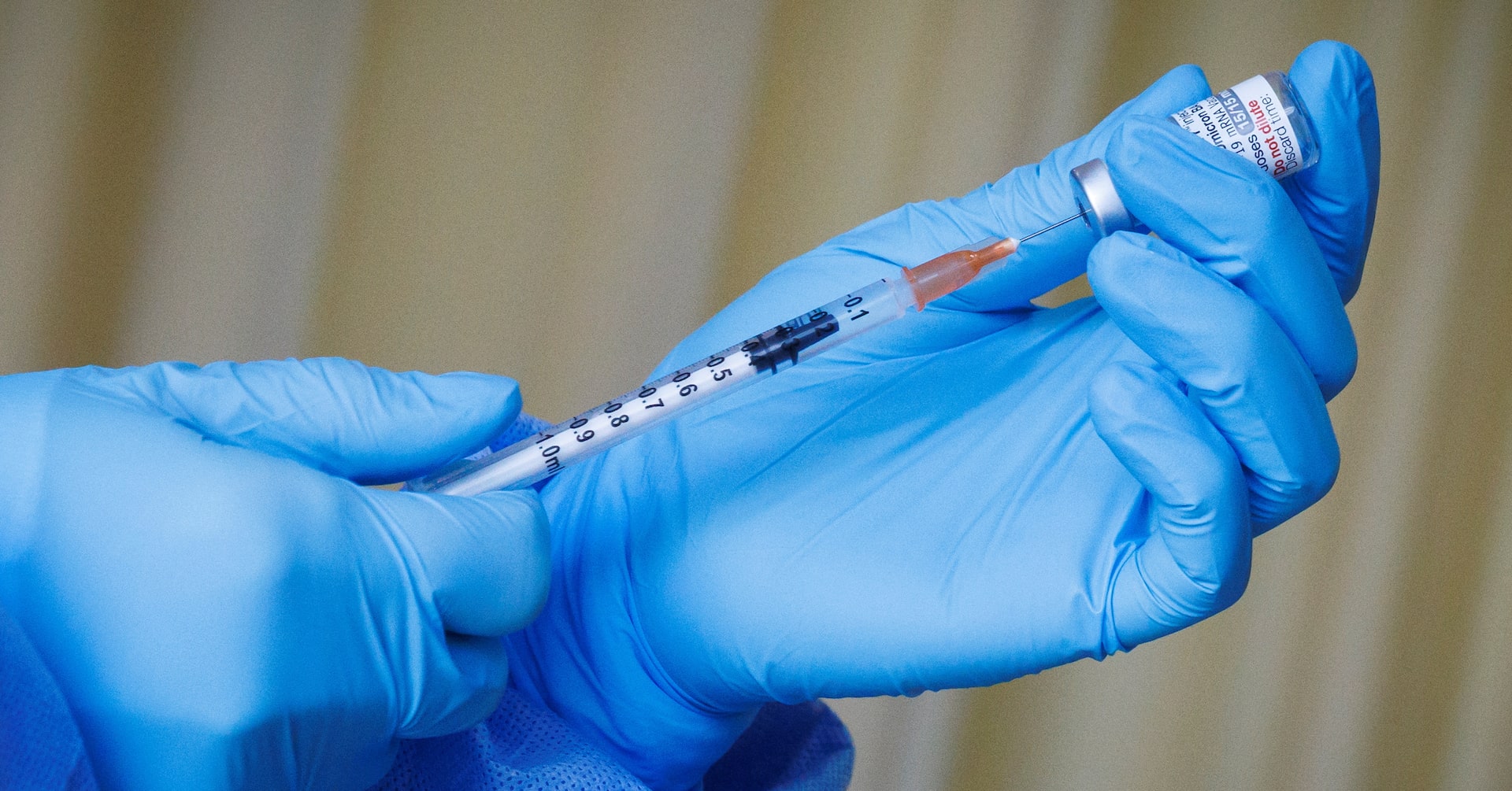
- Profit Shift: Novavax reported a fourth-quarter profit of $0.11, a significant turnaround from a loss of $0.51 a year ago, with revenue reaching $147 million, reflecting a 67% year-over-year increase, indicating improved profitability.
- Revenue Forecast Shortfall: Despite strong Q4 results, Novavax projected adjusted total revenue for 2026 between $230 million and $270 million, falling short of the consensus estimate of $381.22 million, which could negatively impact stock performance.
- R&D and SG&A Expenses: The company anticipates Non-GAAP R&D and SG&A expenses of $325 million in 2026, $225 million in 2027, and less than $200 million in 2028, highlighting efforts in cost management but potentially affecting future profitability.
- Short-Term Market Performance: Currently, Novavax's stock is trading 8.4% above its 20-day and 9.2% above its 100-day simple moving averages, indicating short-term resilience despite recent downturns, prompting investors to watch for potential breakout or reversal signals.
See More
EMA Recommends Dupixent Approval for Children with Chronic Urticaria

- Pediatric Indication Expansion: The European Medicines Agency's Committee recommends approval of Sanofi and Regeneron's Dupixent (dupilumab) for treating chronic spontaneous urticaria in children aged 2 to 11, marking a significant expansion in the drug's pediatric indications, which is expected to substantially boost market demand and sales.
- Clinical Trial Support: This recommendation is supported by data from the phase 3 LIBERTY-CUPID program, demonstrating Dupixent's efficacy against chronic spontaneous urticaria, further solidifying its position in the treatment landscape and likely attracting more prescriptions from healthcare providers.
- Existing Approval Status: Dupixent is already approved for chronic spontaneous urticaria in individuals aged 12 and older, and the expansion into pediatric indications will enable it to capture a larger share of the competitive market, enhancing the companies' influence in the pediatric pharmaceutical sector.
- Optimistic Market Outlook: With the application of Dupixent in the pediatric population, it is anticipated to drive long-term growth for both Sanofi and Regeneron, especially against the backdrop of rising demand for allergy-related medications, thereby further enhancing their competitiveness in the pharmaceutical industry.
See More

FDA Approves Dupixent for Allergic Fungal Rhinosinusitis Treatment
- FDA Approval for New Indication: Sanofi announced that Dupixent (dupilumab) has received FDA approval for treating allergic fungal rhinosinusitis in patients aged 6 and older with a history of sino-nasal surgery, thereby expanding its indications in sino-nasal diseases.
- Clinical Research Support: The approval is backed by results from the LIBERTY-AFRS-AIMS phase 3 study, demonstrating Dupixent's efficacy in treating allergic fungal rhinosinusitis, further solidifying its position in chronic disease management.
- Market Impact: This ninth FDA approval for Dupixent not only enhances its market recognition but also underscores the role of IL4 and IL13 as major drivers in various chronic diseases, potentially propelling Sanofi's growth in the biopharmaceutical sector.
- Stock Price Dynamics: At the last close, Sanofi's shares were trading at €80.61, down 0.19%, although the FDA approval may positively influence future sales growth.
See More
Sanofi's Rilzabrutinib Receives Orphan Drug Designation in Japan
- Orphan Drug Designation: Sanofi's rilzabrutinib has received orphan drug designation from Japan's Ministry of Health, Labour and Welfare for the treatment of IgG4-related disease, marking a significant expansion in the company's rare disease portfolio and expected to enhance market competitiveness.
- Clinical Research Progress: Rilzabrutinib is currently being evaluated in the RILIEF phase 3 study focused on IgG4-RD, and successful clinical outcomes will lay the groundwork for future market promotion and adoption.
- International Approval Status: The drug received approval for immune thrombocytopenia in the US, EU, and UAE in 2025, demonstrating broad global recognition and further strengthening Sanofi's product portfolio.
- Regulatory Review Updates: Rilzabrutinib is under regulatory review for ITP in Japan, and if approved, it will provide a new growth avenue for the company in the Japanese market, enhancing overall performance.
See More
Teva Pharmaceutical Stock Doubles, Strong Outlook Ahead
- Earnings Beat: Teva Pharmaceutical reported fourth-quarter revenue of $4.7 billion for 2025, an 11% year-over-year increase, with adjusted EPS at $0.96, significantly surpassing the analyst forecast of $0.64, indicating robust financial performance and market demand.
- Strategic Shift: Teva is pivoting from generic drugs to specialty pharmaceuticals, with strong sales from branded drugs like Austedo, Ajovy, and Uzedy offsetting flat generic sales, and these products are expected to comprise a larger share of revenue, enhancing overall profitability.
- Future Growth Potential: Management anticipates that the drug candidate duvakitug could achieve peak annual sales of $2 billion to $5 billion, and with other pipeline candidates, the total sales potential exceeds $10 billion, showcasing Teva's strong competitive position in the future market.
- Attractive Valuation: Currently trading at around 12.5 times forward earnings, Teva is positioned in the middle to lower end of the pharmaceutical valuation range, providing long-term investors an opportunity to enter before potential price appreciation, especially if the stock price dips.
See More
Japan Grants Orphan Drug Designation to Rilzabrutinib
- Orphan Drug Designation: The Ministry of Health, Labour and Welfare in Japan has granted orphan drug designation to Rilzabrutinib for IgG4-related disease, a decision supported by positive Phase 2 study data, which is expected to expedite market access and enhance the company's competitiveness in the rare disease sector.
- Disease Context: IgG4-related disease is a progressive, relapsing, chronic immune-mediated rare disease with an estimated prevalence of about eight cases per 100,000 adults in Japan, potentially leading to organ damage and irreversible dysfunction if untreated, highlighting the urgent need for effective therapies.
- Clinical Study Results: In a 52-week treatment of IgG4-RD patients, Rilzabrutinib significantly reduced disease flares and other disease markers while minimizing the need for glucocorticoid treatment, demonstrating its potential therapeutic advantages and a favorable safety profile consistent with previous studies.
- Market Outlook: Rilzabrutinib received approval for the treatment of immune thrombocytopenia (ITP) in the US, EU, and UAE in 2025, and is currently under regulatory review for ITP in Japan, indicating its potential to play a significant role in treating multiple rare immune-mediated diseases in the future.
See More
Novavax Q4 2025 Financial Results Analysis
- Profit Shift: Novavax reported a fourth-quarter profit of $0.11, a significant turnaround from a loss of $0.51 a year ago, with revenue reaching $147 million, reflecting a 67% year-over-year increase, indicating improved profitability.
- Revenue Forecast Shortfall: Despite strong Q4 results, Novavax projected adjusted total revenue for 2026 between $230 million and $270 million, falling short of the consensus estimate of $381.22 million, which could negatively impact stock performance.
- R&D and SG&A Expenses: The company anticipates Non-GAAP R&D and SG&A expenses of $325 million in 2026, $225 million in 2027, and less than $200 million in 2028, highlighting efforts in cost management but potentially affecting future profitability.
- Short-Term Market Performance: Currently, Novavax's stock is trading 8.4% above its 20-day and 9.2% above its 100-day simple moving averages, indicating short-term resilience despite recent downturns, prompting investors to watch for potential breakout or reversal signals.
See More
EMA Recommends Dupixent Approval for Children with Chronic Urticaria
- Pediatric Indication Expansion: The European Medicines Agency's Committee recommends approval of Sanofi and Regeneron's Dupixent (dupilumab) for treating chronic spontaneous urticaria in children aged 2 to 11, marking a significant expansion in the drug's pediatric indications, which is expected to substantially boost market demand and sales.
- Clinical Trial Support: This recommendation is supported by data from the phase 3 LIBERTY-CUPID program, demonstrating Dupixent's efficacy against chronic spontaneous urticaria, further solidifying its position in the treatment landscape and likely attracting more prescriptions from healthcare providers.
- Existing Approval Status: Dupixent is already approved for chronic spontaneous urticaria in individuals aged 12 and older, and the expansion into pediatric indications will enable it to capture a larger share of the competitive market, enhancing the companies' influence in the pediatric pharmaceutical sector.
- Optimistic Market Outlook: With the application of Dupixent in the pediatric population, it is anticipated to drive long-term growth for both Sanofi and Regeneron, especially against the backdrop of rising demand for allergy-related medications, thereby further enhancing their competitiveness in the pharmaceutical industry.
See More
FDA Approves Dupixent for Allergic Fungal Rhinosinusitis Treatment
- FDA Approval for New Indication: Sanofi announced that Dupixent (dupilumab) has received FDA approval for treating allergic fungal rhinosinusitis in patients aged 6 and older with a history of sino-nasal surgery, thereby expanding its indications in sino-nasal diseases.
- Clinical Research Support: The approval is backed by results from the LIBERTY-AFRS-AIMS phase 3 study, demonstrating Dupixent's efficacy in treating allergic fungal rhinosinusitis, further solidifying its position in chronic disease management.
- Market Impact: This ninth FDA approval for Dupixent not only enhances its market recognition but also underscores the role of IL4 and IL13 as major drivers in various chronic diseases, potentially propelling Sanofi's growth in the biopharmaceutical sector.
- Stock Price Dynamics: At the last close, Sanofi's shares were trading at €80.61, down 0.19%, although the FDA approval may positively influence future sales growth.
See More




