Nuclear Growth Encountering Uranium Shortage by 2030


Nuclear Energy Symposium: Global nuclear energy leaders gathered in London for the World Nuclear Association's 50th Symposium, highlighting the urgent need to triple nuclear capacity by 2050 due to rising electricity demands from data centers, which are expected to match Japan's consumption next year.
Uranium Supply Challenges: A looming uranium shortage threatens the nuclear energy sector, with forecasts indicating a significant decline in output from existing mines between 2030 and 2040, necessitating increased exploration and investment to meet the projected demand for uranium in reactors.
Innovative Financing Models: The uranium mining industry is characterized by unique financing methods, where long-term contracts with utilities provide collateral for bank financing, allowing projects like Bannerman Energy's Etango mine in Namibia to advance despite high costs and lengthy production timelines.
U.S. Nuclear Expansion Plans: Both the Biden and Trump administrations are incentivizing nuclear energy development through subsidies and reforms, with private developers and tech companies like Microsoft and Google actively engaging in plans to expand nuclear infrastructure to meet growing energy needs.
Trade with 70% Backtested Accuracy
Analyst Views on GOOG

About GOOG
About the author


Musk Optimistic About Tesla's AI and Robotics Future


- AGI Development Outlook: Musk stated on social media that Tesla will be among the companies developing Artificial General Intelligence (AGI) and could be the first to achieve humanoid/atom-shaping AGI, reflecting his strong confidence in the company's AI efforts and potential to lead industry transformation.
- Robotics Production Goals: Tesla plans to produce the Optimus humanoid robot at its Fremont, California facility, targeting an annual output of 1 million units, showcasing the company's ambition in robotics and potentially providing critical technological support for future space colonization.
- Optimus Academy Concept: Musk mentioned the establishment of an “Optimus Academy” to train the robot using Tesla's reality generator, which will enhance the robot's intelligence and further solidify Tesla's leadership in automation and AI.
- Market Performance Analysis: Despite Tesla's stock price dropping 2.98% to $392.43 at Tuesday's close, it rebounded by 1.20% to $397.15 in pre-market trading on Wednesday, indicating market confidence in its long-term growth potential, particularly driven by advancements in AI and robotics.

Google Identifies Coruna Hacking Tool Targeting iPhones


- Hacking Tool Identification: Google's Threat Intelligence Group officially identified a hacking tool named 'Coruna' targeting iPhones running iOS versions 13.0 to 17.2.1, revealing its use in attacks against Ukrainian users and by suspected Chinese hackers, highlighting the complexity of cybersecurity threats.
- Market Activity: The report indicates uncertainty about how hackers acquired the tool but suggests an active market for 'second-hand' zero-day exploits, which could encourage more hackers to seek out such tools for attacks, thereby increasing security risks for mobile devices.
- User Advisory: Google strongly urges iPhone users to update to the latest iOS version to prevent potential exploitation of security vulnerabilities, demonstrating the company's commitment to user safety and proactive stance against cybercrime.
- National Context: iVerify noted this is the first observed mass exploitation of mobile phones by a criminal group using tools likely developed by a nation-state, emphasizing the close relationship between national security and cybersecurity, which may prompt broader policy discussions.
S&P 500 Index Experiences Increased Volatility
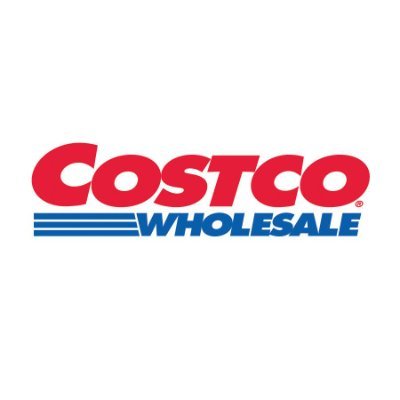
- Increased Market Volatility: The S&P 500 Index has experienced significant swings from gains to losses in recent trading sessions, reflecting investor concerns despite a 78% rise over the past three years driven by optimism around AI stocks, indicating a shift in market sentiment.
- Concerns Over AI Spending: While AI companies report soaring revenues and high demand, investor worries about the rapid pace of AI spending and the lofty valuations of certain growth stocks could lead to potential price crashes, impacting overall market performance.
- Geopolitical Tensions: The escalation of conflict between the U.S. and Iran has heightened market anxiety, resulting in the S&P 500 showing little change year-to-date, which underscores investor caution regarding future economic prospects.
- Long-Term Investment Strategy: Although short-term market volatility poses risks, historical data suggests that holding stocks for over five years can reduce the probability of loss to about 12%, prompting investors to focus on companies capable of surviving tough times and achieving growth for long-term investment success.
Comparative Analysis of Home Depot and Lowe's AI Strategies
- AI Application Innovation: Home Depot's collaboration with Google to develop the Magic Apron assistant aims to provide project advice and product inquiries for contractors, enhancing customer experience and strengthening market competitiveness.
- Customer Service Optimization: Lowe's launched the Mylow digital assistant focused on DIY customers, utilizing AI to train employees and provide virtual advisory services, thereby improving employee efficiency and customer interaction.
- Financial Performance Comparison: In 2025, both companies achieved a 3% year-over-year increase in net sales, but with rising operating expenses, profitability slightly declined, indicating a focus on employee productivity.
- Valuation Discrepancy: Home Depot's price-to-earnings ratio stands at approximately 26 times, significantly higher than Lowe's 22 times, and its dividend yield of 2.4% compared to Lowe's 1.8% reflects greater market recognition of its higher valuation.
Investment Strategies Amidst Market Turbulence in the S&P 500
- Market Performance Review: The S&P 500 index has gained 78% over the past three years despite facing challenges, reflecting investor optimism about AI stocks and the positive impact of a lower interest rate environment, which has driven broader market gains.
- AI Investment Concerns: Recently, investors have expressed worries about the rapid spending on AI and the lofty valuations of certain growth stocks, fearing that if revenue falls short of expectations, it could lead to significant price drops, contributing to market volatility.
- Geopolitical Impact: The escalation of conflict between the U.S. and Iran has further heightened market anxiety, causing the S&P 500 to swing between gains and losses, resulting in little change year-to-date, indicating the fragility of market sentiment.
- Long-Term Investment Advice: In uncertain market conditions, investors are advised to focus on quality companies, pay reasonable prices, and hold for the long term; historical data shows that the probability of loss drops to about 12% when holding investments for over five years, and to less than 5% for over 11 years, underscoring the importance of long-term investing.
Comparison of AI Strategies by Home Depot and Lowe's
- AI Application Focus: Home Depot's partnership with Google to develop the Magic Apron assistant aims to provide contractors with project advice and product information, enhancing customer service efficiency and strengthening its competitive position in the contractor market.
- DIY Market Strategy: Lowe's collaboration with OpenAI to launch the Mylow digital assistant focuses on helping DIY customers and employees improve sales efficiency, aiming to enhance customer experience and increase market share through an AI-powered virtual advisor.
- Financial Performance Comparison: Although both companies reported a 3% increase in net sales for 2025, their profitability slightly declined due to rising operating costs, indicating a focus on employee productivity.
- Valuation Differences: Home Depot's price-to-earnings ratio stands at about 26 times, higher than Lowe's 22 times, and its dividend yield of 2.4% compared to Lowe's 1.8% may make it more attractive to investors, potentially justifying its higher valuation.
Musk Optimistic About Tesla's AI and Robotics Future
- AGI Development Outlook: Musk stated on social media that Tesla will be among the companies developing Artificial General Intelligence (AGI) and could be the first to achieve humanoid/atom-shaping AGI, reflecting his strong confidence in the company's AI efforts and potential to lead industry transformation.
- Robotics Production Goals: Tesla plans to produce the Optimus humanoid robot at its Fremont, California facility, targeting an annual output of 1 million units, showcasing the company's ambition in robotics and potentially providing critical technological support for future space colonization.
- Optimus Academy Concept: Musk mentioned the establishment of an “Optimus Academy” to train the robot using Tesla's reality generator, which will enhance the robot's intelligence and further solidify Tesla's leadership in automation and AI.
- Market Performance Analysis: Despite Tesla's stock price dropping 2.98% to $392.43 at Tuesday's close, it rebounded by 1.20% to $397.15 in pre-market trading on Wednesday, indicating market confidence in its long-term growth potential, particularly driven by advancements in AI and robotics.
Google Identifies Coruna Hacking Tool Targeting iPhones
- Hacking Tool Identification: Google's Threat Intelligence Group officially identified a hacking tool named 'Coruna' targeting iPhones running iOS versions 13.0 to 17.2.1, revealing its use in attacks against Ukrainian users and by suspected Chinese hackers, highlighting the complexity of cybersecurity threats.
- Market Activity: The report indicates uncertainty about how hackers acquired the tool but suggests an active market for 'second-hand' zero-day exploits, which could encourage more hackers to seek out such tools for attacks, thereby increasing security risks for mobile devices.
- User Advisory: Google strongly urges iPhone users to update to the latest iOS version to prevent potential exploitation of security vulnerabilities, demonstrating the company's commitment to user safety and proactive stance against cybercrime.
- National Context: iVerify noted this is the first observed mass exploitation of mobile phones by a criminal group using tools likely developed by a nation-state, emphasizing the close relationship between national security and cybersecurity, which may prompt broader policy discussions.
S&P 500 Index Experiences Increased Volatility
- Increased Market Volatility: The S&P 500 Index has experienced significant swings from gains to losses in recent trading sessions, reflecting investor concerns despite a 78% rise over the past three years driven by optimism around AI stocks, indicating a shift in market sentiment.
- Concerns Over AI Spending: While AI companies report soaring revenues and high demand, investor worries about the rapid pace of AI spending and the lofty valuations of certain growth stocks could lead to potential price crashes, impacting overall market performance.
- Geopolitical Tensions: The escalation of conflict between the U.S. and Iran has heightened market anxiety, resulting in the S&P 500 showing little change year-to-date, which underscores investor caution regarding future economic prospects.
- Long-Term Investment Strategy: Although short-term market volatility poses risks, historical data suggests that holding stocks for over five years can reduce the probability of loss to about 12%, prompting investors to focus on companies capable of surviving tough times and achieving growth for long-term investment success.
Comparative Analysis of Home Depot and Lowe's AI Strategies
- AI Application Innovation: Home Depot's collaboration with Google to develop the Magic Apron assistant aims to provide project advice and product inquiries for contractors, enhancing customer experience and strengthening market competitiveness.
- Customer Service Optimization: Lowe's launched the Mylow digital assistant focused on DIY customers, utilizing AI to train employees and provide virtual advisory services, thereby improving employee efficiency and customer interaction.
- Financial Performance Comparison: In 2025, both companies achieved a 3% year-over-year increase in net sales, but with rising operating expenses, profitability slightly declined, indicating a focus on employee productivity.
- Valuation Discrepancy: Home Depot's price-to-earnings ratio stands at approximately 26 times, significantly higher than Lowe's 22 times, and its dividend yield of 2.4% compared to Lowe's 1.8% reflects greater market recognition of its higher valuation.
Investment Strategies Amidst Market Turbulence in the S&P 500
- Market Performance Review: The S&P 500 index has gained 78% over the past three years despite facing challenges, reflecting investor optimism about AI stocks and the positive impact of a lower interest rate environment, which has driven broader market gains.
- AI Investment Concerns: Recently, investors have expressed worries about the rapid spending on AI and the lofty valuations of certain growth stocks, fearing that if revenue falls short of expectations, it could lead to significant price drops, contributing to market volatility.
- Geopolitical Impact: The escalation of conflict between the U.S. and Iran has further heightened market anxiety, causing the S&P 500 to swing between gains and losses, resulting in little change year-to-date, indicating the fragility of market sentiment.
- Long-Term Investment Advice: In uncertain market conditions, investors are advised to focus on quality companies, pay reasonable prices, and hold for the long term; historical data shows that the probability of loss drops to about 12% when holding investments for over five years, and to less than 5% for over 11 years, underscoring the importance of long-term investing.
Comparison of AI Strategies by Home Depot and Lowe's
- AI Application Focus: Home Depot's partnership with Google to develop the Magic Apron assistant aims to provide contractors with project advice and product information, enhancing customer service efficiency and strengthening its competitive position in the contractor market.
- DIY Market Strategy: Lowe's collaboration with OpenAI to launch the Mylow digital assistant focuses on helping DIY customers and employees improve sales efficiency, aiming to enhance customer experience and increase market share through an AI-powered virtual advisor.
- Financial Performance Comparison: Although both companies reported a 3% increase in net sales for 2025, their profitability slightly declined due to rising operating costs, indicating a focus on employee productivity.
- Valuation Differences: Home Depot's price-to-earnings ratio stands at about 26 times, higher than Lowe's 22 times, and its dividend yield of 2.4% compared to Lowe's 1.8% may make it more attractive to investors, potentially justifying its higher valuation.