Novo Nordisk Faces Market Pressures and Competition
Written by Emily J. Thompson, Senior Investment Analyst
Updated: Feb 25 2026
0mins
Should l Buy NVO?
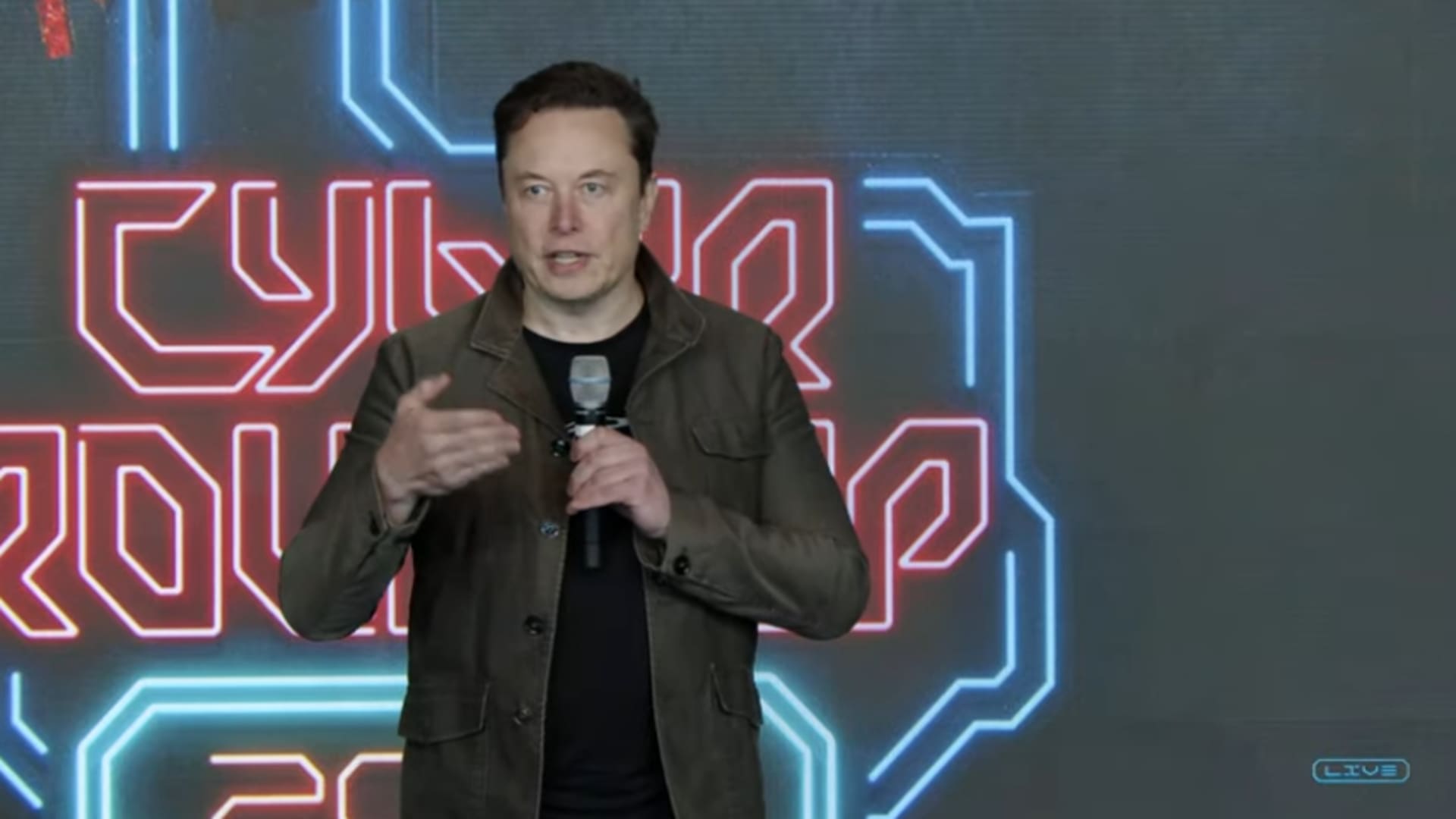
Source: CNBC
- Market Share Decline: Despite being the first to launch a GLP-1 weight loss drug, Novo Nordisk's market share has fallen to about 40%, while rival Eli Lilly holds 60%, indicating a significant competitive disadvantage that could hinder future growth potential.
- Sales Forecast Downgrade: Novo Nordisk anticipates a 5% to 13% decline in sales and profits for 2026, marking the first annual sales drop since 2017, reflecting the company's vulnerability amid fierce competition and pricing pressures, which may further erode investor confidence.
- Drug Development Challenges: The disappointing trial results of Novo's next-generation weight loss drug CagriSema against Eli Lilly's Zepbound led to a more than 16% drop in stock price on the day of the announcement, significantly diminishing analysts' confidence in its commercial potential and possibly affecting future market performance.
- Increasing Pricing Pressure: The decline in GLP-1 drug prices in the U.S. is weighing on Novo Nordisk's revenue and profitability, especially since the U.S. market has accounted for over half of its total sales since 2023, making future pricing strategies critical for the company's ability to regain growth.
Trade with 70% Backtested Accuracy
Stop guessing "Should I Buy NVO?" and start using high-conviction signals backed by rigorous historical data.
Sign up today to access powerful investing tools and make smarter, data-driven decisions.
Analyst Views on NVO
Wall Street analysts forecast NVO stock price to rise
8 Analyst Rating
4 Buy
3 Hold
1 Sell
Moderate Buy
Current: 37.760

Low
42.00
Averages
54.67
High
70.00
Current: 37.760
Low
42.00
Averages
54.67
High
70.00
About NVO
Novo Nordisk A/S is a global healthcare company engaged in diabetes care. The Company is also engaged in the discovery, development, manufacturing and marketing of pharmaceutical products. The Company operates through two business segments: diabetes and obesity care, and biopharmaceuticals. The Company's diabetes and obesity care segment covers insulin, GLP-1, other protein-related products, such as glucagon, protein-related delivery systems and needles, and oral anti-diabetic drugs. The Company's biopharmaceuticals segment covers the therapy areas of hemophilia care, growth hormone therapy and hormone replacement therapy. The Company also offers Saxenda product to treat obesity. It offers a range of products, including NovoLog/NovoRapid; NovoLog Mix/NovoMix; Prandin/NovoNorm; NovoSeven; Norditropin, and Vagifem. As of December 31, 2016, it marketed its products in over 180 countries. Its regional structure consists of two commercial units: North America and International Operations.
About the author

Emily J. Thompson
Emily J. Thompson, a Chartered Financial Analyst (CFA) with 12 years in investment research, graduated with honors from the Wharton School. Specializing in industrial and technology stocks, she provides in-depth analysis for Intellectia’s earnings and market brief reports.
Aspen Expects Canadian Approval for Ozempic Generic by September
- Market Entry Timeline: Aspen Pharmacare's CEO Stephen Saad indicated that the company expects to receive Canadian regulatory approval for its generic version of Ozempic between May and September, positioning it advantageously for market formation.
- First-Mover Advantage Strategy: With Ozempic's market exclusivity in Canada expiring in January, Aspen aims to leverage this opportunity to be the first to launch its GLP-1 version, thereby gaining a competitive edge in the market.
- Market Impact Assessment: Saad noted that obtaining registration in Canada would allow Aspen to use it as a reference for entering Latin American and Middle Eastern markets, addressing the needs of patients who cannot afford the high prices of branded drugs and expanding its market share.
- Financial Performance Highlights: Aspen's recently released interim financials for H2 2025 show an 11% normalized EBITDA growth on a 4% revenue increase, indicating that the company is preparing for new product launches while maintaining steady growth.
See More
FDA Warns Novo Nordisk Over Misleading Ozempic Ad
- FDA Warning on Misleading Ad: The FDA has issued a warning to Novo Nordisk regarding its Ozempic advertisement, indicating that it may mislead patients by suggesting that all individuals with type 2 diabetes qualify for every approved use of the drug, potentially leading to inappropriate usage.
- Stock Reaction: Following the FDA warning, Novo Nordisk's U.S.-listed shares (NVO) slipped nearly 1% in after-hours trading on Tuesday, despite having snapped a nine-session losing streak on Monday, only to decline nearly 3% again on Tuesday.
- Ad Content Controversy: The Ozempic advertisement mirrors Apple's 2006 “Get A Mac” campaign, with the FDA stating that the ad failed to provide evidence supporting Ozempic's superiority over other GLP-1 medications, which could mislead viewers.
- Tightening Regulatory Environment: This warning comes amid a broader regulatory crackdown on GLP-1 drug advertising, with the FDA recently issuing warning letters to 30 telehealth companies for promoting compounded versions of GLP-1 drugs with potentially misleading claims.
See More

Novo Nordisk Under Investigation for Securities Fraud
- Investigation Launched: Pomerantz LLP is investigating whether Novo Nordisk and its executives have engaged in securities fraud or other unlawful business practices, which could undermine investor confidence and lead to stock price volatility.
- Disappointing Clinical Trial Results: On February 23, 2026, Novo Nordisk announced that its experimental drug CagriSema failed to demonstrate non-inferiority in weight loss compared to Eli Lilly's rival drug tirzepatide, potentially impacting its competitive position in the market.
- Significant Stock Price Drop: Following the unfavorable clinical trial results, Novo Nordisk's American Depositary Receipt (ADR) fell by $7.79, or 16.43%, closing at $39.63 on February 23, 2026, reflecting market concerns about its future prospects.
- Potential Legal Consequences: The investigation could lead to class action lawsuits against Novo Nordisk, and if fraud is proven, it may have severe implications for the company's reputation and financial health, prompting investors to closely monitor developments.
See More

Eli Lilly Faces Challenges Amid GLP-1 Drug Success


- Sales Growth Dependency: Eli Lilly's Mounjaro and Zepbound drugs achieved impressive sales growth of 99% and 175% in 2025, respectively, yet these two drugs account for nearly 45% of the company's total sales, raising concerns about the sustainability of such growth.
- Overvaluation Concerns: Despite the strong performance of Eli Lilly's drugs, its stock price has surged to a price-to-earnings ratio of 44, with a meager dividend yield of 0.6%, indicating that the market's expectations for future growth may be overly optimistic.
- Competitors' Opportunities: GLP-1 competitors Novo Nordisk and Pfizer offer more attractive investment profiles with dividend yields of 4.57% and 6.31%, respectively, and price-to-earnings ratios of 10 and 20, especially as Eli Lilly faces risks from patent expirations.
- Intensifying Industry Competition: While Eli Lilly's success in the GLP-1 space is notable, it may overshadow the risks it faces; as competition intensifies, the strong historical performance of Novo Nordisk and Pfizer could enable them to rebound in the market, presenting new opportunities for investors.
See More
Eli Lilly's GLP-1 Drug Sales Surge
- Significant Sales Growth: Eli Lilly's Mounjaro and Zepbound drugs achieved sales increases of 99% and 175% respectively in 2025; however, such growth may not be sustainable, introducing uncertainty into the company's future performance.
- Market Share Risk: These two GLP-1 drugs account for 56% of Eli Lilly's total revenue, and with patent protections set to expire, the company may face a substantial revenue gap that could impact its long-term financial health.
- Competitor Dynamics: While Novo Nordisk and Pfizer lag in the GLP-1 market, Novo Nordisk recently launched an oral GLP-1 medication, and its dividend yield stands at 4.9%, indicating its ongoing competitiveness in the market.
- Investor Sentiment Analysis: Despite Eli Lilly's stock price surging due to market enthusiasm, resulting in a high P/E ratio of 44 and a meager dividend yield of 0.6%, analysts suggest that investors consider competitors like Novo Nordisk and Pfizer for potentially better returns.
See More

Strive Pharmacy to Launch Compounded Wegovy Pill Following Hims & Hers Withdrawal
- Market Response: Strive Pharmacy plans to introduce a compounded version of Novo Nordisk's newly launched oral obesity therapy, Wegovy, following Hims & Hers' withdrawal last month, demonstrating sensitivity to market demand.
- Compliance Challenges: Hims & Hers halted sales shortly after launching a low-cost compounded Wegovy due to regulatory scrutiny and a lawsuit from Novo Nordisk, resulting in the destruction of manufactured pills, highlighting the complexities of market competition.
- Operational Adjustments: Strive's Chief Compliance Officer noted that while a timeline for reintroduction is not set, the company has established operations to meet Hims & Hers' demand forecasts for the semaglutide pill, showcasing its ability to adapt to market changes.
- Strategic Reset: Following Hims & Hers' product withdrawal, Strive Pharmacy must adjust its operational strategy to fit the new market environment, a process that could impact not only its short-term business but also its long-term market positioning.
See More
Aspen Expects Canadian Approval for Ozempic Generic by September
- Market Entry Timeline: Aspen Pharmacare's CEO Stephen Saad indicated that the company expects to receive Canadian regulatory approval for its generic version of Ozempic between May and September, positioning it advantageously for market formation.
- First-Mover Advantage Strategy: With Ozempic's market exclusivity in Canada expiring in January, Aspen aims to leverage this opportunity to be the first to launch its GLP-1 version, thereby gaining a competitive edge in the market.
- Market Impact Assessment: Saad noted that obtaining registration in Canada would allow Aspen to use it as a reference for entering Latin American and Middle Eastern markets, addressing the needs of patients who cannot afford the high prices of branded drugs and expanding its market share.
- Financial Performance Highlights: Aspen's recently released interim financials for H2 2025 show an 11% normalized EBITDA growth on a 4% revenue increase, indicating that the company is preparing for new product launches while maintaining steady growth.
See More
FDA Warns Novo Nordisk Over Misleading Ozempic Ad
- FDA Warning on Misleading Ad: The FDA has issued a warning to Novo Nordisk regarding its Ozempic advertisement, indicating that it may mislead patients by suggesting that all individuals with type 2 diabetes qualify for every approved use of the drug, potentially leading to inappropriate usage.
- Stock Reaction: Following the FDA warning, Novo Nordisk's U.S.-listed shares (NVO) slipped nearly 1% in after-hours trading on Tuesday, despite having snapped a nine-session losing streak on Monday, only to decline nearly 3% again on Tuesday.
- Ad Content Controversy: The Ozempic advertisement mirrors Apple's 2006 “Get A Mac” campaign, with the FDA stating that the ad failed to provide evidence supporting Ozempic's superiority over other GLP-1 medications, which could mislead viewers.
- Tightening Regulatory Environment: This warning comes amid a broader regulatory crackdown on GLP-1 drug advertising, with the FDA recently issuing warning letters to 30 telehealth companies for promoting compounded versions of GLP-1 drugs with potentially misleading claims.
See More
Novo Nordisk Under Investigation for Securities Fraud
- Investigation Launched: Pomerantz LLP is investigating whether Novo Nordisk and its executives have engaged in securities fraud or other unlawful business practices, which could undermine investor confidence and lead to stock price volatility.
- Disappointing Clinical Trial Results: On February 23, 2026, Novo Nordisk announced that its experimental drug CagriSema failed to demonstrate non-inferiority in weight loss compared to Eli Lilly's rival drug tirzepatide, potentially impacting its competitive position in the market.
- Significant Stock Price Drop: Following the unfavorable clinical trial results, Novo Nordisk's American Depositary Receipt (ADR) fell by $7.79, or 16.43%, closing at $39.63 on February 23, 2026, reflecting market concerns about its future prospects.
- Potential Legal Consequences: The investigation could lead to class action lawsuits against Novo Nordisk, and if fraud is proven, it may have severe implications for the company's reputation and financial health, prompting investors to closely monitor developments.
See More
Eli Lilly Faces Challenges Amid GLP-1 Drug Success
- Sales Growth Dependency: Eli Lilly's Mounjaro and Zepbound drugs achieved impressive sales growth of 99% and 175% in 2025, respectively, yet these two drugs account for nearly 45% of the company's total sales, raising concerns about the sustainability of such growth.
- Overvaluation Concerns: Despite the strong performance of Eli Lilly's drugs, its stock price has surged to a price-to-earnings ratio of 44, with a meager dividend yield of 0.6%, indicating that the market's expectations for future growth may be overly optimistic.
- Competitors' Opportunities: GLP-1 competitors Novo Nordisk and Pfizer offer more attractive investment profiles with dividend yields of 4.57% and 6.31%, respectively, and price-to-earnings ratios of 10 and 20, especially as Eli Lilly faces risks from patent expirations.
- Intensifying Industry Competition: While Eli Lilly's success in the GLP-1 space is notable, it may overshadow the risks it faces; as competition intensifies, the strong historical performance of Novo Nordisk and Pfizer could enable them to rebound in the market, presenting new opportunities for investors.
See More
Eli Lilly's GLP-1 Drug Sales Surge
- Significant Sales Growth: Eli Lilly's Mounjaro and Zepbound drugs achieved sales increases of 99% and 175% respectively in 2025; however, such growth may not be sustainable, introducing uncertainty into the company's future performance.
- Market Share Risk: These two GLP-1 drugs account for 56% of Eli Lilly's total revenue, and with patent protections set to expire, the company may face a substantial revenue gap that could impact its long-term financial health.
- Competitor Dynamics: While Novo Nordisk and Pfizer lag in the GLP-1 market, Novo Nordisk recently launched an oral GLP-1 medication, and its dividend yield stands at 4.9%, indicating its ongoing competitiveness in the market.
- Investor Sentiment Analysis: Despite Eli Lilly's stock price surging due to market enthusiasm, resulting in a high P/E ratio of 44 and a meager dividend yield of 0.6%, analysts suggest that investors consider competitors like Novo Nordisk and Pfizer for potentially better returns.
See More
Strive Pharmacy to Launch Compounded Wegovy Pill Following Hims & Hers Withdrawal
- Market Response: Strive Pharmacy plans to introduce a compounded version of Novo Nordisk's newly launched oral obesity therapy, Wegovy, following Hims & Hers' withdrawal last month, demonstrating sensitivity to market demand.
- Compliance Challenges: Hims & Hers halted sales shortly after launching a low-cost compounded Wegovy due to regulatory scrutiny and a lawsuit from Novo Nordisk, resulting in the destruction of manufactured pills, highlighting the complexities of market competition.
- Operational Adjustments: Strive's Chief Compliance Officer noted that while a timeline for reintroduction is not set, the company has established operations to meet Hims & Hers' demand forecasts for the semaglutide pill, showcasing its ability to adapt to market changes.
- Strategic Reset: Following Hims & Hers' product withdrawal, Strive Pharmacy must adjust its operational strategy to fit the new market environment, a process that could impact not only its short-term business but also its long-term market positioning.
See More