

Nike aims for double-digit EBIT margins by enhancing sports strategy and improving operational efficiency.

Management Insights: CEO Elliott Hill highlighted NIKE's transformation efforts, focusing on right-sizing the Classics business, enhancing NIKE Digital, and diversifying the product portfolio. Leadership changes were announced to streamline decision-making, with North America showing strong growth.
Financial Performance: NIKE reported a 1% revenue growth, with significant declines in NIKE Direct and Digital sales. Gross margins fell due to increased product costs from tariffs, while North America saw a 9% revenue increase, contrasting with a 16% decline in Greater China.
Outlook and Challenges: Management anticipates low single-digit revenue declines in Q3, with ongoing headwinds in Greater China and Converse. They expect margin pressures from tariffs and inventory issues but remain focused on strategic actions to drive recovery.
Analyst Sentiment: Analysts expressed cautious optimism regarding NIKE's recovery, emphasizing the need for clarity on margin expansion and the impact of tariffs. Management maintained a confident tone but acknowledged the non-linear nature of recovery across different regions.
Trade with 70% Backtested Accuracy
Analyst Views on NKE

About NKE
About the author

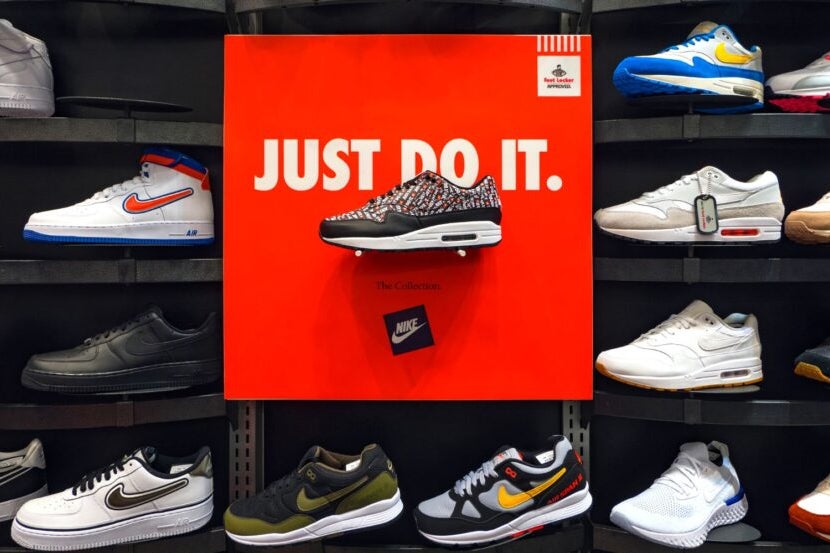
Nike's Key Challenge: Margin Recovery

- Importance of Margin Recovery: Nike achieved a 1% revenue growth in the latest quarter while reducing inventory by 3%, indicating management's success in controlling inventory, which lays the groundwork for future margin recovery.
- Brand Loyalty Risk: The reliance on promotions to clear inventory has led to a 3.1% decline in gross margin to 41.4%, which may weaken brand loyalty and impact long-term profitability.
- Future Growth Potential: If Nike can achieve annual revenue growth of 4% to 6% while gradually improving operating margins, earnings per share are expected to grow significantly faster than revenue, enhancing shareholder returns.
- Execution is Key: In 2026, Nike must restore operating leverage by strengthening full-price sell-through, improving gross margins, controlling operating expenses, and maintaining healthy inventory turnover to ensure revenue stabilization translates into accelerated earnings.
U.S. 15% Global Tariff Set to Be Implemented This Week


- Global Tariff Implementation: Treasury Secretary Bessent announced that the Trump administration will implement a 15% global tariff this week, which could significantly impact international trade relations, particularly with major trading partners.
- Tariff Rate Recovery Prediction: Bessent predicts that after the Supreme Court invalidated some of Trump's tariffs, U.S. tariff rates will return to previous levels within five months, potentially affecting domestic market price stability.
- Legal Basis for Replacement Tariffs: The new tariffs are being implemented under Section 122 of the Trade Act of 1974, with a 150-day validity period unless Congress approves an extension, which may create uncertainty in trade policy and affect long-term business planning.
- Legal Challenges and Enforcement Strength: Bessent noted that despite facing over 4,000 legal challenges, the new tariffs have strong enforcement capabilities, which could impact import prices in the short term, thereby affecting consumer spending and economic growth.
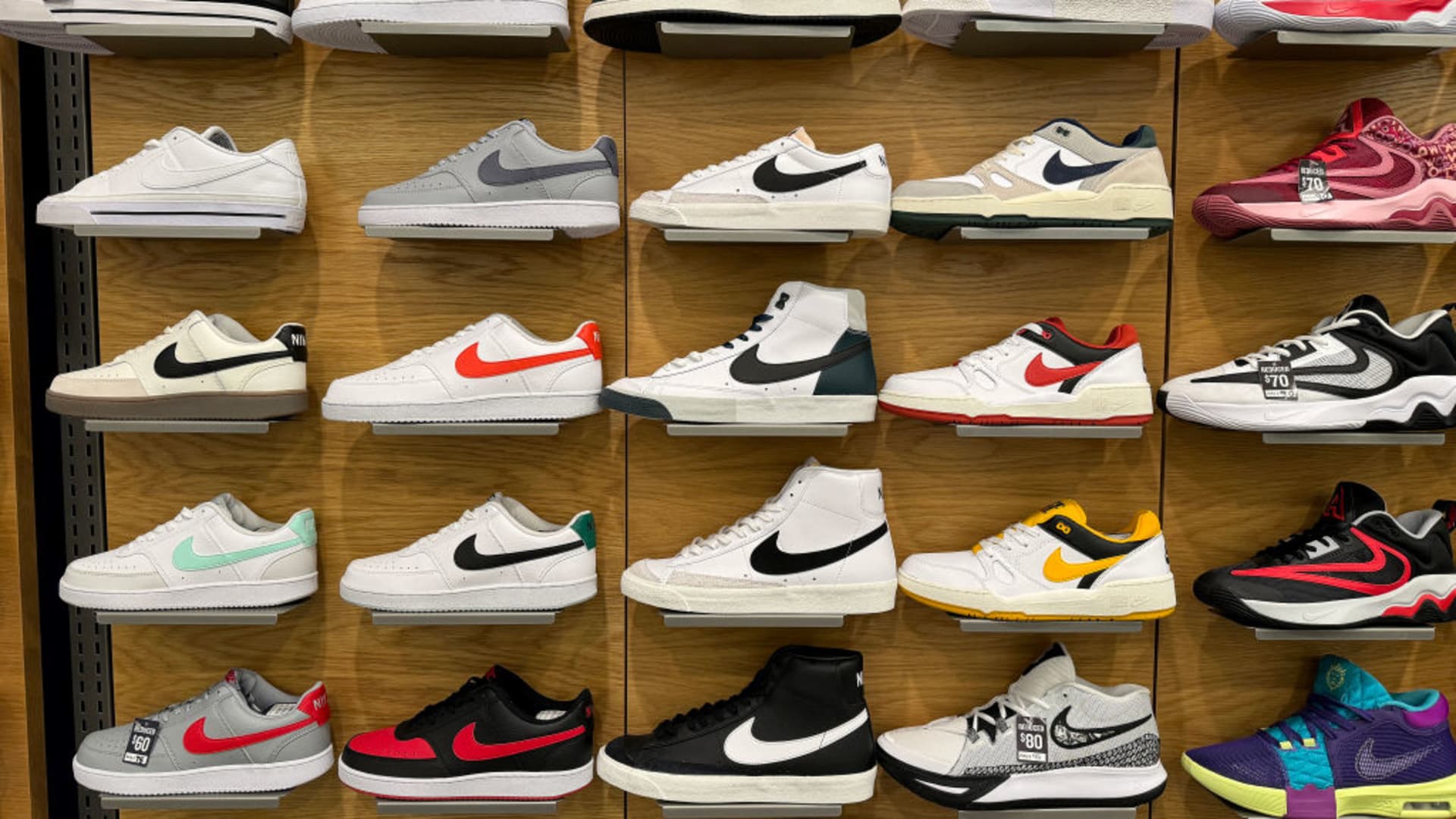
Adidas Disappoints with 2026 Outlook, Shares Drop

- 2026 Profit Outlook: Adidas forecasts an operating profit of around €2.3 billion ($2.68 billion) for 2026, despite a €400 million negative impact from U.S. tariffs and unfavorable currency fluctuations, which is 15% below overall market expectations, potentially disappointing investors.
- Sales Growth Forecast: The company anticipates high single-digit revenue growth in 2026 based on 2025's total of €24.8 billion ($28.86 billion), indicating that Adidas faces significant challenges in a global sportswear market characterized by excess supply and shifting consumer preferences.
- Stock Price Volatility: Adidas shares fell as much as 8% on Wednesday morning, hitting a fresh 52-week low, and have nearly halved over the past year, reflecting ongoing investor skepticism about the company's future, particularly as it navigates turnarounds alongside competitors Puma and Nike.
- Executive Contract Extension: Adidas also announced the extension of CEO Bjørn Gulden's contract until 2030, signaling confidence in his strategic direction, as Gulden has been working to stabilize the company following its split with rapper Ye, which triggered a significant crisis for the brand.

Adidas Provides Disappointing 2026 Outlook Amidst Challenges
- 2026 Revenue Outlook: Adidas anticipates revenue growth in the high single digits for 2026 from 2025's €24.8 billion ($28.86 billion), despite facing challenges from U.S. tariffs and unfavorable currency fluctuations, indicating vulnerability in a deteriorating market environment.
- Operating Profit Forecast: The company expects operating profit to reach around €2.3 billion, yet a €400 million negative impact from U.S. tariffs results in a profitability outlook that is 15% below market expectations, potentially leading to investor dissatisfaction and declining confidence.
- Sales and Profit Performance: Fourth-quarter sales were €6.1 billion, with profit at €164 million, both slightly missing FactSet estimates, demonstrating that Adidas's growth remains challenged amid external turbulence, which could affect future market performance.
- CEO Contract Extension: Adidas announced the extension of CEO Bjørn Gulden's contract until 2030, reflecting confidence in his strategy, particularly after the split with Ye, as Gulden's leadership is seen as crucial for stabilizing the company.

Nike Stabilizes Sales but Must Restore Margins
- Sales Stabilization: Nike has stabilized its sales after consecutive declines, with a 1% revenue increase in the latest quarter and a 3% reduction in inventory levels compared to last year, indicating significant progress in inventory control; however, it must prove the sustainability of its profitability by 2026.
- Margin Challenges: Nike's gross margin fell by 3.1% to 41.4% in the latest quarter, reflecting the erosion of brand loyalty due to reliance on discounts to maintain volume, which compresses profit margins; the future investment case will focus on margin recovery.
- Future Growth Potential: While Nike does not need double-digit revenue growth, achieving a gradual increase in operating margins alongside annual revenue growth of 4% to 6% could significantly accelerate earnings per share, thereby supporting sustained shareholder returns.
- Key Metrics Monitoring: In 2026, Nike must focus on improving several operational metrics, including strengthening full-price sell-through, consistently increasing gross margins, controlling operating expenses, and maintaining healthy inventory turnover, as these factors will collectively determine the company's ability to regain control over demand, pricing, and cost structure.

Los Angeles Rebuilds Hope and Unity After Wildfires

- Community Rebuilding Collaboration: Families in Los Angeles County affected by the 2025 wildfires received support from the LA Clippers, Habitat for Humanity, Nike, and Comcast NBCUniversal, who hosted three home-building events, assisting over 112 households in rebuilding their lives, showcasing strong corporate-community partnerships.
- Volunteer Engagement: Comcast NBCUniversal employee volunteers worked alongside Clippers players, coaches, and community members to construct homes, frame walls, and assemble furniture over several months, emphasizing that rebuilding is a shared responsibility that extends beyond corporate boundaries.
- Project UP Commitment: This rebuilding initiative aligns with Comcast's Project UP, which aims to provide safe and stable housing as a foundation for creating unlimited possibilities, reflecting the company's long-term commitment to community support.
- NBA All-Star Day of Service: During the 18th Annual NBA All-Star Day of Service, two families were recognized as new homeowners, highlighting the importance of teamwork and the significance of rebuilding lives during a global celebration of sports.
Nike's Key Challenge: Margin Recovery
- Importance of Margin Recovery: Nike achieved a 1% revenue growth in the latest quarter while reducing inventory by 3%, indicating management's success in controlling inventory, which lays the groundwork for future margin recovery.
- Brand Loyalty Risk: The reliance on promotions to clear inventory has led to a 3.1% decline in gross margin to 41.4%, which may weaken brand loyalty and impact long-term profitability.
- Future Growth Potential: If Nike can achieve annual revenue growth of 4% to 6% while gradually improving operating margins, earnings per share are expected to grow significantly faster than revenue, enhancing shareholder returns.
- Execution is Key: In 2026, Nike must restore operating leverage by strengthening full-price sell-through, improving gross margins, controlling operating expenses, and maintaining healthy inventory turnover to ensure revenue stabilization translates into accelerated earnings.
U.S. 15% Global Tariff Set to Be Implemented This Week
- Global Tariff Implementation: Treasury Secretary Bessent announced that the Trump administration will implement a 15% global tariff this week, which could significantly impact international trade relations, particularly with major trading partners.
- Tariff Rate Recovery Prediction: Bessent predicts that after the Supreme Court invalidated some of Trump's tariffs, U.S. tariff rates will return to previous levels within five months, potentially affecting domestic market price stability.
- Legal Basis for Replacement Tariffs: The new tariffs are being implemented under Section 122 of the Trade Act of 1974, with a 150-day validity period unless Congress approves an extension, which may create uncertainty in trade policy and affect long-term business planning.
- Legal Challenges and Enforcement Strength: Bessent noted that despite facing over 4,000 legal challenges, the new tariffs have strong enforcement capabilities, which could impact import prices in the short term, thereby affecting consumer spending and economic growth.
Adidas Disappoints with 2026 Outlook, Shares Drop
- 2026 Profit Outlook: Adidas forecasts an operating profit of around €2.3 billion ($2.68 billion) for 2026, despite a €400 million negative impact from U.S. tariffs and unfavorable currency fluctuations, which is 15% below overall market expectations, potentially disappointing investors.
- Sales Growth Forecast: The company anticipates high single-digit revenue growth in 2026 based on 2025's total of €24.8 billion ($28.86 billion), indicating that Adidas faces significant challenges in a global sportswear market characterized by excess supply and shifting consumer preferences.
- Stock Price Volatility: Adidas shares fell as much as 8% on Wednesday morning, hitting a fresh 52-week low, and have nearly halved over the past year, reflecting ongoing investor skepticism about the company's future, particularly as it navigates turnarounds alongside competitors Puma and Nike.
- Executive Contract Extension: Adidas also announced the extension of CEO Bjørn Gulden's contract until 2030, signaling confidence in his strategic direction, as Gulden has been working to stabilize the company following its split with rapper Ye, which triggered a significant crisis for the brand.
Adidas Provides Disappointing 2026 Outlook Amidst Challenges
- 2026 Revenue Outlook: Adidas anticipates revenue growth in the high single digits for 2026 from 2025's €24.8 billion ($28.86 billion), despite facing challenges from U.S. tariffs and unfavorable currency fluctuations, indicating vulnerability in a deteriorating market environment.
- Operating Profit Forecast: The company expects operating profit to reach around €2.3 billion, yet a €400 million negative impact from U.S. tariffs results in a profitability outlook that is 15% below market expectations, potentially leading to investor dissatisfaction and declining confidence.
- Sales and Profit Performance: Fourth-quarter sales were €6.1 billion, with profit at €164 million, both slightly missing FactSet estimates, demonstrating that Adidas's growth remains challenged amid external turbulence, which could affect future market performance.
- CEO Contract Extension: Adidas announced the extension of CEO Bjørn Gulden's contract until 2030, reflecting confidence in his strategy, particularly after the split with Ye, as Gulden's leadership is seen as crucial for stabilizing the company.
Nike Stabilizes Sales but Must Restore Margins
- Sales Stabilization: Nike has stabilized its sales after consecutive declines, with a 1% revenue increase in the latest quarter and a 3% reduction in inventory levels compared to last year, indicating significant progress in inventory control; however, it must prove the sustainability of its profitability by 2026.
- Margin Challenges: Nike's gross margin fell by 3.1% to 41.4% in the latest quarter, reflecting the erosion of brand loyalty due to reliance on discounts to maintain volume, which compresses profit margins; the future investment case will focus on margin recovery.
- Future Growth Potential: While Nike does not need double-digit revenue growth, achieving a gradual increase in operating margins alongside annual revenue growth of 4% to 6% could significantly accelerate earnings per share, thereby supporting sustained shareholder returns.
- Key Metrics Monitoring: In 2026, Nike must focus on improving several operational metrics, including strengthening full-price sell-through, consistently increasing gross margins, controlling operating expenses, and maintaining healthy inventory turnover, as these factors will collectively determine the company's ability to regain control over demand, pricing, and cost structure.
Los Angeles Rebuilds Hope and Unity After Wildfires
- Community Rebuilding Collaboration: Families in Los Angeles County affected by the 2025 wildfires received support from the LA Clippers, Habitat for Humanity, Nike, and Comcast NBCUniversal, who hosted three home-building events, assisting over 112 households in rebuilding their lives, showcasing strong corporate-community partnerships.
- Volunteer Engagement: Comcast NBCUniversal employee volunteers worked alongside Clippers players, coaches, and community members to construct homes, frame walls, and assemble furniture over several months, emphasizing that rebuilding is a shared responsibility that extends beyond corporate boundaries.
- Project UP Commitment: This rebuilding initiative aligns with Comcast's Project UP, which aims to provide safe and stable housing as a foundation for creating unlimited possibilities, reflecting the company's long-term commitment to community support.
- NBA All-Star Day of Service: During the 18th Annual NBA All-Star Day of Service, two families were recognized as new homeowners, highlighting the importance of teamwork and the significance of rebuilding lives during a global celebration of sports.




