

Military Drone Market Growth Driven by Innovation and Demand
Written by Emily J. Thompson, Senior Investment Analyst
Updated: Feb 19 2026
0mins


Should l Buy NOC?
Source: Globenewswire
- Market Growth Potential: Industry forecasts indicate that the global military drone market was valued at approximately $15.1 billion in 2024 and is projected to reach around $29.8 billion by 2030, reflecting a robust low-double-digit CAGR, highlighting significant market demand and investment opportunities.
- ZenaDrone 1000 Certification Process: ZenaTech's subsidiary has initiated the Green UAS certification application for the ZenaDrone 1000, aiming to enhance its competitiveness in U.S. defense and government procurement by ensuring compliance with cybersecurity and supply chain integrity standards.
- Technological Innovation and Application: The ZenaDrone 1000, as an advanced AI-powered heavy-lift drone, offers real-time surveillance and tactical reconnaissance capabilities, enabling multi-mission operations in high-risk environments, thereby improving the efficiency and safety of defense missions.
- Increased Investor Confidence: With rising venture capital and private equity interest in drone and defense tech companies, the growing demand for drone-related services and software indicates strong confidence in long-term defense drone demand.
Trade with 70% Backtested Accuracy
Stop guessing "Should I Buy NOC?" and start using high-conviction signals backed by rigorous historical data.
Sign up today to access powerful investing tools and make smarter, data-driven decisions.
Analyst Views on NOC
Wall Street analysts forecast NOC stock price to fall
13 Analyst Rating
10 Buy
3 Hold
0 Sell
Strong Buy
Current: 759.110

Low
630.00
Averages
684.08
High
770.00
Current: 759.110
Low
630.00
Averages
684.08
High
770.00
About NOC
Northrop Grumman Corporation is a global aerospace and defense technology company. Its segments include Aeronautics Systems, Defense Systems, Mission Systems, and Space Systems. Aeronautics Systems is engaged in the design, development, production, integration, sustainment and modernization of military aircraft systems for the United States Air Force, the United States Navy, other United States government agencies, and international customers. Defense Systems is engaged in the design, engineering, development, integration, and manufacturing of deterrent systems, advanced tactical weapons, and missile defense solutions. Mission Systems is a provider of mission solutions and multifunction systems. Its products and services include command, control, communications and computers, and reconnaissance (C4ISR) systems. Space Systems delivers end-to-end mission solutions through the design, development, integration, production and operation of space, missile defense, and launch systems.
About the author

Emily J. Thompson
Emily J. Thompson, a Chartered Financial Analyst (CFA) with 12 years in investment research, graduated with honors from the Wharton School. Specializing in industrial and technology stocks, she provides in-depth analysis for Intellectia’s earnings and market brief reports.

Anthropic Faces Regulatory Challenges Amid Rapid Growth


- Surge in Enterprise Demand: Anthropic's business now derives 80% from enterprise customers, with an annual revenue run rate nearing $20 billion, up from $14 billion just weeks ago, indicating strong demand and potential market leadership in the enterprise AI sector.
- Regulatory Risk: The Trump administration's designation of Anthropic as a supply chain risk after it refused the Pentagon's terms has led to defense contractors dropping its technology, which could significantly impact customer trust and market share.
- Shift in Technology Reliance: As the government scrutinizes Anthropic, companies are reassessing their reliance on a single AI provider, with many evaluating multiple vendors simultaneously to mitigate risks, potentially altering the supply chain dynamics across the industry.
- Legal Challenges and Brand Impact: Anthropic plans to contest the government's supply chain risk designation legally; while its brand has benefited from consumer safety concerns, ongoing legal battles may affect investor confidence and the pace of market expansion.
See More

Geopolitical Conflict Boosts Drone Demand

- Drone Market Growth: Analysts indicate that the Ukraine-Russia war has driven demand for drone systems, which is expected to enhance the sector's attractiveness, particularly as U.S. investment in unmanned systems increases.
- Rising Demand for Counter-Drone Tech: With Iran deploying low-cost long-range drones against U.S. targets, BTIG analysts note that production and distribution of counter-drone systems are increasing to address escalating threats, with AeroVironment and Leonardo DRS positioned as primary beneficiaries.
- Increased Defense Budget: The fiscal 2025 National Defense Authorization Act raised the budget for counter-drone programs by approximately $336 million, reflecting the U.S. government's commitment to unmanned systems, especially in countering emerging threats.
- Optimistic Market Outlook: AeroVironment is projected to capture hundreds of millions in market opportunities, particularly after the U.S. military selected its counter-drone systems, and analysts' strong buy ratings reflect confidence in the company's future growth prospects.
See More
Anthropic Designated Supply Chain Risk by Trump Administration


- Supply Chain Risk Declaration: The Trump administration's designation of Anthropic as a supply chain risk has prompted 10 startups working with the Department of Defense to cease using its Claude model and seek alternatives, potentially impacting about 80% of Anthropic's enterprise revenue.
- Defense Contract Implications: Major defense contractors like Lockheed Martin are expected to remove Anthropic's technology from their supply chains, which could lead to a decline in Anthropic's market share within the defense sector and adversely affect future revenue growth.
- Legal Response Possibility: Anthropic has indicated it may appeal the supply chain risk designation through legal channels, although no formal action has been taken yet; if the designation becomes official, it would restrict the use of Claude in defense contracts, potentially affecting its business with other clients.
- Market Reaction and Alternatives: Several defense tech firms are proactively transitioning their workforce away from Claude to other models, and while Anthropic's product is regarded as excellent, the reliance on it for defense contracts is now under scrutiny, posing challenges for its continued use in sensitive environments.
See More

Investors Urged to Exercise Caution Amid Market Uncertainty


- Market Volatility Warning: Despite major indices rebounding from their lows on Tuesday, investors are advised to tread carefully as the Dow Jones Industrial Average plummeted over 1,200 points at one point, ultimately closing down 400 points, indicating market instability.
- Global Market Impact: The South Korean Kospi index crashed by 12% on Tuesday after a 7% drop on Monday, marking its largest single-day decline since 1985, reflecting significant losses in global markets due to geopolitical tensions.
- Investment Strategy Recommendations: JPMorgan advises clients to remain long on energy and the dollar index amid elevated geopolitical risks, while suggesting a focus on aerospace and defense stocks within equities to navigate market uncertainties.
- Energy Market Performance: U.S. crude futures have risen by 10% this week, and the S&P 500 energy sector has climbed 1%, indicating that energy assets retain defensive qualities and attractiveness amidst market turmoil.
See More

Defense Secretary Pete Hegseth Claims 'America Is Winning' in Iran, Yet Defense Stocks Are Declining.


- Operation Update: Defense Secretary Pete Hegseth and Joint Chiefs Chair Dan Caine held a news conference to provide updates on Operation "Epic Fury."
- Public Communication: The conference aimed to inform the American public about the current status and objectives of the military operation.
See More
Trump's Global Tariff Set for Implementation This Week


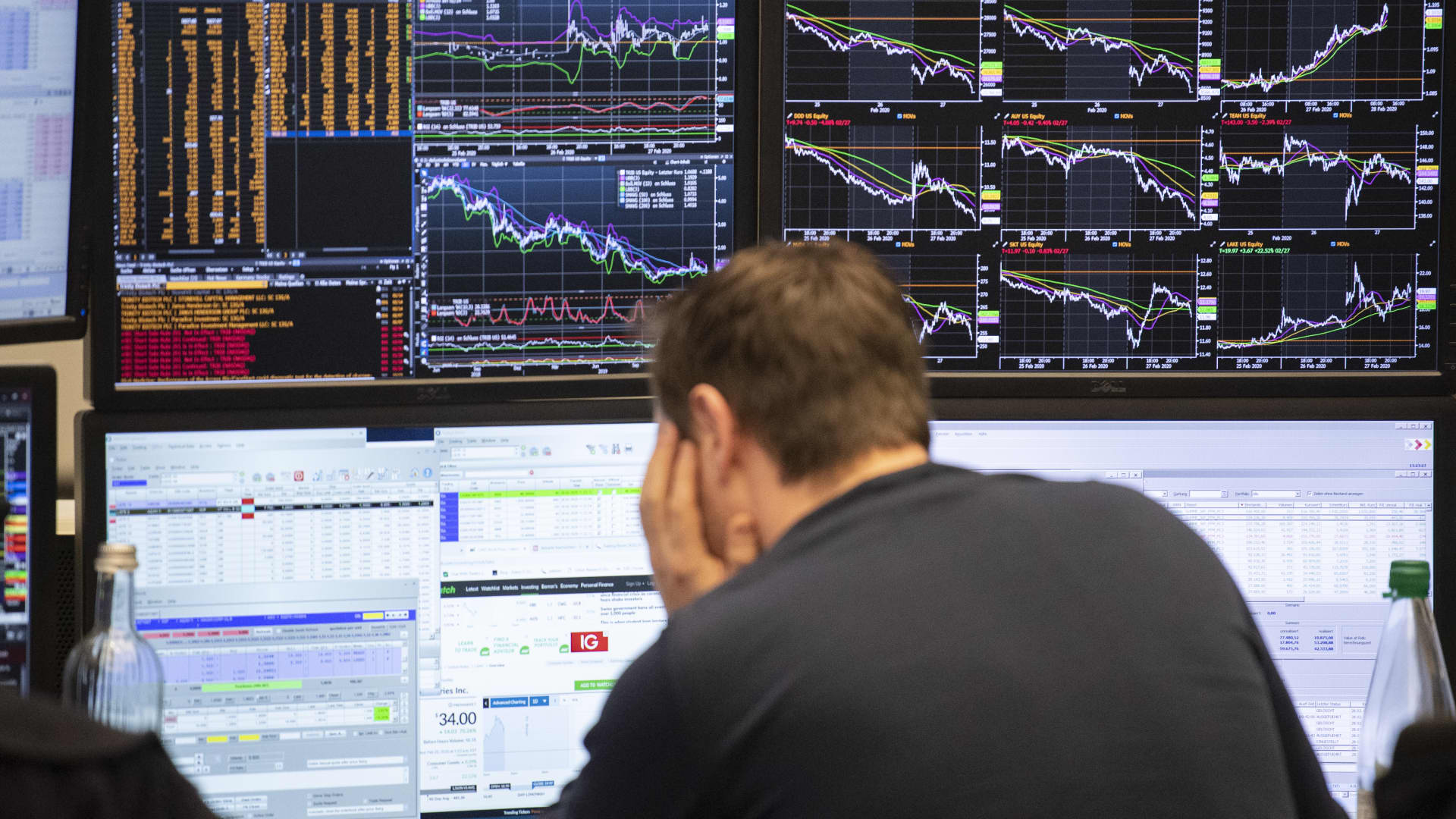
- Market Rebound: Trump's announcement that the U.S. will insure Gulf shipping and escort tankers through the Strait of Hormuz led to a market rebound after significant losses, with the S&P 500 closing down about 1%, well off its session lows of roughly 2.5%, indicating market sensitivity to geopolitical risks.
- Oil Price Impact: The assurances regarding oil trade not only boosted stock prices but also eased crude oil price pressures, highlighting that fluctuations in the oil market could have broader macroeconomic implications that investors need to monitor closely.
- Private Credit Concerns: Blackstone's Jon Gray defended the quality of loans from its main private credit fund, despite allowing investors to withdraw nearly 8% of their investments, which caused Blackstone shares to fall nearly 4%, reflecting growing market concerns about the health of the private credit sector.
- Congressional Hearing Pressure: Commerce Secretary Howard Lutnick voluntarily agreed to testify before the House Oversight Committee regarding his ties to sex offender Jeffrey Epstein, which has drawn bipartisan scrutiny, although he has not been accused of wrongdoing, potentially impacting his political future.
See More
Anthropic Faces Regulatory Challenges Amid Rapid Growth
- Surge in Enterprise Demand: Anthropic's business now derives 80% from enterprise customers, with an annual revenue run rate nearing $20 billion, up from $14 billion just weeks ago, indicating strong demand and potential market leadership in the enterprise AI sector.
- Regulatory Risk: The Trump administration's designation of Anthropic as a supply chain risk after it refused the Pentagon's terms has led to defense contractors dropping its technology, which could significantly impact customer trust and market share.
- Shift in Technology Reliance: As the government scrutinizes Anthropic, companies are reassessing their reliance on a single AI provider, with many evaluating multiple vendors simultaneously to mitigate risks, potentially altering the supply chain dynamics across the industry.
- Legal Challenges and Brand Impact: Anthropic plans to contest the government's supply chain risk designation legally; while its brand has benefited from consumer safety concerns, ongoing legal battles may affect investor confidence and the pace of market expansion.
See More
Geopolitical Conflict Boosts Drone Demand
- Drone Market Growth: Analysts indicate that the Ukraine-Russia war has driven demand for drone systems, which is expected to enhance the sector's attractiveness, particularly as U.S. investment in unmanned systems increases.
- Rising Demand for Counter-Drone Tech: With Iran deploying low-cost long-range drones against U.S. targets, BTIG analysts note that production and distribution of counter-drone systems are increasing to address escalating threats, with AeroVironment and Leonardo DRS positioned as primary beneficiaries.
- Increased Defense Budget: The fiscal 2025 National Defense Authorization Act raised the budget for counter-drone programs by approximately $336 million, reflecting the U.S. government's commitment to unmanned systems, especially in countering emerging threats.
- Optimistic Market Outlook: AeroVironment is projected to capture hundreds of millions in market opportunities, particularly after the U.S. military selected its counter-drone systems, and analysts' strong buy ratings reflect confidence in the company's future growth prospects.
See More
Anthropic Designated Supply Chain Risk by Trump Administration
- Supply Chain Risk Declaration: The Trump administration's designation of Anthropic as a supply chain risk has prompted 10 startups working with the Department of Defense to cease using its Claude model and seek alternatives, potentially impacting about 80% of Anthropic's enterprise revenue.
- Defense Contract Implications: Major defense contractors like Lockheed Martin are expected to remove Anthropic's technology from their supply chains, which could lead to a decline in Anthropic's market share within the defense sector and adversely affect future revenue growth.
- Legal Response Possibility: Anthropic has indicated it may appeal the supply chain risk designation through legal channels, although no formal action has been taken yet; if the designation becomes official, it would restrict the use of Claude in defense contracts, potentially affecting its business with other clients.
- Market Reaction and Alternatives: Several defense tech firms are proactively transitioning their workforce away from Claude to other models, and while Anthropic's product is regarded as excellent, the reliance on it for defense contracts is now under scrutiny, posing challenges for its continued use in sensitive environments.
See More
Investors Urged to Exercise Caution Amid Market Uncertainty
- Market Volatility Warning: Despite major indices rebounding from their lows on Tuesday, investors are advised to tread carefully as the Dow Jones Industrial Average plummeted over 1,200 points at one point, ultimately closing down 400 points, indicating market instability.
- Global Market Impact: The South Korean Kospi index crashed by 12% on Tuesday after a 7% drop on Monday, marking its largest single-day decline since 1985, reflecting significant losses in global markets due to geopolitical tensions.
- Investment Strategy Recommendations: JPMorgan advises clients to remain long on energy and the dollar index amid elevated geopolitical risks, while suggesting a focus on aerospace and defense stocks within equities to navigate market uncertainties.
- Energy Market Performance: U.S. crude futures have risen by 10% this week, and the S&P 500 energy sector has climbed 1%, indicating that energy assets retain defensive qualities and attractiveness amidst market turmoil.
See More
Defense Secretary Pete Hegseth Claims 'America Is Winning' in Iran, Yet Defense Stocks Are Declining.
- Operation Update: Defense Secretary Pete Hegseth and Joint Chiefs Chair Dan Caine held a news conference to provide updates on Operation "Epic Fury."
- Public Communication: The conference aimed to inform the American public about the current status and objectives of the military operation.
See More
Trump's Global Tariff Set for Implementation This Week
- Market Rebound: Trump's announcement that the U.S. will insure Gulf shipping and escort tankers through the Strait of Hormuz led to a market rebound after significant losses, with the S&P 500 closing down about 1%, well off its session lows of roughly 2.5%, indicating market sensitivity to geopolitical risks.
- Oil Price Impact: The assurances regarding oil trade not only boosted stock prices but also eased crude oil price pressures, highlighting that fluctuations in the oil market could have broader macroeconomic implications that investors need to monitor closely.
- Private Credit Concerns: Blackstone's Jon Gray defended the quality of loans from its main private credit fund, despite allowing investors to withdraw nearly 8% of their investments, which caused Blackstone shares to fall nearly 4%, reflecting growing market concerns about the health of the private credit sector.
- Congressional Hearing Pressure: Commerce Secretary Howard Lutnick voluntarily agreed to testify before the House Oversight Committee regarding his ties to sex offender Jeffrey Epstein, which has drawn bipartisan scrutiny, although he has not been accused of wrongdoing, potentially impacting his political future.
See More




