Middle East Conflict Drives Defense Stocks Up
- Defense Stocks Surge: As the conflict in the Middle East escalates, investors are seeking safe havens, leading to a broad increase in defense company stocks on Monday, indicating strong market demand for secure investments.
- U.S.-Israel Military Operations: The U.S. and Israeli militaries launched large-scale operations against Iran this weekend, expected to last four to five weeks, which will likely require significant replenishment of armaments, further driving demand in the defense sector.
- Key Defense Contractors' Roles: Companies like RTX, Lockheed Martin, Huntington Ingalls, and Northrop Grumman play crucial roles in this conflict, producing interceptors, fighter jets, and strategic bombers to ensure the defense capabilities of U.S. forces and allies.
- Investor Focus on Future Returns: Although Northrop Grumman was not recommended as a top stock by The Motley Fool, the overall performance and future demand in the defense industry may attract increased investor interest.
Trade with 70% Backtested Accuracy
Analyst Views on NOC

About NOC
About the author


South Korea's Kospi Records Worst Day Ever with 12% Plunge


- Market Crash: South Korea's Kospi index plummeted 12% on Wednesday, marking its worst day ever, reflecting investor concerns over the global economic outlook, particularly amid escalating Middle East conflicts that could lead to oil price spikes and increased inflation risks.
- US Market Decline: Concurrently, US markets also faced significant declines, with the S&P 500 slipping about 0.94% and the Dow dropping over 1,200 points at one point before closing down 0.83%, indicating a sensitive market reaction to international developments.
- Defense Industry Meeting: Executives from US defense contractors Lockheed Martin and RTX are expected to meet with White House officials on Friday to discuss accelerating weapons production, which could positively impact defense spending and the stock prices of related companies.
- China's Manufacturing Slowdown: China's official manufacturing purchasing managers' index fell to 49 in February, missing economists' forecast of 49.1, indicating a slowdown in manufacturing activity due to production and cargo shipment pauses for the holiday, which may affect global supply chain stability.

OpenAI's Controversial Partnership with the Pentagon


- DoD Partnership Agreement: OpenAI's $200 million contract with the Department of Defense allows its models to be used in non-classified contexts, while the new arrangement enables deployment across classified networks, highlighting the company's significance in government projects.
- Operational Decision Constraints: CEO Sam Altman stated in an all-hands meeting that while the DoD respects OpenAI's technical expertise, operational decisions ultimately rest with the Secretary of Defense, raising employee concerns about the company's direction.
- Competitor Dynamics: Following OpenAI's agreement with the DoD, rival Anthropic was labeled a 'Supply-Chain Risk to National Security' and banned from using its technology, illustrating the intense competition and policy implications within the industry.
- Safety and Collaboration: Altman acknowledged that the partnership with the DoD appeared 'opportunistic and sloppy,' yet emphasized the agency's commitment to safety and willingness to collaborate with OpenAI, indicating potential ethical and security challenges the company may face in the future.

Strategies for Navigating a Volatile Market Amid Rising Oil Prices and Falling Stocks


Market Concerns: The markets are experiencing a downturn due to escalating fears of a prolonged conflict in Iran.
Oil Price Impact: Investors are worried that rising oil prices could negatively affect the global economy and reignite inflation fears.
AI Trade Vulnerability: The situation poses particular challenges for the previously thriving artificial intelligence sector.
Investment Climate: Overall, it is becoming increasingly difficult for investors to find safe investment opportunities amid these uncertainties.
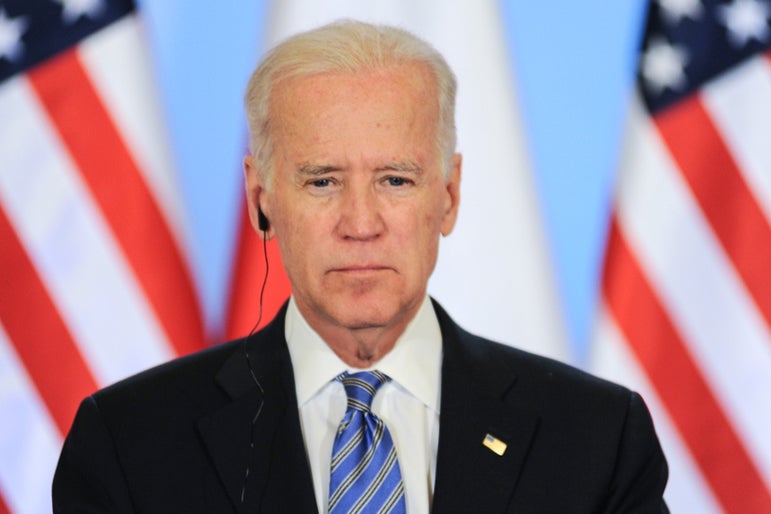
Trump's Ambiguous Objectives in Iran War

- Unclear War Objectives: Trump's military action against Iran has seen its objectives shift multiple times within 48 hours, ranging from preventing nuclear weapons to regime change, raising questions about U.S. strategic intentions and potentially affecting Congressional support for the war.
- Rising U.S. Casualties: With U.S. service member deaths climbing to six, opposition from Democrats has intensified, and some Republicans are beginning to question Trump's military strategy, which could lead to increased pressure on the administration in Congress.
- Divergent Cabinet Opinions: Trump's cabinet members have differing views on the nature and goals of the war, with the Defense Secretary stating it is not a
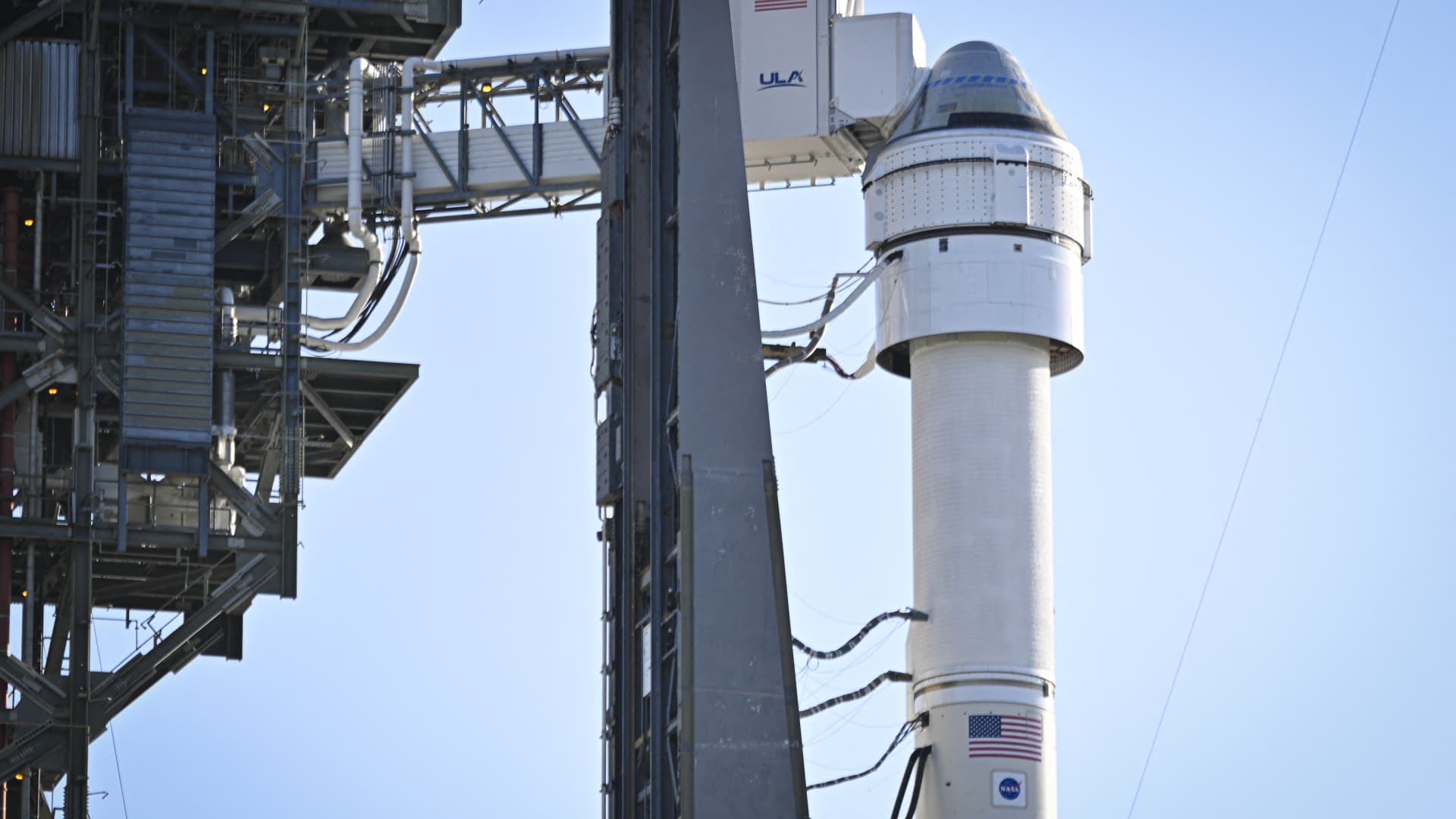
Defense Stocks: Missiles, Sensors, and Unprecedented Backlogs
Market Response to Geopolitical Tensions: The defense sector has gained significant attention in the market, with companies like Lockheed Martin, RTX Corporation, and Northrop Grumman seeing a surge in share prices and trading volume, prompting questions about the sustainability of this growth amidst ongoing geopolitical crises.
Increased Military Spending: Recent military actions involving the U.S. and its allies have led to expectations of increased global military spending, reflecting a strategic realignment in defense priorities and a shift in market perceptions of the defense industry.
Strong Financial Foundations: Companies in the defense sector are showing robust financial health, evidenced by substantial backlogs of contracts and consistent revenue growth, which provide a stable outlook for long-term investments in defense technologies.
Future Growth Prospects: The defense sector is positioned for prolonged demand due to geopolitical factors, with companies focusing on executing ambitious production schedules to convert their significant backlogs into earnings and cash flow, indicating a strong future for defense investments.

Tech Workers Demand Limits on Military Collaboration


- Employee Solidarity: Nearly 900 tech workers from Google and OpenAI signed an open letter demanding clear limits on military collaboration in response to U.S. strikes on Iran and sanctions against Anthropic, indicating rising discontent within the industry regarding government military partnerships.
- Support for Anthropic: Hundreds of tech workers signed another letter urging the Department of Defense to withdraw its 'supply chain risk' designation against Anthropic, emphasizing that American tech companies should not face retaliation for refusing government demands, reflecting strong opposition to governmental overreach.
- Google's Military Negotiations: Google is reportedly in talks with the Pentagon to deploy its AI model Gemini onto classified systems, raising employee concerns about the company's military collaborations, especially following past internal protests against similar projects, highlighting a growing demand for transparency.
- Historical Lessons and Principles: Google faced significant employee protests in 2018 over Project Maven, leading to the non-renewal of the contract and the establishment of 'AI Principles'; however, recent negotiations have raised questions about the relevance of these principles, particularly concerning human rights and ethical usage.
South Korea's Kospi Records Worst Day Ever with 12% Plunge
- Market Crash: South Korea's Kospi index plummeted 12% on Wednesday, marking its worst day ever, reflecting investor concerns over the global economic outlook, particularly amid escalating Middle East conflicts that could lead to oil price spikes and increased inflation risks.
- US Market Decline: Concurrently, US markets also faced significant declines, with the S&P 500 slipping about 0.94% and the Dow dropping over 1,200 points at one point before closing down 0.83%, indicating a sensitive market reaction to international developments.
- Defense Industry Meeting: Executives from US defense contractors Lockheed Martin and RTX are expected to meet with White House officials on Friday to discuss accelerating weapons production, which could positively impact defense spending and the stock prices of related companies.
- China's Manufacturing Slowdown: China's official manufacturing purchasing managers' index fell to 49 in February, missing economists' forecast of 49.1, indicating a slowdown in manufacturing activity due to production and cargo shipment pauses for the holiday, which may affect global supply chain stability.
OpenAI's Controversial Partnership with the Pentagon
- DoD Partnership Agreement: OpenAI's $200 million contract with the Department of Defense allows its models to be used in non-classified contexts, while the new arrangement enables deployment across classified networks, highlighting the company's significance in government projects.
- Operational Decision Constraints: CEO Sam Altman stated in an all-hands meeting that while the DoD respects OpenAI's technical expertise, operational decisions ultimately rest with the Secretary of Defense, raising employee concerns about the company's direction.
- Competitor Dynamics: Following OpenAI's agreement with the DoD, rival Anthropic was labeled a 'Supply-Chain Risk to National Security' and banned from using its technology, illustrating the intense competition and policy implications within the industry.
- Safety and Collaboration: Altman acknowledged that the partnership with the DoD appeared 'opportunistic and sloppy,' yet emphasized the agency's commitment to safety and willingness to collaborate with OpenAI, indicating potential ethical and security challenges the company may face in the future.
Strategies for Navigating a Volatile Market Amid Rising Oil Prices and Falling Stocks
Market Concerns: The markets are experiencing a downturn due to escalating fears of a prolonged conflict in Iran.
Oil Price Impact: Investors are worried that rising oil prices could negatively affect the global economy and reignite inflation fears.
AI Trade Vulnerability: The situation poses particular challenges for the previously thriving artificial intelligence sector.
Investment Climate: Overall, it is becoming increasingly difficult for investors to find safe investment opportunities amid these uncertainties.
Trump's Ambiguous Objectives in Iran War
- Unclear War Objectives: Trump's military action against Iran has seen its objectives shift multiple times within 48 hours, ranging from preventing nuclear weapons to regime change, raising questions about U.S. strategic intentions and potentially affecting Congressional support for the war.
- Rising U.S. Casualties: With U.S. service member deaths climbing to six, opposition from Democrats has intensified, and some Republicans are beginning to question Trump's military strategy, which could lead to increased pressure on the administration in Congress.
- Divergent Cabinet Opinions: Trump's cabinet members have differing views on the nature and goals of the war, with the Defense Secretary stating it is not a
Defense Stocks: Missiles, Sensors, and Unprecedented Backlogs
Market Response to Geopolitical Tensions: The defense sector has gained significant attention in the market, with companies like Lockheed Martin, RTX Corporation, and Northrop Grumman seeing a surge in share prices and trading volume, prompting questions about the sustainability of this growth amidst ongoing geopolitical crises.
Increased Military Spending: Recent military actions involving the U.S. and its allies have led to expectations of increased global military spending, reflecting a strategic realignment in defense priorities and a shift in market perceptions of the defense industry.
Strong Financial Foundations: Companies in the defense sector are showing robust financial health, evidenced by substantial backlogs of contracts and consistent revenue growth, which provide a stable outlook for long-term investments in defense technologies.
Future Growth Prospects: The defense sector is positioned for prolonged demand due to geopolitical factors, with companies focusing on executing ambitious production schedules to convert their significant backlogs into earnings and cash flow, indicating a strong future for defense investments.
Tech Workers Demand Limits on Military Collaboration
- Employee Solidarity: Nearly 900 tech workers from Google and OpenAI signed an open letter demanding clear limits on military collaboration in response to U.S. strikes on Iran and sanctions against Anthropic, indicating rising discontent within the industry regarding government military partnerships.
- Support for Anthropic: Hundreds of tech workers signed another letter urging the Department of Defense to withdraw its 'supply chain risk' designation against Anthropic, emphasizing that American tech companies should not face retaliation for refusing government demands, reflecting strong opposition to governmental overreach.
- Google's Military Negotiations: Google is reportedly in talks with the Pentagon to deploy its AI model Gemini onto classified systems, raising employee concerns about the company's military collaborations, especially following past internal protests against similar projects, highlighting a growing demand for transparency.
- Historical Lessons and Principles: Google faced significant employee protests in 2018 over Project Maven, leading to the non-renewal of the contract and the establishment of 'AI Principles'; however, recent negotiations have raised questions about the relevance of these principles, particularly concerning human rights and ethical usage.