Blackstone Prepares to Announce Q3 Earnings: What to Expect?



Earnings Announcement: Blackstone is set to announce its third-quarter 2025 results on October 23, with expectations of year-over-year increases in revenues and earnings, despite a slight downward revision in earnings estimates.
AUM Growth: The company has seen significant growth in assets under management (AUM), with estimates suggesting a 13% increase year-over-year, driven by net inflows and a diversified product mix.
Expense Challenges: Blackstone's expenses have been rising due to increased administrative costs, which may impact earnings, and the company currently has a Zacks Rank #3, indicating a lower likelihood of beating earnings estimates.
Comparative Stocks: Other finance stocks like Moody's Corporation and Prosperity Bancshares are highlighted as having better prospects for earnings beats, with positive Earnings ESPs and favorable Zacks Ranks.
Trade with 70% Backtested Accuracy
Analyst Views on MCO

About MCO
About the author

Berkshire Hathaway Enters New Era Post-Buffett Retirement


- New CEO Transition: With Warren Buffett retiring on December 31, Greg Abel officially took over the day-to-day operations and the $319 billion investment portfolio of Berkshire Hathaway on January 1, marking a significant governance shift, as Abel vows to uphold Buffett's investment philosophy.
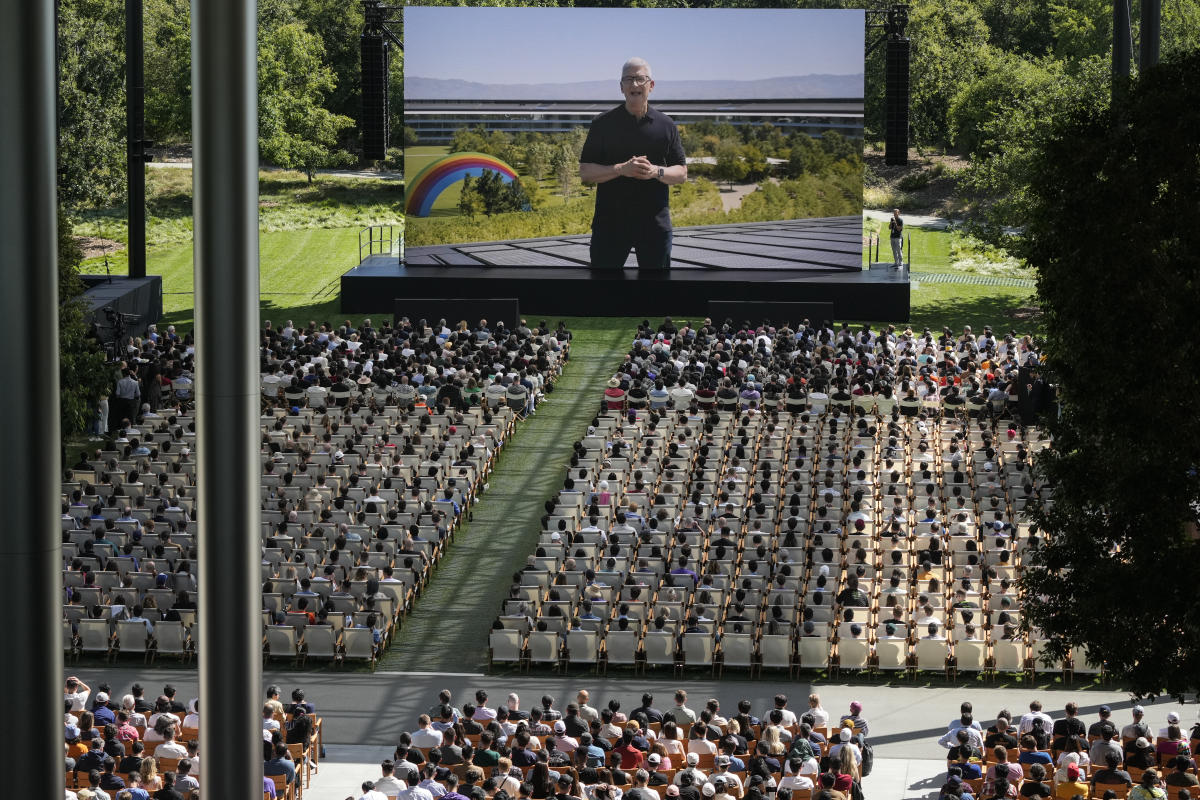
- Expansion of 'Forever' Holdings: In his first letter to shareholders, Abel announced the inclusion of Moody's and Apple into Berkshire's 'forever' holdings, with Moody's being the third-longest-held stock since 2000, boasting a 41% annual yield, showcasing its resilience in economic fluctuations.
- Valuation Considerations for Apple: While Abel considers Apple a long-term investment, the decision raises eyebrows given Buffett's sale of 75% of Berkshire's Apple shares prior to retirement, especially with Apple's current P/E ratio at 33.4, reflecting a commitment to value investing.
- Impact of Share Buybacks: Since 2013, Apple has repurchased over $841 billion in shares, reducing its outstanding shares by 44%, a strategy that has significantly boosted earnings per share, indicating that Abel's decisions may influence Berkshire's stake in Apple, reflecting sensitivity to market dynamics.

Buffett's Investment in Alphabet Stock Analysis

- Significant Stake: Berkshire Hathaway disclosed a 17,846,142 share stake in Alphabet in Q3 2025, making it one of the top ten holdings in the investment portfolio, indicating the company's increasing focus on tech stocks.
- Value Appreciation: Currently, the stake in Alphabet is valued at $5.39 billion, with gains ranging from $819.49 million to $2.30 billion due to stock price fluctuations, reflecting the success of this investment.
- New CEO's Investment Strategy: Although new CEO Abel did not mention Alphabet in his annual letter, he emphasized a long-term holding strategy for other stocks, suggesting potential adjustments in the investment portfolio.
- Outstanding Market Performance: In 2025, Alphabet's stock surged by 65.2%, significantly outperforming Berkshire Hathaway's 11.5% and the S&P 500's 16.6%, showcasing its strong performance and future potential in the tech sector.

Stock Markets Remain Calm Following Trump's Iran Attack—Here’s Why and 5 Other Key Updates for Today.


New World Order: The Trump administration is pursuing a strategy to undermine the Iranian regime, similar to its actions in Venezuela.
Market Reaction: Currently, the market appears stable, but the potential risks associated with this geopolitical conflict are significant.

Berkshire Hathaway's Strategic Shift Under New CEO

- Core Investment Adjustment: In his inaugural letter to shareholders, CEO Greg Abel's omission of two major holdings indicates a potential shift in Berkshire Hathaway's equity strategy, reflecting a concentrated management approach toward long-term investments.
- Holding Changes: During the final quarter of 2025, Berkshire reduced its stake in Bank of America by 9% while increasing its position in Chevron by 7%, demonstrating the company's dynamic adjustment strategy across different investment sectors.
- Cultural Leadership Shift: Abel emphasizes a culture of “stewardship” and decentralized autonomy, marking a new leadership era post-Buffett; despite his $25 million salary, significantly higher than Buffett's $100,000, he remains focused on maintaining “fortress-like” financial strength.
- Cash Reserves Growth: Berkshire's cash holdings now exceed $370 billion, showcasing the company's ongoing commitment to financial robustness, which provides strong support for future investment opportunities.
Warren Buffett Steps Down as CEO of Berkshire Hathaway
- Buffett's Retirement: After over fifty years at the helm, Warren Buffett officially stepped down as CEO of Berkshire Hathaway on December 31, 2025, although he remains chairman, marking the end of an era.
- Surging Cash Reserves: Due to Buffett's net stock sales totaling $186.7 billion during his tenure, Berkshire's cash reserves reached $373.3 billion as of December 31, 2025, reflecting a cautious stance in a historically expensive market.
- Valuation Warning: The Buffett Indicator hit an all-time high of 221% in January 2026, indicating overvaluation in the market and potentially foreshadowing significant corrections ahead, impacting investor sentiment.
- Long-Term Investment Strategy: Buffett's investment philosophy emphasizes patience and value investing, and despite market fluctuations, his strategy has yielded over 6,000,000% returns for Berkshire, showcasing his unique insights into stock market cycles.
Buffett's $373 Billion Warning Before Retirement
- Buffett's Retirement: Warren Buffett officially retired on December 31, 2025, concluding his 50-year tenure as CEO of Berkshire Hathaway, during which the company's market value soared to $1 trillion with a cumulative return exceeding 6 million percent.
- Surge in Cash Reserves: Throughout Buffett's leadership, his net stock sales totaled $186.7 billion, resulting in the company's cash reserves reaching $373.3 billion by December 2025, reflecting his caution regarding market overvaluation.
- Valuation Warning: The market cap-to-GDP ratio, favored by Buffett, hit an all-time high of 224% in January 2026, indicating historically high market valuations that typically precede significant market corrections.
- Long-Term Investment Strategy: Despite market fluctuations, Buffett's investment philosophy emphasizes patience and value investing, suggesting that his successor will leverage this substantial capital to capitalize on future market corrections.
Berkshire Hathaway Enters New Era Post-Buffett Retirement
- New CEO Transition: With Warren Buffett retiring on December 31, Greg Abel officially took over the day-to-day operations and the $319 billion investment portfolio of Berkshire Hathaway on January 1, marking a significant governance shift, as Abel vows to uphold Buffett's investment philosophy.
- Expansion of 'Forever' Holdings: In his first letter to shareholders, Abel announced the inclusion of Moody's and Apple into Berkshire's 'forever' holdings, with Moody's being the third-longest-held stock since 2000, boasting a 41% annual yield, showcasing its resilience in economic fluctuations.
- Valuation Considerations for Apple: While Abel considers Apple a long-term investment, the decision raises eyebrows given Buffett's sale of 75% of Berkshire's Apple shares prior to retirement, especially with Apple's current P/E ratio at 33.4, reflecting a commitment to value investing.
- Impact of Share Buybacks: Since 2013, Apple has repurchased over $841 billion in shares, reducing its outstanding shares by 44%, a strategy that has significantly boosted earnings per share, indicating that Abel's decisions may influence Berkshire's stake in Apple, reflecting sensitivity to market dynamics.
Buffett's Investment in Alphabet Stock Analysis
- Significant Stake: Berkshire Hathaway disclosed a 17,846,142 share stake in Alphabet in Q3 2025, making it one of the top ten holdings in the investment portfolio, indicating the company's increasing focus on tech stocks.
- Value Appreciation: Currently, the stake in Alphabet is valued at $5.39 billion, with gains ranging from $819.49 million to $2.30 billion due to stock price fluctuations, reflecting the success of this investment.
- New CEO's Investment Strategy: Although new CEO Abel did not mention Alphabet in his annual letter, he emphasized a long-term holding strategy for other stocks, suggesting potential adjustments in the investment portfolio.
- Outstanding Market Performance: In 2025, Alphabet's stock surged by 65.2%, significantly outperforming Berkshire Hathaway's 11.5% and the S&P 500's 16.6%, showcasing its strong performance and future potential in the tech sector.
Stock Markets Remain Calm Following Trump's Iran Attack—Here’s Why and 5 Other Key Updates for Today.
New World Order: The Trump administration is pursuing a strategy to undermine the Iranian regime, similar to its actions in Venezuela.
Market Reaction: Currently, the market appears stable, but the potential risks associated with this geopolitical conflict are significant.
Berkshire Hathaway's Strategic Shift Under New CEO
- Core Investment Adjustment: In his inaugural letter to shareholders, CEO Greg Abel's omission of two major holdings indicates a potential shift in Berkshire Hathaway's equity strategy, reflecting a concentrated management approach toward long-term investments.
- Holding Changes: During the final quarter of 2025, Berkshire reduced its stake in Bank of America by 9% while increasing its position in Chevron by 7%, demonstrating the company's dynamic adjustment strategy across different investment sectors.
- Cultural Leadership Shift: Abel emphasizes a culture of “stewardship” and decentralized autonomy, marking a new leadership era post-Buffett; despite his $25 million salary, significantly higher than Buffett's $100,000, he remains focused on maintaining “fortress-like” financial strength.
- Cash Reserves Growth: Berkshire's cash holdings now exceed $370 billion, showcasing the company's ongoing commitment to financial robustness, which provides strong support for future investment opportunities.
Warren Buffett Steps Down as CEO of Berkshire Hathaway
- Buffett's Retirement: After over fifty years at the helm, Warren Buffett officially stepped down as CEO of Berkshire Hathaway on December 31, 2025, although he remains chairman, marking the end of an era.
- Surging Cash Reserves: Due to Buffett's net stock sales totaling $186.7 billion during his tenure, Berkshire's cash reserves reached $373.3 billion as of December 31, 2025, reflecting a cautious stance in a historically expensive market.
- Valuation Warning: The Buffett Indicator hit an all-time high of 221% in January 2026, indicating overvaluation in the market and potentially foreshadowing significant corrections ahead, impacting investor sentiment.
- Long-Term Investment Strategy: Buffett's investment philosophy emphasizes patience and value investing, and despite market fluctuations, his strategy has yielded over 6,000,000% returns for Berkshire, showcasing his unique insights into stock market cycles.
Buffett's $373 Billion Warning Before Retirement
- Buffett's Retirement: Warren Buffett officially retired on December 31, 2025, concluding his 50-year tenure as CEO of Berkshire Hathaway, during which the company's market value soared to $1 trillion with a cumulative return exceeding 6 million percent.
- Surge in Cash Reserves: Throughout Buffett's leadership, his net stock sales totaled $186.7 billion, resulting in the company's cash reserves reaching $373.3 billion by December 2025, reflecting his caution regarding market overvaluation.
- Valuation Warning: The market cap-to-GDP ratio, favored by Buffett, hit an all-time high of 224% in January 2026, indicating historically high market valuations that typically precede significant market corrections.
- Long-Term Investment Strategy: Despite market fluctuations, Buffett's investment philosophy emphasizes patience and value investing, suggesting that his successor will leverage this substantial capital to capitalize on future market corrections.