Markets Surge to New Highs Following Low Inflation; Ford Rises 10%: Key Market Movers on Friday


Market Performance: Wall Street reached new all-time highs, with the S&P 500 rising 1% and the Dow Jones and Nasdaq 100 both climbing 1.2%, driven by a softer-than-expected inflation report that bolstered expectations for a Federal Reserve interest rate cut.
Ford's Earnings Surge: Ford Motor Co. saw a significant 10% increase in stock price after reporting stronger-than-expected third-quarter earnings, with earnings per share of $0.45 and revenue of $50.53 billion, attributed to resilient demand and improving margins.
Small-Cap Gains: Inhibrx Biosciences Inc. experienced a remarkable 90% jump in stock price following positive trial results for its cancer drug, while the Russell 2000 index rose 1.7%, nearing its record high.
Commodity and Crypto Updates: Gold prices remained steady around $4,130 per ounce but closed the week down 2.8%, while oil prices rose due to supply concerns linked to U.S. sanctions on Russian oil majors, and Bitcoin held flat at $110,000.
Trade with 70% Backtested Accuracy
Analyst Views on GD

About GD
About the author


China Sets Record Low GDP Growth Target for 2026


- GDP Growth Target: China has set its GDP growth target for 2026 at 4.5% to 5%, marking the lowest target on record since the early 1990s, indicating significant challenges for economic recovery amid persistent deflationary pressures and trade tensions with the U.S.
- Defense Spending Increase: Defense spending is projected to rise by 7%, the slowest increase since 2021, although analysts believe the official figures may be understated, which could impact national security and military modernization efforts.
- Data Center Attack: Amazon's data center in Bahrain was targeted by Iran for supporting the U.S. military, with damage reported from a drone strike, potentially affecting Amazon's cloud computing operations in the Middle East in the short term.
- Global Tariff Increase: U.S. Treasury Secretary announced that global tariffs will rise from 10% to 15%, with expectations that tariff rates will return to pre-Supreme Court ruling levels by August, which will have profound implications for international trade and the cost structures of U.S. businesses.
China's Defense Budget Growth Slows in 2025
- Defense Budget Growth: China plans to increase its defense spending by 7% in 2025, marking the slowest growth rate since 2021, reflecting a cautious approach amid escalating conflicts in the Middle East and rising geopolitical tensions.
- Historical Growth Comparison: Over the past three years, China's defense spending has averaged a 7.2% annual increase, with 7.1% in 2022 and 6.8% in 2021, indicating a trend of stable growth, but the slowdown in 2025 may impact future military modernization efforts.
- Support for Modernization: China aims to accelerate the development of advanced combat capabilities and promote the
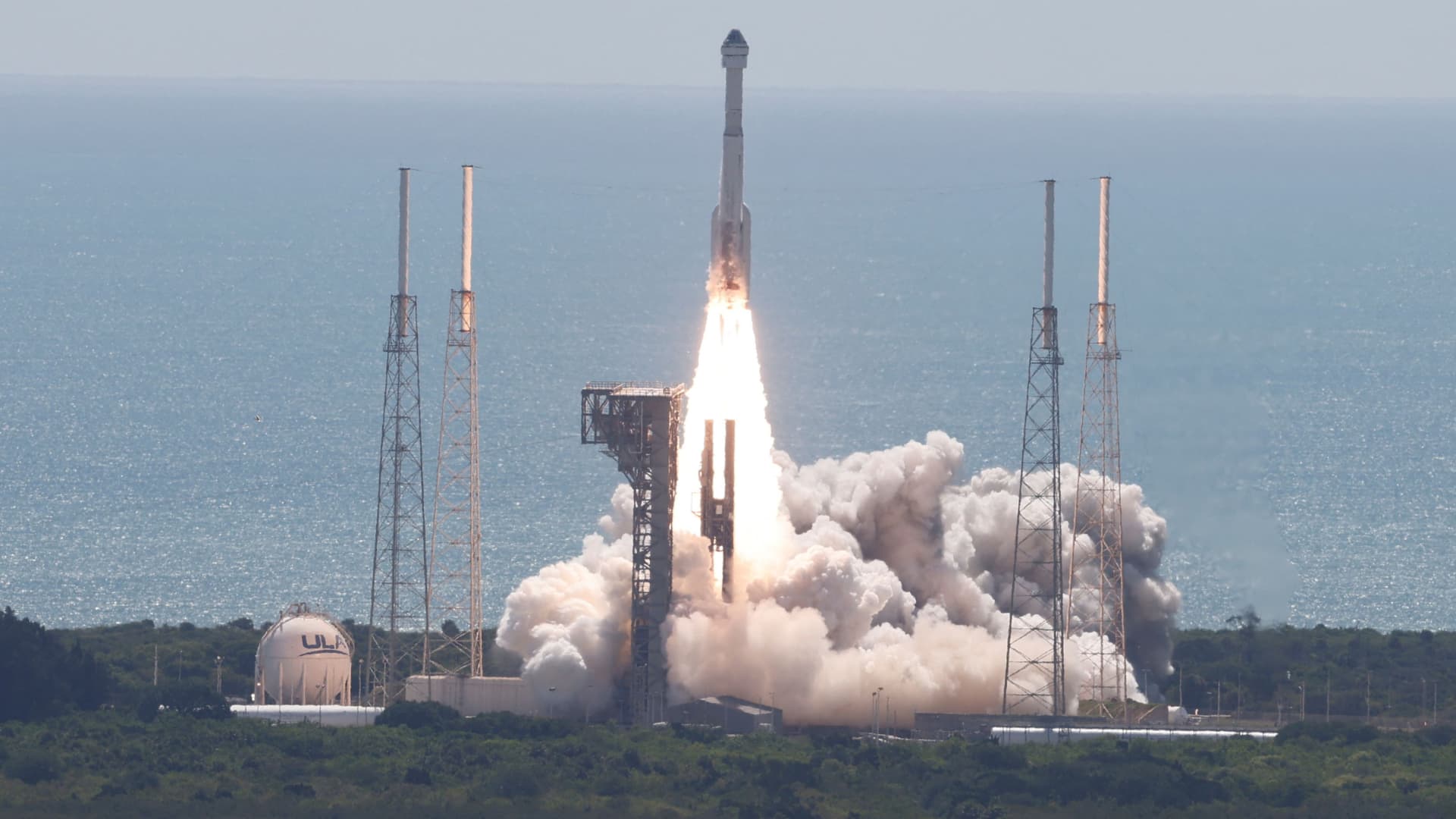
Analysis of US and Israel's Military Action Against Iran
- Military Action Background: The U.S. and Israel's strikes on Iran resulted in the killing of Supreme Leader Khamenei, and while the initial phase was successful, experts warn that the conflict may become complicated, affecting public support in the U.S.
- Public Support Survey: A Reuters/IPSOS poll indicates that only one in four Americans supports the attacks on Iran, reflecting public aversion to prolonged military actions, which could influence Trump's policy decisions.
- Unclear Strategic Goals: Initially aimed at destroying Iran's nuclear program, the U.S. objectives have shifted to protecting the American public from unspecified Iranian threats, indicating a lack of clarity in strategic direction.
- Potential for Extended Conflict: Analysts suggest that despite Trump's claim of a four to five-week military operation, the complexity of Iran's security apparatus may prolong the conflict, leading to economic and market instability.

Anthropic Faces Regulatory Challenges Amid Rapid Growth


- Surge in Enterprise Demand: Anthropic's business now derives 80% from enterprise customers, with an annual revenue run rate nearing $20 billion, up from $14 billion just weeks ago, indicating strong demand and potential market leadership in the enterprise AI sector.
- Regulatory Risk: The Trump administration's designation of Anthropic as a supply chain risk after it refused the Pentagon's terms has led to defense contractors dropping its technology, which could significantly impact customer trust and market share.
- Shift in Technology Reliance: As the government scrutinizes Anthropic, companies are reassessing their reliance on a single AI provider, with many evaluating multiple vendors simultaneously to mitigate risks, potentially altering the supply chain dynamics across the industry.
- Legal Challenges and Brand Impact: Anthropic plans to contest the government's supply chain risk designation legally; while its brand has benefited from consumer safety concerns, ongoing legal battles may affect investor confidence and the pace of market expansion.

Geopolitical Conflict Boosts Drone Demand


- Drone Market Growth: Analysts indicate that the Ukraine-Russia war has driven demand for drone systems, which is expected to enhance the sector's attractiveness, particularly as U.S. investment in unmanned systems increases.
- Rising Demand for Counter-Drone Tech: With Iran deploying low-cost long-range drones against U.S. targets, BTIG analysts note that production and distribution of counter-drone systems are increasing to address escalating threats, with AeroVironment and Leonardo DRS positioned as primary beneficiaries.
- Increased Defense Budget: The fiscal 2025 National Defense Authorization Act raised the budget for counter-drone programs by approximately $336 million, reflecting the U.S. government's commitment to unmanned systems, especially in countering emerging threats.
- Optimistic Market Outlook: AeroVironment is projected to capture hundreds of millions in market opportunities, particularly after the U.S. military selected its counter-drone systems, and analysts' strong buy ratings reflect confidence in the company's future growth prospects.
Anthropic Designated Supply Chain Risk by Trump Administration


- Supply Chain Risk Declaration: The Trump administration's designation of Anthropic as a supply chain risk has prompted 10 startups working with the Department of Defense to cease using its Claude model and seek alternatives, potentially impacting about 80% of Anthropic's enterprise revenue.
- Defense Contract Implications: Major defense contractors like Lockheed Martin are expected to remove Anthropic's technology from their supply chains, which could lead to a decline in Anthropic's market share within the defense sector and adversely affect future revenue growth.
- Legal Response Possibility: Anthropic has indicated it may appeal the supply chain risk designation through legal channels, although no formal action has been taken yet; if the designation becomes official, it would restrict the use of Claude in defense contracts, potentially affecting its business with other clients.
- Market Reaction and Alternatives: Several defense tech firms are proactively transitioning their workforce away from Claude to other models, and while Anthropic's product is regarded as excellent, the reliance on it for defense contracts is now under scrutiny, posing challenges for its continued use in sensitive environments.
China Sets Record Low GDP Growth Target for 2026
- GDP Growth Target: China has set its GDP growth target for 2026 at 4.5% to 5%, marking the lowest target on record since the early 1990s, indicating significant challenges for economic recovery amid persistent deflationary pressures and trade tensions with the U.S.
- Defense Spending Increase: Defense spending is projected to rise by 7%, the slowest increase since 2021, although analysts believe the official figures may be understated, which could impact national security and military modernization efforts.
- Data Center Attack: Amazon's data center in Bahrain was targeted by Iran for supporting the U.S. military, with damage reported from a drone strike, potentially affecting Amazon's cloud computing operations in the Middle East in the short term.
- Global Tariff Increase: U.S. Treasury Secretary announced that global tariffs will rise from 10% to 15%, with expectations that tariff rates will return to pre-Supreme Court ruling levels by August, which will have profound implications for international trade and the cost structures of U.S. businesses.
China's Defense Budget Growth Slows in 2025
- Defense Budget Growth: China plans to increase its defense spending by 7% in 2025, marking the slowest growth rate since 2021, reflecting a cautious approach amid escalating conflicts in the Middle East and rising geopolitical tensions.
- Historical Growth Comparison: Over the past three years, China's defense spending has averaged a 7.2% annual increase, with 7.1% in 2022 and 6.8% in 2021, indicating a trend of stable growth, but the slowdown in 2025 may impact future military modernization efforts.
- Support for Modernization: China aims to accelerate the development of advanced combat capabilities and promote the
Analysis of US and Israel's Military Action Against Iran
- Military Action Background: The U.S. and Israel's strikes on Iran resulted in the killing of Supreme Leader Khamenei, and while the initial phase was successful, experts warn that the conflict may become complicated, affecting public support in the U.S.
- Public Support Survey: A Reuters/IPSOS poll indicates that only one in four Americans supports the attacks on Iran, reflecting public aversion to prolonged military actions, which could influence Trump's policy decisions.
- Unclear Strategic Goals: Initially aimed at destroying Iran's nuclear program, the U.S. objectives have shifted to protecting the American public from unspecified Iranian threats, indicating a lack of clarity in strategic direction.
- Potential for Extended Conflict: Analysts suggest that despite Trump's claim of a four to five-week military operation, the complexity of Iran's security apparatus may prolong the conflict, leading to economic and market instability.
Anthropic Faces Regulatory Challenges Amid Rapid Growth
- Surge in Enterprise Demand: Anthropic's business now derives 80% from enterprise customers, with an annual revenue run rate nearing $20 billion, up from $14 billion just weeks ago, indicating strong demand and potential market leadership in the enterprise AI sector.
- Regulatory Risk: The Trump administration's designation of Anthropic as a supply chain risk after it refused the Pentagon's terms has led to defense contractors dropping its technology, which could significantly impact customer trust and market share.
- Shift in Technology Reliance: As the government scrutinizes Anthropic, companies are reassessing their reliance on a single AI provider, with many evaluating multiple vendors simultaneously to mitigate risks, potentially altering the supply chain dynamics across the industry.
- Legal Challenges and Brand Impact: Anthropic plans to contest the government's supply chain risk designation legally; while its brand has benefited from consumer safety concerns, ongoing legal battles may affect investor confidence and the pace of market expansion.
Geopolitical Conflict Boosts Drone Demand
- Drone Market Growth: Analysts indicate that the Ukraine-Russia war has driven demand for drone systems, which is expected to enhance the sector's attractiveness, particularly as U.S. investment in unmanned systems increases.
- Rising Demand for Counter-Drone Tech: With Iran deploying low-cost long-range drones against U.S. targets, BTIG analysts note that production and distribution of counter-drone systems are increasing to address escalating threats, with AeroVironment and Leonardo DRS positioned as primary beneficiaries.
- Increased Defense Budget: The fiscal 2025 National Defense Authorization Act raised the budget for counter-drone programs by approximately $336 million, reflecting the U.S. government's commitment to unmanned systems, especially in countering emerging threats.
- Optimistic Market Outlook: AeroVironment is projected to capture hundreds of millions in market opportunities, particularly after the U.S. military selected its counter-drone systems, and analysts' strong buy ratings reflect confidence in the company's future growth prospects.
Anthropic Designated Supply Chain Risk by Trump Administration
- Supply Chain Risk Declaration: The Trump administration's designation of Anthropic as a supply chain risk has prompted 10 startups working with the Department of Defense to cease using its Claude model and seek alternatives, potentially impacting about 80% of Anthropic's enterprise revenue.
- Defense Contract Implications: Major defense contractors like Lockheed Martin are expected to remove Anthropic's technology from their supply chains, which could lead to a decline in Anthropic's market share within the defense sector and adversely affect future revenue growth.
- Legal Response Possibility: Anthropic has indicated it may appeal the supply chain risk designation through legal channels, although no formal action has been taken yet; if the designation becomes official, it would restrict the use of Claude in defense contracts, potentially affecting its business with other clients.
- Market Reaction and Alternatives: Several defense tech firms are proactively transitioning their workforce away from Claude to other models, and while Anthropic's product is regarded as excellent, the reliance on it for defense contracts is now under scrutiny, posing challenges for its continued use in sensitive environments.